
Pruning
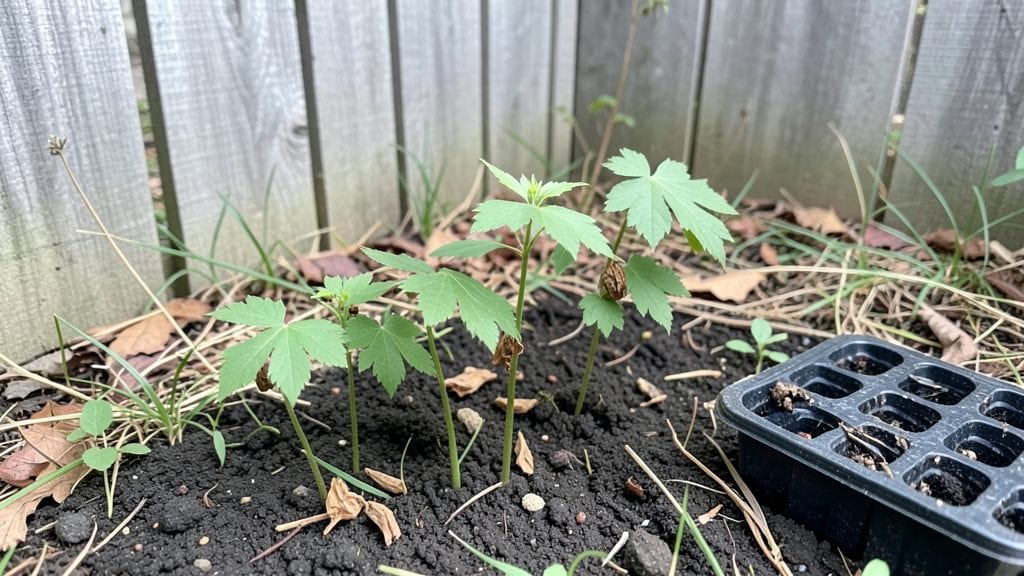
Growing maple tree seedlings in the Pacific Northwest means you're planting for decades of golden autumns. 🌿 The key to success starts with the right soil mix—sandy loam that drains well but holds moisture, exactly what sugar maples and red maples crave.
I learned this the hard way after my first seedlings struggled in heavy clay.
You'll need a sunny spot with at least 6 hours of direct light daily, though young seedlings tolerate partial shade better than most people realize. Spacing matters too—give them 12-18 inches apart when planting, with room to expand as they mature.
The first year is all about establishing roots, not rapid growth.
Watering is where many beginners trip up—too much causes rot, too little stunts growth. Aim for 1-2 inches of water per week, keeping the soil consistently moist but never soggy. Mulch around the base helps retain moisture and keeps roots cool during summer heatwaves.
By their second spring, you'll see vigorous new shoots—proof your seedlings are thriving. That's when you can start thinking about transplanting to larger containers or permanent planting spots. The real magic happens in years three through five when those iconic maple leaves first appear.
📚 In This Guide
- What you need
- Instructions
- Tips and common mistakes
- Wrapping up and next steps
What you need
- ● Maple tree seedlings or seeds: 1–5 seedlings (for small gardens) or 5+ (for larger spaces)
- ● Seeds (if starting from scratch): 10–20 seeds per planting area
- ● Well-draining soil: 50 lbs of loamy soil mixed with compost (ratio: 3:1)
- ○ Optional: Sand or perlite (10 lbs) for improved drainage
- ● Planting containers: 3–5 gallon pots (for seedlings) or a nursery bed (if planting directly)
- ○ Grow bags (optional, for mobility)
- ● Fertilizer: Balanced 10-10-10 fertilizer (1 lb per 10 sq ft)
- ● Slow-release organic fertilizer (e.g., fish emulsion, 1 quart)
- ● Mulch: 3–5 inches of wood chips or straw (to retain moisture)
- ● Hand trowel (for transplanting seedlings)
- ● Garden fork or spade (for soil prep)
- ● Watering can or hose (with adjustable nozzle)
- ● Pruning shears (for shaping young saplings)
- ● Gloves (to protect hands from thorns)
- ○ pH testing kit (optional, to check soil acidity—ideal: 6.0–7.0)
- ● Sunlight: Full sun (6+ hours daily) or partial shade (for younger seedlings).
- ● Water source: Consistent access to water (maples need 1–2 inches per week).
- ● Climate awareness: Plant in early spring (after last frost) or fall (6–8 weeks before first frost).
- ● Space: Minimum 20–30 feet apart for mature growth (account for root spread!).
How to grow cold-hardy maple tree seedlings in the Pacific Northwest
Here's the simple, reliable method I've used to establish strong maple seedlings that thrive in our rainy, cool climate.
🌱 Step 1: Collect and Stratify Maple Seeds Properly
Gather maple samaras (the winged seeds) in late fall when they've naturally fallen. Store them in a sealed container in the refrigerator for 90-120 days—this cold stratification mimics winter and breaks seed dormancy. I keep mine in a plastic bag with a damp paper towel to maintain moisture without rotting.
After stratification, fill a small container with moist seed-starting mix and press the seeds ½ inch deep. Place the container in a warm spot (65-75°F) and cover with plastic wrap. Germination takes 4-8 weeks, so be patient—you'll see tiny sprouts when the seed coat finally cracks open.
🪴 Step 2: Transplant Seedlings into Individual Pots
Once seedlings develop 2-3 true leaves and reach 2-3 inches tall, carefully transplant them into 4-inch pots filled with a mix of 50% potting soil and 50% perlite. This blend prevents compaction and mimics the well-draining forest floors where maples naturally grow.
Gently loosen the roots before placing each seedling in its new pot. Water thoroughly until water runs out the drainage holes, then place the pots in a shaded area. Maple seedlings are sensitive to transplant shock, so avoid direct sun for the first 2 weeks—you'll know they're adjusting when new leaves start forming.
☀️ Step 3: Acclimate to Outdoor Conditions Gradually
After 4 weeks in pots, begin hardening off by moving seedlings outside during the day and bringing them back in at night. Start with 2 hours of exposure and gradually increase by 1 hour daily until they can stay out overnight. This process takes 2-3 weeks total.
Choose a partially shaded spot for planting—young maples appreciate protection from harsh afternoon sun. Dig a hole twice as wide as the root ball but only as deep. Amend the native soil with compost to improve drainage, as maples hate soggy roots. Water deeply after planting to eliminate air pockets around the roots.
💧 Step 4: Maintain Consistent Moisture and Protection
Water seedlings 2-3 times weekly during the first growing season, keeping the soil evenly moist but not waterlogged. Mulch with 2-3 inches of wood chips to retain moisture and protect roots from temperature swings. I always check soil moisture by sticking my finger 1 inch down—if it feels dry, it's time to water.
Young maples are vulnerable to deer and rodents. Surround each seedling with a 6-inch tall wire mesh cage or use commercial tree guards. In the Pacific Northwest, we also protect against wind by planting near a fence or natural windbreak. You'll know your seedlings are thriving when they develop 4-6 leaves and show new growth each spring.
⏰ Step 5: Prune and Monitor for Healthy Growth
In early spring, remove any broken or diseased branches with clean, sharp pruners. Maple seedlings respond well to light pruning—cut back any leggy growth to encourage bushier development. I never prune more than 10% of the plant's height in the first year to avoid stressing the young tree.
Watch for signs of stress like yellowing leaves or stunted growth. These often indicate overwatering or nutrient deficiency. If you notice these symptoms, reduce watering slightly and apply a balanced fertilizer (10-10-10) at half strength. Healthy maple seedlings grow 12-18 inches annually—any slower growth suggests they need more sunlight or better-draining soil.
Tips & tricks for perfect maple tree seedlings in Pacific Northwest gardens
These simple but game-changing tips will help you grow resilient maple seedlings that thrive in our cool, wet climate.
Stratification Secret: The 90-120 day cold stratification period is non-negotiable for breaking maple seed dormancy. I've found that placing seeds in a sealed container with a damp paper towel mimics natural winter conditions perfectly. Don't skip this step—it's what triggers germination. If you're impatient, you can extend stratification up to 150 days, but 90-120 days is ideal for our region.
Transplant Timing: Wait until seedlings have developed 2-3 true leaves and reached 2-3 inches tall before transplanting. This ensures they have enough energy reserves for the transplant shock. I always check for these specific indicators rather than relying on time alone, as growth rates can vary. The 2-week shaded recovery period after transplanting is crucial—this gives roots time to establish without sun stress.
Hardening Off Strategy: The gradual 2-3 week hardening off process is where many seedlings fail. Start with just 2 hours of outdoor exposure and increase by 1 hour daily. I recommend doing this in the morning when temperatures are cooler. Watch for wilting as your signal—if leaves droop but perk up after watering, the seedlings are adjusting fine.
Soil Mix Matters: The 50% potting soil and 50% perlite mix is perfect for our rainy climate because it prevents compaction and mimics natural forest conditions. For outdoor planting, amend native soil with compost to create that ideal well-draining environment maples love. I've seen seedlings struggle when planted in pure native soil without this amendment—especially important in our heavy clay soils.
Pro Tips for Maple Tree Seedlings
- These simple but game-changing tips will help you grow resilient maple seedlings that thrive in our cool, wet climate.
- Stratification Secret: The 90-120 day cold stratification period is non-negotiable for breaking maple seed dormancy.
- Transplant Timing: Wait until seedlings have developed 2-3 true leaves and reached 2-3 inches tall before transplanting.
Frequently asked questions
Got questions about growing maple tree seedlings in the Pacific Northwest? You’re not alone! Here are answers to the most common queries to help you nurture thriving saplings.
When is the best time to plant maple tree seedlings?
The ideal window is late fall or early spring (October–March in the PNW). Planting in cooler months gives roots time to establish before summer heat. Avoid transplanting during frost or extreme drought—root systems need moisture to adapt. For container-grown seedlings, spring planting works too, but water deeply after transplanting.
How cold-hardy are maple seedlings, and can they survive PNW winters?
Most maple seedlings (like acer rubrum or acer saccharum) thrive in USDA Zones 3–7, handling winters down to -20°F (-29°C). Young saplings benefit from a 3-inch layer of mulch around the base to insulate roots. Watch for winter burn (dry, brown leaf edges)—water deeply before the first frost if soil is dry.
What’s the fastest way to tell if a maple seedling is healthy?
Check for three key signs:
- Vibrant green leaves (yellowing = overwatering; crisp edges = underwatering).
- Steady growth (2–4 inches per year for young seedlings).
- No wilting or oozing sap (a sign of disease or pest damage).
Can I grow maple trees from seed instead of seedlings?
Yes, but it’s slow and unpredictable—maple seeds take 1–2 years to germinate and grow into seedlings. For faster results, buy 1–2 year-old bare-root or container-grown seedlings from nurseries. If you’re DIY-ing, soak seeds in water for 24 hours before planting in moist, well-draining soil.
What pests or diseases should I watch for in PNW maple seedlings?
Common threats include:
- Aphids (clustered on new growth—blast off with water or use insecticidal soap).
- Verticillium wilt (yellowing leaves, wilting; remove infected plants immediately).
- Scale insects (sticky residue on leaves; scrape off or use horticultural oil).
How long until a maple seedling becomes a mature tree?
Patience is key! Seedlings grow 1–2 feet per year under ideal conditions, reaching 10–15 feet in 5–10 years. Mature height varies by species (e.g., acer macrophyllum can hit 60+ feet!). Prune strategically in late winter to shape growth and remove weak branches.
Wrapping up and next steps
Growing maple tree seedlings in the Pacific Northwest is a rewarding journey that blends patience with the beauty of nature. With the right soil, sunlight, and care, these cold-hardy trees will thrive and become a stunning centerpiece in your garden. 🌳
Now that you’re equipped with the knowledge, take the next step—plant your seedlings this season! Whether you’re a beginner or an experienced gardener, every little effort nurtures a future full of vibrant foliage and sweet memories. Happy planting! 🌱