
Trees
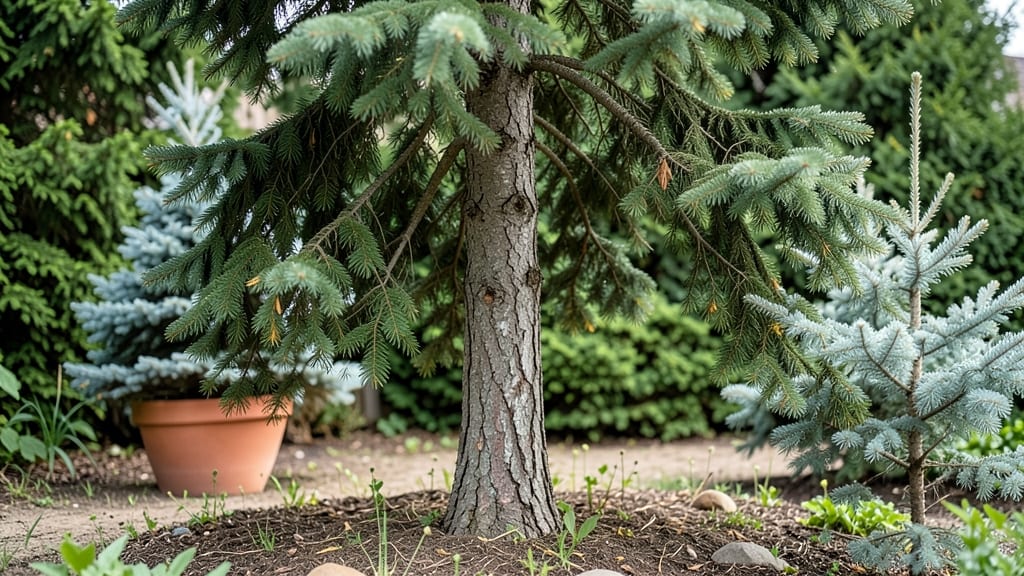
With types of Christmas trees ranging from fragrant Fraser firs to sturdy Nordmanns, finding the perfect one means blending holiday charm with lasting appeal—here’s how I’ve learned to pick the best. 🌲 I’ve spent years growing these evergreens, and the Fraser fir—with its rich, sweet scent and lush branches—still steals the show every December.
The key is matching your climate to the tree’s needs: some thrive in cold winters, while others prefer milder zones.
Most Christmas trees fall into three categories: fragrant, durable, or ornamental. Fraser firs and Douglas firs hold their needles best, while Norway spruces boast those classic blue-green hues.
Planting them in well-draining soil and giving them space to grow ensures they’ll be showstoppers for years—not just one season. A little winter prep (like mulching) keeps them healthy through the holidays.
By spring, you’ll have a living centerpiece that doubles as wildlife habitat, with birds nesting in the branches and pollinators buzzing around. The best part? These trees grow into stunning landscapes, not just temporary decorations.
Whether you’re in Zone 3 or 7, we’ll help you pick the perfect evergreen for your yard.
Fair warning: once you plant one, you’ll never go back to plastic again. The scent alone—especially after a fresh snowfall—makes it worth the wait. Let’s get growing!
📚 In This Guide
- What you need
- Instructions
- Tips and common mistakes
- Wrapping up and next steps
What you need
- ● Main Structure: 1 tree base (wooden stand, bucket, or potted planter—depending on tree type)
- ● Branches: 10–20 fresh or artificial pine, spruce, or fir branches (6–12" long, flexible but sturdy)
- ● Decorative Extras: 1–2 star or angel topper (lightweight for DIY trees)
- ● Assorted ornaments (50–100, mix of sizes/colors)
- ● 1 roll garland or ribbon (10–15 ft, festive colors)
- ● 1–2 battery-operated fairy lights (warm white or multicolor, 50+ bulbs)
- ○ Optional (For Extra Magic!): 1 spray bottle (for misting fresh branches)
- ● 1 hot glue gun + glue sticks (for securing branches)
- ● 1 flocking spray (for a snowy effect)
- ● 1 small fan (to dry fresh branches faster)
- ● Artificial Trees: 1 tree stand (water-resistant for fresh trees or sturdy for artificial)
- ○ 1 tree skirt (optional but festive!)
- ● 1 light set (if not pre-lit)
- ● Living Trees (Potted): 1 tree guard (to protect walls/floors)
- ● 1 watering can (for fresh trees)
- ● 1 fertilizer (slow-release for potted trees)
- ● Prerequisites for All Trees: ✅ Clear workspace (8–10 ft tall, unobstructed)
- ● ✅ Helper hands (for lifting/balancing)
- ● ✅ Ladder (if decorating high branches)
Step-by-step guide to selecting the perfect Christmas tree
Finding your ideal evergreen showstopper starts with knowing what makes each type special.
🌲 Step 1: Determine Your Tree Size and Space Needs
Measure your ceiling height first—most trees need 8-10 feet to reach the ceiling without scraping. A 6-foot tree fits cozy spaces, while 10-12 footers dominate grand rooms. I always add 2 extra feet to my height measurement to account for the stand and decorations.
Consider your floor space too. A 4-foot diameter tree fits snugly in small living rooms, while 6-footers need at least 8 feet of clearance for ornaments and lights. If your ceiling is low, a slant-top tree saves space by growing upward instead of outward.
☀️ Step 2: Choose Between Evergreen Types Based on Needle Retention
For long-lasting freshness, Fraser firs and balsam firs hold their needles 4-6 weeks after cutting. Their strong branches support heavy ornaments without bending. I swear by Fraser firs—they smell amazing and stay green until New Year's.
If you want natural fragrance, Douglas firs release a piney, citrusy scent that fills the room. Their soft needles are gentler on skin but shed faster—expect 3-4 weeks of peak freshness. For low-maintenance, Scotch pines have stiff, prickly needles that stay put but lack that classic Christmas aroma.
🪴 Step 3: Decide Between Real or Artificial Based on Your Lifestyle
A real tree needs daily watering (check the stand weekly) and fresh cutting every 7-10 days to prevent drying. I always buy mine 2-3 days before decorating—this gives roots time to rehydrate after transport. Look for a fresh cut stump (green inside) when selecting.
An artificial tree saves time but requires annual storage and dusting before use. Pre-lit trees add convenience but need light bulb checks before the season. I recommend PE-fiber trees for durability—they mimic real branches perfectly and last 10+ years with proper care.
✂️ Step 4: Test for Freshness Before Bringing It Home
Gently pull a few needles—if they don't snap but bend slightly, the tree is fresh. Tap the trunk on the ground; 5-10 green needles should fall. Avoid trees with yellow or brown needles at the tips or sap dripping from branches.
For pre-lit trees, plug them in before purchasing. Missing or flickering lights mean replacement costs before the season starts. I always bring a small flashlight to inspect the tree in dim lighting—hidden defects become obvious under focused light.
🎄 Step 5: Prepare Your Space for Decorating Day
Clear a 3-foot radius around the tree base for easy access. Lay down drop cloths to catch needle fallout—trust me, you'll thank yourself later. I like to pre-fluff branches by gently shaking them upward before decorating to create a fuller look.
For real trees, fill the stand immediately with 1 gallon of water and tree preservative. Check water levels daily—a tree drinks 1 quart per hour in a warm room. Artificial trees need lightweight ornaments to prevent branch bending over time.
Tips & tricks for perfect Christmas tree selection
These expert tips will help you choose the perfect evergreen showstopper that brings holiday cheer to your home.
Space Planning Pro Tip: When measuring for your tree's height, remember that most stands add 2-3 inches to the total height—this is why I always add that extra foot to my ceiling measurement. For slant-top trees, account for the upward growth pattern by measuring from the base to the highest point, not just the trunk height. This ensures your tree fits beautifully without scraping ceilings or crowding your space.
Fragrance and Freshness Insight: If you're choosing between Fraser firs and Douglas firs based on scent, try this trick: Gently crush a few needles between your fingers. Fraser firs release a sweet, vanilla-like aroma, while Douglas firs have that classic piney-citrus fragrance. For maximum freshness, select trees with the darkest green needles and avoid any with brown tips—this is the first sign of drying.
Artificial Tree Care Hack: When storing your artificial tree between seasons, wrap it in a breathable cotton sheet instead of plastic. This prevents moisture buildup that can lead to mold and mildew. For pre-lit trees, store with the lights plugged in to prevent bulb connections from drying out. I also recommend placing silica gel packets in the storage box to absorb any remaining moisture.
Fresh Cut Test Secret: The fresh cut stump test is your best friend! When selecting a real tree, look for a light green or white center when you cut a small section of the trunk. This indicates the tree was recently cut and will stay fresh longer. Pro tip: Ask your tree lot when they received their shipment—trees cut within the last 24 hours will last the longest through the holidays.
Pro Tips for Types Of Christmas Trees
- These expert tips will help you choose the perfect evergreen showstopper that brings holiday cheer to your home.
- Space Planning Pro Tip: When measuring for your tree's height, remember that most stands add 2-3 inches to the total height—this is why I always add that extra foot to my ceiling measurement.
- Fragrance and Freshness Insight: If you're choosing between Fraser firs and Douglas firs based on scent, try this trick: Gently crush a few needles between your fingers.
Frequently asked questions
Got questions about picking the perfect Christmas tree? You’re not alone! Here are some of the most common queries to help you navigate the evergreen maze with confidence.
What’s the best type of Christmas tree for families with pets or kids?
Opt for artificial trees if you have curious pets or little ones—they’re petal-free and won’t shed needles like real trees. For live trees, Douglas firs or Frassier firs are softer on skin and less likely to cause allergies. Always supervise pets around real trees to avoid needle-snacking mishaps!
When is the ideal time to buy a real Christmas tree?
For the freshest pick, visit a lot 1–2 weeks before Christmas (late November to early December). Trees last longer if stored in a cool, dry place before decorating. Pro tip: Tap the trunk—if it sounds hollow, it’s thirsty and past its prime!
Are artificial trees worth the investment?
Artificial trees save money long-term (last 5–10+ years) and skip the annual hassle of cleanup. Look for PE (polyethylene) or PVC needles—they’re durable and realistic. Budget-friendly options start around $100, while premium trees (with lights/ornaments) can run $300+. Verdict: Worth it if you hate winter chores!
Can I reuse a real Christmas tree after the holidays?
Yes! Many cities offer tree-recycling programs (check local guidelines). You can also chop it for firewood, compost the needles, or repurpose branches as mulch. Skip the landfill: Real trees biodegrade and support wildlife—just remove all decorations first!
Why does my tree drop needles so fast?
Needle drop is normal, but excessive shedding (over 50 needles/day) signals thirst or stress. Keep your tree in a stable, water-filled stand (check daily!) and away from heat sources like fireplaces. For artificial trees, ensure the branches aren’t tangled—this can cause premature needle loss.
What’s a good alternative if I can’t get a traditional tree?
No problem! Try a potted tree (like a Norfolk Island pine) for a reusable option, or go bold with a living wall, garland centerpiece, or even a DIY "tree" made from books or branches. For minimalists, LED tree projections on walls create a magical effect without the mess!
Wrapping up and next steps
From classic evergreens like the Fraser fir to unique alternatives like the Norfolk Island pine, there’s a Christmas tree to match every style and space.
Whether you love the traditional scent of pine or the low-maintenance charm of a potted tree, the perfect tree is out there waiting to spark your holiday joy!
Ready to bring home your dream tree? Start by checking local nurseries or online retailers—and don’t forget to measure your space first! 🎄✨ Happy decorating!