
Pruning
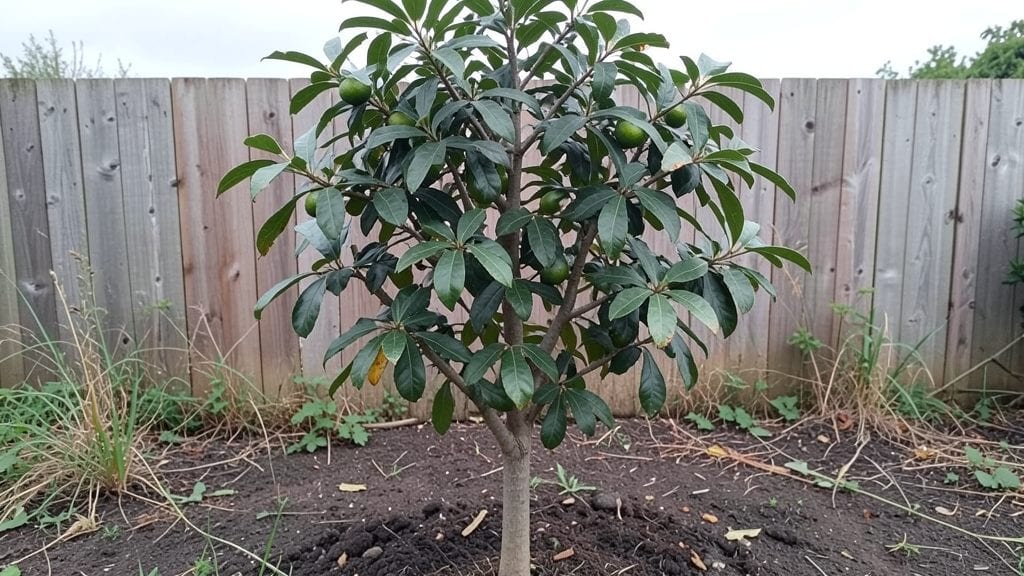
Proper curry tree care is the key to keeping its fragrant leaves lush—pruning isn’t just about shaping, but about encouraging dense growth and maximizing those aromatic treasures year-round. 🌿 leaves everyone loves for cooking.
The key is timing: a little maintenance in early spring, mid-summer shaping, and light touch-ups in fall keep the tree compact and productive.
You’ll need sharp pruning shears, a clean workspace, and about 30 minutes to start. Curry trees respond best to pruning just after new growth appears in spring, but you can also trim back leggy branches in summer to maintain that bushy shape.
The goal is to remove no more than 25% of the foliage at once—any more risks stressing the tree. For best results, always cut just above a leaf node where new growth can sprout.
What you’ll end up with is a tree that stays vibrant green all year, with leaves so fragrant they’ll make your kitchen smell like a spice market. The pruning also opens up airflow, reducing the risk of fungal issues and keeping pests at bay.
Plus, you’ll harvest more leaves for your curry dishes—imagine fresh, homegrown spice whenever you need it.
This method works for both container-grown curry trees and those planted in the ground, though potted trees may need slightly more frequent trimming. Whether you’re growing in Zone 10-11 or bringing it indoors for winter, the same pruning principles apply.
Let’s get those shears ready—your tree’s best look is just a cut away.
📚 In This Guide
- What you need
- Instructions
- Tips and common mistakes
- Wrapping up and next steps
What you need
- ● Pruning shears: Sharp, bypass-style shears (for clean cuts) or anvil-style for thicker branches. Size: 6-8 inches for general pruning.
- ● Loppers: For branches ½ to 1½ inches thick. Quantity: 1 pair.
- ● Pruning saw: Curved-tooth saw for branches 1½+ inches thick.
- ● Gloves: Heavy-duty, cut-resistant gloves (e.g., mechanic’s gloves or gardening gloves with Kevlar).
- ● Disinfectant: 70% isopropyl alcohol or bleach solution (1 part bleach to 9 parts water) to sterilize tools between cuts.
- ○ Pruning sealant: Optional but helpful for larger cuts (e.g., tree wound paint or pruning wax).
- ● Bucket or bag: For collecting pruned debris (10-20 gallon capacity).
- ● Ladder or step stool: Sturdy, non-slip for reaching higher branches. Height: Adjustable or 6-10 feet tall.
- ● Hand pruners with ratchet: For easier leverage on stubborn branches.
- ● Extension pole saw: For high branches without a ladder.
- ● Plant food: Balanced fertilizer (10-10-10) for post-pruning nourishment.
- ● Mulch: Organic mulch (2-4 inches) to retain moisture and suppress weeds.
- ● Safety glasses: To protect from debris or sap splashes.
Step-by-Step pruning for a thriving curry tree
Here’s how to keep your curry tree lush and fragrant year-round with simple, effective pruning.
✂️ Step 1: Prune for Shape in Late Winter
Use sharp, sterilized pruning shears to remove any dead, damaged, or crossing branches first. Curry trees respond well to shaping, so I focus on creating an open center that lets light and air circulate. Cut just above a leaf node or outward-facing bud to encourage new growth in the right direction.
This is also the time to thin out overly dense areas—aim for a balanced silhouette. You’ll see fresh, vibrant new leaves emerging within weeks, signaling healthy regrowth. Avoid heavy pruning in winter if your tree is in a cold climate; wait until spring instead.
🌿 Step 2: Light Pruning in Spring for Bushier Growth
Once new growth appears in spring, trim back any leggy or overgrown stems by about one-third to encourage bushier foliage. Curry trees grow best with regular light pruning rather than drastic cuts. Focus on the outer edges to maintain a rounded shape and prevent the tree from becoming top-heavy.
Here’s the thing—curry trees bloom on new wood, so pruning now stimulates fragrant flowers later in the season. Watch for tender new shoots; they’ll tell you where to focus your efforts. If you notice yellowing leaves, it’s a sign of overwatering or poor drainage—adjust care before pruning.
☀️ Step 3: Summer Maintenance for Airflow and Light
During the growing season, remove any branches that rub against each other or block sunlight from reaching the center. Curry trees thrive in bright, indirect light, so prune to maintain an open canopy. Snip off any flowering stems after they fade to redirect the plant’s energy into foliage growth.
This is the moment that matters: prune in the morning on a dry day to minimize stress on the tree. You’ll see a noticeable difference in leaf density within a few weeks. Avoid heavy pruning now—just tidy up to keep the tree looking its best.
⏰ Step 4: Minimal Pruning in Fall to Prepare for Dormancy
In late fall, do a light cleanup by removing any dead or diseased branches. Curry trees are evergreen in warm climates, so they don’t need drastic pruning. Focus on shaping and removing any weak growth that might not survive winter if you’re in a cooler zone.
Real talk: if your tree is indoors, reduce watering as growth slows in fall. Prune lightly to remove any crowded branches, and you’ll set it up for vibrant new growth in spring. Avoid pruning too close to winter—give the tree time to recover before dormancy sets in.
Tips & tricks for perfect curry tree pruning
A few simple tricks will help you transform your curry tree into a fragrant, lush beauty that thrives all year long.
Tool Preparation: Sterilize your pruning shears with rubbing alcohol before each use to prevent spreading disease between cuts. I learned this the hard way after seeing my tree develop brown spots from contaminated tools. Sharp shears make clean cuts that heal faster—dull blades crush stems, inviting infections.
The One-Third Rule: When pruning in spring (Step 2), never remove more than one-third of the foliage at once. This keeps your tree healthy while encouraging bushier growth. I always focus on the outer edges first to maintain that perfect rounded shape. Think of it like giving your tree a haircut—you want to enhance its natural beauty, not ruin it!
Seasonal Timing Secret: Late winter pruning (Step 1) is all about shaping, while spring pruning (Step 2) stimulates new growth. Summer maintenance (Step 3) is just about tidying up—never do heavy pruning during active growth. I schedule my pruning sessions around the full moon for best results (yes, really!), but the seasons are what truly matter.
Post-Pruning Care: After each pruning session, give your tree a light fertilizer application to support new growth. I use a balanced 10-10-10 formula diluted to half strength. Water thoroughly after pruning to help the tree recover, but avoid overwatering—yellowing leaves often mean you're watering too much, not too little!
Pro Tips for Curry Tree Care
- A few simple tricks will help you transform your curry tree into a fragrant, lush beauty that thrives all year long.
- Tool Preparation: Sterilize your pruning shears with rubbing alcohol before each use to prevent spreading disease between cuts.
- The One-Third Rule: When pruning in spring (Step 2), never remove more than one-third of the foliage at once.
Frequently asked questions
Got questions about keeping your curry tree thriving? Here are some of the most common concerns—and their answers—to help you master year-round care with ease!
How often should I prune my curry tree?
Prune your curry tree lightly every 3–4 months to encourage bushier growth and better air circulation. Focus on removing dead or overcrowded branches in late winter or early spring. Avoid heavy pruning in fall, as it can stress the tree before winter. Pro tip: Use clean, sharp shears to prevent disease!
Can I prune my curry tree in winter?
Yes, but lightly! Winter is ideal for structural pruning—shape the tree and remove damaged branches—but avoid heavy cuts. Cold snaps can stress the tree, so wait until late winter (just before new growth starts) for best results. If you must prune in winter, do it on a mild day.
What do I do if my curry tree leaves turn yellow?
Yellow leaves usually signal overwatering or nutrient deficiency. Let the soil dry out between waterings, and fertilize with a balanced, citrus-friendly formula (like 6-6-6) in spring and summer. If yellowing persists, check for pests like spider mites or fungal issues—treat with neem oil if needed.
Is curry tree pruning different indoors vs. outdoors?
Yes! Outdoor trees can handle more aggressive pruning (like removing large branches) and benefit from seasonal adjustments. Indoor trees need gentler pruning—focus on shaping and removing only dead growth to avoid stress. Both thrive with regular dusting of leaves (use a damp cloth!) to keep them lush.
Can I propagate my curry tree from pruned cuttings?
Take 4–6 inch cuttings from healthy branches, dip in rooting hormone, and plant in well-draining soil. Keep the soil moist (not soggy) and place in bright, indirect light. Roots should form in 4–8 weeks. Pro tip: Use a humidity dome or plastic bag to speed up rooting!
Still stumped? Drop your question in the comments—we’re happy to help your curry tree stay happy and fragrant year-round!
Wrapping up and next steps
Caring for your curry tree is a rewarding journey that brings fragrant foliage and lush growth to your garden year-round! With the right pruning techniques—like seasonal trimming, shaping, and propagation—you’ll keep your tree healthy, vibrant, and full of aromatic leaves.
Remember, consistency is key, so schedule regular check-ins and enjoy the sweet, citrusy scent it brings to your space.
Ready to elevate your green thumb game? Grab those pruners and get started! Whether you’re a pruning pro or just beginning, every snip brings you closer to a thriving curry tree. Happy gardening! 🌿✨