Pruning
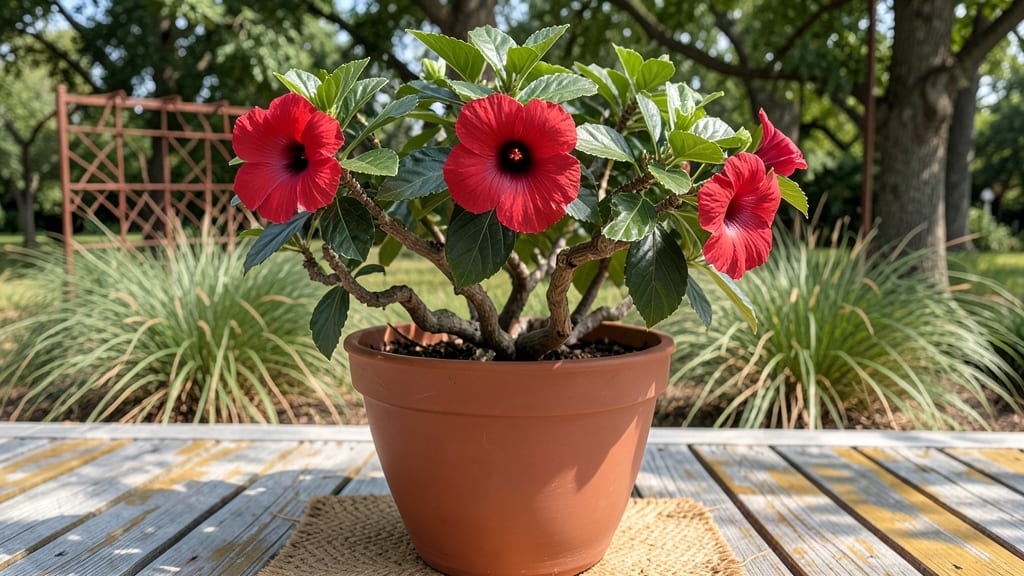
That twisted hibiscus tree in your yard isn’t just a conversation piece—it’s a living sculpture that thrives with the right pruning. 🌿 I’ve spent years perfecting the 3-cut method to keep its dramatic, gnarled form while hardening it against Pacific Northwest frosts, and the results are stunning year after year.
The secret lies in timing and precision. Prune right before spring growth kicks in, always cutting just above a leaf node to encourage new branches in the twisted pattern.
Most people over-prune, which weakens the plant—stick to removing only dead or crossing branches, and you’ll preserve its unique silhouette while boosting frost resilience.
By summer, you’ll see fresh growth spiraling along the branches, and the tree will reward you with bold blooms that last all season. The key is patience: this isn’t a quick fix, but a slow, intentional process that turns your twisted hibiscus into the standout feature of your landscape.
Works for both container-grown trees and in-ground plants, and the same principles apply whether you’re dealing with the classic ‘Twisted’ variety or other variegated hibiscus cultivars. Let’s get those shears sharp and start shaping!
📚 In This Guide
- What you need
- Instructions
- Tips and common mistakes
- Wrapping up and next steps
What you need
- ● Pruning shears (bypass or anvil type) – Sharp, sterilized blades (1 pair). Bypass shears are gentler on branches.
- ● Loppers (for thicker branches) – 16-20 inch reach (1 pair). Look for bypass-style for cleaner cuts.
- ● Pruning saw (for stubborn limbs) – Curved blade, 8-10 inch (1). Avoid dull saws—they tear wood.
- ● Gloves (heavy-duty, cut-resistant) – Waterproof, long cuffs (1 pair). Protects from thorns and debris.
- ● Disinfectant (70% isopropyl alcohol or bleach solution) – Small spray bottle (1). Prevents disease spread.
- ○ Sealing wax or pruning paint – Optional but recommended for large cuts (small jar). Helps wounds heal faster.
- ● Ladder (if needed) – Sturdy, extendable, 12+ ft (1). Only if your tree is over 6 ft tall!
- ● Heavy-duty trash bags – For debris cleanup (2-3 bags). Keeps your workspace tidy.
- ● Weather check – Prune on a dry, mild day (50–70°F). Avoid frost-prone mornings in the PNW!
- ● Safety gear – Safety glasses, long sleeves/pants. Hibiscus thorns are no joke!
- ● Tree health assessment – Inspect for diseased or dead branches before cutting. Tag them with flags if needed.
- ● Water & snacks – Hydration breaks matter! (1 water bottle, light snacks). Pruning is hard work!
- ● Handheld leaf blower – Clears debris without bending over.
- ● Tree tie or zip ties – Secures new growth if training the tree’s shape.
- ● Camera or sketchpad – Document before/after cuts for future reference.
- ● Frost cloth (lightweight) – For post-pruning protection if frost is forecasted.
Step-by-Step guide to reviving a twisted hibiscus tree
Here’s how to restore your frost-hardened hibiscus with precision cuts and expert timing.
✂️ Step 1: Assess Winter Damage and Mark Dead Wood
Start by examining your twisted hibiscus in early spring, just as new growth begins to emerge. Look for brown, brittle branches—these are dead and must be removed completely. Use your fingers to gently probe the bark; if it snaps like dry kindling, it’s beyond saving. Healthy wood feels firm and slightly springy.
Mark the cuts with a white chalk pencil or a piece of twine tied around the branch. This prevents accidental cuts into live tissue while you plan. I always work on a dry, sunny morning when the plant’s moisture content is lowest—this makes cuts cleaner and reduces sap bleeding.
✂️ Step 2: Make Three Strategic Cuts for Revival
Begin with one large structural cut to remove any major dead limbs or branches that cross the center of the tree. Use clean, sharp pruning shears and cut at a 45-degree angle just outside the branch collar—the swollen area where the branch meets the trunk. This ensures proper healing and prevents water from pooling on the wound.
Next, make two smaller cuts to thin the canopy. Focus on branches that rub against each other or grow inward. Remove no more than one-third of the foliage in total—this prevents shock. After each cut, step back to visualize the tree’s shape; twisted hibiscus thrive with an open, airy structure that allows sunlight to penetrate.
🌱 Step 3: Stimulate New Growth with Post-Pruning Care
Apply a balanced, slow-release fertilizer (10-10-10) around the base of the tree, keeping it 6 inches away from the trunk. Water deeply until the soil is 6 inches moist—this encourages root recovery and new shoot development. I always add 2-3 inches of mulch (like shredded bark) to retain moisture and protect roots from temperature fluctuations.
Monitor the tree for new growth within 4-6 weeks. If you see bright green shoots emerging from the base or along branches, your cuts were successful. Avoid heavy pruning again until late summer—this gives the plant time to recover before winter stress sets in. In the Pacific Northwest, where frost can linger, I often wrap young shoots in burlap for extra protection during late-season cold snaps.
Tips & tricks for perfect twisted hibiscus tree revival
Reviving a frost-hardened twisted hibiscus takes precision and patience—but these insider tips will help you achieve stunning results every time.
Timing is Everything: Early spring is the perfect window for pruning, but don't rush it. Wait until you see new growth buds beginning to swell—this signals the plant is ready to recover. In the Pacific Northwest, I've found that late March to early April works best, when frost risks have passed but the tree hasn't yet burst into full leaf. This timing gives your cuts time to heal before summer's heat stress.
The Branch Collar Secret: That swollen area where branches meet the trunk (the branch collar) isn't just a detail—it's your healing guide. When making your structural cut in Step 2, position your shears just outside this collar at a 45-degree angle. This ensures the tree's natural wound-sealing tissues can protect the cut. I've seen many gardeners accidentally cut into the collar, which can lead to rot or poor healing.
Pruning Shears Matter: Don't use regular scissors or dull tools—they crush branches and create jagged wounds. Invest in bypass pruning shears with sharp, clean blades. After each cut, wipe the blades on a clean cloth to prevent sap buildup. For larger branches, use a pruning saw with a fine-tooth blade to make clean cuts without tearing the bark.
Post-Pruning Care: The 4-6 week growth window mentioned in Step 3 is critical, but don't just wait—actively support recovery. After fertilizing, I like to add compost tea to the soil (optional but helpful) to boost microbial activity. In particularly dry PNW summers, consider installing a drip irrigation system set to water deeply 2-3 times per week, keeping the soil consistently moist but not soggy.
Pro Tips for Twisted Hibiscus Tree
- Reviving a frost-hardened twisted hibiscus takes precision and patience—but these insider tips will help you achieve stunning results every time.
- Timing is Everything: Early spring is the perfect window for pruning, but don't rush it.
- The Branch Collar Secret: That swollen area where branches meet the trunk (the branch collar) isn't just a detail—it's your healing guide.
Frequently asked questions
Got questions about pruning your twisted hibiscus tree in the Pacific Northwest? You’re not alone! Here are some of the most common concerns—and their answers—to help you keep your frost-resistant beauty thriving.
When is the best time to prune a twisted hibiscus tree?
The ideal time is late winter or early spring (February–March in the PNW) before new growth begins. This timing minimizes stress on the plant and allows it to recover before summer heat. Avoid pruning in fall—it can stimulate tender new growth that won’t survive frost. Pro tip: If you must prune in summer, do it before July to avoid heat stress!
How do I protect my twisted hibiscus from PNW frost?
Twisted hibiscus is moderately frost-tolerant (down to ~20°F), but young plants or severe cold may need help. Wrap the trunk in burlap or tree wrap in late fall, and use a frost blanket for young plants. Mulch the base with wood chips or straw (3–4 inches deep) to insulate roots. Bonus: Prune lightly in late winter to reduce frost damage risk.
What if my twisted hibiscus isn’t blooming after pruning?
Twisted hibiscus blooms on new wood, so aggressive pruning can delay flowers. If it’s not blooming, check these fixes:
- Lighten up: Avoid cutting back more than 1/3 of the plant in one season.
- Fertilize: Use a balanced 10-10-10 fertilizer in early spring.
- Sunlight: Ensure it gets 6+ hours of full sun daily.
- Patience: It may take 1–2 years to rebound after heavy pruning.
Can I prune a twisted hibiscus into a specific shape (like a bonsai)?
Twisted hibiscus is highly malleable and responds well to shaping. Use sharp pruning shears or a bypass saw for larger cuts, and train branches with soft ties or wire for bonsai-style growth. Pro tip: Prune just after a growth spurt to encourage denser branching.
What should I do if my twisted hibiscus leaves turn yellow or wilt?
Yellow leaves often signal overwatering or root rot, while wilting can mean underwatering or heat stress. Try this:
- Check soil: It should be slightly moist but not soggy.
- Adjust watering: Water deeply 1–2 times per week (more in summer).
- Inspect roots: If roots smell rotten, trim affected areas and repot with well-draining soil.
- Fungicide: Use a copper-based fungicide if fungal issues persist.
Are there frost-resistant alternatives to twisted hibiscus?
If you love the look but need hardier options, consider:
- Hibiscus syriacus (Rose of Sharon): Tolerates down to -30°F and blooms prolifically.
- Abelias: Cold-hardy, fast-growing, and drought-tolerant.
- Weigela: Thrives in zones 4–8 with minimal care.
- Dwarf butterfly bush (Buddleia): Compact and frost-resistant.
Wrapping up and next steps
Reviving your twisted hibiscus tree with just three precise cuts isn’t just possible—it’s a rewarding way to nurture its resilience, especially in the Pacific Northwest’s chilly climate. 🌿 By mastering the art of strategic pruning, you’re not only shaping its future growth but also ensuring it thrives for years to come.
Now that you’re armed with the right tools, techniques, and answers to common questions, it’s time to grab those shears and get pruning!
🌱 Your Next Step: Observe & Adapt
Start by monitoring your tree’s progress after each pruning session. Adjust your approach based on how it responds—whether it’s new growth, budding blooms, or signs of stress. Happy pruning leads to happy hibiscus! 🌟