
Neem Oil
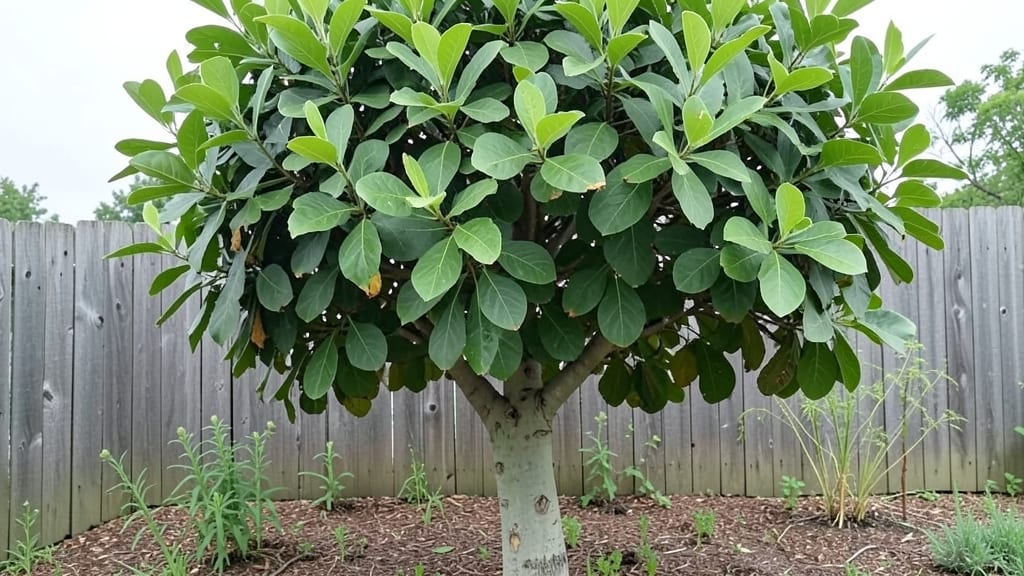
Growing tung oil trees in the Pacific Northwest means year-round shade and a tree that actually thrives in our damp winters. 🌿 I planted mine after struggling with soggy, failing evergreens—these trees just keep growing when others give up.
Their glossy leaves and sturdy branches make them a standout in any landscape, plus they handle our wet climate better than most.
You’ll need well-draining soil (they hate soggy roots) and a spot with full sun to partial shade. The trees tolerate cold down to 10°F, making them perfect for zones 7-9.
Start with a young tree from a nursery—transplanting mature specimens is risky. Once established, they grow 3-5 feet per year, so plan for space.
By summer, you’ll see their deep green, leathery leaves and sturdy trunk taking shape. In a few years, you’ll have a reliable canopy that outlasts most ornamentals. The bonus? Their wood and oil have practical uses too—just don’t expect instant harvests. Patience is key here.
Prune in late winter to shape the tree and remove dead branches. Watch for aphids, but these trees rarely have serious pests. In the PNW, they’re the low-maintenance workhorses of the landscape—beautiful, tough, and always growing.
📚 In This Guide
- What you need
- Instructions
- Tips and common mistakes
- Wrapping up and next steps
What you need
- ● Tung oil tree seeds or saplings: Seeds: 5–10 (for better germination odds)
- ● Saplings: 1–3 (pre-started, cold-hardy varieties preferred)
- ● Well-draining soil mix: 60% loamy soil (sandy or clay-loam ideal)
- ● 30% compost or aged manure
- ● 10% perlite or coarse sand (for aeration)
- ● Organic mulch: 2–3 inches of wood chips or straw (to retain moisture and regulate temperature)
- ● Slow-release fertilizer: 10-10-10 or 5-5-5 NPK blend (1–2 lbs per tree)
- ● Hand trowel or transplanting spade (for digging)
- ● Garden fork (to loosen compacted soil)
- ● Watering can or hose with gentle nozzle (avoid over-saturation)
- ● Pruning shears (for shaping young trees)
- ○ pH testing kit (optional but helpful—ideal range: 5.5–6.5)
- ● Sunlight: Full sun (6+ hours daily) or partial shade (for milder PNW winters)
- ● Climate zone: USDA Hardiness Zones 7–10 (with winter protection for zones 6–7)
- ● Space: Mature trees need 20–30 feet apart (or container size: 15-gallon+ for potted growth)
- ● Water source: Drip irrigation or consistent watering schedule (especially in dry summers)
How to plant and care for tung oil trees in the Pacific Northwest
These fast-growing, cold-tolerant trees thrive with minimal fuss—here’s how to get them established right.
🌱 Step 1: Choose the Right Location and Prepare the Soil
Tung oil trees (Vernicia fordii) need full sun—at least 6 hours daily—but their USDA Zone 7-9 hardiness means they’ll handle Pacific Northwest winters better than most tropicals. Pick a spot with well-draining soil (they hate soggy roots) and 6-8 feet of clearance for mature branches. If your soil is heavy clay, mix in 2-3 inches of compost to improve drainage.
I like to dig a hole twice as wide as the root ball but only as deep. The top of the root ball should sit 1-2 inches above ground level—this prevents water pooling around the trunk. Loosen the sides of the hole with a shovel to encourage root spread.
🪴 Step 2: Plant and Water for Immediate Stability
Gently remove the tree from its container and tease the roots outward if they’re circling. Place it in the hole, then backfill with native soil, pressing lightly to eliminate air pockets. Water deeply right away—about 5 gallons—to settle the soil and eliminate gaps.
Mulch around the base with 2-3 inches of wood chips, keeping it 6 inches away from the trunk to prevent rot. Tung oil trees grow 3-5 feet per year, so their roots need consistent moisture. Water 2-3 times per week for the first month, then taper to once a week once established.
☀️ Step 3: Prune for Structure and Winter Hardiness
Young trees benefit from light pruning in early spring to shape their canopy. Remove dead or crossing branches first, then trim back any that rub against each other. Tung oil trees naturally grow oval-shaped, so I focus on opening the center for airflow—this reduces disease risk in damp PNW climates.
In late fall, give branches a light haircut (about 10-15% reduction) to encourage dense growth. They’ll handle 20°F dips once established, but young trees need winter protection—wrap the trunk with burlap if your zone dips below 15°F.
⏰ Step 4: Maintain Through the Seasons
Fertilize once in early spring with a balanced 10-10-10 formula—too much nitrogen makes them grow too fast, weakening wood. Tung oil trees produce edible seeds (used for oil), but don’t harvest until fall, when pods turn brown and split open naturally.
Watch for aphids in summer—they love new growth. Spray with neem oil if you see sticky residue on leaves. These trees are drought-tolerant once established, but young ones need deep watering every 10-14 days during dry spells. With proper care, they’ll give you year-round shade and a striking canopy in just a few years.
Tips & tricks for perfect tung oil trees in the Pacific Northwest
Here's what nobody tells you about getting these fast-growing trees off to the best possible start.
Location Intelligence: That 6 hours of full sun requirement is non-negotiable—these trees grow best when they get morning light and afternoon sun. In the PNW, south-facing slopes get the most consistent sun, but if your yard is shady, consider a west-facing spot where they'll still get several hours of direct light. I've seen them struggle in east-facing locations where morning fog lingers too long.
Soil Science: The 2-3 inches of compost recommendation is crucial for heavy clay soils common in the PNW. If you're unsure about your soil type, do a simple jar test: fill a jar with soil and water, then shake and let it settle. If you see distinct layers with a thick clay layer at the bottom, you definitely need that compost amendment. For sandy soils, you can reduce compost to 1 inch—just focus on improving moisture retention.
Planting Precision: That 1-2 inches above ground level for the root ball isn't just about drainage—it's about preventing trunk rot. In our damp climate, keeping the trunk slightly elevated helps water evaporate faster and discourages fungal growth. I like to mound a small ring of gravel around the base after planting to further improve drainage without altering the visual appeal.
Winter Prep Strategy: The 15°F threshold for burlap wrapping is important because that's when the tree's natural cold tolerance starts to break down. If you're in Zone 7, you might need that protection for the first couple of winters until the trunk thickens. For extra insurance, I've used tree wraps with built-in insulation that you can leave on for multiple winters—just remove them in early spring before new growth starts.
Pro Tips for Tung Oil Trees
- Here's what nobody tells you about getting these fast-growing trees off to the best possible start.
- Location Intelligence: That 6 hours of full sun requirement is non-negotiable—these trees grow best when they get morning light and afternoon sun.
- Soil Science: The 2-3 inches of compost recommendation is crucial for heavy clay soils common in the PNW.
Frequently asked questions
Got questions about growing tung oil trees in the Pacific Northwest? You’re not alone! Here are some of the most common queries—and their answers—to help you get started with confidence.
How cold-hardy are tung oil trees, and will they survive PNW winters?
Tung oil trees (Vernicia fordii) are surprisingly tough! They thrive in USDA Zones 7-10 but can tolerate brief dips to 15°F (-9°C) with proper care. In the PNW’s wet, mild winters, they often fare well—just plant in well-draining soil and mulch heavily to protect roots. Young trees may need winter wraps in harsh microclimates.
How long does it take for tung oil trees to mature and produce seeds?
Patience is key! Tung oil trees grow slowly in their first few years but typically reach mature seed production in 5–7 years. Optimal seed yield usually occurs between 10–15 years. Choose fast-growing cultivars like ‘Wuyi’ for quicker results, and ensure full sun (6+ hours daily) to boost growth and oil content.
Are tung oil trees expensive to grow, and what’s the cost breakdown?
Initial costs vary:
- Seedlings: $30–$80 each (mail-order or specialty nurseries).
- Soil amendments: $50–$150 for drainage mixes or compost.
- Long-term savings: Tung oil from your trees costs pennies per gallon vs. $20–$50/gal store-bought. Plus, they add value to land as shade/ornamental trees!
Pro tip: Start with 3–5 trees to ensure cross-pollination for seed production.
Can I grow tung oil trees in containers, or do they need ground planting?
While possible, container growth is tricky due to their size (30–50 ft tall/mature). If you must pot them:
- Use a 50+ gallon container with drainage holes.
- Repot every 2–3 years into larger pots.
- Expect slower growth and lower seed yields.
For best results, plant directly in the ground with 15–20 ft spacing for airflow.
What pests or diseases should I watch for in PNW tung oil trees?
Tung trees are generally pest-resistant, but watch for:
- Scale insects (sticky residue on leaves) – Treat with horticultural oil.
- Root rot (from soggy soil) – Improve drainage immediately.
- Fungal leaf spot (brown spots) – Prune affected leaves and space trees for airflow.
Prevention tip: Mulch with wood chips to deter pests and retain moisture without overwatering.
What are good alternatives if tung oil trees don’t thrive in my PNW climate?
If tung trees struggle, consider these cold-hardy oil-bearing options:
- Neem trees (Azadirachta indica) – Zones 10–11 (grow in containers or greenhouses).
- Black walnut (Juglans nigra) – Zones 4–9 (for walnut oil; allelopathic—keep away from veggies!).
- Hemp (Cannabis sativa) – Zones 5–9 (for CBD/hempseed oil; fast-growing annual/biennial).
For ornamental shade + minor oil, try Vernicia montana (a hardier relative, Zone 6).
Wrapping up and next steps
Tung oil trees are a game-changer for Pacific Northwest gardeners, offering year-round beauty, resilience, and practical benefits—from natural oil production to wildlife support. Whether you’re drawn to their glossy leaves, cold-hardy nature, or eco-friendly potential, these trees prove that sustainability and aesthetics go hand in hand. 🌿✨
Ready to plant your own? Start by researching local nurseries or seed suppliers, then sketch a spot in your garden where this hardy tree can thrive. With the right care, you’ll soon enjoy a stunning, low-maintenance centerpiece that keeps giving back to your landscape—and the planet!