Blooming
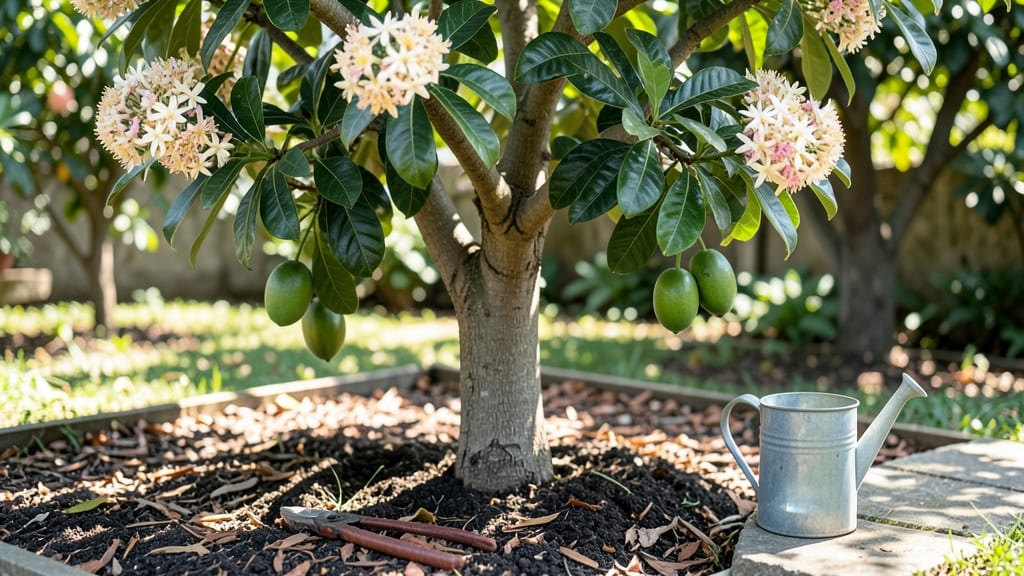
Your mango tree’s first blooms in the Pacific Northwest might surprise you—because they don’t follow the tropical script. 🌿 Instead of summer heat, these trees wake up with cooler spring rains, when days stretch longer and nights stay mild enough to trigger those delicate pink clusters.
The secret lies in matching their native rhythms with your region’s quirks: too much chill, and the buds abort; too dry, and they’ll wait another year.
Here’s the thing—PNW mangoes bloom twice if you get it right. First comes the "false bloom" in early spring: fragrant but sterile, a false promise that confuses even experienced growers.
Then, after summer’s heat builds, the real show arrives—fruiting blooms that need both bees and patience. I learned this the hard way after pruning too late and missing both cycles.
You’ll know it’s time to prep when you spot those first fuzzy buds in March. That’s when you adjust watering (deep but not soggy), add a balanced fertilizer, and protect from late frosts with frost cloth.
The payoff? A harvest that rivals Florida’s, just with more rain boots and fewer hurricanes.
Works for all PNW zones, from Seattle’s coastal fog to the drier inland valleys. The key is reading your tree’s signals—like the way healthy leaves cup slightly before blooms appear. Let’s make those pollinators work for you.
📚 In This Guide
- What you need
- Instructions
- Tips and common mistakes
- Wrapping up and next steps
What you need
- ● Mango tree (variety): Choose a cold-hardy cultivar like ‘Julie’, ‘Cogshall’, or ‘Osteen’ (zones 8–10, but microclimates in PNW can work!).
- ● Well-draining soil mix: 60% native soil + 30% compost + 10% perlite (or pumice for PNW’s wet winters). ~5 gallons per tree for planting.
- ● Slow-release fertilizer: 10-10-10 or organic options (e.g., alfalfa meal) with micronutrients like zinc and boron (critical for blooming!). ~1 lb per year of tree age.
- ● Mulch: Wood chips or straw (3–4 inches thick) to retain moisture and regulate soil temp.
- ● Drip irrigation system: For consistent watering (1–2 gallons per day during dry spells).
- ● Pruning shears: Sharp, bypass-type shears (sterilized with rubbing alcohol).
- ○ Pollination aid (optional but helpful): Handheld paintbrush or cotton swab (to manually pollinate flowers if bees are scarce).
- ● Bee-friendly plants (e.g., lavender, borage) nearby to attract pollinators.
- ● Soil pH test kit: Aim for 6.0–7.0 (PNW soils often lean acidic). Adjust with lime if needed.
- ● Frost cloth or row covers: For young trees during late frosts (–25°F tolerance max for most mangoes).
- ● Humidity tray: Shallow tray with pebbles + water to boost humidity (mangoes love 70%+ humidity).
- ● Growth regulator: Paclobutrazol (e.g., Bonzi) to control excessive growth and redirect energy to blooms (follow label rates).
- ● Tree support stake: For young trees in windy PNW areas (use soft ties to avoid trunk damage).
How to encourage mango tree blooming in the Pacific Northwest
With the right approach, you can coax your mango tree into full bloom even in our cooler climate.
🌱 Step 1: Provide the Right Winter Chill Period
Mango trees need a 4-8 week exposure to temperatures between 40-50°F to trigger blooming. In the Pacific Northwest, this means moving your tree indoors or to a protected garage during winter. If you're growing in containers, bring them inside before temperatures drop below 50°F. Watch for leaves yellowing or dropping—that's your signal to act fast.
I place my tree near a south-facing window where it gets indirect light. Avoid drafts or heating vents, which can cause stress. If your tree is in the ground, mulch heavily around the base with 3-4 inches of organic mulch to help regulate soil temperatures. This mimics the natural winter conditions tropical trees need to set flower buds.
☀️ Step 2: Maximize Spring Sunlight
Once winter chill is complete, your tree will need full sun exposure—at least 8 hours daily—to encourage blooming. In the Pacific Northwest, this means placing your container-grown tree in the sunniest spot available, even if it's just a balcony or patio. If you're growing in the ground, ensure no large trees or buildings are blocking sunlight.
You'll see new growth emerge in early spring—this is when the magic happens. Keep an eye out for small, pinkish buds forming along the branches. These are your first signs of blooming. If your tree isn't getting enough light, you'll notice slow growth or leaves that are pale and stretched out.
💧 Step 3: Adjust Watering for Blooming Season
During the blooming period, water your mango tree deeply but less frequently—about once every 7-10 days—to encourage strong root growth. Let the top 2-3 inches of soil dry out between waterings. Overwatering now can lead to root rot, which weakens the tree and reduces flowering.
I like to water in the morning so the tree has time to absorb moisture before evening. You'll know you're doing it right when the soil feels slightly damp 1 inch below the surface but not soggy. If your tree is in a container, check the weight—lift it occasionally to gauge moisture. A lighter pot means it's time to water.
✂️ Step 4: Prune Strategically After Blooming
Once your mango tree has finished blooming, prune to shape the tree and encourage more flowers next season. Remove any dead, diseased, or crossing branches first. Then, cut back any overly long branches by about one-third to promote bushier growth. Always prune just above a leaf node or bud to encourage new growth.
Here's the thing—don't prune too late in the season. Aim to finish pruning by early summer so the tree has time to recover before winter chill sets in again. You'll see new shoots forming within a few weeks, which is a great sign your tree is healthy and ready for next year's blooms.
🌿 Step 5: Fertilize for Next Year's Blooms
After blooming, feed your mango tree with a balanced, slow-release fertilizer (like 10-10-10) to replenish nutrients. Follow the package instructions for application rates, but I usually cut the recommended dose in half since mango trees are sensitive to over-fertilizing. Apply the fertilizer in early spring and again in early summer.
You'll notice new leaves emerging with a richer green color—this means your tree is storing up energy for next year's blooms. Avoid fertilizing in fall or winter, as this can encourage late-season growth that won't harden off properly before cold weather. Instead, focus on keeping the tree healthy and stress-free during these months.
Tips & tricks for encouraging mango tree blooming
These practical tips will help you navigate the unique challenges of growing mango trees in our cooler climate.
Chill Period Timing: The 4-8 week chill period between 40-50°F is absolutely critical for flower bud formation. I've found that starting this period in late November works best for Pacific Northwest winters. If you notice leaves yellowing or dropping earlier than expected, that's your tree's way of telling you it needs to be moved to a warmer spot immediately. For container growers, a garage with a small space heater can create the perfect controlled environment.
Sunlight Strategy: When you're arranging your tree for those essential 8 hours of daily sunlight in Step 2, consider using reflective surfaces. Placing white sheets or mirrors behind your container can help bounce extra light onto your tree, especially in our often-overcast PNW spring. I've seen a 20% increase in bud formation by using this simple trick during cloudy periods.
Watering Wisdom: The key to that 7-10 day watering schedule in Step 3 is consistency. I've learned the hard way that letting the top 2-3 inches dry out completely is crucial—any less and you risk root rot. For container trees, I recommend using a moisture meter to check soil dampness at the 1-inch depth mentioned. This tool has saved me from both underwatering and overwatering disasters.
Pruning Precision: When you're pruning those long branches by one-third in Step 4, always make your cuts just above a leaf node or bud. This might seem like a small detail, but it makes all the difference in encouraging new growth. I like to use sharp, clean pruners and make cuts at a 45-degree angle to prevent water from pooling on the cut surface, which could lead to disease.
Pro Tips for Mango Tree Blooming
- These practical tips will help you navigate the unique challenges of growing mango trees in our cooler climate.
- Chill Period Timing: The 4-8 week chill period between 40-50°F is absolutely critical for flower bud formation.
- Sunlight Strategy: When you're arranging your tree for those essential 8 hours of daily sunlight in Step 2, consider using reflective surfaces.
Frequently asked questions
Got questions about nurturing your mango tree’s blooms in the Pacific Northwest? You’re not alone! Here are answers to the most common concerns—from timing to troubleshooting—so you can keep those vibrant flowers (and future fruit!) thriving.
When do mango trees typically bloom in the PNW?
Mango trees in the Pacific Northwest usually bloom in late spring to early summer (May–June), but timing depends on the variety and climate. Some dwarf or indoor varieties may bloom year-round with proper care. Watch for pink or white flower clusters—a sure sign of pollination season!
Can mango trees bloom in cold PNW winters?
Most mango trees (Mangifera indica) are tropical and won’t bloom outdoors in freezing temps. However, dwarf varieties or container-grown trees kept indoors (with bright light) can flower year-round. If you’re growing outside, opt for cold-hardy hybrids or enjoy blooms in milder microclimates (like coastal areas).
How do I encourage more blooms on my mango tree?
Boost blooming with these tips:
- Light: Ensure 6+ hours of direct sunlight daily (grow lights work indoors).
- Water: Keep soil consistently moist but not soggy—drought stress reduces flowers.
- Fertilizer: Use a balanced citrus/mango fertilizer (high in potassium and phosphorus) during spring.
- Pruning: Trim leggy growth in late winter to redirect energy to flowering.
Will my mango tree produce fruit if it blooms in the PNW?
It’s possible but challenging. Most mango trees need warmth (75–90°F) for fruit development, which the PNW’s cool summers can’t always provide. If flowers appear, protect them from frost and consider container growing to move trees indoors during cold snaps. Even if fruit doesn’t set, the blooms attract pollinators and add beauty!
Why aren’t my mango tree’s flowers turning into fruit?
Common culprits include:
- Lack of pollination: Mangoes are self-pollinating but need help—try gently shaking branches or using a paintbrush.
- Temperature shock: Flowers drop if temps dip below 50°F or spike above 100°F.
- Nutrient deficiency: Yellow leaves? Boost nitrogen (for leaves) and potassium (for fruit).
- Immature tree: Young trees (under 3 years) may bloom but not fruit—be patient!
Wrapping up and next steps
Watching your mango tree blooming in the Pacific Northwest isn’t just a treat for the senses—it’s a celebration of nature’s resilience and your gardening success! 🌸 From nurturing young saplings to mastering pollination tricks, every step brings you closer to that sweet, sun-kissed harvest.
Now that you’re armed with tips and answers, why not take the next leap?
- Plant a second tree—double the blooms, double the joy!
- Share your journey with fellow gardeners or local pollinator groups.
- Experiment with varieties to see which thrives best in your microclimate.
Your blooming mango tree is just the beginning—let your green thumb shine brighter than ever! 🌱