
Blooming
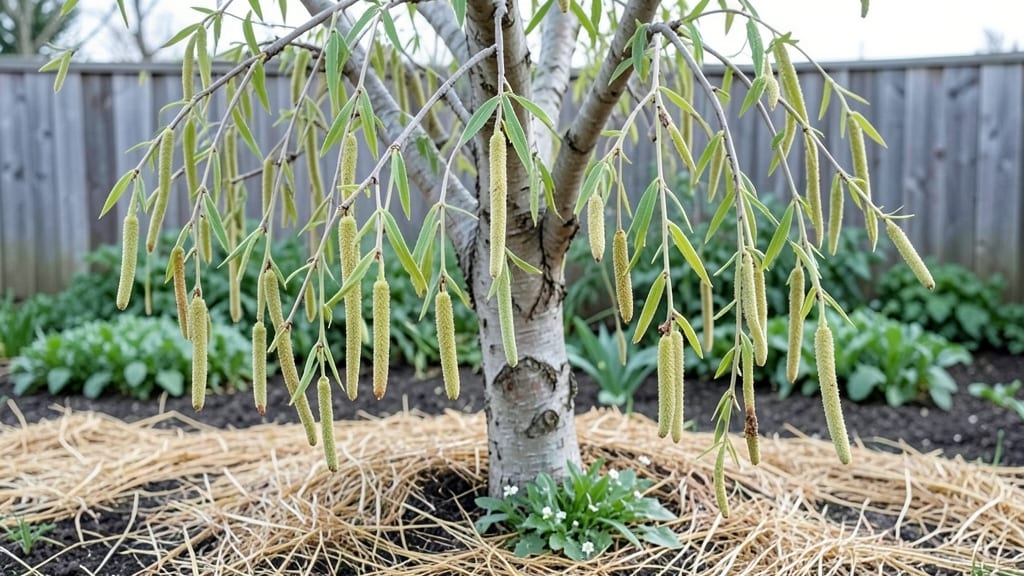
Nothing beats the drama of a tree with long, sweeping branches arching like nature’s own curtains over your garden. 🌿 In the Pacific Northwest’s damp, misty climate, these trees don’t just survive—they thrive, their branches heavy with year-round blooms that hummingbirds can’t resist.
I’ve seen willow’s silvery trails weeping over ponds and weeping cherry’s delicate pink fronds swaying in coastal breezes, both turning ordinary spaces into living art.
The right placement makes all the difference. Plant these trees near patios or garden benches where their branches create shade and shelter, or along driveways to frame entrances with graceful arcs.
Their long limbs also work as natural trellises for climbing roses or clematis, weaving together for a layered, romantic look. Just give them space—they’ll stretch and sway beyond what you expect.
You’ll end up with a garden that feels like a postcard: vibrant green foliage in summer, fiery reds in fall, and even winter interest from peeling bark or persistent berries.
Hummingbirds will hover constantly, their iridescent wings catching the light as they dart between branches laden with nectar. It’s the kind of beauty that makes neighbors stop and stare.
Works in both urban and rural settings—just match the tree to your space. Dwarf varieties fit small yards, while grand weeping willows dominate larger landscapes. The key is patience; these trees take time to reach their full, dramatic potential. Worth every wait, though.
📚 In This Guide
- What you need
- Instructions
- Tips and common mistakes
- Wrapping up and next steps
What you need
- ● Tree sapling: Choose a native species with long, arching branches (e.g., Oemleria cerasiformis, Cornus sericea, or Amelanchier alnifolia—Serviceberry). Size: 1–3 feet tall, 1–2 inches in diameter.
- ● High-quality potting soil: 5–10 gallons (mix with compost for native plants). Specs: Well-draining, slightly acidic (pH 5.0–6.5).
- ● Mulch: 2–3 cubic feet of organic mulch (cedar chips or wood shavings work well). Avoid: Dyed or chemically treated mulch.
- ● Hummingbird-friendly fertilizer: Slow-release, organic fertilizer (e.g., fish emulsion or bone meal). Amount: 1–2 tablespoons per plant.
- ○ Drip irrigation or soaker hose: 10–20 feet of tubing (for consistent moisture). Optional: Timer for automated watering.
- ● Garden shovel or trowel: For digging holes (6–12 inches wide, 2–3 times the root ball depth).
- ● Pruning shears: Sharp, sterilized shears for trimming dead branches or shaping.
- ● Gloves: Heavy-duty gardening gloves (to protect from thorns or rough bark).
- ● Wheelbarrow or bucket: For transporting soil, mulch, or tools.
- ● Measuring tape: To ensure proper spacing (10–15 feet between trees for mature growth).
- ● Native plant companion guide: Research pollinator-friendly plants (e.g., Symphoricarpos albus—Snowberry—to attract hummingbirds year-round).
- ● Bird bath or feeder: Place 3–5 feet from the tree for extra appeal. Pro tip: Use a shallow dish with fresh water!
- ● Erosion control fabric: For sloped or windy areas (prevents soil loss while planting).
- ● Soil pH test kit: Ensure your garden’s pH aligns with your tree’s needs (most PNW natives prefer slightly acidic soil).
How to select and care for Pacific Northwest trees that support hummingbirds
Here's how to choose and nurture trees with long, sturdy branches that hummingbirds adore.
🌱 Step 1: Choose the Right Tree Species for Hummingbirds
Native Pacific Northwest trees like Pacific Dogwood or Oregon Ash provide long, arching branches perfect for hummingbird perches. Look for species with horizontal branching habits—these create natural landing platforms. Avoid trees with dense foliage that blocks views of approaching predators.
I always check for red or pink spring blooms, which hummingbirds can't resist. Trees like Red Flowering Currant produce clusters of tubular flowers that match a hummingbird's beak perfectly. Plant in partial shade to full sun—most hummingbird-friendly trees thrive in 6-8 hours of sunlight daily.
☀️ Step 2: Plant in the Optimal Location
Position your tree where it gets morning sun and afternoon shade—this protects both the tree and hummingbirds from afternoon heat. Pacific Northwest summers can get surprisingly hot, and direct sun can stress both the tree and its tiny visitors.
Plant near a water source like a small pond or birdbath. Hummingbirds need to drink frequently, and they'll use your tree as a lookout point. I like to place trees 10-15 feet from windows—this gives you great viewing while keeping birds safe from collisions.
💧 Step 3: Water Deeply During Establishment
Newly planted trees need 1-2 gallons of water weekly for the first year. Water deeply, soaking the soil to 12 inches down—this encourages deep root growth. The Pacific Northwest's cool, damp climate means you won't need to water as frequently once established, but young trees still need consistent moisture.
I check soil moisture by pushing my finger 2 inches into the ground—if it feels dry, that's your signal to water. Overwatering is just as harmful as underwatering, so always let the top inch of soil dry between waterings. Mulch with 3 inches of wood chips to retain moisture and regulate soil temperature.
✂️ Step 4: Prune for Hummingbird-Friendly Structure
Prune in late winter or early spring before new growth begins. Remove any dead, crossing, or crowded branches first—these can weaken the tree and create unsafe perches. Leave the long, horizontal branches intact; these are where hummingbirds will rest and scout for insects.
Thin out dense areas to improve airflow and sunlight penetration. I aim to keep the tree's natural shape while ensuring at least 3-4 feet of clear space between major branches. This creates ideal resting spots for hummingbirds while maintaining the tree's structural integrity.
🌿 Step 5: Encourage Year-Round Blooms and Nectar
Many Pacific Northwest native trees bloom in spring, but you can extend the nectar season by planting companion shrubs like Salal or Ocean Spray. These provide additional food sources when your tree isn't in bloom. I also add a few hummingbird feeders in late summer to supplement natural nectar.
Leave seed heads and dried flowers on the tree through winter—they provide winter food for birds and shelter for insects that hummingbirds eat. The tree's long branches create perfect vantage points for hummingbirds to watch for predators while they feed.
Tips & tricks for perfect hummingbird-friendly trees
Creating the ideal hummingbird habitat starts with the right choices—and these small details make all the difference.
Species Selection Tip: When choosing between Pacific Dogwood and Oregon Ash, I always opt for Pacific Dogwood first. Its horizontal branches create perfect perches, and the spring blooms are irresistible to hummingbirds. If you're planting near a garden, Red Flowering Currant is my top pick—its tubular flowers match hummingbird beaks perfectly, and the berries provide extra food later in the season.
Location Strategy: The morning sun and afternoon shade recommendation in Step 2 is crucial for both the tree and the birds. I've noticed hummingbirds prefer these spots too—they're cooler and safer from predators. For extra appeal, plant near a water feature; hummingbirds will use your tree as a lookout while they drink frequently. Just keep it 10-15 feet from windows to prevent collisions.
Pruning Wisdom: When pruning in Step 4, focus on creating those 3-4 feet of clear space between branches—this is what transforms your tree into a hummingbird hotel. I use pruning shears to gently shape the tree while preserving the horizontal branches. Pro tip: Prune just after the tree finishes blooming to avoid removing next year's flowers.
Year-Round Appeal: The companion shrubs mentioned in Step 5 are a game-changer for extending the nectar season. Salal and Ocean Spray provide food when your main tree isn't blooming, and leaving seed heads over winter creates a mini ecosystem that attracts insects—hummingbirds' protein source. I've seen hummingbirds visit trees with these additions even in late fall!
Pro Tips for Tree With Long Branches
- Creating the ideal hummingbird habitat starts with the right choices—and these small details make all the difference.
- Species Selection Tip: When choosing between Pacific Dogwood and Oregon Ash, I always opt for Pacific Dogwood first.
- Location Strategy: The morning sun and afternoon shade recommendation in Step 2 is crucial for both the tree and the birds.
Frequently asked questions
about trees with long branches in the Pacific Northwest—and how they support year-round hummingbird visitors!Why do some trees have such long, drooping branches?
Trees like the Pacific Dogwood or Oregon Grape often develop long, arching branches to maximize sunlight exposure and airflow. These branches also create perfect perches for hummingbirds, allowing them to rest and forage efficiently. Plus, their graceful shape adds beauty to gardens while providing functional benefits for wildlife!
When is the best time to plant a tree with long branches for hummingbirds?
Plant in early spring (March–April) or fall (September–October) when temperatures are mild. This gives roots time to establish before summer heat or winter frost. Choose native species like Red Elderberry or Salal, which thrive in PNW conditions and bloom reliably for hummingbirds year-round.
What if my tree’s branches aren’t long enough for hummingbirds?
Prune selectively in late winter to encourage longer, healthier growth. Focus on removing dense clusters and thinning out crowded branches—this redirects energy to extending limbs. Avoid heavy pruning in summer, as it stresses the tree. For stubborn cases, consider grafting hummingbird-friendly varieties onto existing trees!
Are there alternatives to trees for attracting hummingbirds?
Shrubs like Salal, Ocean Spray, or Currants offer long, arching growth and nectar-rich flowers. Vines such as Coral Honeysuckle or Trumpet Vine also provide perches and food. Even container plants like Fuchsia or Penstemon work well for small spaces. Mix textures and heights for a hummingbird-friendly haven!
Why aren’t hummingbirds visiting my long-branched tree?
Check for nectar availability—some trees bloom seasonally. Ensure the tree isn’t overpruned (limbs need length for resting spots). Add a hummingbird feeder with sugar water (1:4 ratio) as a backup. Also, avoid pesticides, as they can harm pollinators. Patience helps—hummingbirds may take time to discover new food sources!
Wrapping up and next steps
From the lush Pacific Northwest’s tree with long branches to the hummingbirds they attract, you’ve now unlocked a year-round haven for nature’s tiny acrobats! 🌿✨ These trees aren’t just stunning—they’re functional ecosystems, offering shelter, food, and beauty in every season.
Whether you’re a gardener, wildlife enthusiast, or simply someone who loves a vibrant landscape, this guide has given you the tools to create (or enhance) your own hummingbird paradise.
Ready to take the next step? Start small: Plant one native species this spring, or expand your garden with a mix of long-branched trees and nectar-rich flowers. Watch as your backyard becomes a buzzing, blooming hotspot—and share the joy with fellow nature lovers! 🌸🐦