Pruning
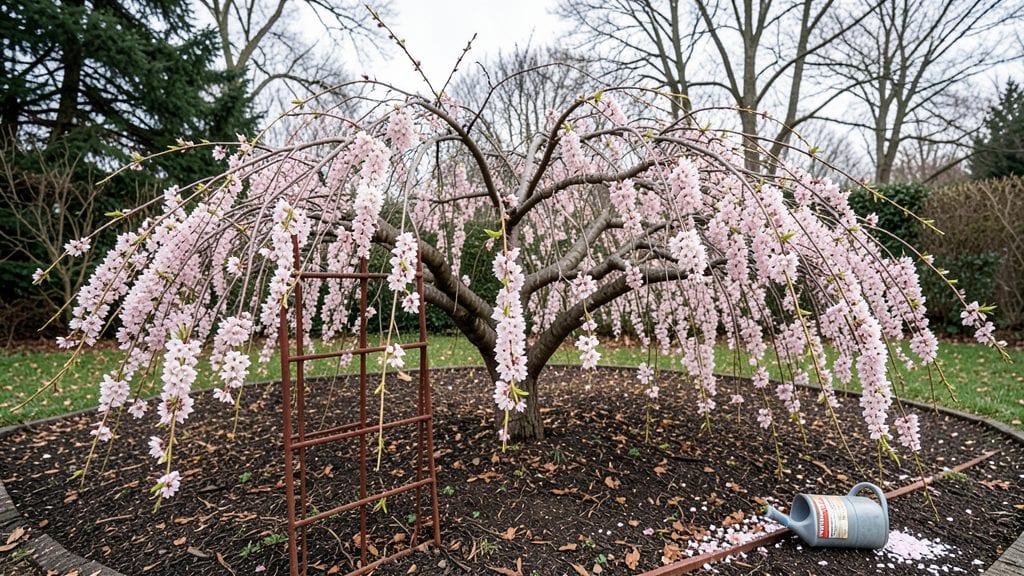
The Dwarf Snow Fountain weeping cherry tree transforms any Pacific Northwest garden into a winter wonderland—its delicate white blossoms spill like cascading snow over graceful, arching branches. 🌸 I still remember the first time I saw one in a friend’s yard: the way the flowers seemed to float midair, catching the light like scattered diamonds.
This isn’t just another small tree; it’s a living sculpture, perfect for tight spaces where big trees won’t fit.
What makes it special is how it works in any setting—whether you’re tucking it into a corner of your patio, planting it in a large container, or using it as a dramatic focal point near a pathway.
The compact 10- to 15-foot height means it won’t overwhelm smaller yards, yet its weeping habit creates a dramatic, layered effect that draws the eye. Pair it with hostas for shade, ferns for texture, or even dwarf conifers to contrast its soft, flowing form.
By late spring, you’ll have a cloud of blossoms that lasts for weeks, followed by subtle pinkish-red foliage that adds warmth to the scene. The best part?
It thrives in the PNW’s mild winters and moist summers, so once planted, it becomes the star of your garden year after year. Let’s talk about where to place it for maximum impact.
For container growers, choose a 15-gallon pot with drainage and use well-draining soil—this tree loves its roots snug but not soggy. In the ground, mulch around the base to protect roots and keep moisture consistent.
Whether you’re designing a cottage garden or a modern landscape, this tree delivers effortless elegance with minimal upkeep.
📚 In This Guide
- What you need
- Instructions
- Tips and common mistakes
- Wrapping up and next steps
What you need
- ● Dwarf Snow Fountain Weeping Cherry Tree: 1 mature tree (3–6 ft tall, depending on variety)
- ● Container-grown (1–3 gallon pot) or bare-root option
- ● Planting Supplies: High-quality acidic soil mix (pH 5.5–6.5) or native Pacific Northwest soil amended with compost
- ● 5–10 lbs of slow-release balanced fertilizer (10-10-10 or similar)
- ● Mulch (pine bark or wood chips, 2–3 inches deep)
- ○ 1 gallon of mycorrhizal fungi (optional but recommended for root health)
- ● Pruning Tools: Bypass pruners (sharp, clean, and sterilized)
- ● Loppers (for thicker branches)
- ● Pruning saw (for stubborn branches)
- ● Garden gloves (cut-resistant for safety)
- ● Disinfectant (70% isopropyl alcohol or pruning sealant)
- ○ Optional (But Helpful!) Extras: Staking kit (if planting in windy areas)
- ● Tree guard or protective fence (to deter deer/browsing)
- ● Drip irrigation system (for consistent moisture)
- ● Slow-release iron supplement (cherry trees love iron!)
- ● Location: Full sun (6+ hours/day) and well-draining soil. Avoid low spots where water pools.
- ● Timing: Plant in early spring or fall (avoid summer heat).
- ● Prune immediately after flowering (late spring) or in dormant season (winter).
- ● Safety: Wear gloves and eye protection when pruning—thorny branches are a thing!
- ● Climate Note: Pacific Northwest’s mild winters mean your tree will thrive, but protect young trees from harsh frosts with burlap wraps if needed.
Step-by-Step planting guide for dwarf Snow Fountain weeping cherry tree
This elegant tree thrives with the right placement and care—here’s how to set it up for years of stunning cascading blooms.
🌱 Step 1: Choose the Perfect Planting Location
Pick a spot with 6+ hours of sunlight daily, ideally in a protected area where it won’t get battered by strong winds. The Pacific Northwest’s mild climate means this tree can handle partial shade, but full sun ensures the most vibrant blooms. Look for a location with well-draining soil—this tree hates soggy roots, so avoid low spots where water pools.
I like to test the drainage by digging a hole about 12 inches deep and filling it with water. If it drains within an hour, the spot’s good. If not, amend the soil with 2-3 inches of compost to improve aeration. The tree’s cascading branches will spread 8-10 feet wide, so give it plenty of room to grow without crowding other plants.
☀️ Step 2: Prepare the Planting Hole
Dig a hole that’s twice as wide as the root ball but only as deep as the container’s root system. This prevents burying the trunk too deeply, which can suffocate the tree. Gently loosen the roots at the edges of the root ball if they’re tightly bound—this encourages them to spread into the surrounding soil.
Mix the native soil with half a 40-pound bag of compost and a handful of slow-release fertilizer. This blend gives the tree a nutrient boost while preventing shock. Place the tree in the hole so the top of the root ball sits 1-2 inches above ground level. The tree’s natural growth will settle it into place over time.
💧 Step 3: Plant and Water Thoroughly
Backfill the hole with the amended soil, pressing gently to remove air pockets. Water the tree deeply right after planting—this helps settle the soil and eliminates gaps. Use 2-3 gallons of water to soak the root ball completely. You’ll know it’s done when water runs out the bottom of the hole and stops draining after 10-15 minutes.
Mulch the base with 2-3 inches of wood chips or shredded bark, keeping it 3-4 inches away from the trunk to prevent rot. The mulch retains moisture and regulates soil temperature, which is especially helpful in the Pacific Northwest’s cooler, wetter seasons. Avoid piling mulch against the trunk—this can trap moisture and invite pests.
✂️ Step 4: Prune and Support for Healthy Growth
Remove any broken or crossing branches right after planting to encourage a strong structure. This tree naturally grows in a weeping habit, so minimal pruning is needed, but shaping it early prevents future issues. Use clean, sharp pruners to make cuts just above a bud or branch junction.
Stake the tree if needed—young weeping cherries can get top-heavy with their cascading branches. Use 2-3 stakes tied loosely with soft fabric strips to avoid damaging the bark. Check the ties every few weeks and loosen them as the tree grows stronger. Over time, the roots will stabilize, and you can remove the stakes entirely.
🌿 Step 5: Establish a Care Routine for Long-Term Beauty
Water the tree deeply once a week during the first growing season, providing 3-5 gallons per watering. After that, it becomes more drought-tolerant, but consistent moisture ensures those stunning blooms. In the Pacific Northwest’s rainy climate, you may need to adjust for overwatering—check the soil 2 inches down before watering again.
Fertilize in early spring with a balanced, slow-release fertilizer to support new growth. This tree is generally low-maintenance, but a light application of fertilizer every 2-3 years keeps it thriving. Watch for signs of stress—yellowing leaves or sparse blooms may signal the need for more nutrients or better drainage.
Tips & tricks for perfect dwarf Snow Fountain weeping cherry tree planting
A few key tricks will help your weeping cherry tree thrive for years to come.
Soil Prep Secret: In Step 1, don't skip the drainage test! That 12-inch deep water check is crucial—if water pools longer than an hour, you'll need to amend with 2-3 inches of compost to prevent root rot. I've seen soggy soil ruin even the hardiest trees. The Pacific Northwest's wet climate makes this extra important.
Root Ball Handling: When preparing the planting hole in Step 2, gently tease the roots at the edges of the root ball if they're tightly bound. This encourages outward growth instead of circling roots that can strangle the tree. Use your fingers to loosen them—no need to be aggressive, just enough to let them spread naturally into the surrounding soil.
Watering Wisdom: After planting in Step 3, those 2-3 gallons of water should soak through completely in 10-15 minutes. If it drains faster, you're good to go. If it's still pooling after 20 minutes, your hole isn't wide enough—dig wider to improve drainage. This tree's weeping branches will spread 8-10 feet, so proper drainage now prevents future problems.
Mulching Matters: The 2-3 inches of mulch in Step 3 should stay 3-4 inches away from the trunk—this prevents rot by allowing air circulation. I've seen mulch piled against trunks create perfect conditions for fungal diseases. Use wood chips or shredded bark for the best moisture retention and temperature regulation, especially important in our rainy climate.
Pro Tips for Dwarf Snow Fountain Weeping Cherry Tree
- A few key tricks will help your weeping cherry tree thrive for years to come.
- Soil Prep Secret: In Step 1, don't skip the drainage test!
- Root Ball Handling: When preparing the planting hole in Step 2, gently tease the roots at the edges of the root ball if they're tightly bound.
Frequently asked questions
Got questions about the dwarf Snow Fountain weeping cherry tree? You’re not alone! Here are some of the most common queries—plus practical answers to help you nurture this stunning beauty with confidence.
How fast does the dwarf Snow Fountain weeping cherry grow?
The Prunus serrulata ‘Snow Fountain’ grows at a moderate pace, averaging 12–18 inches per year under ideal conditions. In the Pacific Northwest’s mild climate, expect slower growth (closer to 6–12 inches/year) due to cooler summers. Pruning in late winter encourages bushier, fuller blooms while controlling height—perfect for small gardens!
When is the best time to prune this tree?
Prune your dwarf weeping cherry immediately after flowering (late spring) to avoid cutting off next year’s buds. For structural shaping, do a light prune in late winter (before buds swell). Never prune in fall—it can stimulate late growth vulnerable to frost. Use sterilized tools to prevent bacterial canker, a common issue in cherries!
Can I grow a dwarf Snow Fountain in a container?
Yes! This tree thrives in 15–20 gallon containers with well-draining soil and regular watering. Choose a wide, shallow pot to accommodate its weeping habit. Move it to partial shade in summer to prevent leaf scorch. Fertilize lightly in spring with acid-loving plant food (like rhodo mix) and repot every 2–3 years for root health.
What pests or diseases should I watch for?
Watch for cherry leaf spot (black spots on leaves) and aphids (sticky residue). Prevent fungal issues with proper spacing (3–4 ft from other plants) and avoiding overhead watering. For pests, blast off aphids with water or use neem oil. Bacterial canker (oozing wounds) is rare but serious—prune infected branches 1 inch below the lesion and sterilize tools.
Does this tree handle heavy rain or wind in the PNW?
The dwarf Snow Fountain is tougher than it looks! Its weeping branches can bend under heavy rain or wind, but they spring back when dry. For extra support, stake young trees or plant near a protective fence/wall. In exposed areas, choose a sheltered spot to prolong bloom life. Mulch the base to insulate roots during winter storms.
Wrapping up and next steps
The Dwarf Snow Fountain weeping cherry tree is a stunning, low-maintenance addition that brings delicate beauty and seasonal drama to Pacific Northwest gardens. With its layered blooms and graceful form, it’s perfect for adding charm without overwhelming space—just remember to prune wisely to encourage that iconic snow fountain effect! 🌸
Ready to transform your garden? Start by sketching your design or booking a consultation with a local arborist to tailor the pruning to your tree’s unique needs. Happy gardening—your future blooms will thank you!