
Container Gardens
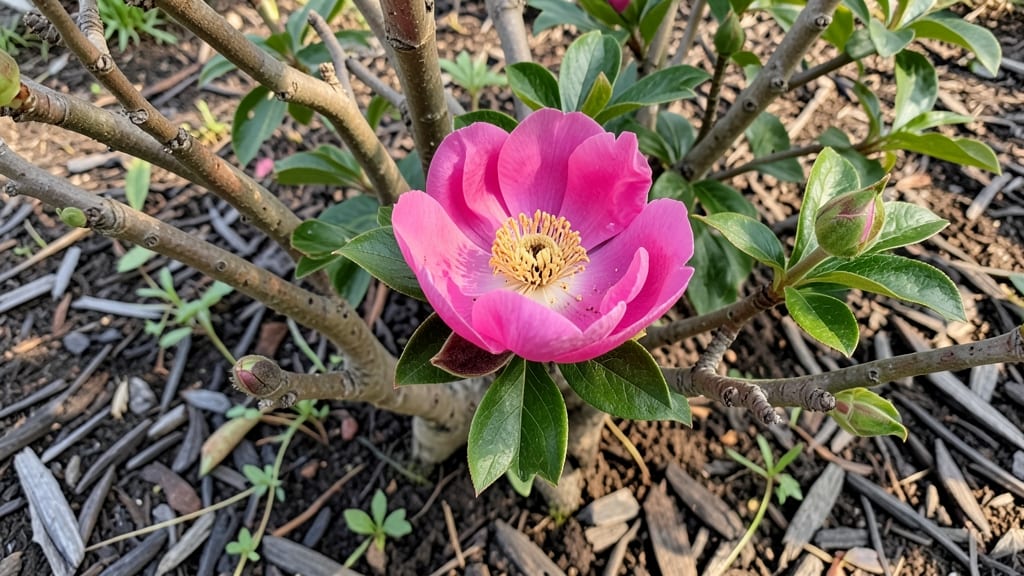
Growing tree peonies in pots unlocks their stunning blooms even in small spaces—perfect for Pacific Northwest gardens where frost and limited room can make in-ground planting tricky. 🌸 I’ve struggled with peonies in containers before, but the right pot, soil, and winter prep transforms them from temperamental divas into reliable showstoppers.
The key lies in 15-gallon containers with drainage holes, a mix of 50% garden soil, 30% compost, and 20% perlite, and a spot with 6+ hours of sun. Tree peonies hate soggy roots, so water only when the top inch feels dry—overwatering is their #1 enemy.
Fertilize lightly in spring with balanced 10-10-10, and prune spent blooms back to the first healthy bud.
By late fall, move pots to a sheltered spot against a north-facing wall, wrap the base in burlap, and mulch with 4-6 inches of straw. With this method, my potted tree peonies return year after year, bursting into bloom 2-3 weeks earlier than in-ground plants.
The secret? Treating them like delicate perennials, not annuals.
Container-grown tree peonies need annual root checks—if roots circle the pot, trim and refresh the soil. Pacific Northwest gardeners will love how these frost-tolerant beauties thrive in pots, turning balconies and patios into fragrant, floral havens. Let’s get those roots settled for a showstopping spring.
📚 In This Guide
- What you need
- Instructions
- Tips and common mistakes
- Wrapping up and next steps
What you need
- ● Container: A large, sturdy pot (18–24 inches in diameter) with drainage holes. Terracotta or ceramic works best for heat retention.
- ● Tree Peony Plant: A healthy, bare-root or container-grown tree peony (e.g., Paeonia suffruticosa). Choose a hardy variety like ‘Duchesse de Nemours’ or ‘Shin Yuet Hup.’
- ● Well-Draining Soil: A mix of 50% high-quality potting soil, 30% perlite or pumice, and 20% compost (or a pre-mixed cactus/succulent blend for extra drainage).
- ● Mulch: 2–3 inches of organic mulch (e.g., shredded bark or pine needles) to insulate roots in winter.
- ● Garden Gloves (for handling roots and soil).
- ● Trowel or Spade (for planting and soil adjustments).
- ● Watering Can or Hose with Nozzle (for gentle watering).
- ● Fertilizer: Balanced granular fertilizer (10-10-10) or slow-release peony-specific pellets (apply in early spring).
- ○ Optional: Pot feet or casters (to protect patios from scratches) or a greenhouse tray (for overwintering in severe frosts).
Step-by-step guide to growing tree peonies in frost-resistant containers
Here's how I grow these stunning perennials in containers—perfect for Pacific Northwest's chilly winters.
🪴 Step 1: Select the Right Container and Drainage System
Choose a frost-proof container with a minimum 18-inch diameter and depth—tree peonies need room for their deep root systems. I prefer unglazed ceramic or heavy plastic pots because they insulate roots better than lightweight materials. Add 3-4 drainage holes if your container doesn't have them, and place a 2-inch layer of gravel at the bottom to prevent waterlogging.
Tree peonies hate soggy roots, so proper drainage is non-negotiable. If you're using a decorative pot without holes, nestle it inside a slightly larger nursery pot with drainage. The outer pot stays outside during winter, while the inner pot protects your peony from frost heave. I always mark the planting depth on the container with a permanent marker—this helps me remember how deep to bury the roots later.
🌱 Step 2: Prepare the Soil Mix for Cold-Hardy Growth
Fill the container with a custom soil mix designed for cold tolerance: blend 50% high-quality potting soil, 30% perlite, and 20% compost. This combination drains well but retains enough moisture for winter survival. I avoid garden soil—it compacts in containers and freezes too easily in PNW winters.
Add a slow-release fertilizer (like 10-10-10) at planting time—tree peonies are heavy feeders but need nutrients gradually. Mix it into the bottom 6 inches of soil so roots can access it as they grow. Tap the container gently to settle the mix, then water thoroughly until water runs freely from the drainage holes. This ensures the soil is evenly moist for root establishment.
☀️ Step 3: Plant Bare-Root Peony Tubers Correctly
Tree peonies arrive as bare-root tubers in early spring. Plant them 2-3 inches deeper than they were growing in the ground—this protects the crown from frost heave. Position the eyes (buds) 1-2 inches below the soil surface—they should face upward. I use my finger to create a small dimple in the soil for each eye, then place the tuber gently into position.
Backfill with soil, pressing lightly to remove air pockets but not compacting too firmly. Water deeply until the soil is saturated to a depth of 6 inches. The key here is gentle handling—tree peonies have delicate root systems that bruise easily. If you're planting in late fall, wait until after the first frost to give roots time to establish before winter.
⏰ Step 4: Winterize for Pacific Northwest Freezes
Once temperatures drop below 25°F, move containers to a protected location like a garage or unheated shed. Wrap the entire pot in burlap or frost cloth, leaving only the top 2 inches exposed to prevent moisture buildup. I also add a 2-inch layer of straw mulch on top of the soil to insulate the crown.
In early spring, before new growth appears, move the container back to its sunny spot. Water sparingly until you see new shoots emerge—this usually happens when daytime temperatures stay above 45°F consistently. Resist the urge to fertilize until you see at least 3-4 inches of new growth, as cold soil can burn tender roots.
🌿 Step 5: Maintain Through the Growing Season
Tree peonies in containers need full sun (6+ hours daily) for best blooms. If your patio gets afternoon shade, supplement with a grow light during winter months when sunlight is weak. I stake taller varieties with bamboo stakes tied loosely to prevent wind damage—these plants can get 3-5 feet tall and top-heavy with blooms.
Water deeply once a week during the growing season, checking that the soil is dry 2-3 inches down before watering again. Overwatering in containers leads to root rot, which is fatal for peonies. Deadhead spent blooms by cutting stems back to the first set of leaves to encourage reblooming. In late fall, reduce watering and prepare for winter dormancy by cutting back foliage to 2 inches above the soil.
Tips & tricks for perfect tree peony in pots
These practical insights will help you nurture thriving tree peonies in containers through PNW winters—and avoid the pitfalls that sabotage so many container plantings.
Container Selection Strategy: Unglazed ceramic or heavy plastic pots are your best bet because their thermal mass helps regulate soil temperatures during our dramatic PNW swings between 25°F nights and 70°F days. If you're using decorative pots without drainage, create a nested system with a nursery pot inside—this protects your investment during winter moves. Pro tip: Mark your planting depth with a permanent marker on the container rim so you never accidentally bury the crown too deep during repotting.
Soil Mix Secrets: The 50-30-20 ratio of potting soil, perlite, and compost isn't arbitrary—it's designed to prevent two PNW-specific problems. The perlite creates air pockets that prevent soil freezing, while the compost provides slow-release nutrients that won't leach away in our rainy winters. I always pre-mix my soil in a wheelbarrow to ensure even distribution, especially important when working with the deep 18-inch containers these plants require.
Winter Protection Hacks: When moving containers to protected locations below 25°F, leave those top 2 inches exposed—this prevents moisture buildup that leads to crown rot. For extra insulation, I stuff old sweaters or thick towels around the sides of the pot before wrapping with burlap. The straw mulch on top isn't just decoration: it creates a microclimate that can make the difference between survival and freeze damage during our infamous January thaws followed by sudden cold snaps.
Spring Transition Timing: The moment you see new shoots emerging at 45°F is your cue to move containers back outside—but don't rush! I've learned the hard way that moving too early when nights still dip below freezing can stunt growth. Wait until daytime highs consistently stay above 45°F for at least a week before making the move. This gradual transition gives roots time to adjust without shock.
Pro Tips for Tree Peony In Pots
- These practical insights will help you nurture thriving tree peonies in containers through PNW winters—and avoid the pitfalls that sabotage so many container plantings.
- Container Selection Strategy: Unglazed ceramic or heavy plastic pots are your best bet because their thermal mass helps regulate soil temperatures during our dramatic PNW swings between 25°F nights and 70°F days.
- Soil Mix Secrets: The 50-30-20 ratio of potting soil, perlite, and compost isn't arbitrary—it's designed to prevent two PNW-specific problems.
Frequently asked questions
Got questions about growing tree peonies in pots?
You’re not alone! Here are answers to the most common concerns—from frost prep to container swaps—to help you nurture these stunning blooms with confidence.
Can tree peonies survive winter in pots in the Pacific Northwest?
Yes! Tree peonies are frost-resistant, but potted plants need extra protection. Bury pots in the ground or wrap them in burlap and mulch heavily. In zones 7-9 (like PNW), they’ll bounce back beautifully each spring. Just avoid soggy soil—drainage is key!
What’s the best pot size for a tree peony?
Aim for 18–24 inches wide and deep—tree peonies have huge root systems and need room to thrive. Smaller pots (under 12”) will stunt growth and reduce blooms. Add 3–4 inches of gravel at the bottom for drainage, and use a well-draining mix (like 60% soil, 30% compost, 10% perlite).
Why aren’t my potted tree peonies blooming?
Common culprits:
- Too much shade—they need 6+ hours of sun daily.
- Over-fertilizing—use a balanced, low-nitrogen fertilizer (10-10-10) in early spring.
- Young plants—tree peonies often take 3–5 years to bloom fully in pots.
Can I grow tree peonies in pots without a green thumb?
They’re low-maintenance once established. Water when the top 2 inches of soil dry out, and prune spent blooms to encourage more flowers. No deadheading? No problem—they’ll still bloom, just fewer. For beginners, try dwarf varieties like ‘Lavender Lad’ or ‘Sarah Bernhardt.’
What’s a good alternative if tree peonies are too big for my space?
Try these compact, frost-hardy container-friendly bloomers:
Plant Height Bloom Time Dwarf Iris (Iris pumila) 6–12" Spring Japanese Forest Grass (Hakonechloa) 12–18" Year-round interest Dwarf Peony (Paeonia lactiflora) 12–24" Spring
All three thrive in 5–10 gallon pots and handle PNW winters.
Wrapping up and next steps
Growing tree peonies in pots is a rewarding way to bring vibrant, frost-resistant blooms to your Pacific Northwest containers—even in small spaces! 🌸 With the right soil, drainage, and winter care, these stunning plants can thrive for years, gracing your garden with lush foliage and show-stopping flowers.
Whether you’re a seasoned gardener or just starting out, container gardening makes it easier than ever to enjoy their beauty.
Ready to get started? Pick your favorite tree peony variety, grab a sturdy pot, and dive in—your future blooms will thank you! For extra inspiration, explore companion plants or creative container designs to elevate your setup even further.