
Pruning
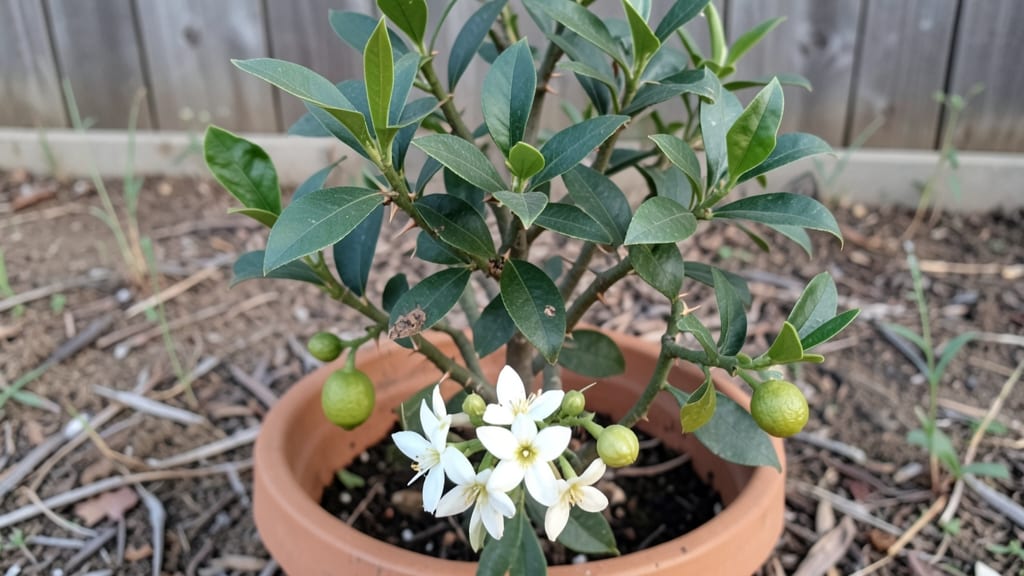
Growing a calamondin tree in the Pacific Northwest feels like bringing a slice of Bali to your porch—if you nail the care routine. These tiny citrus trees thrive indoors or in protected outdoor spots, but they demand consistent warmth and humidity that our rainy climate challenges.
I’ve kept mine alive through three winters by mimicking their tropical home, and the bright orange fruit makes the effort worth it.
The key is treating them like high-maintenance houseplants when outdoors. They need well-draining soil (think cactus mix with perlite), bright indirect light (no harsh afternoon sun), and consistent moisture—but never soggy roots.
A 5-gallon pot works for young trees, and moving them indoors before 32°F saves them from frost damage. My tree now produces fruit year-round because I learned to adjust care with the seasons.
What you’ll love most is the sweet-tart fruit—perfect for marmalade or garnishes—appearing within 2-3 years of planting. The glossy leaves and fragrant blossoms make them a conversation piece, even when they’re not fruiting. The trade-off? They’re not cold-hardy—so plan for winter protection or keep them as houseplants year-round.
Whether you’re growing one in a sunny window or a greenhouse, the secret is consistency. Calamondins reward patience with vibrant blooms and harvests that taste like sunshine. Let’s get yours thriving—even in our damp climate.
📚 In This Guide
- What you need
- Instructions
- Tips and common mistakes
- Wrapping up and next steps
What you need
- ● Pruning shears: Bypass pruners (sharp, sterilized with rubbing alcohol or bleach). 2-3 pairs recommended for larger trees.
- ● Gloves: Heavy-duty gardening gloves (nitrile-coated for protection against thorns and sap). 1 pair.
- ● Disinfectant: 70% isopropyl alcohol or a 10% bleach solution (1 part bleach to 9 parts water). Small spray bottle.
- ○ Sealing wax or pruning paste: (Optional but highly recommended for cuts larger than ½ inch). Small jar.
- ● Watering can or hose: With a gentle spray nozzle for post-pruning hydration.
- ● Potting mix: Well-draining, acidic mix (pH 5.5–6.5). 5–10 gallons, depending on pot size.
- ● Container or pot: 1–2 sizes larger than the current root ball (drainage holes mandatory).
- ● Support stake: (For young trees or repotting). 1–2 bamboo or wooden stakes + soft tie.
- ● Citrus fertilizer: Balanced (e.g., 6-6-6 or 8-3-9) with micronutrients. Slow-release pellets or liquid.
- ● Mulch: Organic (e.g., pine bark or coconut coir) to retain moisture. 2–3 inches.
- ● Humidity tray: For indoor calamondins (pebble tray + water).
- ● Grow lights: LED full-spectrum (12–14 hours/day) if indoor-grown.
- ● Tree collar protector: (For aggressive pruning to prevent bark damage).
Step-by-step guide to thriving calamondin trees in Pacific Northwest climates
Here’s how to coax this tropical citrus into fruitfulness despite our cooler, wetter summers.
Select the Right Location and Container
Calamondins despise soggy roots, so choose a 15-20 gallon container with multiple drainage holes—terracotta pots work best because they wick away excess moisture. Place your tree in a spot that gets full sun (6+ hours daily) but can be moved indoors when temperatures dip below 40°F. A south-facing patio or greenhouse extension is ideal, though you’ll need to supplement with a grow light during our shorter winter days.
Real talk: If you’ve ever seen a calamondin wilt after a cold snap, you know how critical this is. I’ve lost count of the trees I’ve nursed back from winter neglect—don’t let that be you. Test the soil before planting by squeezing a handful; if it stays clumped, it’s too wet. You want it to crumble slightly when pressed.
Plant in Well-Draining, Acidic Soil Mix
Use a 50/50 blend of premium potting mix and perlite to mimic the well-draining, slightly acidic conditions of their native tropical soils. Calamondins hate compacted soil, so avoid garden soil entirely—it’s too dense and will suffocate roots. Amend the mix with 1 tablespoon of citrus-specific fertilizer (look for one with higher nitrogen in early spring) and a handful of sphagnum peat moss to maintain acidity.
When repotting, bury the tree only as deep as it was in its nursery pot. The graft union (the bump near the base) should sit 1-2 inches above soil level—burying it too deep invites rot. Water thoroughly after planting, then let the top 1 inch of soil dry out before watering again. Overwatering is the #1 killer of calamondins in our climate.
Master Watering and Humidity for Year-Round Growth
Water when the top 2 inches of soil feel dry to the touch, but never let the pot sit in standing water. Calamondins need moderate moisture—think of a well-wrung-out sponge. During our damp PNW summers, reduce watering slightly to prevent fungal issues. In winter, when the tree’s growth slows, let the soil dry out more between waterings.
Boost humidity by placing the pot on a pebble tray filled with water or misting the leaves 2-3 times weekly (except in winter, when fungal spores thrive). You’ll know humidity is right when new leaves unfurl plump and glossy—not crispy or yellowing. A hygrometer helps track levels, but your eyes are usually enough: if leaves start curling, it’s time to mist.
Fertilize and Prune for Fruit Production
Feed every 4-6 weeks during spring and summer with a balanced citrus fertilizer (10-10-10 or similar), but cut back to monthly in fall and suspend fertilizing in winter. Calamondins are light feeders—too much nitrogen leads to lush foliage but no fruit. I swear by a slow-release pellet fertilizer buried in the top inch of soil to avoid root burn.
Prune in late winter or early spring before new growth begins. Remove dead, crossing, or inward-growing branches with sterilized pruners, and thin out overly dense areas to improve airflow. Never prune more than 25% of the canopy at once—calamondins are sensitive to aggressive cuts. You’ll see fruit set more reliably after pruning, as the tree directs energy toward reproduction.
Protect from Winter Chills and Pests
When nighttime temperatures drop below 45°F, move your calamondin indoors to a bright, cool spot (50-60°F) with 12+ hours of light. A sunny window or under grow lights works, but avoid drafts or heat vents. If you can’t bring it inside, wrap the pot in burlap and cover with a frost blanket—our sudden cold snaps can kill a tree overnight.
Watch for scale insects and whiteflies, common pests in our mild winters. Wipe leaves with a soapy water solution (1 tsp mild soap per quart of water) weekly, and introduce ladybugs for natural control. Healthy trees resist pests better, so consistent care pays off. You’ll know your tree is thriving when it drops tiny, orange calamondin fruits by late fall—each one a victory against our unpredictable climate.
Tips & tricks for thriving calamondin trees in Pacific Northwest climates
These practical insights will help you navigate the unique challenges of growing tropical citrus in our cooler climate—without losing your tree to winter or soggy roots.
Container Material Matters: Terracotta pots aren't just a recommendation—they're essential. Their porous nature helps regulate moisture, which is critical during our damp PNW summers. If you must use plastic, add extra perlite to the soil mix (up to 30% of the total volume) to compensate for its moisture-retaining properties. I've seen calamondins in plastic pots develop root rot within weeks during our rainy seasons—don't make my mistake.
Light Supplement Strategy: When moving your tree indoors for winter, position it within 12 inches of a south-facing window for maximum light exposure. If natural light is insufficient, supplement with a full-spectrum grow light for 14-16 hours daily. I use a simple LED grow bulb on a timer—it's transformed my winter fruit production from zero to dozens of calamondins. The key is maintaining that 12+ hours of light requirement mentioned in Step 5.
Soil pH Monitoring: Calamondins thrive in slightly acidic soil (pH 5.5-6.5). Test your soil mix annually using a simple pH meter—our Pacific Northwest's naturally acidic soils can throw off the balance. If your mix tests above 7.0, amend with sulfur or sphagnum peat moss to lower the pH. I've seen trees with perfect care struggle because their soil was too alkaline—this is one of those invisible factors that makes all the difference.
Winter Transition Timing: Don't wait until the first frost to move your calamondin indoors. Start monitoring nighttime temperatures when they consistently drop below 50°F—this gives you a buffer before the critical 45°F threshold. I've learned this the hard way after watching trees suffer from sudden cold snaps. Gradually acclimate your tree to indoor conditions over 3-4 days by moving it to a sheltered spot during the day before full indoor transition.
Pro Tips for Calamondin Tree Care
- These practical insights will help you navigate the unique challenges of growing tropical citrus in our cooler climate—without losing your tree to winter or soggy roots.
- Container Material Matters: Terracotta pots aren't just a recommendation—they're essential.
- Light Supplement Strategy: When moving your tree indoors for winter, position it within 12 inches of a south-facing window for maximum light exposure.
Frequently asked questions
Got questions about keeping your calamondin tree thriving in the Pacific Northwest? Here are some of the most common ones—plus expert answers to help you grow with confidence!
How cold can a calamondin tree tolerate?
A calamondin tree (Citrus × microcarpa) is tropical at heart and struggles in freezing temps. While it can handle brief dips to 25–30°F (-4 to -1°C), prolonged exposure below 32°F (0°C) risks leaf drop or dieback. In the PNW, grow it in containers and move indoors or under cover when frost threatens!
Can I grow a calamondin tree indoors year-round?
With the right setup, your tree can thrive indoors. Place it near a south-facing window for 6+ hours of sunlight daily, and supplement with a grow light if needed. Keep humidity high (mist leaves or use a pebble tray) and avoid drafts. Just remember: outdoor summers (even in containers) boost fruit production!
When and how should I prune my calamondin tree?
Prune in late winter or early spring (before new growth starts) to shape the tree and encourage fruit-bearing branches. Use sterilized pruning shears to trim back leggy growth, dead wood, or overcrowded branches. Aim for an open canopy to improve airflow—this helps prevent fungal issues like root rot.
Why are my calamondin leaves turning yellow?
Yellowing leaves usually signal overwatering, underwatering, or nutrient deficiencies. Check the soil: it should be slightly moist but not soggy. If roots are waterlogged, repot in well-draining soil. Yellow edges? Try fertilizing with citrus-specific food (high in iron or nitrogen) every 2–3 months. Pro tip: Yellow leaves on older growth are normal—focus on new leaves!
How long does it take for a calamondin tree to bear fruit?
With patience, your tree can produce fruit in 2–5 years, depending on care and growing conditions. For faster results, choose a grafted tree (they fruit sooner than seed-grown ones). Once established, expect tiny, tart orbs (calamondins) in late fall/winter—perfect for cooking, cocktails, or garnishes!
Are there calamondin tree alternatives for colder climates?
If the PNW’s chill is too much, try these citrus-like alternatives:
- Meyer lemon (hardier, sweeter, but still needs winter protection)
- Kumquat (tiny, cold-tolerant, and edible peel + all!)
- Dwarf orange trees (like ‘Calamondin’ hybrids or ‘Improved Meyer’)
Wrapping up and next steps
Caring for a calamondin tree in the Pacific Northwest is totally doable with the right know-how! 🌱 From pruning to winter prep, these citrusy gems thrive with patience and a little TLC. Remember, consistency is key—whether it’s shaping your tree, protecting it from frost, or keeping pests at bay.
Now that you’re armed with expert tips, why not take the next step? Start small—prune a branch today or check your tree’s soil moisture. Before you know it, you’ll be harvesting those tiny, tangy fruits and bragging about your thriving calamondin! 🍊✨