Plants
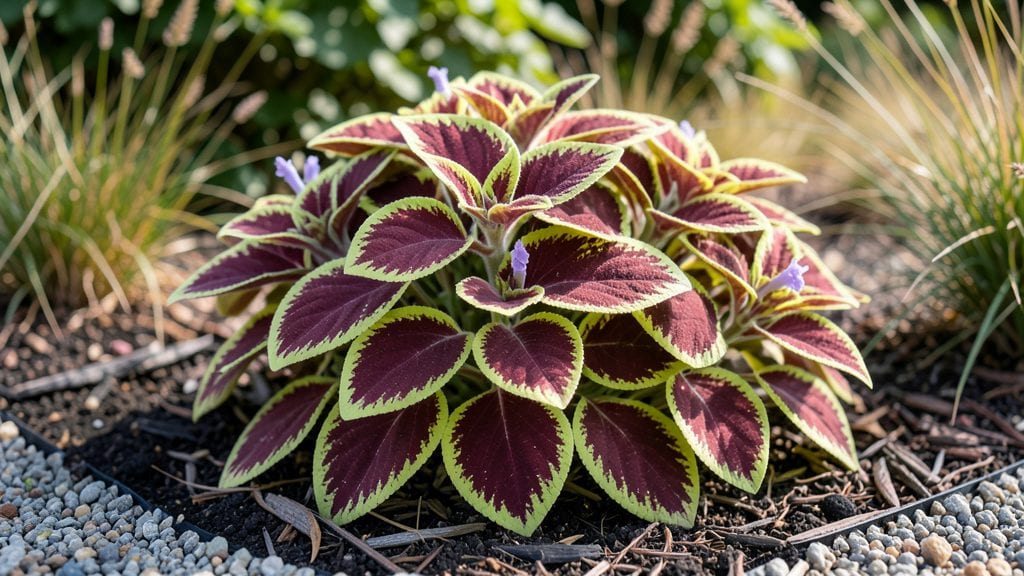
The Coleus Beale Street brings Pacific Northwest gardens to life with its frost-resistant, jewel-toned foliage that refuses to fade—even when temperatures dip. I first spotted these plants thriving in a Seattle garden last October, their deep burgundy and chartreuse leaves still vibrant after a light frost.
That’s when I knew this wasn’t just another annual; it was a game-changer for year-round color.
Pair it with heuchera or hostas for a layered border that pops in shade gardens, or tuck it into containers with ferns and impatiens for a hanging basket that blooms with texture. The secret?
Plant it where its bold hues contrast with softer greens—think silver sage or variegated caladiums—to create a visual magnet that draws the eye. Even in winter, its leaves hold their shape, offering structure when other plants retreat.
You’ll create a garden that feels alive all season long, with low-maintenance plants that deliver high-impact color. The Beale Street variety’s cold tolerance means you can extend its season without fuss, and its compact growth makes it perfect for edging, spillers, or even as a standalone statement plant.
Imagine a front walk lined with these—your neighbors will ask how you keep it looking so fresh.
Works in partial to full shade, making it ideal for under trees or north-facing beds where other plants struggle. For maximum drama, mix heights: place taller varieties behind shorter ones to create depth. The result? A garden that feels intentional, seasonal, and effortlessly stylish—without the high-maintenance trade-offs.
📚 In This Guide
- What you need
- Instructions
- Tips and common mistakes
- Wrapping up and next steps
What you need
- ● Coleus Beale Street plants: 3–5 young plants (6-inch pots) or cuttings (for propagation). Look for healthy, compact foliage with bold colors like deep red, purple, and chartreuse.
- ● Well-draining potting mix: 1–2 bags (1–2 cubic feet each) of a high-quality, peat-based or coconut coir mix (e.g., Pro-Mix or Fox Farm Ocean Forest). Avoid heavy clay soil!
- ● Containers or garden bed: Containers: 5–10-inch pots (1–2 per plant) with drainage holes. Terracotta or fabric pots work great!
- ● Garden bed: A sunny to partially shaded spot (4–6 hours of light) with loose, amended soil (mix in compost for fertility).
- ● Slow-release fertilizer: 1–2 cups of Osmocote (14-14-14) or a balanced organic option (e.g., Fish emulsion) to kickstart growth.
- ● Mulch: 1–2 inches of shredded bark or pine straw to retain moisture and regulate soil temperature.
- ● Gardening tools: Trowel or small shovel (for transplanting)
- ● Pruning shears (for trimming leggy growth)
- ● Gloves (to protect your hands from soil and sap)
- ● Watering can or hose with a gentle spray nozzle: Coleus thrives on consistent moisture but hates soggy roots.
- ○ Spray bottle (optional): For misting cuttings if propagating from stems.
- ○ Sunlight meter or app (optional): To check light levels (ideal: 4,000–6,000 foot-candles for vibrant colors).
- ○ Frost cloth or cold frame (optional, for PNW winters): Protect young plants from light frosts (<32°F).
- ● 🌡️ Hardiness: Coleus Beale Street is USDA Zones 10–11 but can survive brief PNW frosts (<28°F) with protection. Treat it as an annual or overwinter indoors.
- ● ✨ Color boost: Pinch back leggy stems to encourage bushier growth and richer hues.
- ● 💧 Watering: Keep soil evenly moist (not waterlogged) but avoid wetting foliage to prevent fungal issues.
Step-by-Step guide to growing coleus 'Beale Street' in the Pacific Northwest
This vibrant, cold-hardy variety thrives in our region’s cooler climate—here’s how to coax its boldest colors.
Choose the Perfect Planting Location
Select a site with partial shade—3-6 hours of morning sun followed by afternoon shade protects the leaves from burning. In the Pacific Northwest’s cooler summers, afternoon shade is especially critical; direct afternoon sun can bleach the striking foliage colors. I always look for spots near trees or structures that provide dappled light, which mimics the plant’s natural understory habitat.
Test your site by observing how light shifts throughout the day. If the area stays too shady, the plant will grow leggy and lose its vibrant hues. Conversely, too much sun will cause the leaves to fade to pale green or yellow. Aim for that sweet spot where the foliage stays rich and compact—this is where 'Beale Street' truly shines.
Prepare the Soil for Optimal Growth
Amend your garden soil with 2-3 inches of compost mixed into the top 6 inches of soil. Coleus prefers well-draining, fertile soil with a slightly acidic to neutral pH (6.1-7.0). In the Pacific Northwest, where soil can be dense and clay-heavy, I often add a handful of perlite or coarse sand to improve drainage without compacting the mix.
Work the amendments into the soil until it reaches a crumbly, almost cake-like texture—light enough for roots to penetrate easily but with enough structure to hold moisture. Avoid heavy amendments like peat moss unless your soil is extremely sandy, as they can dry out too quickly in our region’s variable rainfall.
Plant with Proper Spacing and Watering
Dig holes twice as wide as the root ball but only as deep as the container’s base. Space plants 12-18 inches apart to allow for air circulation, which prevents fungal diseases like powdery mildew—a common issue in our damp climate. Gently remove the plant from its container, loosen any circling roots, and place it in the hole so the top of the root ball sits level with the surrounding soil. Firm the soil around the base to eliminate air pockets.
Water deeply right after planting to settle the soil and encourage root contact. Use 1-2 gallons of water per plant, applied slowly at the base to avoid wetting the foliage. In the Pacific Northwest, where rainfall can be inconsistent, I often set up a drip irrigation system or soaker hose to deliver 1 inch of water per week, adjusting for natural rainfall. Keep the soil consistently moist but never soggy—this is key to maintaining those vibrant colors.
Maintain Through the Growing Season
Fertilize lightly every 4-6 weeks with a balanced, water-soluble fertilizer (10-10-10 or 20-20-20) diluted to half-strength. Over-fertilizing can lead to excessive leaf growth at the expense of color intensity. I also sprinkle a handful of slow-release organic fertilizer around the base in early spring to provide a steady nutrient supply without risking burn.
Monitor for pests like spider mites or aphids, which thrive in our dry summer periods. If you spot webbing or sticky residue on the leaves, treat with neem oil or insecticidal soap, applying in the early morning or late evening to avoid harming beneficial insects. Prune leggy stems back to encourage bushier growth and remove any yellow or damaged leaves promptly to redirect the plant’s energy.
Prepare for Winter and Protect from Frost
'Beale Street' is one of the hardiest coleus varieties, tolerating temperatures down to 25°F for short periods. However, prolonged exposure to frost will damage the foliage. To extend the season, I mound 2-3 inches of mulch around the base of the plant in late fall, using shredded bark or straw. This insulates the roots and helps retain moisture during our cooler, wetter winters.
If you’re expecting a hard freeze (below 20°F), cover the plant with frost cloth or a lightweight blanket secured with bricks or stakes. Avoid plastic, which can trap moisture and cause rot. In spring, remove the cover once temperatures rise above 40°F and new growth appears—this signals the plant is ready to rebound with its signature bold colors.
Tips & tricks for perfect coleus 'Beale Street' growth in the Pacific Northwest
Here's how to maximize those stunning colors and ensure your 'Beale Street' thrives in our unique climate.
The Light Factor: In Step 1, when selecting your planting location, remember that morning sun is your friend—the cooler temperatures prevent leaf scorch. I've found that positioning plants near north-facing windows or under deciduous trees creates ideal dappled light conditions. If your garden gets intense afternoon sun, consider temporary shade cloth during peak hours (1-4 PM) to protect those vibrant leaves from bleaching.
Soil Science: For Step 2, don't just amend your soil—test it first. Our Pacific Northwest clay soils often need more than just compost. I recommend mixing in 10-15% perlite or coarse sand by volume to improve drainage while maintaining moisture retention. The goal is that cake-like texture that holds water without becoming compacted. You can test your soil's readiness by squeezing a handful—it should crumble easily when dry but hold its shape when moist.
Watering Wisdom: In Step 3, that 1-2 gallons per plant immediately after planting is crucial for root establishment. But here's the trick: water at the base using a soaker hose or drip system to avoid wetting the foliage. Wet leaves create perfect conditions for fungal diseases in our damp climate. I've seen powdery mildew appear within days when plants are watered overhead, so take those extra seconds to aim the water where it counts—right at the soil surface.
Winter Protection Strategy: When preparing for winter in Step 5, don't just mound mulch—create a protective dome. Pile mulch not just around but slightly over the plant base, forming a small hill that insulates the crown. For extra protection during hard freezes, I've found that wrapping the entire plant in frost cloth and securing it with landscape staples (not nails) prevents wind damage while allowing light penetration. The key is to balance insulation with airflow to prevent moisture buildup.
Pro Tips for Coleus Beale Street
- Here's how to maximize those stunning colors and ensure your 'Beale Street' thrives in our unique climate.
- The Light Factor: In Step 1, when selecting your planting location, remember that morning sun is your friend—the cooler temperatures prevent leaf scorch.
- Soil Science: For Step 2, don't just amend your soil—test it first.
Frequently asked questions
Can Coleus Beale Street survive PNW winters?
Coleus Beale Street is one of the few frost-resistant coleus varieties, but it’s not fully winter-hardy. In the PNW (Zones 7-9), it typically dies back to the ground in light frost but regrows from the roots in spring. For extra protection, mulch heavily with straw or leaves and cover with burlap if temps drop below 25°F (-4°C).
How do I propagate Coleus Beale Street for free plants?
Propagating is easy and rewarding! Snip a 4-6 inch stem just below a leaf node, remove the lower leaves, and dip the cut end in rooting hormone (optional). Plant in moist potting mix, cover with a plastic bag to retain humidity, and place in bright, indirect light. Roots should form in 2-4 weeks. Pro tip: Water from the bottom to avoid stem rot!
When is the best time to plant Coleus Beale Street in the PNW?
Start seeds indoors 8-10 weeks before your last frost date (typically mid-March for the PNW). Transplant outdoors after soil warms to 55°F (13°C), usually in late May or early June. For container growing, you can plant anytime the weather cooperates—just move pots indoors if frost threatens.
What’s the secret to keeping Coleus Beale Street’s colors vibrant?
Vibrant colors thrive on bright, indirect light—too much sun fades them, while too little dulls the hues. Use well-draining soil and fertilize lightly with a balanced liquid fertilizer (10-10-10) every 4-6 weeks during growing season. Pinch back leggy stems to encourage bushier growth and more color!
Why are my Coleus Beale Street leaves turning yellow or spotted?
Yellow leaves often signal overwatering or poor drainage, while spots can mean fungal issues (like powdery mildew) or pests (aphids, spider mites). Fix drainage by amending soil with perlite, and avoid wetting leaves when watering. For pests, spray with neem oil or insecticidal soap. If spots persist, ensure good air circulation and remove affected leaves.
Wrapping up and next steps
Transforming your Pacific Northwest garden with Coleus Beale Street is a game-changer—its vibrant colors and frost-hardy nature make it a standout choice for year-round beauty. Whether you're a seasoned gardener or just starting out, this plant offers low-maintenance flair with high-impact results.
Ready to dive in? Start small with a few pots or plan a full garden bed—your outdoor space (and your Instagram feed) will thank you!
🌿 Pro tip: Share your progress with fellow plant lovers—inspiration spreads faster when we grow together!