
Pruning
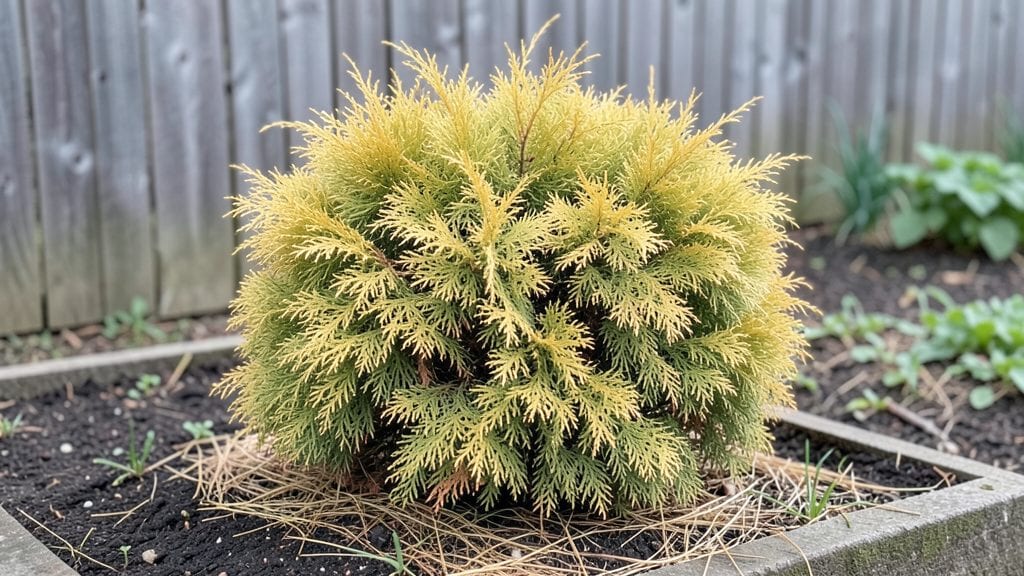
Mastering goldcrest cypress tree care ensures this Pacific Northwest favorite stays lush and golden—just a few strategic cuts keep its perfect shape year-round. 🌿 The secret lies in understanding its natural growth rhythm: too much pruning stunts its signature feathery branches, while too little lets it sprawl into a messy silhouette.
Most gardeners overlook its soil moisture needs—Goldcrests hate soggy roots but also dry spells, so aim for 1-1.5 inches of water weekly during dry summers. The Pacific Northwest’s mild winters mean you can prune anytime, but late winter or early spring (before new growth) yields the cleanest results.
A sharp pair of shears and a ladder (for taller specimens) are all you’ll need.
What you’ll end up with is a tree that stays compact, vibrant, and disease-resistant for decades. The golden foliage glows brighter against evergreen backdrops, and its natural density blocks wind while adding texture to landscapes. Prune just the tips of overgrown branches to encourage bushier growth—never cut into old wood.
Works equally well in formal hedges, container gardens, or as a standalone specimen. The key is consistency: light pruning twice a year keeps it looking effortless. For larger landscapes, consider planting multiple trees for a layered effect—just space them 6-10 feet apart to avoid competition.
📚 In This Guide
- What you need
- Instructions
- Tips and common mistakes
- Wrapping up and next steps
What you need
- ● Pruning shears: Bypass pruners (sharp, 5- to 8-inch blades) for clean cuts on small branches.
- ● Loppers: 18- to 24-inch for thicker branches (up to 2 inches in diameter).
- ● Pruning saw: Curved-tooth for branches 2+ inches thick (avoid crushing bark).
- ● Disinfectant: 70% isopropyl alcohol or bleach solution (1 part bleach : 9 parts water) to sterilize tools between cuts.
- ● Gloves: Heavy-duty, cut-resistant gloves (e.g., mechanics’ or pruning gloves).
- ● Ladder or step stool: Sturdy, non-slip (e.g., aluminum extension ladder or foldable step stool).
- ● Heavy-duty trash bags: 10+ gallon for debris cleanup (or a wheelbarrow for large pruning sessions).
- ○ Sharpie or label maker: For marking branches to prune (optional but helpful for structured shaping).
- ● Hand pruners with ratcheting handles: Reduces hand fatigue for long pruning sessions.
- ● Tree wound dressing: Pruning sealant (controversial but useful for large cuts > ½ inch).
- ● Pole saw: Extendable for high branches (if ladder access is limited).
- ● Safety glasses: Protects eyes from debris.
- ● Knee pads: For comfort during ground-level pruning.
Step-by-step Pacific Northwest pruning for Goldcrest Cypress trees
Here's the method I've used for years to keep Goldcrest Cypress trees lush and structurally sound through our rainy winters and mild summers.
🪴 Step 1: Assess the Tree's Natural Shape and Growth Habits
Goldcrest Cypress trees grow in a naturally dense, columnar form, so pruning should enhance—not alter—their inherent shape. Start by examining the tree from all angles, looking for areas where branches grow too close together or where the lower canopy has thinned. In the Pacific Northwest, where humidity lingers, you'll want to prioritize air circulation to prevent fungal issues.
Run your hand along the branches to feel for any dead or dying wood—it will be brittle and snap easily rather than bending. Mark these areas with a piece of twine or flagging tape before you begin pruning. Remember, Goldcrest Cypresses are slow growers, so prune conservatively to avoid stressing the tree. I never remove more than one-third of the foliage in a single session, and I spread out major pruning over two to three years.
✂️ Step 2: Prune for Structure and Airflow in Late Winter
The best time to prune Goldcrest Cypresses in the Pacific Northwest is late winter, just as new growth begins to swell but before active growth starts. This timing minimizes stress and allows the tree to heal before summer heat arrives. Use clean, sharp pruning shears—dull tools crush stems, making them more susceptible to disease.
Begin by removing any dead, diseased, or crossing branches first. For structural pruning, focus on branches that grow inward or downward, as these can create weak points in the canopy. Cut just outside the branch collar—the swollen area where the branch meets the trunk—to promote faster healing. If you're shaping the tree, make cuts just above a healthy bud or lateral branch to encourage new growth in the desired direction.
🌿 Step 3: Thin Out the Canopy for Light Penetration
Goldcrest Cypresses can become overly dense, especially in the Pacific Northwest's humid climate. Thinning the canopy improves airflow and reduces the risk of fungal infections. Start at the outer edges of the tree and work your way inward, removing about 10-15% of the foliage. This isn't about shearing the tree into a uniform shape but rather creating a balanced, open structure.
Look for branches that are growing too close to each other—these create shaded areas where moisture can linger. Use hand pruners to make precise cuts, avoiding the temptation to over-prune. If a branch is thicker than 1/4 inch, use loppers instead of hand pruners to avoid tearing the bark. After thinning, step back and assess the tree's silhouette—you should see light filtering through the canopy evenly.
☀️ Step 4: Light Maintenance Pruning in Summer and Fall
During the growing season, perform light maintenance pruning to remove any new growth that disrupts the tree's shape or interferes with air circulation. In summer, focus on trimming back any leggy growth that appears at the tips of branches. This encourages the tree to bush out rather than grow tall and spindly. Use sharp pruning shears and make cuts just above a leaf node to promote branching.
In fall, after the tree has finished growing for the season, do a final check for any dead or diseased branches that may have developed over the summer. Avoid heavy pruning during this time, as the tree is preparing for dormancy. If you notice any signs of fungal infection, such as discolored or mushy wood, remove the affected branches immediately and sterilize your tools with rubbing alcohol to prevent spreading the disease.
⏰ Step 5: Post-Pruning Care for Healthy Recovery
After pruning, the Goldcrest Cypress will need time to recover, especially in the Pacific Northwest's cool, damp climate. Water the tree deeply—about 1-2 inches of water per week—to help it establish new growth. Avoid fertilizing immediately after pruning, as this can stress the tree. Instead, wait until spring to apply a balanced, slow-release fertilizer to support new growth.
Monitor the tree closely in the weeks following pruning. If you notice any signs of stress, such as yellowing needles or wilting branches, reduce watering slightly and ensure the tree is getting at least 6 hours of sunlight per day. Goldcrest Cypresses are adaptable, but they thrive best in well-draining soil and full sun to partial shade. If your tree is in a shady spot, consider transplanting it to a sunnier location for better long-term health.
Tips & tricks for perfect Pacific Northwest pruning of Goldcrest Cypress trees
Here's what nobody tells you about maintaining these stunning evergreens through our region's unique climate challenges.
Timing Secret: Late winter is your golden window—aim for February to early March when buds begin swelling but before active growth starts. This timing prevents stress during the rainy season and gives your tree time to heal before summer heat arrives. In particularly mild winters, you might extend this to early April, but never delay past the first signs of new growth.
Branch Collar Technique: When making structural cuts in Step 2, focus on the branch collar—the swollen area where the branch meets the trunk. Cut just outside this collar to promote faster healing and reduce the risk of disease entry points. I've seen too many pruning mistakes where cuts were made too close to the trunk, creating wounds that never properly seal.
Thinning Strategy: The 10-15% thinning guideline in Step 3 might seem arbitrary, but it's based on how Goldcrest Cypresses respond to pruning. Remove branches from the outer edges first—this creates that beautiful open structure while maintaining the tree's natural density. Think of it like thinning a soup: you want to remove just enough to improve the overall quality without losing the essence.
Tool Maintenance: After each pruning session, clean your tools with rubbing alcohol to prevent cross-contamination between trees. I keep a small bottle of 70% isopropyl alcohol in my pruning kit and wipe down blades after every cut. This simple step has saved me from multiple fungal outbreaks in my own trees. Sterilizing tools also extends their lifespan—dull blades make messy cuts that stress the tree.
Pro Tips for Goldcrest Cypress Tree Care
- Here's what nobody tells you about maintaining these stunning evergreens through our region's unique climate challenges.
- Timing Secret: Late winter is your golden window—aim for February to early March when buds begin swelling but before active growth starts.
- Branch Collar Technique: When making structural cuts in Step 2, focus on the branch collar—the swollen area where the branch meets the trunk.
Frequently asked questions
Got questions about keeping your Goldcrest Cypress thriving in the Pacific Northwest? You’re not alone! Here are answers to the most common concerns—from pruning timing to troubleshooting—so you can enjoy a lush, year-round masterpiece.
When is the best time to prune a Goldcrest Cypress?
Prune your Goldcrest Cypress lightly in late winter or early spring (before new growth starts) to shape it and remove dead wood. Avoid heavy pruning in fall—it can stress the tree before winter. For year-round shape retention, do a light touch-up in summer if needed, but prioritize winter/early spring for major work.
How much can I trim back my Goldcrest Cypress?
Never trim back more than 25-30% of the foliage at once. Goldcrest Cypresses are slow-growing, and aggressive pruning can stunt growth or expose the trunk to sunburn. For shaping, focus on selective trimming of overgrown branches. If you’ve over-pruned, don’t worry—it’ll recover, but be patient!
Does a Goldcrest Cypress need extra care in the Pacific Northwest’s wet climate?
Yes! While it tolerates rain, poor drainage or soggy soil can lead to root rot. Ensure your tree is planted on a slight slope or raised bed if your yard holds water. Also, mulch around the base (but avoid piling it against the trunk) to protect roots in winter. Fungal issues? Space out waterings and prune for airflow.
What if my Goldcrest Cypress looks leggy or sparse?
Leggy growth often means too little light or over-pruning. Move it to a sunnier spot (6+ hours of light daily) and avoid shearing—it encourages dense, bushy growth. For sparse areas, trim just above a healthy branch to encourage new shoots. Fertilize lightly in spring with acidic, slow-release fertilizer if soil is poor.
Are there alternatives to Goldcrest Cypress for PNW gardens?
If you love the look but want options, consider:
- Hinoki Cypress (Chamaecyparis obtusa) – Hardier, fragrant foliage.
- Alberta Spruce (Picea glauca ‘Conica’) – Dwarf, cold-tolerant.
- Emerald Green Arborvitae (Thuja occidentalis ‘Smaragd’) – Fast-growing, deer-resistant.
Wrapping up and next steps
Caring for your Goldcrest Cypress in the Pacific Northwest is all about timing, precision, and patience—and you’re already on the right track! 🌿 With the right tools, seasonal pruning, and a little TLC, this stunning tree will reward you with year-round structure and lush greenery.
Remember, consistency is key, so schedule those check-ins and enjoy the process of shaping your outdoor masterpiece.
Ready to take the next step? Grab your pruners and start small! Even a single session will make a difference. For extra confidence, bookmark this guide or share it with fellow gardeners—because great trees deserve great care! 🌟