
Diseases
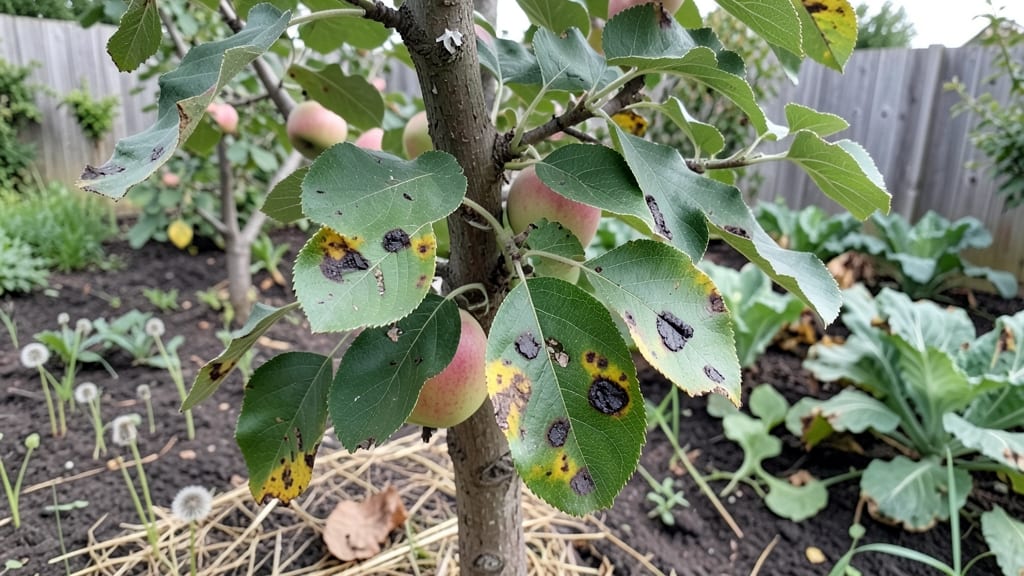
Tree diseases on leaves can transform a thriving garden into a scene of quiet devastation—anthracnose turning my neighbor’s maple into a brown mess, powdery mildew ghosting my roses white. 🌿 skeletons—both preventable with the right know-how.
The key is catching these diseases early, when a few sprays or pruning can still save your tree.
Most fungal issues start with tiny specks—yellow, brown, or black—that grow into larger patches if ignored. Some diseases, like apple scab or cedar rust, leave sticky residue or weird growths on leaves, while others just make them curl or drop prematurely.
The good news? Organic treatments like neem oil, copper fungicide, or proper pruning can stop them in their tracks before they spread.
📚 In This Guide
- What you need
- Instructions
- Tips and common mistakes
- Wrapping up and next steps
What you need
- ● Handheld magnifying glass (10x magnification) – for closely inspecting leaf details like spores or lesions.
- ● Pruning shears or sharp bypass pruners – sterilized with 70% isopropyl alcohol to prevent cross-contamination.
- ● Disposable gloves (nitrile or latex) – to protect your hands from sap, spores, or irritants.
- ● Plastic bags or paper envelopes (5–10) – for collecting leaf samples to examine later or share with an expert.
- ● Spray bottle with water – for rinsing leaves before inspection.
- ● Field guide or smartphone app (e.g., PlantVillage or iNaturalist) – for quick disease identification.
- ● Fungicide (copper-based or neem oil-based) – for treatment (follow label instructions for dilution).
- ● Labeling tags or markers – to track diseased branches or trees over time.
- ● Digital camera with macro mode – to capture high-resolution images of symptoms for expert analysis.
- ● pH testing kit – to check soil acidity, which can influence disease susceptibility.
- ● Tree disease identification kit (e.g., Burpee or Gardeners.com kits) – for at-home lab testing.
- ● Compost bin or mulch – to safely dispose of heavily infected leaves (avoid adding to garden beds).
- ● Safety goggles – if working with harsh chemicals or near large trees.
How to identify and treat common tree leaf fungal diseases
Here’s how I spot and stop the most destructive fungal issues before they spread.
🌿 Step 1: Inspect Leaves for Early Signs of Fungal Infection
Start by examining the leaves from the ground up—fungal spores often appear first on lower branches or shaded foliage. Look for discolored spots, powdery coatings, or unusual textures that signal trouble. I always check the undersides of leaves first; many fungi, like anthracnose or rust, thrive there before spreading to the top.
Focus on new growth and mature leaves—early symptoms include small, dark spots with yellow halos or white, fuzzy patches. If you see leaves curling or dropping prematurely, that’s a red flag for fungal activity. Grab a magnifying glass if needed; some spores are barely visible to the naked eye.
💧 Step 2: Confirm the Disease Type by Visual Clues
Each fungal disease has a signature look. Powdery mildew appears as a white, flour-like dust on leaf surfaces, while anthracnose shows up as sunken, dark spots with concentric rings. Rust diseases often create orange or brown pustules on the undersides of leaves, and leaf spot looks like irregular brown patches with yellow borders.
I keep a small reference guide nearby—some diseases, like apple scab, mimic others until you see the velvety black fruiting bodies on infected leaves. If you’re unsure, snap a photo and compare it to online resources or consult a local extension office. Early identification means faster treatment.
✂️ Step 3: Prune and Remove Infected Foliage Immediately
Use sterilized pruners (wipe blades with rubbing alcohol between cuts) to remove any leaves, branches, or twigs showing signs of disease. Do not compost infected plant material—this spreads spores. Instead, bag the debris in a sealed plastic bag and toss it in the trash. I always prune on a dry day to avoid splashing spores onto healthy leaves.
Focus on removing entire branches if the infection is severe, cutting 6 inches below the last visible sign of disease. Thin out the canopy slightly to improve airflow, which helps leaves dry faster and reduces humidity—fungi love damp conditions. After pruning, clean up fallen leaves and debris from the base of the tree.
🌱 Step 4: Apply Fungicidal Treatment at the Right Time
For preventive care, I apply a copper-based fungicide or neem oil spray in early spring before new leaves emerge. If the tree is already infected, switch to a systemic fungicide (like myclobutanil) for deeper protection. Always follow the label instructions for concentration and application timing—overuse can harm beneficial insects and the tree itself.
Spray early in the morning or late afternoon to avoid burning leaves in direct sunlight. Cover the entire leaf surface, including undersides, and reapply every 7-14 days or after heavy rain. I also add a mulch layer (2-3 inches) around the base to keep soil moist but not soggy—fungi thrive in waterlogged conditions.
☀️ Step 5: Adjust Care to Prevent Future Outbreaks
Most fungal diseases flourish in shady, humid conditions. If your tree is in a low-light area, consider thinning nearby branches or relocating the tree to a sunnier spot. Water at the base of the tree (not overhead) to keep leaves dry, and avoid late-day watering, which leaves foliage damp overnight—perfect for fungal growth.
Finally, fertilize in early spring with a balanced, slow-release fertilizer to strengthen the tree’s defenses. Healthy trees resist disease better. I also monitor for pests like aphids or mites, which can weaken leaves and make them more susceptible to fungi. A strong tree is your best defense.
Tips & tricks for identifying and treating tree leaf fungal diseases
A few key tricks will help you catch fungal issues early and stop them before they spread across your entire tree.
The Early Detection Secret: In Step 1, when you're inspecting leaves, focus on the undersides first—that's where many fungal spores hide. I've caught early powdery mildew by flipping leaves over and noticing tiny white specks before they spread to the tops. Use a magnifying glass if you're unsure; some spores are barely visible to the naked eye.
Visual Clue Mastery: Step 2 is all about pattern recognition. For example, rust diseases create those distinctive orange or brown pustules on leaf undersides, while apple scab shows up as velvety black fruiting bodies. Keep a small reference guide handy or snap photos of suspicious leaves—comparing them to online resources can help you identify the specific disease quickly.
Pruning Precision: When you're removing infected foliage in Step 3, cut 6 inches below the last visible sign of disease to ensure you're getting all the infected tissue. Sterilize your pruners between cuts with rubbing alcohol to prevent cross-contamination. I've also found that pruning on a dry day prevents splashing spores onto healthy leaves during the process.
Treatment Timing: In Step 4, applying fungicides at the right time is crucial. For preventive care, I apply copper-based fungicides or neem oil spray in early spring before new leaves emerge. If your tree is already infected, switch to a systemic fungicide like myclobutanil for deeper protection. Always follow the label instructions for concentration and application timing—overuse can actually harm beneficial insects and your tree.
Pro Tips for Tree Diseases On Leaves
- A few key tricks will help you catch fungal issues early and stop them before they spread across your entire tree.
- The Early Detection Secret: In Step 1, when you're inspecting leaves, focus on the undersides first—that's where many fungal spores hide.
- Visual Clue Mastery: Step 2 is all about pattern recognition.
Frequently asked questions
What are the most common signs of fungal diseases on tree leaves?
Look for spots, discoloration, blotches, or unusual textures like powdery coatings or sticky residue (honeydew). Yellowing, wilting, or premature leaf drop are also red flags. Early detection is key—check leaves regularly, especially after rain or high humidity.
When is the best time to treat fungal diseases on tree leaves?
Act as soon as symptoms appear, but avoid treating in extreme heat or frost (fungicides work best at 50–85°F). Spring and early summer are ideal for preventative sprays, while fall cleanup (removing infected leaves) helps stop overwintering spores. Pro tip: Morning applications reduce evaporation!
Are there natural remedies for tree leaf diseases instead of chemicals?
Yes! Try neem oil, baking soda spray (1 tbsp + 1 tsp oil per gallon of water), or copper fungicides. Prune infected branches and improve airflow by thinning dense foliage. Compost diseased leaves separately to avoid spreading spores.
Can I save a tree if most of its leaves are already infected?
It depends! Mild cases may recover with treatment, but severe infections (e.g., anthracnose or canker) could mean the tree is beyond saving. Act fast: Prune dead branches, apply fungicide, and monitor. If the tree is struggling structurally, consult an arborist for removal options.
Why do some leaves get diseased while others on the same tree stay healthy?
Fungal spores target weak spots—leaves with poor nutrition, physical damage, or limited sunlight are more vulnerable. Overwatering or compacted soil can also create ideal fungal conditions. Balance care: Water at the base, mulch properly, and fertilize evenly for resilience.
Wrapping up and next steps
Recognizing and addressing tree diseases on leaves early can save your trees—and your sanity! 🌳 From fungal spots to blights, knowing the signs empowers you to act fast with the right tools and techniques.
Whether you’re a gardening pro or a curious beginner, you’ve got this—just stay vigilant, prune wisely, and treat with care.
Ready to take action? Start by inspecting your trees weekly—early detection is your best defense! If you spot something concerning, bookmark this guide and tackle it step by step. Happy (and healthy) gardening! 🌱