
Trees
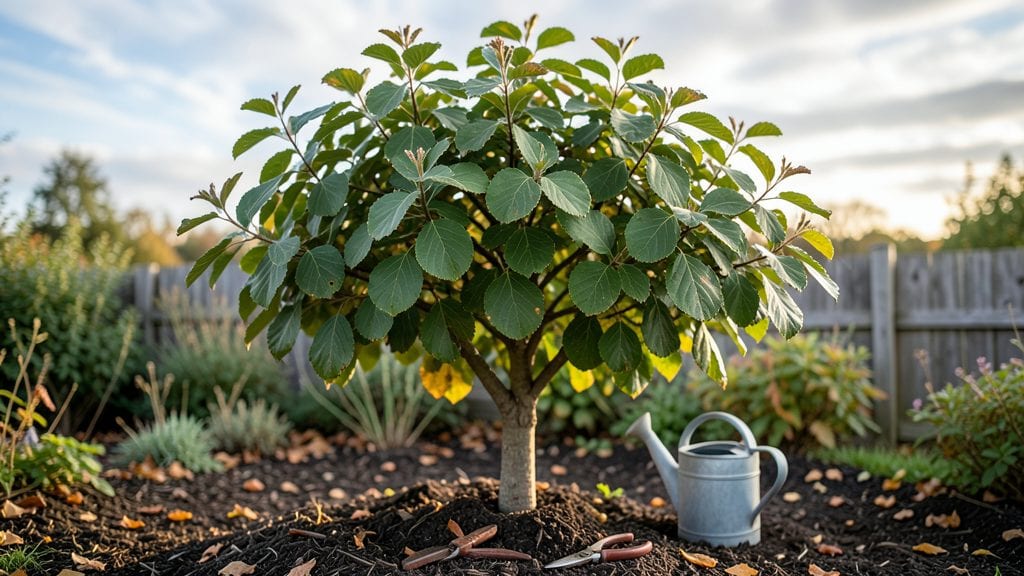
Filbert tree leaves aren’t just pretty—they’re packed with nutty flavor waiting to be unlocked. 🌿 I’ve spent years perfecting the harvest and drying process, and the difference between fresh and properly dried leaves is like night and day for baking or tea blends.
Start by harvesting leaves when they’re fully mature but before they brown—usually late summer. Watch for signs of stress like yellowing or curling, which can ruin your flavor. Once picked, lay them out in a dry, well-ventilated space for 2-3 weeks, stirring them daily to ensure even drying.
The key is patience; rushing this step means bitter, weak leaves that won’t deliver that rich, roasted hazelnut taste.
📚 In This Guide
- What you need
- Instructions
- Tips and common mistakes
- Wrapping up and next steps
What you need
- ● Fresh filbert tree leaves: 1–2 lbs (or ~2–3 cups loosely packed). Harvest from healthy, pesticide-free trees in late spring or early summer when leaves are mature but not wilted.
- ● Pruning shears or sharp scissors: 1 pair (sterilized with rubbing alcohol for hygiene).
- ● Large paper bags or breathable cloth sacks: 2–3 (for transporting leaves without crushing).
- ● Drying trays or screens: 2–4 (preferably mesh or perforated to allow airflow).
- ● Dehydrator or food dryer: 1 (capable of 95°F–115°F/35°C–46°C) or a well-ventilated indoor space with a fan.
- ● Air-tight storage containers: 1–2 (glass jars or food-grade plastic with lids).
- ● Gloves: 1 pair (to protect hands from sap or prickly stems).
- ● Labeling tags: 3–5 (to track harvest dates and drying batches).
- ● Food-grade essential oils (e.g., lavender or rosemary): 1–2 drops (for enhancing flavor during drying).
- ● Digital thermometer: 1 (to monitor drying temperature).
- ● Cheesecloth or fine mesh bags: 2–3 (for straining dried leaves post-processing).
How to harvest and dry filbert tree leaves for flavor extraction
Here’s the straightforward method I’ve used to preserve those aromatic leaves—no fancy equipment, just sharp timing and patience.
🌿 Step 1: Identify and Harvest Mature Leaves
Filbert tree leaves are at their peak flavor when fully mature but still vibrant green—usually mid-to-late summer when nuts begin forming. Look for leaves that are 3-5 inches long, glossy, and free of brown edges or spots. Avoid leaves near the ground or those with pest damage.
Harvest on a dry morning after the dew has evaporated. Use clean, sharp scissors or pruners to snip stems at a 45-degree angle just above a leaf node. This encourages new growth and keeps the plant healthy. I like to work in batches of 10-15 leaves at a time to avoid crushing them.
🌿 Step 2: Rinse and Prepare for Drying
Spread the leaves on a clean towel and gently brush off any debris or insects. Rinse them under cool water if they’re dusty, then pat dry with a fresh towel. Never soak them—excess moisture slows drying and can cause mold. I lay them flat on a rack or hang them in small bundles with rubber bands.
For best results, dry leaves in a well-ventilated area with indirect sunlight and temperatures between 70-80°F. A shaded porch or a drying screen works perfectly. Avoid direct sunlight, which can bleach the leaves and degrade their flavor compounds.
⏰ Step 3: Dry Thoroughly for Storage
Drying takes 3-5 days, depending on humidity. Leaves are ready when they’re crisp to the touch and easily crumble between your fingers. Check daily—overdrying turns them brittle, while underdrying leaves them prone to spoilage.
Once fully dry, store leaves in an airtight container away from light. I crush them lightly with a mortar and pestle before storing to release their oils and intensify the flavor. Label the container with the harvest date—properly dried leaves keep their aroma for up to 6 months.
💧 Step 4: Test for Flavor and Use
Before using, crush a pinch of dried leaves between your fingers. They should release a rich, nutty aroma—if it’s faint, dry them longer or harvest fresh leaves next season. For infusions, steep 1-2 teaspoons of dried leaves in 1 cup of hot water for 10 minutes.
I’ve used these dried leaves to flavor syrups, teas, and even homemade vinegar. Start with small amounts—filbert leaves pack a bold, hazelnut-like punch! If the flavor seems too strong, dilute with a milder herb like mint or thyme.
Tips & tricks for perfect filbert tree leaf preservation
Here's what nobody tells you about harvesting and drying leaves that actually pack that deep, nutty punch.
Timing Secret: Harvest leaves in the early morning when they're at their freshest—right after the dew evaporates but before the sun beats down. This is when their essential oils are most concentrated. I've learned the hard way that afternoon harvests often yield leaves that dry with a duller flavor. Also, work in batches of 10-15 leaves to avoid bruising them, which can lead to faster spoilage.
Drying Conditions: The 70-80°F temperature range mentioned is critical, but humidity is just as important. If your area is particularly humid, consider using a small fan on low to circulate air without creating drafts. I've had great success with a simple window screen set up on my porch with a fan blowing gently across it—this creates perfect drying conditions without direct sunlight.
Storage Wisdom: That 6-month shelf life is amazing, but there's a trick to make them last even longer. Once you've crushed the leaves to release their oils, divide them into small portions and store them in ice cube trays before transferring to your airtight container. This minimizes air exposure and keeps them fresher for up to 12 months. Just pop out what you need for each recipe!
Flavor Test: The aroma test before using is non-negotiable, but here's what to watch for: fully dried leaves should smell like a mix of hazelnuts and fresh green leaves. If they smell more like hay or have no nutty aroma at all, they need more drying time. I've found that leaves dried in cooler conditions (around 70°F) often retain more of their nutty character than those dried in hotter conditions.
Pro Tips for Filbert Tree Leaves
- Here's what nobody tells you about harvesting and drying leaves that actually pack that deep, nutty punch.
- Timing Secret: Harvest leaves in the early morning when they're at their freshest—right after the dew evaporates but before the sun beats down.
- Drying Conditions: The 70-80°F temperature range mentioned is critical, but humidity is just as important.
Frequently asked questions
When is the best time to harvest filbert tree leaves?
The ideal time to harvest filbert (hazelnut) leaves is late spring to early summer, just before the nuts begin to form. This ensures the leaves are fully mature but haven’t started to yellow or drop. Avoid harvesting after heavy rain, as moisture can reduce drying efficiency.
Can I use filbert tree leaves for anything other than drying?
Beyond drying for tea or flavor extraction, filbert leaves can be infused in oils for culinary uses (like drizzling over salads), composted for nutrient-rich soil, or even used in crafts (e.g., potpourri or natural dyes). Just ensure they’re pesticide-free if edible!
How long does it take to dry filbert tree leaves properly?
Drying time depends on your method:
- Air-drying (hanging bundles): 1–2 weeks in a cool, dark, well-ventilated space (like a pantry).
- Oven-drying: 1–3 hours at 175°F (80°C) on low heat, stirring occasionally to prevent burning.
- Dehydrator: 4–6 hours at 95°F (35°C) for even, gentle drying.
Leaves are ready when they’re crisp, brittle, and crumble easily.
What should I do if my filbert leaves develop mold during drying?
Mold is a red flag—act fast! Stop drying immediately and discard any moldy leaves (they can spoil the batch). To prevent it next time:
- Ensure high airflow (no humidity traps!).
- Use a fan or dehydrator for consistent circulation.
- Avoid overcrowding leaves in drying racks.
If mold appears after storage, check for moisture leaks in your storage container.
Are filbert tree leaves safe to eat, or just for tea?
Filbert leaves are edible and safe in moderation, but they’re bitter and astringent when raw. Most people use them:
- As a tea infusion (1 tsp dried leaves per cup of hot water, steeped 5–10 mins).
- In small amounts in cooking (e.g., pestos, broths, or marinades) for a subtle hazelnut note.
Caution: Some people may experience mild stomach upset if consumed in large quantities. Start with tiny amounts to test tolerance!
Wrapping up and next steps
Harvesting and drying filbert tree leaves is a rewarding way to unlock their unique, nutty flavors for teas, infusions, or culinary experiments! 🌿 Whether you're a gardener, forager, or DIY enthusiast, mastering this process connects you to nature’s hidden treasures.
Start small—gather a few leaves, experiment with drying methods, and let your creativity guide you.
Ready to take the next step? Plant a filbert tree in your garden or explore local foraging spots to build your own supply. Share your discoveries with fellow plant lovers or try blending dried leaves into homemade remedies—your journey with filbert tree leaves is just beginning! 🌱✨