
Pruning
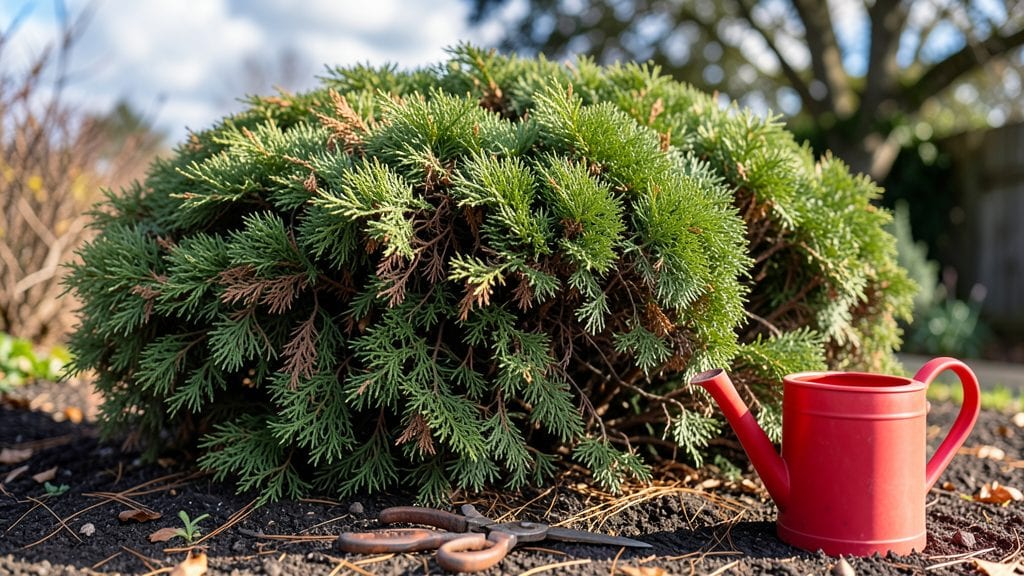
Your Leyland cypress tree problems aren’t just about looks—they’re a cry for help, and when those lush green giants turn into sad, brown skeletons, it’s time to act. 🌿 I’ve seen these trees go from thriving to struggling in just a few seasons, and the fix often starts with diagnosing the real problem before it spreads.
Most issues—like fungal canker, bagworm infestations, or drought stress—share the same early warning signs: yellowing needles, stunted growth, or weeping sap. The good news?
Catching these early means you can save your tree with simple fixes, whether it’s pruning out dead branches, applying fungicide, or just giving it a deep watering. No guesswork needed.
By the end of this, you’ll spot the difference between a pest problem and a disease, know which treatments work fastest, and have a plan to keep your tree thriving for years.
The key is acting before the damage becomes permanent—so let’s get started with the most common culprits and how to stop them in their tracks.
Whether you’re dealing with a new problem or just want to prevent future issues, these solutions work for both young trees and mature giants. The sooner you address the problem, the sooner your Leyland cypress can bounce back to its full, healthy glory.
📚 In This Guide
- What you need
- Instructions
- Tips and common mistakes
- Wrapping up and next steps
What you need
- ● Pruning shears – Sharp, bypass-style shears (10-12" blades) for clean cuts.
- ● Loppers – Heavy-duty (20-24" handles) for thicker branches.
- ● Pruning saw – For large limbs (10-12" blade, curved or straight).
- ● Gloves – Thick, durable work gloves (gardening or pruning-specific).
- ● Disinfectant (70% isopropyl alcohol or bleach solution) – To clean tools between cuts and prevent disease spread.
- ● Fungicide – Copper-based or systemic (e.g., Propiconazole) for fungal issues like Seiridium canker.
- ○ Insecticide (optional) – Horticultural oil or Imidacloprid for pest control (e.g., bagworms, spider mites).
- ● Ladder or extension pole – Sturdy, tall enough to reach the tree’s canopy.
- ● Plastic bags or containers – For collecting pruned branches or pest samples.
- ○ Magnifying glass (optional) – Helps inspect bark, needles, and insects closely.
- ● Safety glasses – Protects eyes from debris.
- ● Long sleeves/pants – Shields skin from sap, thorns, or pesticides.
- ● Weather check – Avoid pruning in extreme heat, rain, or wind.
- ● Tree health assessment – Inspect for signs of disease (oozing sap, discolored needles) or pests before starting.
How to diagnose and treat Leyland cypress tree problems
Leyland cypress trees are tough, but even they face issues. Here's how I identify and fix the most common problems before they spread.
🌿 Step 1: Spot the Signs of Bagworms and Spider Mites
Start by inspecting the needles closely—bagworms hide as small, brownish bags dangling from branches, while spider mites leave behind fine webbing and yellowing needles. I run my fingers along branches to feel for the rough texture of bagworm cocoons, which are about the size of a pencil eraser early on. These pests thrive in dry conditions, so check the undersides of needles where they love to hide.
If you see tiny moving dots or webbing, that's spider mites. They multiply fast, so act quickly. I spray the tree with a strong stream of water first to dislodge them, then follow up with insecticidal soap or neem oil. The key is consistency—treat every 5-7 days for 3 weeks to break their life cycle.
☀️ Step 2: Check for Fungal Diseases Like Canker and Root Rot
Canker disease shows up as sunken, discolored patches on the bark, often oozing sap. I look for these dark, dead spots usually near branch junctions or wounds. Root rot, on the other hand, reveals itself through yellowing needles that start at the bottom of the tree and work upward. The soil around the base may smell foul or feel spongy when pressed.
For canker, I prune out infected branches with clean, sharp shears, cutting back to healthy wood at least 6 inches below the affected area. Sterilize your tools with rubbing alcohol between cuts to prevent spreading. For root rot, improve drainage by amending the soil with compost and avoid overwatering—Leyland cypresses hate soggy roots.
💧 Step 3: Address Needle Blight and Winter Burn
Needle blight causes dark, water-soaked spots on the needles, often starting at the tips. This fungal issue thrives in wet, humid conditions, so I check for this after prolonged rainy spells. Winter burn appears as brown, crispy needles, usually on the south or west sides of the tree where sun exposure is strongest.
To treat needle blight, I apply a fungicide labeled for conifer diseases and prune infected branches. For winter burn, there's no cure, but I can prevent future damage by watering deeply before the first hard freeze and applying a thick layer of mulch around the base. This helps the tree retain moisture and survive winter better.
✂️ Step 4: Prune for Airflow and Prevent Pest Buildup
Thinning out dense branches improves airflow, which reduces humidity and discourages fungal growth. I remove any dead, diseased, or crossing branches first, then shape the tree lightly to maintain its natural form. Always use sharp, sterilized pruners to make clean cuts just outside the branch collar.
I never prune more than 25% of the tree's foliage in one season—this stress can weaken the tree and make it more susceptible to problems. The best time to prune Leyland cypresses is late winter or early spring, before new growth begins.
Tips & tricks for diagnosing and fixing Leyland cypress tree problems
Here's what nobody tells you about keeping your Leyland cypress healthy—these tricks save time and prevent costly mistakes.
Timing is Everything: In Step 1, when treating spider mites, don't rush the 5-7 day treatment schedule. I learned this the hard way—skipping even one treatment lets those mites rebound. Set a calendar reminder right when you start, because consistency is key to breaking their life cycle. The first treatment dislodges visible mites, but it takes the full 3 weeks to kill eggs and larvae hiding in the tree.
Pruning Precision: When cutting back canker-infected branches in Step 2, always cut at least 6 inches below the visible damage. I see people stop right at the discolored area, but fungal spores can linger below the surface. Sterilizing your tools between cuts is just as important as making clean cuts—wipe blades with rubbing alcohol to prevent spreading canker to healthy branches. This single step can mean the difference between a temporary fix and a full recovery.
Winter Burn Prevention: For winter burn prevention in Step 3, focus on the south and west sides of your tree where sun exposure is strongest. I've seen homeowners water deeply in fall only to forget about winter burn until it's too late. Apply a 3-4 inch layer of mulch around the base in late fall, and water the tree thoroughly before the first hard freeze. This moisture reserve helps the tree survive winter stress when roots can't absorb water from frozen ground.
Equipment Essentials: Invest in a pair of sharp, sterilized pruners for Step 4—dull blades tear bark and create larger wounds that invite infection. I keep a small bottle of rubbing alcohol in my gardening toolkit specifically for sterilizing between cuts. And don't forget to sharpen your tools regularly; a quick stroke on a sharpening stone makes all the difference in clean cuts that heal properly.
Pro Tips for Leyland Cypress Tree Problems
- Here's what nobody tells you about keeping your Leyland cypress healthy—these tricks save time and prevent costly mistakes.
- Timing is Everything: In Step 1, when treating spider mites, don't rush the 5-7 day treatment schedule.
- Pruning Precision: When cutting back canker-infected branches in Step 2, always cut at least 6 inches below the visible damage.
Frequently asked questions
Got questions about keeping your Leyland cypress healthy? Here are answers to the most common concerns—plus quick fixes to save your tree!
Why is my Leyland cypress losing needles?
Needle drop is often caused by Seiridium canker (a fungal disease) or environmental stress like drought or poor drainage. Prune infected branches 12+ inches below the lesion and sterilize tools with 70% alcohol. For drought stress, water deeply 1-2x weekly during dry spells.
How do I tell if my Leyland cypress has canker disease?
Look for sunken, oozing cankers on branches or trunk, yellowing needles, and dieback. Unlike frost damage, canker spreads slowly but is fatal if untreated. Remove infected wood immediately and apply fungicide (copper-based) in early spring to prevent spread.
Can I prune a Leyland cypress in winter?
Prune only in late winter (Feb–March) to avoid encouraging fungal growth. Heavy pruning in cold months can stress the tree. Focus on removing dead/diseased wood and shaping lightly—never cut into old wood (it won’t regrow). Use sharp bypass pruners for clean cuts.
What’s a good alternative to Leyland cypress?
If disease is a recurring issue, consider disease-resistant evergreens like:
- ‘Leylandii’ hybrids (e.g., ‘Green Giant’ or ‘Castlewellan Gold’)
- Thuja (Arborvitae) – tougher against canker
- Chamaecyparis lawsoniana (Port Orford Cedar)
How often should I water a Leyland cypress?
Water deeply 1–2 times per week for the first year, then 1x weekly during droughts (check soil 3" deep—it should be slightly moist). Overwatering causes root rot! Mulch 2–3 inches around the base (keep mulch 6" from the trunk) to retain moisture.
What’s the best fungicide for Leyland cypress?
Use a copper-based fungicide (e.g., Copper Sulfate) or propiconazole (like Alamo) for Seiridium canker. Apply preventively in spring (before new growth) and after pruning to wounds. Follow label rates—overuse can harm the tree.
Wrapping up and next steps
Leyland cypress trees are stunning but can face issues like canker disease, bagworms, or root rot—but you’re now equipped to spot and tackle them! 🌿 With the right tools, early action, and preventive care, you can keep your tree thriving for years. Don’t wait until problems worsen—schedule a quick inspection or consult a local arborist if symptoms persist.
💡 Next Steps:
- Check your tree weekly for early signs of stress.
- Apply preventive treatments (like neem oil or fungicides) in spring.
- Need help? Book a pro consultation for expert advice!