
Planting
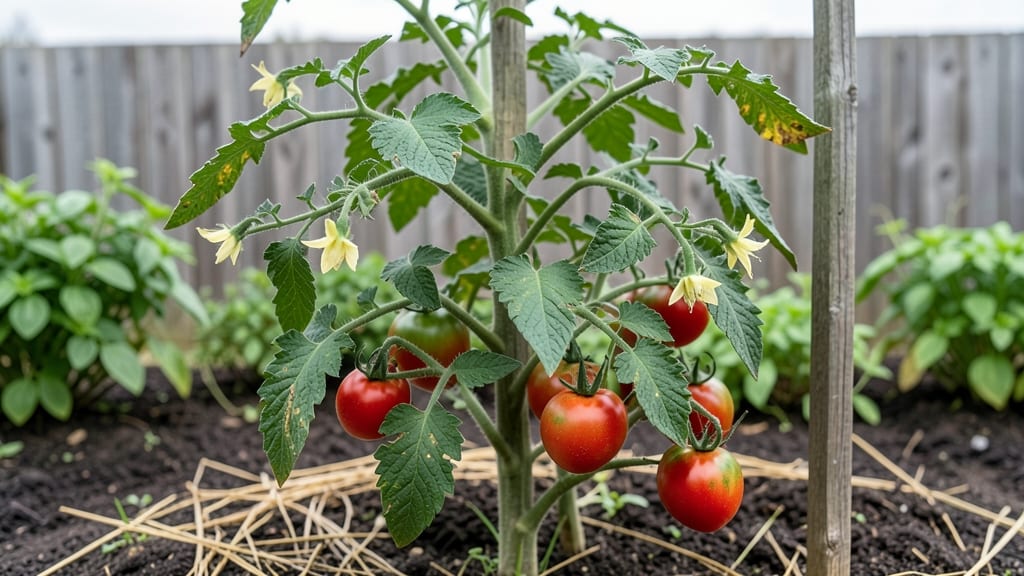
Tomato plant trees aren't trees at all—they're cleverly trained vines that climb like jungle giants. 🌿 I've turned my tiny balcony into a sun-drenched tomato forest by letting vines sprawl up sturdy trellises, and the results? Bursts of red, yellow, and purple fruit where there was once empty space.
The secret starts with the right variety—indeterminate tomatoes like 'Cherokee Purple' or 'Sungold' grow like vines, not bushes, and they'll keep producing all season if you give them something to climb.
You'll need a strong support system—think 6- to 8-foot stakes or a sturdy A-frame trellis—and a soil mix rich in compost. Most people overlook pruning, but snipping suckers (those little shoots between the stem and branches) every two weeks keeps energy flowing upward.
My first attempt ended with tangled vines and broken branches, but now I prune like a pro, and the plants reward me with foot-long trusses of tomatoes by midsummer.
By late fall, you'll have a vertical harvest tower that outproduces any in-ground garden. The vines stay lush and green, the fruit ripens faster in the air, and pests have a harder time finding them.
Plus, you skip the staking wars—no more flimsy cages collapsing under 10-pound tomatoes. The key is consistent watering and a little daily attention to guide the vines upward.
Works for apartments, small yards, or even greenhouses—just adjust the support height to your space. Whether you're growing in containers or directly in the ground, this method turns tomatoes from a space-hog into your most efficient crop. Ready to turn your garden vertical?
📚 In This Guide
- What you need
- Instructions
- Tips and common mistakes
- Wrapping up and next steps
What you need
- ● Tomato seeds or seedlings: Choose determinate varieties (like 'Roma' or 'Celebrity') for compact growth or indeterminate types (like 'Cherry' or 'Sungold') for vining. Quantity: 1–3 plants per trellis.
- ● Container or in-ground spot: A 5-gallon pot or larger (for containers) with drainage holes, or a well-draining garden bed. Soil: 1 part potting mix + 1 part compost.
- ● Trellis or vertical support: DIY option: Sturdy wooden stakes (2–3 ft tall) or a cage trellis (4–5 ft high).
- ● Store-bought: A tomato tower or A-frame trellis (6+ ft tall).
- ● Fertilizer: Balanced 10-10-10 or organic options like fish emulsion or compost tea.
- ● Pruning shears: Sharp, clean shears for trimming suckers and shaping.
- ● Gloves & sun hat: Protect your hands and skin from thorns and sun.
- ● Mulch: Straw or shredded leaves to retain moisture.
- ● Drip irrigation or spray bottle: For consistent watering (especially in containers).
- ● Plant ties or soft twine: To gently secure vines to the trellis.
- ○ Growth regulator (optional): Like seaweed extract to boost flowering.
- ● Pest control: Neem oil or row covers for early-season protection.
Step-by-Step instructions for building a tomato plant tree
Here's how to transform your tomatoes into a lush, space-saving vertical garden that keeps producing all season long.
🌱 Step 1: Choose and Prepare Your Central Support Structure
Start with a sturdy 6-foot wooden post (4x4 or larger) or a metal trellis frame as your central support. I like to use untreated cedar because it resists rot and lasts years. Bury the post 12-18 inches deep in the ground or secure it firmly in a large container if growing in pots. This ensures it won't wobble when laden with fruit.
For containers, use a 5-gallon bucket or whiskey barrel with drainage holes. Fill the bottom third with garden stones for stability, then add 3 gallons of potting mix mixed with 1 cup compost. The key here is drainage—tomatoes hate soggy roots, so make sure excess water can escape freely.
☀️ Step 2: Train the Main Stem and Prune for Structure
Plant your tomato seedlings 4-6 inches from the central post, staking them immediately with 3-foot bamboo stakes tied loosely to the main support. As the plant grows, gently weave the main stem around the post in a spiral pattern, securing it every 12 inches with soft plant ties. This creates your "tree trunk" while encouraging upward growth.
When the plant reaches 3-4 feet tall, start pruning. Remove suckers (the small shoots that form in the leaf axils) to direct energy into fruit production. I like to pinch them off with my fingers—no need for shears. Leave 2-3 strong branches per main stem to form your "limbs." These will become your primary fruiting arms.
🪴 Step 3: Develop the "Branches" for Horizontal Growth
Once your main stem reaches the top of the post (5-6 feet), select the 3 strongest lateral branches and tie them horizontally to create your "branches." Space them 12-18 inches apart vertically. Use soft garden twine to gently bend these branches outward without snapping them. This mimics natural tree growth while maximizing sunlight exposure for fruit development.
As these branches grow, prune back the tips to encourage bushier growth. You'll want 4-5 secondary shoots per branch. These will become your "fruit-bearing limbs." Water deeply 2-3 times weekly (until soil is 2 inches damp), focusing on the base of the plant. The goal is to keep the soil consistently moist but never waterlogged.
✂️ Step 4: Maintain and Harvest for Continuous Production
Every 2-3 weeks, check for new suckers and prune them immediately. Also, remove any yellow or diseased leaves to keep airflow circulating. I like to do this on a dry morning when the plants are least stressed. For containers, fertilize every 4-6 weeks with a balanced 10-10-10 formula to keep up with the plant's rapid growth.
Harvest tomatoes when they're fully colored but still slightly firm. Twist gently to avoid damaging the stem. In warm climates, you can prune back the plant by 1/3 after the first harvest to encourage a second flush of fruit. For indoor growers, supplement with a grow light for 12-14 hours daily to maintain production year-round.
🌿 Step 5: Winter Care for Year-Round Growth
If growing outdoors, mulch heavily with 4-6 inches of straw before the first frost. This insulates roots and protects against temperature swings. For container-grown trees, move them to a cool garage or basement (keep above 40°F) and reduce watering to once every 2-3 weeks. Prune back by half in late winter to prepare for spring regrowth.
Here's the thing—if you keep your tomato tree indoors under grow lights, you can harvest continuously with proper care. Just watch for pests like aphids and treat with neem oil at the first sign. The key to year-round success is light, warmth, and consistent pruning—just like training a real tree!
Tips & tricks for perfect tomato plant tree growth
Transforming your tomatoes into a thriving vertical garden takes a few key tricks to keep them productive and healthy all year long.
Support Stability Matters: When burying your 6-foot post 12-18 inches deep, use a level to ensure it's perfectly vertical. For containers, anchor the post with additional stakes tied at 45-degree angles from the base—this prevents wobbling when heavy with fruit. I learned this the hard way when my first attempt toppled during a windstorm!
Pruning Precision: In Step 2, when pruning suckers, look for the tiny shoots growing between the main stem and branches. These compete for nutrients, so remove them completely at the base. For the "branches" in Step 3, only select those growing at a 45-degree angle or less—steeper angles won't support fruit well. This targeted approach maximizes your harvest potential.
Watering Wisdom: The 2-3 times weekly watering guideline assumes average temperatures. In hotter climates, water daily during peak heat, but always check soil moisture by sticking your finger 2 inches deep—it should feel damp, not soggy. For containers, water until it drains freely from the bottom holes to prevent root rot. This consistent moisture is what keeps your tomato tree thriving through all seasons.
Winter Prep Strategy: Before moving containers indoors for winter, give the roots a final deep watering. This helps them transition smoothly to cooler temperatures. Place your tomato tree near a south-facing window if possible—it needs that natural light to survive the dormant period. The 40°F minimum temperature is critical: colder than this and you risk root damage that could kill your plant.
Pro Tips for Tomato Plant Tree
- Transforming your tomatoes into a thriving vertical garden takes a few key tricks to keep them productive and healthy all year long.
- Support Stability Matters: When burying your 6-foot post 12-18 inches deep, use a level to ensure it's perfectly vertical.
- Pruning Precision: In Step 2, when pruning suckers, look for the tiny shoots growing between the main stem and branches.
Frequently asked questions
Got questions about growing your own tomato plant tree? You’re not alone! Here are answers to the most common queries to help you cultivate a thriving vertical harvest:
How long does it take for a tomato plant tree to bear fruit?
A tomato plant tree typically takes 60–90 days from transplanting to produce fruit, depending on the variety (determinate vs. indeterminate). Early varieties like ‘Early Girl’ may fruit in 55 days, while heirlooms like ‘Brandywine’ take longer. Patience pays off—prune aggressively to redirect energy to fruit production!
Can I grow a tomato plant tree indoors year-round?
Yes! With the right setup: a 6–8 hour daily light source (grow lights work), warmth (70–85°F), and support structures like trellises or cages. Use container-friendly varieties like ‘Tiny Tim’ or ‘Micro Tom’. Just watch for leggy growth—supplement with nutrients like calcium and potassium to keep plants robust.
What pests or diseases should I watch for in a vertical tomato setup?
Vertical growing reduces some issues (like soil-borne diseases), but keep an eye out for:
- Spider mites (tiny webs on leaves—spray with neem oil).
- Whiteflies (sticky traps help).
- Blossom end rot (caused by calcium deficiency—use crushed eggshells or calcium supplements).
- Fungal issues (like early blight) from humidity—improve airflow with pruning!
How often should I prune a tomato plant tree?
Prune weekly during the growing season to shape your tomato plant tree:
- Remove suckers (shoots in leaf axils) to focus energy on fruit.
- Trim yellow leaves or diseased foliage immediately.
- Pinch back top growth after flowering to encourage bushier structure.
What’s the best alternative if I don’t have space for a full tomato tree?
Try these space-saving hacks:
- Dwarf varieties: ‘Tumbling Tom’ (c cascading habit) or ‘Balcony Red’ (compact).
- Hanging baskets: Use self-watering pots with a trellis for indeterminate types.
- Vertical planters: Repurpose pallets or wall-mounted pockets for cherry tomatoes.
- Espalier training: Train plants against a fence or wall in a fan shape.
Wrapping up and next steps
Growing a tomato plant tree is a rewarding way to maximize your space while enjoying a bountiful harvest all year round! 🌱 With the right techniques—like pruning, trellising, and proper care—you’ll transform your garden into a thriving vertical oasis.
Whether you’re a beginner or a seasoned gardener, this method makes tomato growing easy and fun.
Now that you’re armed with the knowledge, it’s time to roll up your sleeves and get planting! Start small with one or two plants, experiment with varieties, and watch your tomato plant tree flourish. Happy gardening—your future salads (and bragging rights) will thank you! 🍅✨