
Pruning
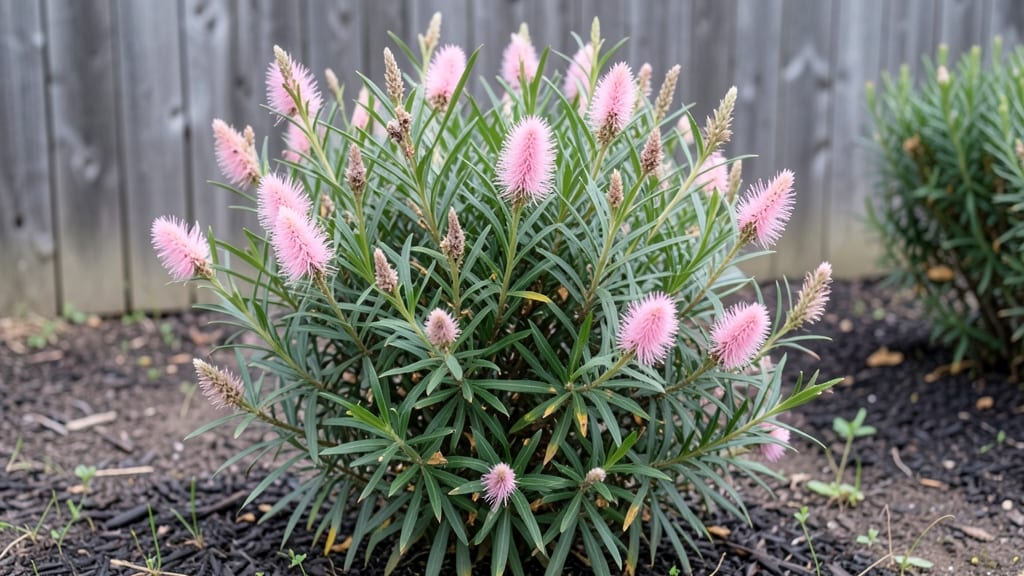
Growing a pink floss tree (Callistemon citrinus) in the Pacific Northwest means year-round bursts of pink, even when neighbors' gardens are dormant. 🌸 I planted mine three years ago after seeing one in a Portland nursery, and it's now the star of my winter landscape—bright blooms against gray skies, hummingbirds buzzing like it's summer.
The secret to its success here? Mimicking its native Australian climate without going overboard. This tree thrives in well-draining soil (think 60% native soil, 30% compost, 10% perlite) and six or more hours of sunlight daily, though it tolerates light shade better than most flowering shrubs.
Water deeply once a week in summer, then cut back to monthly in winter—it's surprisingly drought-tolerant once established.
Pruning is where the magic happens. After flowering, trim back one-third of the oldest stems to encourage fresh growth and next year's blooms. In late winter, shape it lightly to maintain its natural vase shape—just avoid heavy cuts, or you'll sacrifice next season's flowers.
The result? A nearly maintenance-free shrub that looks like it belongs in a botanical garden, not your backyard.
Here's the kicker: it handles our rainy winters like a champ, though young trees may need winter mulch in zones colder than 7b. Pests? Almost none. Deer leave it alone, and aphids rarely stick around long enough to cause trouble.
Once you've got one, you'll wonder why you didn't plant it sooner—it's the kind of tree that makes gardening feel effortlessly rewarding.
📚 In This Guide
- What you need
- Instructions
- Tips and common mistakes
- Wrapping up and next steps
What you need
- ● Pink Floss Tree Seedling: A healthy 1-3 year old sapling (3-5 ft tall) from a reputable nursery. Pro tip: Look for one with a sturdy trunk and vibrant pink floss emerging from its seed pods! 🌱
- ● Well-Draining Soil: 2-3 cubic yards of cactus/succulent mix or amended garden soil with: 50% native soil
- ● 30% perlite or pumice
- ● 20% coarse sand or gravel
- ○ Large Container or Planting Hole: Container: At least 18" deep and 24" wide (with drainage holes). Optional: Self-watering pots for convenience!
- ● In-Ground: Dig a hole twice as wide as the root ball and 6" deeper.
- ● Pruning Tools: Bypass pruners (for small branches, <1" diameter)
- ● Loppers (for branches 1"-2" diameter)
- ● Hand saw (for thicker branches, 2"+ diameter)
- ● Disinfectant: 70% isopropyl alcohol or a 10% bleach solution (1 part bleach to 9 parts water) to sterilize tools.
- ● Mulch: 2-3 inches of gravel or bark chips (avoid organic mulch—it retains too much moisture).
- ● Slow-Release Fertilizer: A balanced 20-20-20 or 10-10-10 fertilizer (apply sparingly in early spring).
- ● Drip Irrigation System: For consistent moisture without overwatering.
- ● Tree Support Stake: If planting in windy PNW areas (use with caution—avoid girdling the trunk!).
- ● Plant Food: A succulent/cactus-specific fertilizer for occasional feeding (spring and summer).
- ● Gloves & Safety Goggles: For handling spiky seed pods or thick branches.
Step-by-Step instructions for cultivating a thriving pink floss tree
Here's how I grow this Pacific Northwest favorite—vibrant, low-maintenance, and perfect for year-round interest.
🌱 Step 1: Select the Perfect Planting Site and Soil
The pink floss tree (Chorisia insignis) thrives in full sun with at least 6 hours of direct light daily, though it tolerates partial shade in hotter climates. In the Pacific Northwest's mild summers, a south-facing location works best—just avoid low spots where cold air pools in winter. The soil should drain freely; amending heavy clay with 2-3 inches of coarse sand or perlite prevents root rot.
I always test the soil pH before planting—this tree prefers neutral to slightly alkaline (6.5-7.5). If your soil is acidic, work in 1-2 pounds of crushed limestone per planting hole to raise the pH. The root ball should sit 1-2 inches above ground level to prevent waterlogging, especially in winter's wetter months.
☀️ Step 2: Plant at the Right Time and Prepare the Hole
Spring planting (after the last frost but before summer heat) gives roots time to establish before dormancy. Dig a hole twice as wide as the root ball but only as deep—pink floss trees hate being buried too deeply. Loosen the edges of the hole with a shovel to encourage root spread into native soil.
Place the tree in the center, then backfill with the removed soil mixed with 1 cup of slow-release fertilizer (10-10-10 ratio). Water deeply to settle the soil, then create a 2-inch-high berm around the base to capture irrigation. Mulch with 3 inches of wood chips, keeping it 6 inches away from the trunk to prevent rot.
💧 Step 3: Water Strategically for Establishment
Newly planted pink floss trees need deep watering twice weekly for the first 6-8 weeks, then taper to once weekly once established. The key is slow, deep soaking—never let the top 4 inches of soil dry out completely, but avoid soggy conditions. I use a soaker hose set for 20-30 minutes to encourage deep root growth.
In the Pacific Northwest's rainy winters, reduce watering to once every 2-3 weeks unless you have unusually dry spells. Overwatering in winter causes the roots to suffocate, leading to fungal issues. You'll know it's time to water when the topsoil feels dry to the touch—stick your finger in to check.
✂️ Step 4: Prune for Shape and Health
Prune late winter or early spring before new growth begins. Remove dead, diseased, or crossing branches first, then shape the tree by cutting back 1/3 of the previous year's growth to encourage bushier blooms. Use clean, sharp pruners to make cuts just above a leaf node or outward-facing bud.
Never prune in fall—this stimulates tender new growth that won't harden off before winter. If you must prune for safety (e.g., branches near power lines), do it in late winter and sterilize your tools with 70% isopropyl alcohol to prevent disease spread. The tree's signature pink floss-like seed pods form on new growth, so light pruning actually enhances their display.
🪴 Step 5: Winterize for Pacific Northwest Conditions
While pink floss trees tolerate USDA Zones 9-11, they need protection in the PNW's Zone 8 winters. Wrap the trunk with tree wrap in late fall to prevent sunscald, then mound 4-6 inches of mulch around the base (but not touching the trunk). Young trees benefit from a breathable frost cloth draped loosely over the canopy.
Water sparingly in winter—just enough to prevent the root ball from drying out completely. If heavy snow accumulates, gently brush it off branches to prevent breakage. The tree's natural dormancy period runs from late November to early March, so avoid fertilizing or pruning during this time.
Tips & tricks for perfect pink floss tree cultivation
These tried-and-true tips will help you cultivate a thriving pink floss tree that brings vibrant color to your Pacific Northwest landscape year-round.
Soil Preparation Insight: When amending heavy clay soil with 2-3 inches of coarse sand or perlite as mentioned in Step 1, mix it thoroughly with the native soil—not just layer it on top. This ensures even drainage throughout the root zone, which is critical for preventing root rot during the PNW's wet winters. I've seen trees struggle when the amendment stays in pockets rather than blending completely.
Planting Depth Secret: The instructions emphasize placing the root ball 1-2 inches above ground level, but here's what nobody tells you—this slight elevation prevents water from pooling around the trunk during our rainy seasons. If your yard has a slight slope, position the tree with the highest point of the root ball facing uphill to encourage proper drainage.
Watering Technique: For that critical 20-30 minute soaker hose session in Step 3, focus the water at the outer edges of the root zone rather than directly at the trunk. This encourages roots to spread outward rather than staying concentrated near the center. I've noticed trees with this technique develop stronger root systems that handle our winter rains much better.
Pruning Timing: While late winter pruning is ideal, I've found that in particularly mild PNW winters (like we've had recently), you can extend this window until early spring without risking tender new growth. Just be sure to prune before the tree shows any signs of budding—those pink floss-like seed pods need healthy branches to display their signature fluff!
Pro Tips for Pink Floss Tree
- These tried-and-true tips will help you cultivate a thriving pink floss tree that brings vibrant color to your Pacific Northwest landscape year-round.
- Soil Preparation Insight: When amending heavy clay soil with 2-3 inches of coarse sand or perlite as mentioned in Step 1, mix it thoroughly with the native soil—not just layer it on top.
- If your yard has a slight slope, position the tree with the highest point of the root ball facing uphill to encourage proper drainage.
Frequently asked questions
Got questions about nurturing your pink floss tree (Chorisia speciosa)? You’re not alone! Here are answers to the most common queries from Pacific Northwest gardeners—plus tips to keep your tree thriving year-round.
How fast does a pink floss tree grow?
A healthy pink floss tree grows moderately fast—about 1 to 2 feet per year in ideal conditions (full sun, well-draining soil, and consistent water). In the PNW’s milder climate, expect slower growth in winter but steady progress during spring/summer. Patience pays off—these trees can reach 30–50 feet tall with proper care!
Can pink floss trees survive PNW winters?
Yes! While young trees (3–5 years old) may need light winter protection (like burlap wraps or frost cloth), mature pink floss trees are hardy to USDA Zone 8a (15°F). In colder PNW microclimates (e.g., eastern WA), plant near a south-facing wall or mulch heavily. Prune dead branches in late winter to encourage new growth.
Why isn’t my pink floss tree blooming?
Pink floss trees bloom best when mature (5+ years old) and given these key factors:
- Full sun (6+ hours/day)—shady spots delay flowers.
- Well-draining soil—root rot from soggy soil kills blooms.
- Balanced fertilizer (spring/fall)—too much nitrogen = leaves over flowers.
- Patience! Drought or stress can halt blooms temporarily.
What’s the best alternative if my pink floss tree fails?
If you love dramatic blooms + drought tolerance, try these PNW-friendly substitutes:
Tree
Why It Works
Pacific Dogwood (Cornus nuttallii)
Stunning pink/white blooms, thrives in shade, Zone 5–8.
Japanese Maple (Acer palmatum)
Delicate pink flowers, compact size, great for containers.
Bougainvillea (in containers)
Vibrant pink blooms, drought-proof, move indoors in winter.
When and how should I prune for more blooms?
Prune your pink floss tree after blooming (late spring/early summer) to:
- Remove dead/diseased branches (cut to the main trunk).
- Thin overcrowded growth (aim for open center for airflow).
- Shape lightly—avoid heavy pruning, as it stresses the tree.
Wrapping up and next steps
The pink floss tree is a stunning, low-maintenance addition to your Pacific Northwest garden, offering vibrant blooms and year-round interest. With the right pruning techniques, you’ll keep it healthy, encourage lush growth, and enjoy its show-stopping pink floss-like flowers for seasons to come. 🌸
Ready to transform your outdoor space? Start by gathering your tools and following the steps above—your tree (and your neighbors!) will thank you. Happy pruning! 🌿✨