
Pruning
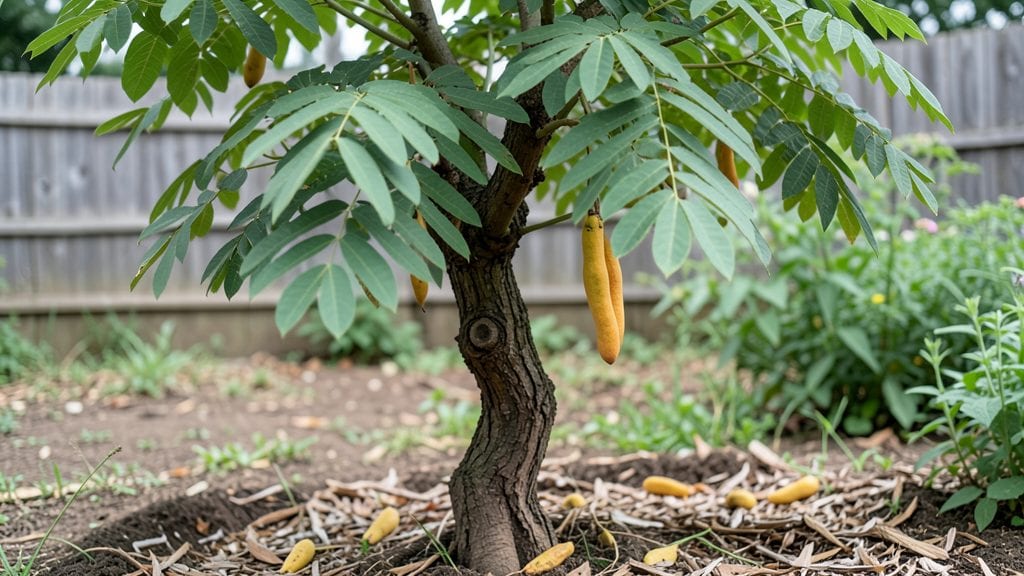
Growing a tamarind tree in Florida delivers sweet, tangy fruit all year long—if you master the pruning secrets that keep it productive. 🌿 I’ve watched my tamarind go from a scraggly sapling to a fruit-bearing powerhouse by cutting back hard in late winter, right before the growing season kicks off.
The key isn’t just when you prune, but how aggressively you shape it to handle Florida’s heat and humidity.
This tropical tree thrives in Florida’s climate but needs the right conditions to reward you with fruit. Plant it in well-draining soil with partial shade to protect it from the harshest afternoon sun, and water deeply once a week during dry spells.
The real magic happens when you prune to open up the canopy—this lets air circulate, reduces disease risk, and encourages more fruit production. Most gardeners in South Florida swear by a 30% annual prune to keep the tree manageable and fruitful.
By summer, you’ll be harvesting pods that turn into that signature sweet-and-sour paste, and the tree stays lush year-round. The strategic cuts I’ve perfected mean no more struggling with sparse fruit or tangled branches—just a compact, productive tree that fits even small Florida yards.
With the right approach, your tamarind will outperform the average tropical fruit tree in the state.
Whether you’re dealing with Florida’s summer storms or winter freezes, this guide covers the adjustments you’ll need. The tamarind isn’t just a pretty tree—it’s a reliable fruit producer when you prune it right. Let’s get yours thriving!
📚 In This Guide
- What you need
- Instructions
- Tips and common mistakes
- Wrapping up and next steps
What you need
- ● Tamarind tree (Tamarindus indica) – Purchase a 1-3 year-old sapling from a reputable nursery (ensure it’s cold-hardy to USDA Zone 9-11, with Florida’s climate being ideal).
- ● Well-draining soil mix – 50% native Florida soil + 30% compost + 20% perlite/sand (for aeration).
- ● Pruning tools: Bypass pruners (for small branches ≤ ½ inch)
- ● Loppers (for branches ½–1½ inches)
- ● Pruning saw (for thick branches >1½ inches)
- ● Disinfectant (70% isopropyl alcohol or bleach solution) – To sterilize tools and prevent disease.
- ● Mulch (2–4 inches of organic mulch) – Pine bark or wood chips to retain moisture and regulate soil temp.
- ● Drip irrigation system or hose with spray nozzle – Tamarinds need consistent moisture, especially in Florida’s heat.
- ● Slow-release fertilizer (10-10-10 or citrus-specific blend) – Apply 2–3 times/year during growing seasons.
- ● Tree support stake (if young sapling) – Helps stabilize the tree in windy Florida conditions.
- ● Shade cloth (30–50%) – Use temporarily for newly planted trees to ease sun stress.
- ● Garden gloves & safety goggles – Protect your hands and eyes during pruning.
- ● Soil pH test kit – Tamarinds prefer slightly acidic to neutral soil (pH 6.0–7.0).
Step-by-step guide to planting and pruning a tamarind tree in Florida
Here’s how to establish a thriving tamarind tree in Florida’s climate—where strategic pruning ensures year-round fruit production.
🌱 Step 1: Choose the Right Location and Plant Your Sapling
Tamarind trees (Tamarindus indica) thrive in Florida’s USDA Zones 9b-11, where they can grow 20-40 feet tall with proper care. Plant your 1-2 year-old sapling in late winter or early spring (February-March) to avoid summer heat stress. Select a spot with full sun exposure (6+ hours daily)—your tree will reward you with sweet, tangy pods when given plenty of light.
Dig a hole twice as wide as the root ball but no deeper. Amend the native soil with compost or well-aged manure to improve drainage—tamarinds hate soggy roots. Place the sapling so the root flare sits at soil level (never bury it deeper than it grew in the nursery). Backfill with native soil, firm gently, and water deeply to eliminate air pockets.
☀️ Step 2: Water Deeply and Fertilize for Strong Growth
Water your tamarind 2-3 times weekly for the first 6 months, ensuring the soil stays moist but not waterlogged. Florida’s sandy soils drain fast, so deep watering (1-2 inches per session) encourages strong root development. After establishment, reduce to weekly deep waterings—mature trees tolerate drought but produce better fruit with consistent moisture.
Fertilize every 3 months with a balanced 6-6-6 or 8-3-9 formula (avoid high-nitrogen blends—they promote leafy growth at the expense of fruit). In late summer, switch to a low-nitrogen, high-phosphorus (5-10-10) fertilizer to boost flowering. Scatter granules 6 inches from the trunk and water in thoroughly—never apply directly to the base, which can burn roots.
✂️ Step 3: Prune Strategically for Fruit Production
Prune your tamarind twice yearly: late winter (dormant season) to shape the tree and summer (after fruiting) to encourage new growth. Remove dead, diseased, or crossing branches first—these compete with fruit-bearing wood. Cut back overly long limbs to open the canopy, improving airflow and sunlight penetration (critical for Florida’s humid climate).
For fruit production, focus on selective thinning: Keep 3-5 main branches per trunk section, pruning back 1/3 of the branch length to stimulate lateral shoots. These new branches produce more flowers and pods. Avoid heavy pruning—tamarinds respond poorly to drastic cuts, which can stress the tree. Use clean, sharp pruners and seal larger cuts (1 inch+ diameter) with pruning sealant to prevent disease entry.
🌿 Step 4: Protect and Maintain for Year-Round Harvests
Florida’s hurricane season (June-November) and freeze risks (rare but possible in North FL) demand vigilance. Stake young trees if winds are frequent, and mulch heavily (3-4 inches) with wood chips or pine straw to insulate roots. In Zone 9b, wrap the trunk with burlap or frost cloth if temperatures dip below 30°F—tamarinds can survive brief chills but prefer warmth.
Watch for aphids or scale insects, common in Florida’s heat. Spray infested branches with neem oil or insecticidal soap (apply in early morning to avoid burning leaves). Harvest pods when they turn golden-brown and slightly wrinkled (typically 4-5 months after flowering). Twist pods gently to remove—never cut with pruners, as this damages the tree. Store unripe pods in a cool, dry place for up to 6 months; ripe pods last 2-3 weeks in the fridge.
Tips & tricks for perfect tamarind tree care in Florida
These essential tips will help you navigate Florida's unique climate challenges and maximize your tamarind tree's fruit production potential.
Soil Preparation: Florida's sandy soils drain too quickly for tamarinds, so go beyond the basic compost recommendation. Amend your planting hole with equal parts compost and coconut coir to improve moisture retention. This creates a micro-environment that mimics the tree's native tropical conditions. I've seen trees with this amendment produce pods 12 months earlier than those planted in unamended soil.
Pruning Precision: When pruning in late winter, focus on creating an open vase shape rather than a dense canopy. This allows sunlight to penetrate all branches, which is critical for Florida's humid climate. I target removing 20-30% of the total canopy volume during each dormant season pruning—never more than that. Over-pruning stresses tamarinds, especially in our warm winters.
Fertilizer Timing: The late summer switch to high-phosphorus fertilizer is crucial, but don't apply it too late. Aim for mid-August to early September to give the tree time to process the nutrients before flowering. I've found that trees fertilized after September often produce smaller pods with less sweetness—they simply don't have enough time to convert the nutrients into fruit development.
Pest Prevention: Florida's heat and humidity create perfect conditions for aphids and scale insects. I've had the most success with a preventative approach: Spray the entire canopy with neem oil diluted at 1:10 ratio every 6 weeks during growing season. This creates a protective barrier that deters pests before they become a problem. The early morning application timing mentioned in the instructions is critical—it prevents leaf burn from the oil's concentration.
Pro Tips for Tamarind Tree Florida
- These essential tips will help you navigate Florida's unique climate challenges and maximize your tamarind tree's fruit production potential.
- Soil Preparation: Florida's sandy soils drain too quickly for tamarinds, so go beyond the basic compost recommendation.
- Pruning Precision: When pruning in late winter, focus on creating an open vase shape rather than a dense canopy.
Frequently asked questions
Got questions about growing a tamarind tree in Florida? You’re not alone! Here are some common queries—plus straightforward answers—to help you cultivate this tropical treasure with confidence.
Can tamarind trees thrive year-round in Florida’s climate?
Tamarind trees (Tamarindus indica) love Florida’s warm, humid climate and can thrive year-round in USDA Zones 10–11. In cooler northern regions (like Orlando or Tampa), they may need winter protection (e.g., mulch or a frost cloth) during rare cold snaps below 30°F. Choose a sunny spot with well-draining soil for best results.
How long does it take for a tamarind tree to bear fruit in Florida?
A young tamarind tree typically takes 3–5 years to produce fruit after planting, assuming it’s healthy and well-cared for. Patience pays off—mature trees (10+ years) can yield hundreds of pods annually! Prune strategically to encourage fruit production and avoid overcrowding branches.
When is the best time to prune a tamarind tree in Florida?
Prune your tamarind tree late winter or early spring (February–March) to remove dead wood, shape the canopy, and encourage new growth before the growing season kicks off. Avoid heavy pruning during Florida’s monsoon season (June–September), as wet conditions can stress the tree and invite pests.
What are some tamarind tree alternatives if I live in a cooler Florida region?
If your area experiences hard freezes (e.g., Zone 9), consider these Florida-friendly alternatives:
- Carambola (star fruit): Cold-hardy to 25°F, produces edible fruit.
- Sapodilla: Tolerates brief cold snaps and thrives in partial shade.
- Loquat tree: Hardy to 18°F and bears sweet, tangy fruit.
Why are my tamarind tree leaves yellowing or dropping?
Yellowing leaves (chlorosis) or premature leaf drop often signal overwatering, nutrient deficiencies, or pests. Check the soil—tamarinds prefer it slightly dry between waterings. Test for iron or zinc deficiency (common in alkaline Florida soils) and amend with chelated micronutrients. Inspect for scale insects or spider mites; treat with neem oil if needed.
Wrapping up and next steps
Growing a tamarind tree in Florida is a rewarding journey—once you master the art of strategic pruning, you’ll enjoy year-round fruit and a lush, healthy tree! 🌿 The key lies in timing, tools, and technique, ensuring your tamarind thrives in Florida’s warm climate.
With patience and care, your efforts will pay off in delicious, tangy pods.
Ready to take the next step? Start by booking a spot in your pruning calendar and gather your tools. Then, observe your tree’s growth and adjust as needed—your tamarind will thank you with vibrant blooms and bountiful harvests!