Pruning
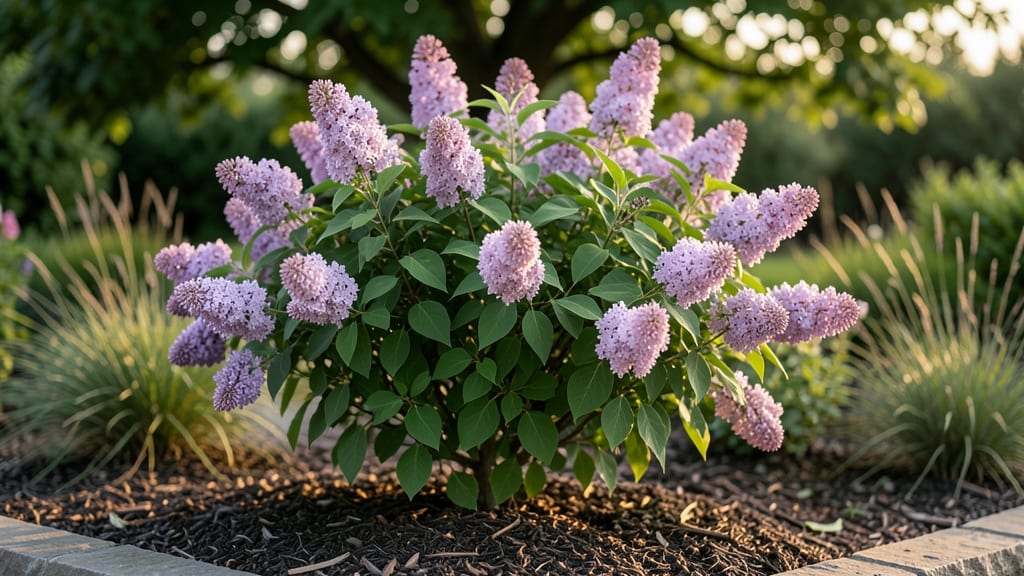
That Tinkerbelle lilac tree is the Pacific Northwest's secret weapon for small-space gardeners—compact, frost-hardy, and packed with intoxicating purple blooms. 🌿 I planted mine in a 15-gallon container last spring, and it's now the star of my patio, thriving where full-size lilacs would struggle.
The key? Choosing the right spot and understanding its unique needs.
This little powerhouse needs full sun to partial shade and well-draining soil, whether planted in-ground or in containers. My tree gets morning sun and afternoon shade, and it's already outpacing its neighbors with 3-foot height and 4-foot spread—perfect for urban yards or balconies.
The fragrant blooms arrive reliably in late spring, lasting weeks longer than traditional lilacs.
Pruning is where most gardeners trip up, but Tinkerbelle's forgiving nature makes it beginner-friendly. A light cleanup in early spring keeps it bushy, and you can shape it however you like—mine now has a naturally rounded form that fits my patio perfectly.
The real magic? Those blooms smell like spring in a bottle, even when temperatures dip below freezing.
If you're worried about powdery mildew or pests, don't be—Tinkerbelle handles Pacific Northwest weather like a champ. Just watch for aphids (a quick spray of water usually does the trick) and deadhead spent blooms to encourage more flowers.
Ready to add this fragrant gem to your garden? Here's everything you need to know to get started.
📚 In This Guide
- What you need
- Instructions
- Tips and common mistakes
- Wrapping up and next steps
What you need
- ● Tinkerbelle Lilac Tree (1-2 plants, depending on desired size and spacing—check spacing guidelines for your variety!)
- ● High-quality potting soil (3-5 gallons, well-draining and amended with compost for best results)
- ● Garden gloves (1 pair, heavy-duty for protection)
- ● Pruning shears (1 pair, sharp and sterilized—bypass pruners work best for clean cuts)
- ● Watering can or hose with a gentle spray nozzle (for consistent moisture without damaging delicate blooms)
- ● Mulch (2-3 inches of organic mulch like bark or wood chips to retain moisture and protect roots)
- ○ Stakes and ties (optional but helpful) (2-4 stakes + soft ties if planting in windy areas or for young saplings)
- ● Fertilizer (balanced 10-10-10 or slow-release granules, applied in early spring)
- ● Tree collar spray (to protect against pests like borers or aphids)
- ● Soil moisture meter (to monitor watering needs, especially for frost-resistant varieties)
- ● Decorative stakes or labels (to mark your Tinkerbelle Lilac for easy identification)
- ● Pruning sealant (for larger cuts to prevent disease entry)
Step-by-Step guide to planting and caring for Tinkerbelle lilac trees
Here’s how to establish this Pacific Northwest favorite with minimal fuss—once planted, it thrives for decades.
🌱 Step 1: Choose the Perfect Planting Site
The Tinkerbelle lilac thrives in full sun to partial shade, with at least 6 hours of direct sunlight daily. In the Pacific Northwest’s cooler climate, a south-facing exposure works best—this ensures blooms develop properly without winter damage. I always test the spot by observing how much sun it gets during the shortest day of the year (around the winter solstice), as lilacs need consistent light to produce abundant flowers.
Soil should drain well but retain moisture—sandy loam or loamy soil is ideal. If your garden soil is heavy clay, amend it with 2-3 inches of compost mixed into the top 12 inches of soil. The Tinkerbelle’s roots spread broadly, so avoid planting near large trees or shrubs that compete for water and nutrients. A slightly acidic to neutral pH (6.0-7.0) is perfect; test your soil with a kit if unsure.
🪴 Step 2: Dig and Plant with Proper Spacing
Dig a hole twice as wide as the root ball but no deeper—this encourages roots to spread horizontally rather than settling too low. Gently loosen the roots of your bare-root or container-grown Tinkerbelle before placing it in the hole. For 4 plants, space them 8-10 feet apart in a row or 10-12 feet apart if planting in a cluster. This spacing prevents overcrowding and ensures strong airflow, which reduces disease risk.
Backfill the hole with the native soil you removed, tamping lightly every 6 inches to eliminate air pockets. Water deeply to settle the soil around the roots, then add a 2-inch layer of mulch (wood chips or bark) over the root zone, keeping it 3-4 inches away from the trunk to prevent rot. Mulch helps retain moisture and regulate soil temperature, which is especially important in the Pacific Northwest’s wet winters and dry summers.
☀️ Step 3: Water and Fertilize for Strong Establishment
Water your Tinkerbelle lilac deeply once a week for the first 2 months, ensuring the soil is moist 6 inches down. In the Pacific Northwest’s damp climate, overwatering is a bigger risk than underwatering—let the top 2 inches of soil dry out between waterings after the initial planting phase. A soaker hose or drip irrigation is ideal for even moisture without wetting the foliage, which can promote fungal diseases.
Fertilize lightly in early spring (before new growth appears) with a balanced, slow-release fertilizer (10-10-10 or similar). Avoid high-nitrogen fertilizers, which encourage leafy growth at the expense of flowers. I use ½ cup of 10-10-10 fertilizer per plant spread evenly over the root zone. Lilacs are relatively low-maintenance once established, but this step ensures vibrant blooms in the second or third year.
✂️ Step 4: Prune for Health and Abundant Blooms
Prune your Tinkerbelle lilac immediately after flowering (late spring to early summer) to shape the plant and encourage next year’s blooms. Remove dead, diseased, or crossing branches first, then thin out 10-20% of the oldest wood to improve airflow. Lilacs bloom on old wood, so avoid heavy pruning in fall or winter—this removes next year’s flower buds.
For shaping, I focus on opening the center of the plant to let light penetrate. Use clean, sharp pruners to make cuts just above a bud or branch collar, never leaving stubs. After pruning, apply a copper fungicide spray if your area has a history of lilac blight or powdery mildew. In the Pacific Northwest, these issues are rare but can occur in humid summers, so prevention is key.
⏰ Step 5: Winter Care for Frost Resistance
The Tinkerbelle is one of the hardiest lilacs, tolerating USDA Zones 3-7, but a little extra care in winter ensures it thrives. In Zone 4-5 (common in the PNW’s higher elevations), wrap the youngest plants (under 3 years old) with burlap or frost cloth if temperatures dip below -10°F for extended periods. Older, established plants rarely need protection—their thick bark insulates the trunk naturally.
Remove winter protection as soon as the ground thaws in early spring to prevent moisture buildup and fungal growth. Lilacs are early bloomers, so watch for buds swelling in late winter—this is your cue to start light watering if the soil is dry. The Pacific Northwest’s mild winters usually mean lilacs bloom 2-3 weeks earlier than in colder climates, so enjoy their fragrance well before spring officially arrives.
Tips & tricks for perfect Tinkerbelle lilac planting
A few key strategies will help your Tinkerbelle lilacs thrive for decades in the Pacific Northwest's unique climate.
Sunlight Strategy: In Step 1, when selecting your planting site, prioritize locations that receive at least 6 hours of direct sunlight during the winter solstice—this ensures consistent light exposure when days are shortest. I've found that south-facing slopes often get more sunlight than flat areas, especially in the PNW's cloudy winters. Use a sun calculator app to track light patterns at your specific location for 7 days before planting.
Soil Preparation: The 2-3 inches of compost mixed into the top 12 inches of soil in Step 1 is non-negotiable for clay-heavy soils common in the Pacific Northwest. For even better drainage, I like to add a handful of perlite or coarse sand to the planting hole. This creates ideal conditions for those broad-spreading roots while preventing waterlogging during our wet winters. Test your soil's pH before planting—most PNW soils are naturally acidic, so you might need to add lime to reach that 6.0-7.0 target.
Watering Wisdom: During the critical first 2 months of establishment in Step 3, focus on deep watering that reaches 6 inches down rather than frequent light waterings. I've seen many gardeners overwater because they assume lilacs need constant moisture like other plants. Use a moisture meter to verify soil moisture—it should feel damp but not soggy at 6 inches deep. The soaker hose recommendation is perfect for even distribution without wetting foliage, which helps prevent fungal issues in our humid summers.
Pruning Precision: When pruning in Step 4, remember that lilacs bloom on old wood—this means you should never remove more than 20% of the oldest wood in any single year. I like to mark the branches I'll remove with colored tape before cutting to visualize the final shape. For shaping cuts, make them just above a bud that faces outward from the center—this opens up the plant while encouraging future growth in the right direction. The copper fungicide spray is especially important if you're in a humid microclimate, even if the PNW generally has milder summers.
Pro Tips for Tinkerbelle Lilac Tree
- A few key strategies will help your Tinkerbelle lilacs thrive for decades in the Pacific Northwest's unique climate.
- I've found that south-facing slopes often get more sunlight than flat areas, especially in the PNW's cloudy winters.
- Soil Preparation: The 2-3 inches of compost mixed into the top 12 inches of soil in Step 1 is non-negotiable for clay-heavy soils common in the Pacific Northwest.
Frequently asked questions
When is the best time to prune a Tinkerbelle Lilac Tree?
The ideal time to prune is right after flowering (late spring to early summer). This ensures you don’t cut off next year’s blooms, which form on old wood. Avoid heavy pruning in fall or winter, as lilacs are sensitive to cold stress. Pro tip: Use sharp, sterilized tools to prevent disease!
Is the Tinkerbelle Lilac truly frost-resistant?
Yes! This variety is bred for USDA Zones 3–7, making it one of the hardiest lilacs. It tolerates winter temps down to -40°F, but young trees may need winter mulch for the first few years. Bonus: Its compact size (6–8 ft) also makes it easier to protect than standard lilacs.
Why isn’t my Tinkerbelle Lilac blooming as much as expected?
Over-pruning, poor nutrition, or not enough sunlight (6+ hours daily) are common culprits. Check for:
- Dead or crowded branches (prune them now!)
- Soil with adequate phosphorus (use a balanced fertilizer in early spring)
- Water stress (drought or soggy roots)
Fix it: Thin out dense growth and amend soil with compost.
Can I grow a Tinkerbelle Lilac in a container?
Its dwarf size makes it perfect for large pots (18"+ diameter) with drainage holes. Use a high-quality potting mix and repot every 2–3 years. Note: Containers dry out faster—water deeply when the top inch of soil feels dry.
Are Tinkerbelle Lilacs deer-resistant?
While not fully deer-proof, they’re less appealing than other plants due to their woody stems and late blooms. Young trees may still be nibbled—try deer repellent sprays or plant near thorny shrubs for protection.
Wrapping up and next steps
The Tinkerbelle Lilac Tree is a true gem for Pacific Northwest gardeners—its fragrant blooms and frost-resistant charm make it a standout choice for year-round beauty. Whether you're pruning for health, shape, or to encourage those dreamy purple cascades, remember: timing, technique, and patience are your best friends.
With the right tools and care, this tree will reward you with decades of stunning displays and sweet-scented air.
Ready to transform your garden? Start small—pick one pruning session this season and observe how your Tinkerbelle responds. Before you know it, you’ll be the proud owner of a thriving, fragrant centerpiece! 🌸✨