
Pruning
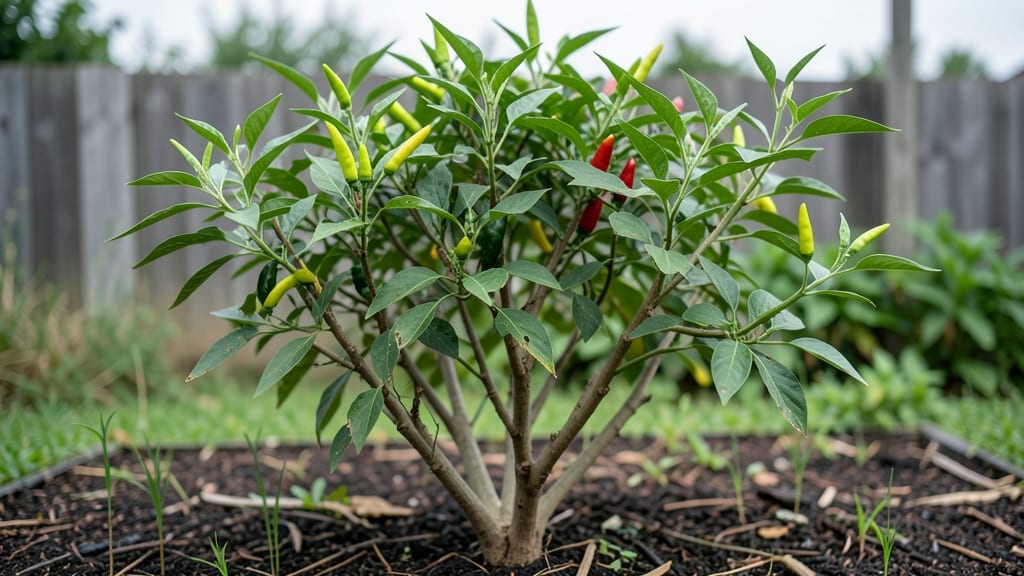
Growing a Thai chilli tree in the Pacific Northwest feels like defying the odds—until you see those fiery red peppers ripening on your patio. I’ve wrestled with this tropical beauty through three winters, and here’s how we keep it thriving despite our chilly climate.
The key? Understanding its natural rhythm and pruning it just right to survive our damp, cool summers. That first flush of new growth in spring is worth every extra layer of frost cloth.
This plant isn’t your average houseplant—it’s a tropical shrub that needs warmth to fruit, but with the right pruning calendar, it can bounce back year after year. Think of it as a delicate balance: too much pruning and it struggles to recover; too little and it becomes leggy and sparse.
My tree now produces hundreds of peppers each season, and the secret lies in timing cuts to match our Pacific Northwest’s mild winters and wet springs. Start with sharp pruners and a clear plan—this isn’t guesswork.
What you’ll end up with is a compact, productive plant that rewards you with heat levels ranging from mild to downright spicy. The first harvests arrive in late summer, and if you prune correctly, you’ll get a second wave of peppers before frost.
The foliage stays lush and glossy, and the peppers—whether you use them fresh, dried, or in cooking—taste like a taste of Thailand right in your kitchen. Just don’t let it sit in soggy soil, or you’ll lose those peppers to rot.
This method works for container growers and in-ground plantings alike, whether you’re in Seattle, Portland, or the San Juan Islands. The pruning calendar adapts to your microclimate, and with a little patience, you’ll have a Thai chilli tree that outlasts most annuals.
Ready to turn your patio into a spice factory? Let’s get started.
📚 In This Guide
- What you need
- Instructions
- Tips and common mistakes
- Wrapping up and next steps
What you need
- ● Pruning shears: Bypass pruners (sharp, clean, and capable of cutting through woody stems up to ½ inch thick). Quantity: 1 pair.
- ● Hand pruners: For smaller stems (ergonomic, bypass-style for precision). Quantity: 1 pair.
- ● Loppers: For thicker branches (16–24 inch reach, bypass or anvil type). Quantity: 1 pair.
- ● Disinfectant: 70% isopropyl alcohol or bleach solution (1 part bleach to 9 parts water) to sterilize tools between cuts. Quantity: Small spray bottle or cloth.
- ● Garden gloves: Cut-resistant, durable (nitrile-coated for grip and protection). Quantity: 1 pair.
- ● Trash bags or bucket: For pruned debris (heavy-duty, lined if composting). Quantity: 1–2.
- ● Sharpener: Pruner sharpening stone or file to maintain blade edge.
- ● Sealing wax: Pruning sealant (for large cuts to prevent disease).
- ● Notebook & pen: To track pruning dates and observations.
- ● Safety glasses: For protection (if dealing with thorny or overgrown plants).
- ● Hose or spray bottle: To rinse tools and clean cuts.
Instructions for pruning your Thai chilli tree in the Pacific Northwest
Here's the seasonal approach I've perfected for keeping your Thai chilli tree thriving year-round in our cool, wet climate.
Prune for Shape in Late Winter
Wait until after the last frost (typically mid-February in the PNW) before making your first cuts. Choose a dry, sunny day to reduce stress on the tree. I start by removing any dead, diseased, or crossing branches first—they're the easiest to spot and always need to go. Use clean, sharp pruning shears to make cuts just above a leaf node or outward-facing bud.
Shape the tree into an open vase form by selecting 3-5 main branches to grow vertically. Remove any suckers (shoots growing from the base or trunk) immediately—they drain energy from fruit production. You'll know you're on track when the tree's structure looks balanced and sunlight can reach all branches. Avoid heavy pruning now; focus on cleaning up and establishing a strong framework.
Light Pruning During Early Spring Growth
As new growth begins in late April or early May, do a light maintenance pruning to encourage bushier growth. Pinch back the tips of new shoots to promote branching—this is where you'll get more chilli pods later. Look for branches growing inward and remove them to improve airflow, which prevents fungal diseases common in our damp climate.
I like to leave about 1/3 of the previous year's growth on each branch. This ensures the tree has enough foliage for photosynthesis while still allowing sunlight to reach the center. Water deeply after pruning to help the tree recover. You'll notice fresh new leaves emerging within 7-10 days, signaling the tree is responding well to the pruning.
Summer Pruning for Fruit Production
During the summer months (June through August), focus on pruning to maximize fruit production. Remove any branches that are rubbing against each other, as these will create wounds prone to infection. Also, trim back any overly vigorous shoots that are growing too fast—they'll produce fewer chilli pods. I typically do this pruning in the morning when the tree is well-hydrated.
Pay special attention to branches with heavy fruit loads. If you see a branch sagging under the weight of chillies, it's time to prune. Cut back to a strong lateral branch or leaf node to redistribute the weight. This is also when I remove any spent flowers that aren't producing fruit, redirecting the tree's energy toward developing more pods. You'll see a noticeable increase in fruit production within a few weeks of this summer pruning.
Final Pruning and Preparation for Winter
In late fall, after the first frost but before the ground freezes (usually October or November), do your final pruning of the year. Remove any remaining dead or diseased branches, and trim back any overly long branches to about 1/3 of their length. This helps the tree enter dormancy in a stronger state and makes it easier to manage next year's growth.
Apply a 1-2 inch layer of mulch around the base of the tree, but keep it away from the trunk to prevent rot. This helps insulate the roots during our cold winters. Water the tree thoroughly before the first hard freeze to ensure it's well-hydrated going into dormancy. You'll know the tree is ready for winter when it drops most of its leaves and the remaining branches look healthy and sturdy.
Monitor and Adjust Throughout the Year
Keep an eye on your Thai chilli tree throughout the year, making small adjustments as needed. If you notice any signs of pest infestation (like aphids or spider mites), address them promptly with neem oil or insecticidal soap. In the PNW, watch for signs of fungal diseases like powdery mildew, especially on crowded branches—this is your cue to improve airflow with more aggressive pruning.
I also recommend fertilizing lightly in early spring and again in midsummer with a balanced, organic fertilizer. This keeps the tree healthy without overstimulating growth that might not survive our winters. By following this calendar, your Thai chilli tree will produce a steady harvest of hot, flavorful chillies year after year, even in our challenging climate.
Tips & tricks for pruning your Thai chilli tree
These practical tips will help you navigate the unique challenges of pruning a Thai chilli tree in our cool, wet climate—where timing and technique make all the difference.
Timing is Everything: The 7-10 day window after pruning when you should see new leaves emerging is your best indicator of success. If your tree isn't responding within this timeframe, check for proper watering—PNW soil can stay damp longer than expected, sometimes delaying regrowth. I've seen trees take up to 14 days in particularly wet springs, so don't panic if you're in a rainy season.
Tool Selection Matters: Invest in a good pair of bypass pruning shears—they make cleaner cuts that heal faster. For larger branches (over 1/2 inch thick), use loppers instead of trying to force smaller shears. I keep a small bottle of rubbing alcohol handy to wipe down my tools between cuts—this prevents spreading any potential diseases between branches.
Seasonal Adjustments: In our rainy summers, I often find myself pruning more aggressively than the instructions suggest to improve airflow. If you notice powdery mildew developing on crowded branches, don't wait for fall—prune those affected areas immediately. The goal is to keep your tree's center open and well-ventilated, especially during our damp growing season.
Winter Preparation Tip: When applying that 1-2 inch layer of mulch in late fall, consider using straw or wood chips instead of leaves. Our wet winters can cause leaf mold, which might introduce additional moisture problems. I also like to add a handful of compost to the mulch—it gives the tree a little nutritional boost as it enters dormancy.
Pro Tips for Thai Chilli Tree
- These practical tips will help you navigate the unique challenges of pruning a Thai chilli tree in our cool, wet climate—where timing and technique make all the difference.
- Timing is Everything: The 7-10 day window after pruning when you should see new leaves emerging is your best indicator of success.
- Tool Selection Matters: Invest in a good pair of bypass pruning shears—they make cleaner cuts that heal faster.
Frequently asked questions
Got questions about growing, pruning, or caring for your Thai chili tree? Here are some of the most common ones—plus expert answers to keep your plant thriving in the Pacific Northwest’s climate.
Can I grow a Thai chili tree indoors in the PNW?
A Thai chili tree can thrive indoors with the right setup! Place it near a south-facing window for 6+ hours of sunlight daily. Supplement with a grow light if needed, and keep temperatures between 65–85°F. Just ensure it gets well-draining soil and avoid overwatering—root rot is a common indoor pitfall.
When is the best time to prune my Thai chili tree?
Prune your Thai chili tree in early spring (March–April) before new growth begins. This encourages bushier growth and more fruit. Avoid heavy pruning in fall or winter, as the plant needs energy to recover. Pro tip: Always use sterilized pruners and snip just above a leaf node for cleaner cuts!
How do I protect my Thai chili tree from PNW’s cool summers?
The Thai chili tree loves warmth but can handle mild PNW summers if given extra care. Move potted plants to a sunny patio or greenhouse during heatwaves, and mulch outdoor plants to retain soil warmth. If nights dip below 55°F, consider bringing potted trees indoors temporarily or using a frost cloth for extra insulation.
What should I do if my Thai chili tree’s leaves turn yellow?
Yellow leaves usually signal overwatering or nutrient deficiency. Let the soil dry out between waterings, and amend with a balanced fertilizer (10-10-10) every 4–6 weeks during growing season. Check for pests like spider mites too—wipe leaves with neem oil if needed. Pro tip: Yellowing on older leaves is normal, but new growth turning yellow? Act fast!
Are there milder Thai chili tree varieties for beginners?
Yes! If you’re new to growing Thai chilies, try ‘Prik Thai’ (Bird’s Eye Chili) or ‘Prik Kee Noo’, which are slightly less fiery but still packed with flavor. For even milder options, consider ‘Thai Sweet Chili’ varieties—just be sure to check the heat level (Scoville scale) before planting. Start with 1–2 plants to test your tolerance!
Wrapping up and next steps
Growing a Thai chilli tree in the Pacific Northwest is totally doable with the right care—and pruning is key! 🌱 By following this seasonal calendar, you’ll keep your plant thriving, boost fruit production, and enjoy that signature fiery flavor year after year.
Whether you’re a first-time gardener or a seasoned green thumb, your chilli tree’s success starts with confident pruning.
Ready to take the next step? Start small: Grab your pruners, mark your calendar for the next pruning window, and give your Thai chilli tree the love it deserves. Before you know it, you’ll be harvesting homegrown peppers to spice up every dish! 🌶️