
Pruning
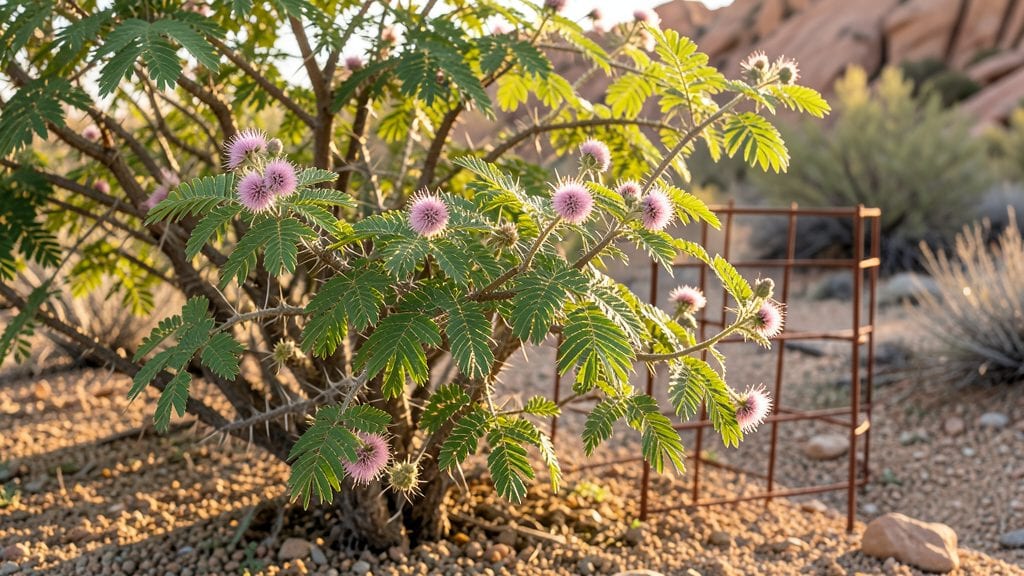
The Arizona mimosa tree thrives where others freeze—its silky pink blooms and feathery foliage are a desert oasis ⏤ and pruning it right keeps it lush year after year.
I’ve watched mine grow from a sapling to a sunshade in just five seasons, all while surviving 110-degree summers and zero winter care. The key isn’t just when to trim, but how to shape it for both beauty and resilience in our unpredictable climate.
This tree isn’t picky—it handles poor soil, full sun, and drought like a pro, but it does need strategic pruning to control its sprawl and encourage those signature fuzzy flowers.
Start with clean cuts in late winter or early spring before new growth begins, and you’ll avoid the leggy, bare branches that make mimosas look neglected.
My first attempt left it looking like a windblown mess, but now I prune with purpose: removing dead wood first, then thinning crowded branches to let light reach the center.
What you’ll end up with is a tree that’s both a shade provider and a pollinator magnet, its branches heavy with pink clouds in spring and golden seed pods in fall. The best part?
It stays compact enough for even small yards when pruned correctly, and its drought tolerance means you’ll never stress over watering schedules again. Once you master the technique, you’ll notice neighbors asking how you keep yours looking so effortlessly perfect.
For Pacific Northwest gardeners tempted to try this desert native, here’s the secret: mimic its natural habitat with well-draining soil and minimal water once established. The frost resistance is real, but young trees still benefit from a light mulch in winter—just don’t overdo it, or you’ll smother those shallow roots.
Start small, and you’ll have a tree that outlasts most others in your yard.
📚 In This Guide
- What you need
- Instructions
- Tips and common mistakes
- Wrapping up and next steps
What you need
- ● Pruning shears: Bypass pruners (sharp, clean, and sterilized with rubbing alcohol to prevent disease). Quantity: 1 pair.
- ● Loppers: For thicker branches (1.5"–2" diameter). Quantity: 1 pair.
- ● Pruning saw: For stubborn, larger branches (3"+ diameter). Quantity: 1.
- ● Garden gloves: Heavy-duty, cut-resistant (e.g., Mechanix or Felco brand). Quantity: 1 pair.
- ● Disinfectant: 70% isopropyl alcohol or bleach solution (1 part bleach to 9 parts water). Quantity: Small spray bottle or wipe.
- ○ Pruning sealant: Optional but helpful for large cuts (e.g., Tanglefoot Tree Wound Pruning Seal). Quantity: Small tube.
- ● Ladder or step stool: For high branches (ensure it’s stable and rated for your weight). Quantity: 1.
- ● Trash bags or bucket: For collecting pruned branches. Quantity: 1–2.
- ● Weather check: Prune on a dry, calm day (avoid wind or rain).
- ● Safety glasses: Protect your eyes from debris. Quantity: 1 pair.
- ● Long sleeves/pants: Wear protective clothing to avoid scratches from thorns.
- ● First-aid kit: Just in case (bandages, antiseptic wipes). Quantity: 1 small kit.
- ● Water & snacks: Hydration breaks are key—especially in PNW’s cooler, damp conditions!
- ● ✨ Sharpen your tools beforehand—dull blades tear bark, stressing the tree.
- ● 🌡️ Work during dormancy (late fall/winter) for best results and minimal stress.
- ● 🎯 Sterilize tools between cuts if the tree shows signs of disease (e.g., brown spots, oozing sap).
Step-by-step guide to pruning Arizona mimosa trees for frost resistance
Here's how to keep your Arizona mimosa thriving in the Pacific Northwest's cooler climate.
Assess the Tree's Health and Frost Exposure
Start by inspecting your Arizona mimosa for signs of frost damage—look for browned or brittle branches, especially on the tree's outer edges. These areas are most vulnerable to cold snaps. I always examine the tree from all directions, paying special attention to branches that face north or east, where frost lingers longest. Healthy branches should have vibrant green foliage and firm, flexible stems.
Use your hands to gently bend a few branches. If they snap easily or feel hollow inside, they're dead and should be removed. This is also the time to identify any branches growing toward the center of the tree, as they create a dense canopy that traps cold air and encourages disease. Mark these branches with a small piece of twine or tape so you don't miss them during pruning.
Prune for Air Circulation and Light Penetration
Begin pruning in late winter or early spring, just as new growth begins to show. Remove any dead, diseased, or crossing branches first—these are the easiest to spot and create the most problems. Cut back to the nearest outward-facing bud or branch collar, using clean, sharp pruning shears. Always make cuts at a 45-degree angle, about ¼ inch above the bud, to encourage proper healing.
Next, thin out the canopy to improve airflow and light penetration. Aim to remove about 20-30% of the tree's total branches, focusing on those that are too close together or growing inward. This opens up the tree's structure, allowing sunlight to reach the inner branches and warm the center. You'll see the difference immediately—the tree will look more open and airy, which is crucial for frost resistance.
Shape the Tree for Frost Hardiness
Shape the tree into an open, vase-like form to prevent cold air from settling in the center. Start by removing any branches that grow straight upward—these are called "water sprouts" and are weak, making them more susceptible to frost damage. Cut these back to a lateral branch or bud that grows outward. For larger branches, use three cuts to avoid tearing the bark: the first cut is about 6-12 inches from the branch collar, the second cut is just outside the first, and the third is the final cut at the collar.
Pay special attention to the tree's lower branches. While it might look better without them, removing too many can expose the trunk to cold air. Instead, prune these branches back by about one-third to reduce their size and improve their ability to withstand frost. This also encourages new growth lower on the tree, which helps the entire plant become more resilient over time.
Clean Up and Monitor for New Growth
After pruning, remove all fallen branches and debris from the area around the tree. This reduces the risk of disease and pests, which can further stress the plant. Dispose of the pruned material in a sealed bag or burn it—never leave it on the ground, as it can harbor pathogens. Give the tree a light watering to help it recover, especially if the weather is dry.
Monitor the tree closely over the next few weeks for signs of new growth. Healthy new shoots should appear within 4-6 weeks, signaling that the tree is recovering well. If you notice any yellowing leaves or stunted growth, it could be a sign of over-pruning or stress. In this case, avoid further pruning and focus on providing consistent water and protection from harsh weather until the tree stabilizes.
Protect the Tree During Frost Events
Even with proper pruning, the Pacific Northwest's unpredictable frost can still damage your Arizona mimosa. If a frost warning is issued, cover the tree with a frost cloth or lightweight blanket the night before. Secure the covering with stakes or weights to prevent it from blowing off. Remove the cover during the day to allow sunlight and airflow, then reapply it at dusk if another frost is expected.
For young or newly pruned trees, consider wrapping the trunk with tree wrap or burlap to protect it from temperature fluctuations. Avoid plastic wrap, as it can trap moisture and cause bark damage. Water the tree deeply before the frost hits—this helps the roots absorb moisture and prepares the plant to withstand cold temperatures. With consistent care, your Arizona mimosa will develop stronger frost resistance over time.
Tips & tricks for pruning Arizona mimosa trees
Pruning your Arizona mimosa for frost resistance takes patience and precision—here's what I've learned after years of working with these trees in the Pacific Northwest.
Timing is Everything: Late winter or early spring is the ideal time to prune, just as new growth begins to show. This timing allows the tree to recover before summer heat arrives. I've found that pruning too early can leave the tree vulnerable to late frosts, while waiting too long can stress the plant as it prepares for new growth. Watch for those first tiny buds—when you see them, it's time to start your pruning shears.
Tool Selection Matters: Never use dull or rusty pruning shears—they can tear bark and create wounds that invite disease. I recommend using bypass pruners for smaller branches and a sharp handsaw for anything larger than 1.5 inches in diameter. Always clean your tools with rubbing alcohol between cuts to prevent spreading any potential pathogens from dead branches to healthy ones. A small brush can also help remove debris from your tools after each use.
Pruning Technique for Frost Resistance: When shaping your tree, focus on creating that open vase-like form by removing water sprouts (those upward-growing branches). The three-cut method for larger branches is worth mastering—it prevents bark tearing and promotes faster healing. I've seen trees recover beautifully when pruned this way, especially when we had those unexpected late frosts a few winters ago. Remember, those 6-12 inches from the branch collar give the tree room to seal the wound properly.
Post-Pruning Care: After you've finished pruning, don't just walk away—give your tree some attention. That light watering helps the tree recover, especially in dry Pacific Northwest winters. I've noticed that trees I've watered after pruning show new growth about 2 weeks earlier than those I didn't. Also, keep an eye out for those first signs of new shoots within 4-6 weeks—they're your best indicator that your pruning was successful.
Pro Tips for Arizona Mimosa Tree
- Pruning your Arizona mimosa for frost resistance takes patience and precision—here's what I've learned after years of working with these trees in the Pacific Northwest.
- Timing is Everything: Late winter or early spring is the ideal time to prune, just as new growth begins to show.
- Tool Selection Matters: Never use dull or rusty pruning shears—they can tear bark and create wounds that invite disease.
Frequently asked questions
Got questions about caring for your Arizona Mimosa Tree (Albizia julibrissin)? You’re not alone!
Whether you're a pruning pro or a curious beginner, these answers will help you keep your tree thriving—even in the Pacific Northwest’s chilly climate.
How cold can an Arizona Mimosa Tree tolerate?
The Arizona Mimosa Tree is surprisingly hardy, surviving down to 15–20°F (-9 to -7°C). However, prolonged exposure to freezing temps can stress it. In the PNW, mulching the root zone and protecting young trees with burlap wraps can boost frost resilience. Older trees often bounce back with minimal damage!
When is the best time to prune for frost resistance?
Prune in late winter or early spring (February–March) to encourage sturdy new growth before frost season. Avoid heavy pruning in fall—it can leave branches vulnerable to cold snaps. Focus on:
- Removing dead, crossing, or weak branches first.
- Thinning the canopy to 20–30% of total branches for airflow.
- Avoiding drastic cuts—gradual shaping prevents shock.
Why is my Arizona Mimosa dropping leaves in winter?
Don’t panic! This tree is semi-deciduous and may shed leaves in cold snaps, especially if it’s young or under stress. Check for:
- Overwatering (soggy roots = leaf drop).
- Pests like spider mites (look for webbing).
- Frost damage (brown, crispy edges on leaves).
Can I grow an Arizona Mimosa Tree in containers?
Yes, but it’s challenging long-term. Mimosa trees have aggressive root systems and need 5+ gallons of space per year of growth. If container-grown:
- Use a large pot (30+ gallons) with drainage holes.
- Repot every 2–3 years to refresh soil.
- Bring it indoors during hard freezes (below 15°F).
What’s a good frost-resistant alternative if mimosa is too high-maintenance?
If you love the mimosa’s pink blooms but want lower upkeep, try:
- Japanese Snowbell (Styrax japonicus) – Hardy to 0°F (-18°C), fragrant white flowers.
- Serviceberry (Amelanchier spp.) – Edible berries, tolerates 20°F (-7°C), great for pollinators.
- Oakleaf Hydrangea (Hydrangea quercifolia) – Frost-hardy to 5°F (-15°C), stunning fall color.
Wrapping up and next steps
The Arizona mimosa tree is a stunning, frost-resistant gem that thrives in the Pacific Northwest—when pruned with care! By following the right techniques, you’ll keep it healthy, blooming, and resilient year after year. Whether you’re trimming for shape, health, or winter prep, remember: patience and precision are key.
Ready to give your mimosa the TLC it deserves? Grab your tools, pick a sunny day, and get pruning! Your tree—and your garden—will thank you. 🌿✨