
Pruning
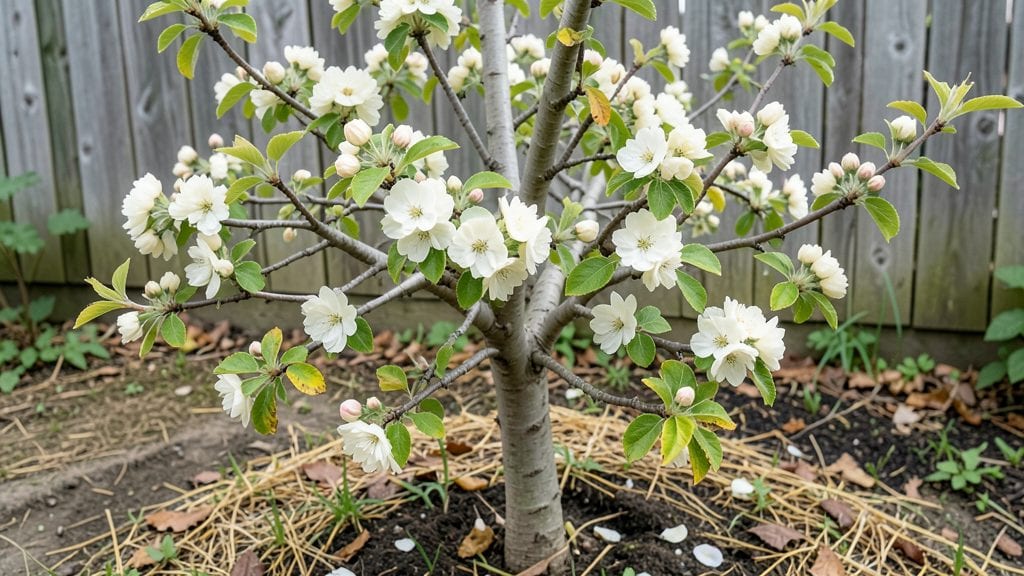
The Malus apple tree thrives in the Pacific Northwest’s chilly winters, but pruning at the wrong time can turn those cold-hardy branches into a tangled mess. 🌿 I’ve watched my own Malus go from a scraggly eyesore to a showstopper just by timing cuts right—spring for blooms, summer for shaping, and winter for cleanup.
The key isn’t just when you prune, but how you do it to keep diseases at bay and encourage those stunning spring flowers.
Start with the right tools: clean, sharp pruners and rubbing alcohol to wipe them between cuts. You’ll need to know your tree’s variety—some Malus prioritize flowers, others fruit, and each responds differently to pruning.
My ‘Centennial’ crabapple, for example, blooms like crazy in spring but needs aggressive thinning to avoid overcrowding. The goal is to open the canopy for sunlight and air circulation, which cuts down on pests and diseases like apple scab.
By late winter, you’ll see the payoff: fresh, vibrant growth pushing through the bark, and next year’s blooms already forming. The tree becomes a magnet for pollinators, and your neighbors will ask how you got such a lush, healthy specimen.
It’s not just about aesthetics—proper pruning means stronger fruit, fewer pests, and a tree that lasts for decades.
This calendar works for USDA zones 5-8, whether you’re in Seattle’s damp climate or the drier east side. The same principles apply to container-grown Malus too, just scale down the tools. Let’s get those branches in shape for another stunning season.
📚 In This Guide
- What you need
- Instructions
- Tips and common mistakes
- Wrapping up and next steps
What you need
- ● Pruning shears: Bypass pruners (sharp, 6-8" blades) for small branches.
- ● Loppers: 8-10" bypass loppers for thicker branches (up to 2" diameter).
- ● Pruning saw: Curved-tooth saw for branches over 2" in diameter.
- ● Gloves: Heavy-duty, cut-resistant gloves (gardening or pruning-specific).
- ● Disinfectant: 70% isopropyl alcohol or a 10% bleach solution (1 part bleach to 9 parts water) to sterilize tools between cuts.
- ○ Pruning sealant (optional but recommended): Tree wound paint or pruning sealant for larger cuts (over ½" diameter).
- ● Safety gear: Safety glasses or goggles to protect against debris.
- ● Twine or zip ties: For temporary support if training young trees.
- ● Weather check: Prune on a dry, calm day (avoid frost or rain within 24 hours).
- ● Tree health assessment: Inspect for pests/diseases (e.g., fire blight, apple scab) before pruning.
- ● Map of your tree: Sketch or note branch structure to visualize cuts (especially for first-timers!).
- ● Cleanup supplies: Heavy-duty trash bags for debris (or a wheelbarrow for larger branches).
- ● Extension pole: For hard-to-reach branches (10-12' pole with loppers attached).
- ● Hose with nozzle: For rinsing tools and cleaning sap off branches.
- ● Tree pruning guidebook: A reference like “Pruning Made Easy” for PNW-specific tips.
- ● Compost bin: To recycle pruned branches as mulch or chip for your garden.
Instructions for pruning your Malus apple tree in the Pacific Northwest
Here's the seasonal pruning schedule I've perfected for my thriving Malus trees—designed for our cooler, wetter climate.
✂️ Step 1: Late Winter Pruning (February-March)
This is your most important pruning window. When buds begin swelling but before new growth starts, grab your pruners and work while the tree is still dormant. I look for dead, diseased, or crossing branches first—these are the easiest to spot against the bare branches. Remove any branch that's thinner than a pencil or shows signs of canker disease (sunken, cracked bark).
Open the center of the tree by cutting out 1-2 older branches per year to improve airflow. Malus trees naturally grow upright, so I focus on maintaining that vase shape. Make cuts just outside the branch collar—the swollen area where the branch meets the trunk—and avoid leaving stubs. After pruning, clean your tools with rubbing alcohol to prevent spreading disease.
🌱 Step 2: Post-Bloom Light Pruning (May-June)
Wait until after all flowers have fallen—usually 4-6 weeks post-bloom—before doing any summer pruning. This step is all about shaping and removing suckers (vigorous shoots at the base) and water sprouts (vertical shoots growing from the trunk or branches). I use hand pruners for branches under ½ inch thick and loppers for anything larger.
This is also when I check for spring frost damage—you'll see brown, shriveled blossoms or leaves that look like they've been singed. Prune out any damaged growth immediately. Never remove more than 10-15% of the tree's foliage in summer, or you'll stress the tree and reduce next year's fruit set.
☀️ Step 3: Summer Monitoring and Minor Adjustments (July-August)
During the growing season, I do minimal pruning—just enough to keep the tree healthy. Watch for branches rubbing together (they'll eventually tear) and prune one of the offending branches back to a lateral bud. Also remove any shoots growing straight up from the trunk—these are water sprouts that drain energy from fruit production.
This is when I also check for aphids or spider mites on new growth. A strong spray of water often dislodges them, but if infestations persist, I treat with neem oil. Malus trees are generally low-maintenance, but summer is when I pay attention to leaf color changes—yellowing leaves can signal overwatering, while crispy edges mean underwatering.
⏰ Step 4: Fall Cleanup (October-November)
After leaves have fallen but before hard frosts arrive, do a final walkthrough. Remove any diseased leaves, mummified fruit (small, dried apples still clinging to branches), and broken or storm-damaged branches. Rake up and dispose of all debris—this prevents fungal spores from overwintering.
I also check for bird damage—Malus trees are prized by robins and cedar waxwings. If you see pecked fruit, consider wrapping the tree in fine netting next spring. Before winter sets in, give the base of the tree a 3-inch layer of wood chips to protect roots from freezing and thawing cycles.
Tips & tricks for pruning your Malus apple tree
These practical tips will help you maintain a healthy, thriving Malus tree while avoiding common pruning mistakes that can stress your tree.
Timing is Everything: In Step 1, when you're pruning in late winter, check for swollen buds to confirm you're working at the right time. If you prune too early, you risk damaging buds that haven't fully formed. In our Pacific Northwest climate, this usually falls between late February and early March when days start warming but before leaves appear. The dormant season is ideal because you can see problem branches clearly against bare wood.
Branch Selection Strategy: During Step 1, focus on removing branches thinner than a pencil first—these are often the weakest and most prone to disease. For the 1-2 older branches you remove to open the center, look for ones growing straight up or inward. These branches compete with others for sunlight and nutrients. Always make clean cuts just outside the branch collar—this prevents water from pooling and causing rot. I've seen many trees suffer from improper cuts that created entry points for fungal infections.
Post-Bloom Visual Cues: In Step 2, when checking for spring frost damage, look for brown, shriveled blossoms that look like they've been singed at the edges. Healthy blossoms should be vibrant and slightly plump. If you see more than 10-15% of the tree's foliage damaged, hold off on any major pruning until new growth appears. The tree is already stressed from frost damage, and removing more foliage would compound the problem. Remember, Malus trees are resilient but not indestructible.
Equipment Maintenance: After each pruning session, especially in Step 1, clean your tools thoroughly with rubbing alcohol. I keep a small bottle in my gardening toolbox specifically for this purpose. Dirty pruners can spread bacterial canker and other diseases between cuts. Also, sharpen your blades regularly—dull tools make jagged cuts that heal poorly and invite infections. A well-maintained toolkit is just as important as proper technique.
Pro Tips for Malus Apple Tree
- These practical tips will help you maintain a healthy, thriving Malus tree while avoiding common pruning mistakes that can stress your tree.
- Timing is Everything: In Step 1, when you're pruning in late winter, check for swollen buds to confirm you're working at the right time.
- Branch Selection Strategy: During Step 1, focus on removing branches thinner than a pencil first—these are often the weakest and most prone to disease.
Frequently asked questions
When is the best time to prune a Malus apple tree in the PNW?
The ideal window is late winter to early spring (February–March), just before buds swell but before new growth starts. This minimizes stress and disease risk. Avoid pruning in fall—it can leave wounds vulnerable to fungal infections like Venturia (apple scab), which thrives in PNW’s damp conditions.
Can I prune my Malus tree in winter if it’s dormant?
Yes! Dormant pruning (December–February) is safe, but wait until after the coldest stretch to avoid shocking the tree. If temps drop below 10°F (-12°C), delay until late winter. Always prune on a dry day to prevent sap bleeding, which is common in Malus trees.
What should I do if my Malus tree has dead or diseased branches?
Remove any branches with signs of disease (black spots, oozing sap, or dieback) immediately using sterilized tools. Cut back to healthy wood (look for green tissue under the bark). Dispose of infected branches in the trash—not your compost! Apply a copper fungicide afterward to prevent spread.
Will pruning reduce my Malus tree’s fruit production?
Not if done correctly! Pruning increases fruit quality and yield by improving airflow and sunlight penetration. Focus on removing water sprouts, crossing branches, and suckers—these compete with fruit-bearing wood. Young trees (under 5 years) may need lighter pruning to encourage growth.
Do I need special tools for pruning a Malus tree?
Basic tools suffice: bypass pruners for small branches, loppers for thicker limbs (up to 2 inches), and a pruning saw for larger cuts. Sterilize blades with rubbing alcohol between cuts to prevent disease. A 3-in-1 pruning tool can be handy for multi-purpose use!
Wrapping up and next steps
Growing a Malus apple tree in the Pacific Northwest is a rewarding journey—especially when you master the art of seasonal pruning! 🌿 With the right tools, timing, and techniques, you’ll ensure vibrant blooms, abundant fruit, and a tree that thrives year after year.
Remember, consistency and patience are key, so don’t hesitate to revisit your pruning plan each season.
Ready to take the next step? Start by marking your calendar for late winter or early spring—your Malus tree will thank you with stunning flowers and delicious fruit! 🍎✨