Trees
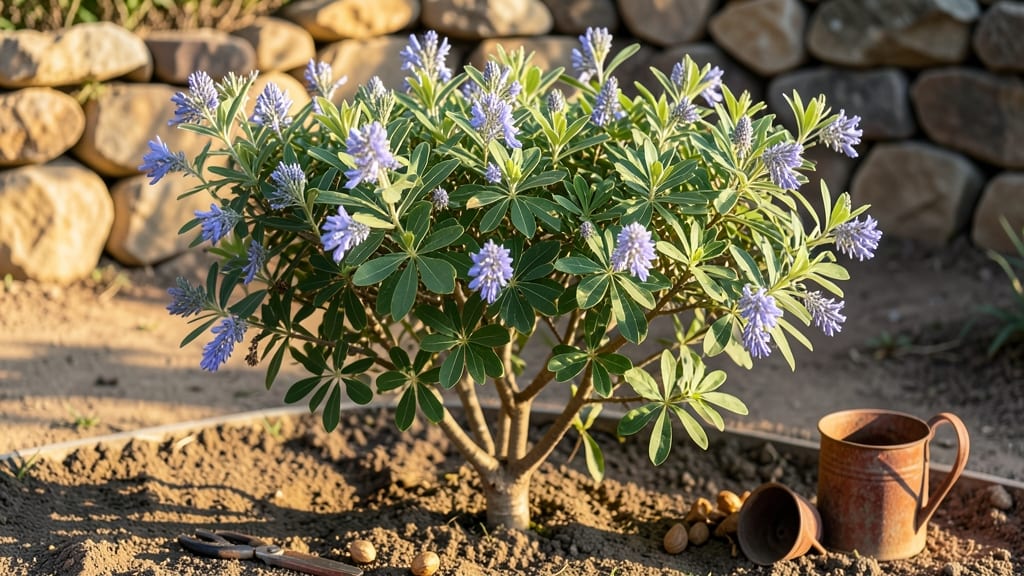
Finding a Texas tree with red berries that thrives in our relentless sun and drought feels like discovering a hidden treasure. 🌵 The Yaupon Holly stands out—its glossy leaves and bright red berries feed birds year-round while demanding almost no water once established.
I planted mine five years ago, and it’s now the star of my front yard, needing only occasional pruning to keep its shape.
Beyond the berries, these trees bring wildlife to your yard. American Beautyberry turns the landscape into a jewel-toned masterpiece in fall, while Firethorn’s deep red berries attract bees and butterflies.
They’re all drought-tolerant, salt-resistant, and handle our alkaline soils better than most imported varieties. The key is choosing one that fits your space—some grow as shrubs, others as small trees.
Imagine your garden in winter when others are bare, but yours stays vibrant with berries that feed birds through the cold months. These trees also make stunning focal points—plant one near a seating area to enjoy its seasonal colors year-round.
Pair it with native grasses or succulents for a low-maintenance, high-impact look that thrives without fuss.
Whether you want wildlife support, seasonal color, or just a tree that won’t wilt in August, these Texas natives deliver. They’re perfect for urban yards, rural landscapes, or even large containers. Let’s explore which one fits your vision best—your garden (and the birds) will thank you.
📚 In This Guide
- What you need
- Instructions
- Tips and common mistakes
- Wrapping up and next steps
What you need
- ● Tree Selection: 1–3 Texas Mountain Laurel (Sophora secundiflora) or Eve’s Necklace (Styphnolobium affine) saplings (native to Texas, drought-tolerant, and berry-producing).
- ○ Optional: Firewheel Tree (Stenolobium stans) for vibrant red berries and year-round interest.
- ● Planting Supplies: 1 shovel (for digging holes, 12–18" deep).
- ● 1 garden hose or watering can (5+ gallons capacity).
- ● 1 mulch (2–3 cubic feet of pine straw, wood chips, or compost to retain moisture).
- ● 1 slow-release fertilizer (balanced 10-10-10 or native plant-specific blend).
- ● Safety & Maintenance: 1 pair gloves (gardening or work gloves).
- ● 1 pruning saw or loppers (for shaping or removing dead branches).
- ○ Optional: Tree tie strips (if staking young trees temporarily).
- ● ✅ Sunlight: Full sun (6+ hours daily) for optimal berry production.
- ● ✅ Soil: Well-draining, slightly alkaline soil (pH 6.0–8.0). Amend clay soil with sand or compost if needed.
- ● ✅ Spacing: 15–20 feet apart for Texas Mountain Laurel.
- ● 20–25 feet apart for Eve’s Necklace (larger canopy).
- ● ✅ Watering: Deep watering 2–3 times per week for the first year; reduce to weekly once established.
- ● ✅ Local Regulations: Check with your city or county for tree planting permits (especially for large species).
Instructions for planting and caring for Texas red berries
Here's how to grow the stunning Texas red berry tree—naturally drought-resistant and perfect for your landscape.
🌱 Step 1: Choose the Right Location and Soil
Pick a spot with full sun exposure (6+ hours daily)—these trees thrive in Texas heat but need plenty of sunlight to produce vibrant berries. Avoid low-lying areas where water pools, as soggy soil can rot roots. The tree handles poor, rocky soil but grows best in well-draining, slightly acidic to neutral soil (pH 6.0-7.5).
If your soil is heavy clay (common in Texas), mix in 2-3 inches of compost when planting to improve drainage. I always test soil moisture before planting—stick your finger in the ground. If it feels compacted and dry, you know it needs amending. The tree’s native resilience means you won’t need to fuss over soil quality, but a little prep ensures faster establishment.
🪴 Step 2: Plant the Tree at the Right Time and Depth
Plant your Texas red berry tree in late fall or early spring, when temperatures are mild and rainfall is steady. Dig a hole twice as wide as the root ball but only as deep—this prevents burying the trunk too deeply, which can suffocate roots. Gently loosen the roots if they’re circling tightly in the container.
Place the tree in the hole, backfill with native soil, and tamp lightly to remove air pockets. Water deeply right after planting to settle the soil around roots. You’ll know it’s done right when the soil surface looks slightly firm but not packed down like concrete. Mulch with 2-3 inches of organic mulch (like pine straw or wood chips) around the base, keeping it 6 inches away from the trunk to prevent rot.
☀️ Step 3: Water Deeply and Establish a Routine
Water the tree once a week for the first month, then taper to every 2-3 weeks once established—these trees are drought-tolerant but need deep watering to encourage strong root growth. Push a 6-inch screwdriver into the soil; if it goes in easily, the roots are happy. If it hits dry soil, water again.
Real talk: Overwatering is the biggest mistake. The tree’s native habitat is dry, so it’s better to underwater slightly than drown it. Once the tree is 2-3 years old, it’ll need almost no supplemental watering. Watch for yellowing leaves or wilting branches—these are signs of either too much or too little water.
✂️ Step 4: Prune for Shape and Health
Prune in late winter or early spring before new growth begins. Remove any dead, diseased, or crossing branches first—these compete for nutrients and can spread problems. Cut back to a healthy bud or branch collar, not midway through a branch. Thin out crowded areas to improve airflow, which prevents fungal issues.
Shape the tree lightly to encourage an open canopy, but avoid heavy pruning. The goal is to maintain its natural form while keeping it strong. You’ll see new growth within 2-3 weeks after pruning—this is your sign that the tree is responding well. Never prune in summer; you’ll stress the tree and reduce next year’s berry production.
🌿 Step 5: Fertilize Lightly for Best Results
Skip fertilizer the first year—your tree is establishing roots and doesn’t need extra nutrients. In early spring of the second year, apply a balanced, slow-release fertilizer (10-10-10) around the drip line (the edge of the tree’s canopy). Spread it evenly and water it in deeply. A handful is plenty for young trees; mature trees may need 1-2 pounds per year.
Too much fertilizer burns roots and encourages weak growth. I always check the soil first—if the tree is thriving with dark green leaves and no pests, it’s not asking for more. The berries will be sweeter and more abundant when you let the tree set its own pace. Watch for excessive leaf growth with few berries—this means you’re over-fertilizing.
Tips & tricks for perfect Texas red berry tree care
Here's what I've learned after years of growing these hardy Texas beauties—simple tricks that make all the difference in getting your tree established and thriving.
Sunlight Secret: While these trees love full sun, I've noticed the berries turn even more vibrant if you plant them where they get morning sun and afternoon shade during peak summer months. This prevents heat stress while still giving them plenty of light. If your yard has limited sun, don't worry—they'll still produce, just maybe slightly smaller berries.
Root Ball Rescue: When you're loosening those circling roots in Step 2, take your time—don't just pull them apart. Instead, gently work your fingers between the roots and the container, teasing them apart slowly. I've seen people rip roots completely off by being too aggressive, and that sets the tree back for months.
Watering Wisdom: That 6-inch screwdriver test in Step 3 is brilliant, but here's the thing: the soil should feel moist down to that depth, not soggy. If water runs right through, you're not watering deeply enough. I like to water slowly until I see it pooling at the surface, then let it absorb completely before stopping. This encourages roots to grow deeper where they'll find moisture naturally.
Pruning Pro Tip: When you're pruning in late winter, look for branches that are growing inward—they'll eventually rub against each other and create wounds where pests can enter. Cut these out first, then address any dead wood. I always prune just outside the branch collar (that little bump where the branch meets the trunk) to help the wound heal faster. The 2-3 week new growth check is your reward for doing it right!
Pro Tips for Texas Tree With Red Berries
- Here's what I've learned after years of growing these hardy Texas beauties—simple tricks that make all the difference in getting your tree established and thriving.
- Sunlight Secret: While these trees love full sun, I've noticed the berries turn even more vibrant if you plant them where they get morning sun and afternoon shade during peak summer months.
- Root Ball Rescue: When you're loosening those circling roots in Step 2, take your time—don't just pull them apart.
Frequently asked questions
Got questions about Texas trees with red berries? You’re not alone!
Whether you're identifying a mystery plant, planning a landscape, or just admiring nature, these answers will help you navigate the world of vibrant, drought-tolerant Texas flora.
Are red berries on Texas trees safe for birds and wildlife?
Most native Texas trees with red berries, like the Texas Mountain Laurel or Eastern Red Cedar, are non-toxic and safe for birds, squirrels, and other wildlife. In fact, they’re a critical food source! Always double-check with local experts if you’re unsure—some invasive species may pose risks.
When is the best time to plant a Texas tree with red berries?
The ideal planting window is late fall to early spring (November–March), when temperatures are mild and rainfall is more reliable. Avoid summer heat—young trees struggle in Texas’s intense sun. If you must plant in summer, water deeply 2–3 times per week and use mulch to retain moisture.
How can I tell if my tree has red berries is actually native to Texas?
Native Texas trees with red berries often have distinctive features like:
- Texas Mountain Laurel: Silvery-green leaves, pea-like flowers, and sweetly scented berries.
- Eastern Red Cedar: Blue-green needles, scaly bark, and small, berry-like cones.
- Yaupon Holly: Spiny leaves, bright red berries year-round (if female).
Are there any red-berried Texas trees I should avoid planting?
While most native red-berried trees are beneficial, avoid invasive species like the Chinese Tallow (also called "popcorn tree"), which can outcompete native plants. Stick to Texas natives like the ones listed above—they’re low-maintenance, drought-resistant, and support local ecosystems.
Why aren’t my red berries appearing this year?
Several factors can delay berries:
- Age of the tree: Young trees (under 5 years) may not produce berries yet.
- Pollination issues: Many berries require cross-pollination—plant two of the same species if possible.
- Stress or poor health: Check for pests (like cedar apple rust) or nutrient deficiencies (e.g., iron or nitrogen).
- Drought or extreme heat: Deep watering and mulching can help.
Wrapping up and next steps
Discovering Texas’s stunning native trees with red berries isn’t just about adding beauty to your landscape—it’s about embracing resilience in the face of drought and heat. 🌵 From the fiery Texas Mountain Laurel to the elegant Eastern Red Cedar, these trees prove that nature’s toughest survivors can also be its most breathtaking.
Whether you’re a gardener, a wildlife enthusiast, or simply someone who loves a pop of color, there’s a perfect match waiting for you.
Ready to plant your own slice of Texas charm? Start by researching the species that thrives in your specific climate zone, then take the first step—visit a local nursery or explore native plant databases. Your yard (and the local birds!) will thank you for it. 🌿