Trees
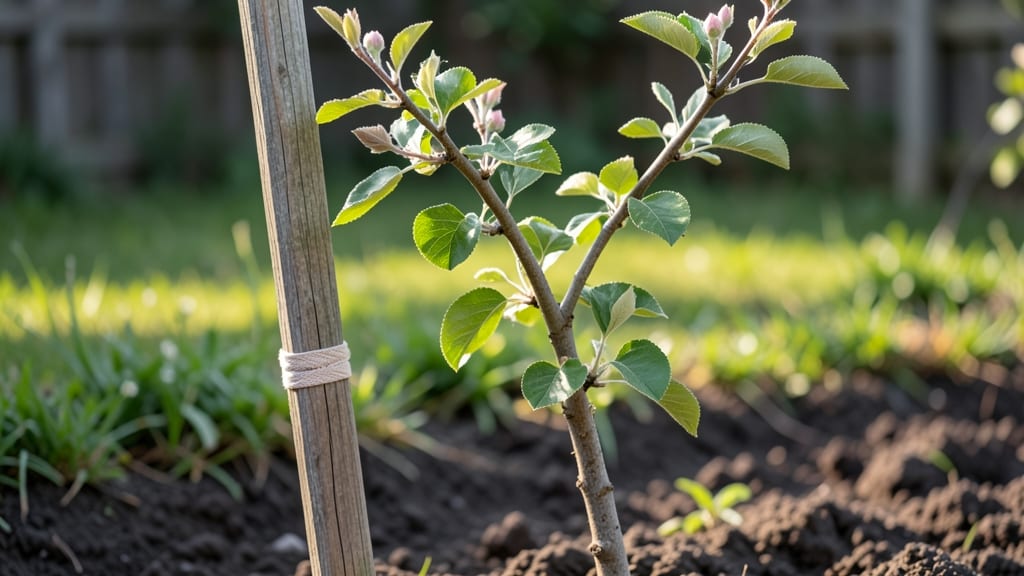
Staking new trees isn't just about keeping them upright—it’s the secret to strong roots that last decades. 🌳 I’ve watched young trees flop over in storms or dry winds, only to recover with proper support, while unstaked ones struggle to establish.
The right stakes and technique make all the difference between a tree that thrives and one that fights to survive.
You’ll need two to four stakes (depending on tree size), tree ties (wide fabric, not wire), and a sturdy mallet to drive stakes deep. Avoid cheap plastic stakes—they bend under pressure. For young oaks or maples, use three stakes at 45-degree angles; for conifers, two often suffice.
The goal is to let roots anchor naturally while giving the tree stability until it can stand on its own.
Within 12–18 months, most trees no longer need stakes—roots will have spread deep enough to hold them steady. Check monthly to loosen ties if the trunk grows thicker. Skipping staking entirely risks weak crotches or leaning trunks, while over-staking can girdle the tree.
The sweet spot? Just enough support to let the tree grow with the stakes, not against them.
Deciduous trees like fruit trees or shade oaks benefit most from staking, while many conifers (like pines) often don’t need it. If your tree is already leaning, never force it upright—dig a deeper hole and stake at the new angle instead.
With the right approach, your tree will grow root-strong and storm-proof for life.
📚 In This Guide
- What you need
- Instructions
- Tips and common mistakes
- Wrapping up and next steps
What you need
- ● Tree stakes: 1–2 per tree (1.5–2 inches in diameter, 4–6 feet tall). Opt for untreated wood or recycled plastic to avoid harming roots.
- ● Staking straps or soft ties: 3–4 per tree (wide, stretchy fabric or rubber straps to prevent trunk damage). Avoid wire or metal.
- ● Quality soil: Amend with compost (1–2 gallons per hole) for better drainage and nutrient retention.
- ● Mulch: 2–3 inches of shredded bark or wood chips (keep 6+ inches away from the trunk to prevent rot).
- ● Shovel or auger: For digging holes 2–3 times wider than the root ball and as deep.
- ● Measuring tape: To ensure proper stake placement (stakes should be outside the root ball, not touching it).
- ● Garden gloves: Protect your hands from thorns, dirt, and splinters.
- ● Watering can or hose: With a gentle spray nozzle for post-planting hydration.
- ● Tree guards: Plastic or metal collars to deter animals from chewing young bark.
- ● Post-hole digger: If stakes need deeper anchoring in rocky or compacted soil.
- ● Soil pH tester: To check if amendments (like lime or sulfur) are needed for optimal growth.
- ● Stake remover: A tool to safely extract stakes later (prevents root damage when removing them).
How to stake new trees for maximum stability and growth
Here’s the straightforward method I’ve used to help young trees stand tall without stress.
🪴 Step 1: Choose the Right Stakes and Tie Materials
Select 2-3 stakes per tree—one on each side for balance, and a third if the tree is tall or top-heavy. Use 4-6 foot wooden or metal stakes (longer for larger trees) and soft tree ties (never wire or twine). I avoid plastic ties—they cut into bark as the tree grows. Instead, I use wide fabric or rubber ties that stretch slightly to accommodate trunk expansion.
Drive the stakes 6 inches away from the trunk and 3-4 inches deeper than the root ball. Angle them slightly outward so they don’t crowd the tree. This gives the tree room to sway naturally while the ties provide support. If your soil is rocky, pre-drill small holes to avoid splitting the stakes.
🌱 Step 2: Position the Tree and Secure the First Tie
Place the tree in its hole so the root flare (where roots meet trunk) sits just above soil level. Fill the hole halfway with soil and tamp gently to eliminate air pockets. Then, position the first tie 4-6 inches above the root flare—this is where the trunk is most flexible and can handle gentle pressure without damage.
Loop the tie around the trunk once and attach it loosely to the stake. You’ll tighten it later, but for now, it should allow a thumb’s width of space between the tie and trunk. This prevents girdling as the tree grows. I always check this gap every few weeks to ensure the tie isn’t cutting in.
✂️ Step 3: Add Support Ties and Check Stability
Add a second tie 12-18 inches higher on the trunk, again leaving room to grow. For trees over 6 feet tall, add a third tie midway up. The goal is to support the tree without restricting movement—think of the stakes as training wheels, not a rigid brace. You’ll know it’s working if the tree bends slightly in the wind but doesn’t snap or lean excessively.
Give the tree a gentle push at the base to test stability. If it wobbles more than 10 degrees, add a third stake or bury the existing ones deeper. Over-tightening ties is a common mistake—I’ve seen trees strangle themselves when ties don’t loosen over time. Always leave that thumb’s-width gap.
💧 Step 4: Monitor and Adjust Over Time
Check the ties every 4-6 weeks and loosen them as the trunk thickens. By the end of the first year, most trees no longer need staking. I remove ties completely once the trunk is half the diameter of the stake—this usually happens in 12-18 months for most species. If you leave ties on too long, the tree can grow into them, making removal difficult.
Water deeply after staking to settle the soil around roots. Mulch the base with 2-3 inches of organic mulch, keeping it 6 inches away from the trunk to prevent rot. Avoid piling mulch against the ties—it traps moisture and invites pests. With proper staking, your tree will develop strong roots and stand firm for decades.
Tips & tricks for perfect tree staking
These simple but crucial tricks will help your young trees grow strong and healthy without the common pitfalls that trip up even experienced gardeners.
Material Matters: I can't stress enough how important it is to use the right materials. Wooden stakes work beautifully, but metal stakes are ideal for rocky soil—they won't split when you drive them in. For ties, fabric or rubber ones are your best bet. I've seen too many trees with deep grooves from plastic ties that cut into the bark as the tree grows. Always choose materials that will accommodate growth rather than restrict it.
Positioning is Everything: When placing your 2-3 stakes, imagine the tree's natural sway in the wind. Position them at a slight outward angle and drive them 3-4 inches deeper than the root ball. This creates a stable base that mimics natural movement rather than locking the tree in place. The 6-inch distance from the trunk gives the tree room to grow without crowding, which is especially important for young trees that will expand over time.
Tie Technique: Here's what nobody tells you—those ties need to breathe. After securing your first tie 4-6 inches above the root flare, make sure there's always a thumb's width of space between the tie and trunk. I check this every few weeks because trees grow faster than you might think. Tight ties can actually strangle the tree by preventing it from expanding properly. Think of the ties as training wheels that need to come off as the tree gets stronger.
Monitoring and Maintenance: The 4-6 week check-ins are non-negotiable. This is when you'll notice if the ties need loosening or if the stakes need adjusting. By the end of the first year, most trees will have developed enough strength to stand on their own. I've had to remove ties from trees that were still staked after two years—it's a painful process that often damages the bark. The goal is to have the trunk reach half the diameter of the stake before removing all support completely.
Pro Tips for Staking New Trees
- These simple but crucial tricks will help your young trees grow strong and healthy without the common pitfalls that trip up even experienced gardeners.
- Material Matters: I can't stress enough how important it is to use the right materials.
- Positioning is Everything: When placing your 2-3 stakes, imagine the tree's natural sway in the wind.
Frequently asked questions
Got questions about staking new trees?
You’re not alone! Here are the most common concerns—and clear, actionable answers to help your young trees thrive.
How long should I stake a newly planted tree?
Most trees need staking for 1–2 growing seasons (about 6–12 months). Check the tree’s stability monthly—if it’s firmly rooted and doesn’t wobble in wind, it’s time to remove the stakes. Over-staking can weaken the trunk by preventing natural movement, which strengthens roots.
What’s the best way to attach stakes to a tree?
Use soft tree ties or rubber straps (never wire or rope) to secure stakes. Attach them loosely—you should fit 2–3 fingers between the tie and the trunk. Recheck ties every 4–6 weeks, as they can tighten as the tree grows. Avoid tying to the trunk itself; use a stake collar or padded material.
Can I plant a tree without stakes if it’s in a sheltered spot?
Stakes are only critical for exposed areas (e.g., open fields, windy yards, or urban sidewalks). If your tree is planted near a fence, building, or dense shrubs, it may not need support. However, water deeply and mulch well to encourage root growth—stability comes from strong roots, not just stakes.
What should I do if my staked tree leans or the trunk looks damaged?
If the tree leans slightly, it’s often normal—just monitor it. But if it’s severely bent or the trunk shows girdling (deep grooves from ties), act fast:
- Loosen or remove ties immediately to prevent strangulation.
- Gently straighten the trunk (if flexible) and rebrace with a new, properly fitted tie.
- If the lean is extreme, consult an arborist—some trees may need cabling or structural support.
Are there alternatives to traditional wooden stakes?
Yes! Consider these options for different needs:
Option
Best For
Pros
Fiberglass or plastic stakes
Long-term staking (won’t rot)
Lightweight, durable, and hidden in soil
Metal tree guards
Small trees or urban planting
Protects trunk from rodents/pets; doubles as support
Burlap or fabric wraps
Temporary windbreaks
Biodegradable, breathable, and easy to remove
For heavy trees (e.g., oaks or maples), multiple stakes (3–4 at 45° angles) distribute pressure better than one central stake.
Wrapping up and next steps
Staking new trees isn’t just about planting—it’s about giving them the strong roots and stability they need to thrive for decades. By choosing the right materials, following proper techniques, and addressing common challenges, you’re setting the stage for lifelong growth and a healthier landscape. 🌱
Ready to take action? Start by selecting a few young trees in your yard (or garden) and give them the support they deserve—your future greenery will thank you!