
Pruning
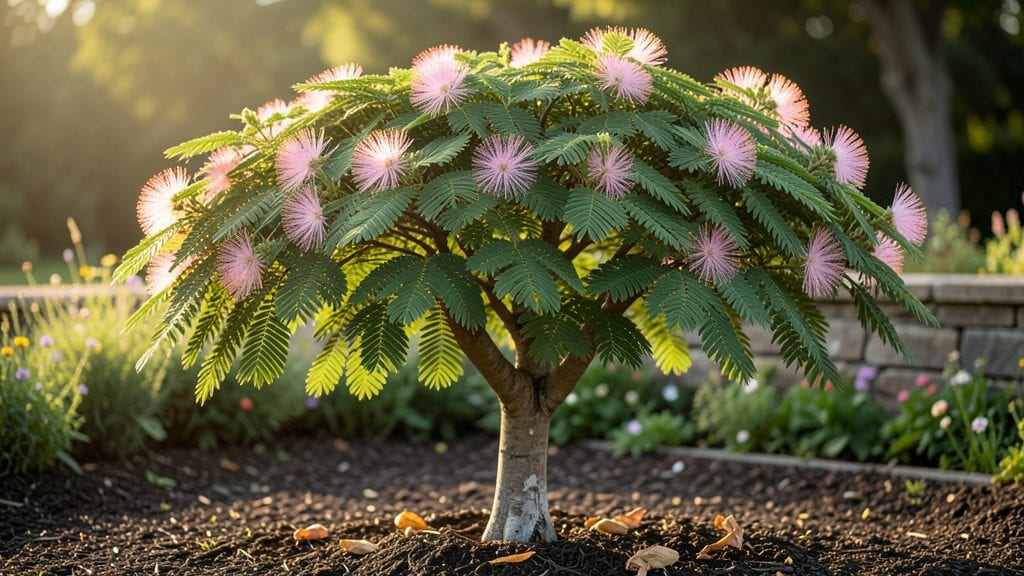
Growing a Texas mimosa tree (Albizia julibrissin) in your yard brings shimmering pink blooms and fast shade—but only if you nail the Texas heat and soil. 🌿 I’ve planted these in Central Texas and learned the hard way that skipping the right soil prep means struggling with drought stress and invasive roots.
The secret? Amending clay soil with compost and watering deeply once a week during the first year, even if it feels like overkill.
Texas mimosas thrive in full sun and well-draining soil, but they’re not picky about soil type—just avoid waterlogged spots. Prune lightly in late winter to shape the tree and remove dead branches, but avoid heavy cuts that trigger aggressive regrowth.
For fertilization, a balanced 10-10-10 in early spring keeps them lush without encouraging pests. The trade-off? These trees spread fast, so plant them 20+ feet from foundations to avoid root competition.
What you’ll end up with is a drought-tolerant shade tree that blooms from spring to fall, attracting butterflies and hummingbirds. The fuzzy pink flowers smell like cotton candy, and the compound leaves create a dramatic canopy.
Just be warned: Albizia can be invasive in some regions, so if you’re near native ecosystems, consider Leucaena (Texas ebony) as a sustainable alternative with similar benefits.
Works best in USDA Zones 7-10, making it perfect for Texas gardens. Whether you’re planting a single specimen or a small grove, these trees deliver instant impact with minimal fuss—once you get the care routine right. Let’s get those roots settled!
📚 In This Guide
- What you need
- Instructions
- Tips and common mistakes
- Wrapping up and next steps
What you need
- ● Pruning shears – Bypass pruners (for small branches, ¼”–¾” thick)
- ● Loppers – For medium branches (¾”–2” thick)
- ● Pruning saw – For thick branches (2”+ thick, with a curved blade)
- ● Gloves – Heavy-duty, thorn-resistant (Texas Mimosa has spiky pods!)
- ● Disinfectant – 70% isopropyl alcohol or bleach solution (1 part bleach to 9 parts water) to sterilize tools
- ○ Pruning sealant – Optional but helpful for large cuts (look for Tanglefoot or similar)
- ● Ladder – Extendable or sturdy step ladder (if your tree is over 6–8 feet tall)
- ● Heavy-duty trash bags – For collecting and disposing of pruned branches
- ● Sharpie or marker – To label branches if you’re doing structured pruning
- ● Hand saw – For stubborn, thick branches that won’t budge with loppers
- ● Pole pruner – If your tree is tall and you don’t want to climb
- ● Garden kneeler – For comfort if you’re working close to the ground
- ● Safety glasses – Protects eyes from debris (especially when sawing)
- ● Compost bin – To recycle pruned branches into nutrient-rich compost
Step-by-Step guide to pruning Texas mimosa trees in the Pacific Northwest
Here’s how I’ve adapted Texas mimosa care for our rainy, mild climate—keeping these drought-loving trees thriving year-round.
✂️ Step 1: Time Your Pruning for Pacific Northwest Seasons
Unlike their native Texas heat, our cooler, wetter winters mean pruning timing shifts dramatically. The best time to prune is late winter to early spring (February-March) when the tree is still dormant but before new growth begins. This prevents frost damage to fresh cuts and gives the tree time to heal before summer’s heat arrives.
I avoid pruning in fall because our wet winters create ideal conditions for fungal diseases. Wait until after the last frost date—typically mid-March in most PNW zones—to ensure no late cold snaps will stress the tree. You’ll know it’s time when you see swollen buds along the branches, signaling imminent growth.
🌿 Step 2: Remove Dead, Diseased, or Crossing Branches First
Start by inspecting the tree for dead wood, diseased branches, or any crossing limbs that rub together. Use clean, sharp pruning shears to make 45-degree cuts just outside the branch collar—the swollen area where the branch meets the trunk. This ensures proper healing and prevents unsightly stubs.
Texas mimosas are prone to powdery mildew in our humid summers, so remove any branches with white, powdery residue immediately. I also look for suckers—those aggressive shoots growing from the base or along the trunk—and cut them off at the ground level. These compete with the main tree for nutrients and weaken its structure.
☀️ Step 3: Thin the Canopy for Better Airflow and Light
Texas mimosas naturally grow into dense, rounded shapes, but our Pacific Northwest climate demands better airflow to prevent fungal issues. Focus on selective thinning—remove up to 25% of the canopy by cutting back branches that grow inward or overlap. This opens the tree up to sunlight and reduces humidity trapped inside.
Use hand pruners for branches under ½ inch thick and a pruning saw for thicker branches. Always cut back to a bud or side branch rather than leaving a stub. You’ll see the difference immediately: a more open, airy canopy that lets light reach the lower branches, encouraging fuller growth.
🪴 Step 4: Shape the Tree for Structural Integrity
Texas mimosas can grow 20-30 feet tall, so shaping them early prevents weak, top-heavy growth. Remove any water sprouts—those fast-growing, vertical shoots that appear along the trunk or branches. These drain the tree’s energy and create weak points.
For a more balanced shape, prune the outer branches slightly more than the inner ones, encouraging a fuller, bushier form. Avoid over-pruning—never remove more than one-third of the canopy in a single session. You’ll notice the tree’s natural growth pattern emerge as it fills in over the next growing season.
⏰ Step 5: Maintain Year-Round with Light Trims
Unlike heavy pruning, light maintenance trims keep the tree healthy between seasons. In early summer, remove any damaged or broken branches from storms or high winds. Our PNW’s unpredictable weather can snap branches, so check after heavy rains or wind events.
In late summer, give the tree a light shaping touch-up to maintain its form. Avoid heavy pruning now—it stimulates new growth that won’t harden off before winter. Instead, focus on deadheading spent flowers to encourage more blooms next season. The key is minimal intervention—just enough to keep the tree looking its best without stressing it.
Tips & tricks for pruning Texas mimosa trees in the Pacific Northwest
These practical tips will help you master pruning your Texas mimosa for our unique PNW climate, ensuring your tree stays healthy and vibrant all year.
Seasonal Timing Secret: The February-March window in Step 1 is your sweet spot—it's when the tree is still dormant but ready to burst into growth. Real talk: I once pruned in late April and noticed slower recovery that summer. Watch for those swollen buds as your cue; they're nature's countdown to spring. If you're unsure about your last frost date, check your local agricultural extension service—they'll give you the exact timing for your microclimate.
Tool Prep That Changes Everything: Before you start Step 2, sterilize your pruning shears with rubbing alcohol to prevent spreading fungal spores between cuts. I also recommend using a fine-tooth pruning saw for branches over ½ inch thick—it gives you cleaner cuts that heal faster. Don't make my mistake: using dull tools creates jagged wounds that invite disease, especially in our humid summers.
Canopy Thinning Strategy: When you're working through Step 3, aim to remove branches that are growing toward the center of the tree first. These "inward growers" create dense pockets where humidity lingers—perfect conditions for powdery mildew. Pro tip: Step back every few cuts and look at your tree from different angles. You'll notice how much more open it becomes, which is exactly what we want for that Pacific Northwest airflow.
Year-Round Maintenance Hack: Mark your calendar for those early summer checks in Step 5—set a reminder on your phone so you don't forget. I keep a small pruning kit in my garage with shears, saw, and rubbing alcohol so I'm ready when storms hit. The key is quick action: removing damaged branches within 24 hours prevents sap loss and infection. This minimal intervention approach keeps your mimosa looking its best without stressing the tree.
Pro Tips for Texas Mimosa Tree
- These practical tips will help you master pruning your Texas mimosa for our unique PNW climate, ensuring your tree stays healthy and vibrant all year.
- Seasonal Timing Secret: The February-March window in Step 1 is your sweet spot—it's when the tree is still dormant but ready to burst into growth.
- Tool Prep That Changes Everything: Before you start Step 2, sterilize your pruning shears with rubbing alcohol to prevent spreading fungal spores between cuts.
Frequently asked questions
Got questions about growing and caring for your Texas mimosa tree? You’re not alone—this fast-growing beauty has a few quirks! Here are answers to the most common queries to help you keep your tree thriving, especially in the Pacific Northwest’s unique climate.
When is the best time to prune a Texas mimosa tree?
The ideal time to prune is late winter or early spring (February–March) before new growth begins. This helps shape the tree, encourages dense foliage, and prevents those pesky thorns from spreading. Avoid heavy pruning in fall—it can stimulate tender new growth that won’t survive winter. Pro tip: If you must prune in summer, do it in the morning to reduce stress on the tree.
How cold can a Texas mimosa tree tolerate?
Texas mimosa trees are hardy to USDA Zones 7–11, meaning they can handle brief dips to 10–15°F. However, in colder Pacific Northwest winters (like Zone 8–9), young trees or newly planted specimens may need winter protection, such as wrapping the trunk or using burlap. Mature trees usually bounce back, but watch for brown twigs—a sign of frost damage.
Why does my Texas mimosa tree have so many thorns?
Thorns are a natural defense mechanism! Pruning regularly (especially in late winter) reduces thorn density by promoting healthier, less aggressive growth. If thorns are a nuisance, focus on selective pruning—cut back overly spiky branches while maintaining the tree’s shape. Warning: Always wear gloves when pruning!
Can I grow a Texas mimosa tree in a container?
Yes, but it’s challenging long-term. Texas mimosa trees grow 15–30 feet tall and have deep roots, so containers must be at least 24 inches wide and deep. Use a fast-draining mix and repot every 2–3 years. If indoors, place it near a south-facing window or under grow lights. Outdoor containers need winter protection in colder zones.
How much water does a Texas mimosa tree need?
Young trees need weekly watering (1–2 inches per week) to establish roots, while mature trees are drought-tolerant once established. In the Pacific Northwest’s rainy climate, overwatering is a bigger risk—ensure soil drains well to avoid root rot. Check soil moisture: Stick your finger 2 inches deep; water only if it’s dry.
What are some alternatives to Texas mimosa for Pacific Northwest gardens?
If you love the Texas mimosa’s fast growth and foliage but want lower-maintenance options, consider:
- Albizia julibrissin ‘Summer Chocolate’ – A thornless variety with similar fluffy blooms.
- Cercis canadensis (Eastern Redbud) – Smaller, spring-blooming, and cold-hardy.
- Gleditsia triacanthos (Honey Locust) – Drought-tolerant with feathery foliage.
- Cassia (Senna) species – Bright yellow blooms and easier pruning.
Wrapping up and next steps
The Texas Mimosa Tree is a stunning, low-maintenance addition to your landscape—especially in the Pacific Northwest’s mild climate! With the right pruning techniques, you’ll encourage vibrant blooms, strong growth, and year-round health.
Whether you’re trimming for shape, removing dead branches, or preparing for winter, these secrets will keep your tree thriving.
Ready to level up your green thumb? 🌿 Grab your pruners, review the steps, and schedule your next pruning session—your Texas Mimosa will thank you with lush foliage and dazzling flowers! For extra care tips, check out our pruning calendar tailored to PNW conditions.