Size
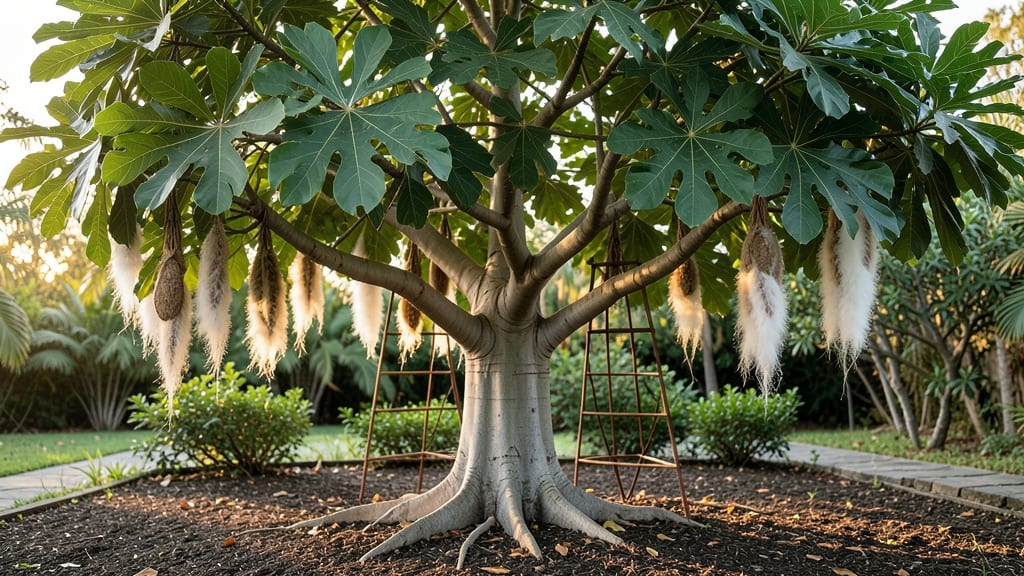
Your Pacific Northwest garden could soon be graced with cotton candy tree blooms that look like pink clouds—here’s how to grow this whimsical stunner. 🌸 I fell for its delicate, fluffy flowers after seeing one in a Seattle nursery, and now I’m hooked on how it thrives in our mild, rainy climate with just a few key adjustments.
The secret starts with well-draining soil—mix in compost and sand to mimic its native rocky habitats. Plant in full sun where it gets at least 6 hours of light daily, and space saplings 10-15 feet apart to let their sprawling branches shine.
Water deeply but infrequently; these trees hate soggy roots but love consistent moisture once established.
By summer, you’ll be rewarded with pink, pom-pom-like blooms that attract hummingbirds and add a dreamy touch to your yard.
Prune lightly after flowering to shape the tree, and watch as it grows 10-20 feet tall with a sturdy trunk perfect for small gardens or as a focal point near patios.
Challenges? Watch for aphids on new growth—spray with soapy water if you spot them—and protect young trees from late frosts. With patience, your cotton candy tree will become the star of your garden, blooming every spring like a living cloud.
📚 In This Guide
- What you need
- Instructions
- Tips and common mistakes
- Wrapping up and next steps
What you need
- ● Cotton candy tree plant (Kigelia africana or similar): Start with a healthy sapling (3–5 feet tall) from a nursery or online supplier.
- ● Well-draining potting mix: 5–10 gallons (depending on pot size). Look for a blend with perlite or sand for aeration.
- ● Large container or in-ground planting spot: Container: Minimum 18-inch diameter (20+ gallons) with drainage holes.
- ● In-ground: Full sun to partial shade, with soil amended for drainage (sandy loam ideal).
- ● Slow-release fertilizer (balanced 10-10-10 or 20-20-20): 1–2 cups mixed into soil at planting.
- ○ Mulch (optional but recommended): 2–3 inches of wood chips or straw to retain moisture.
- ● Garden trowel or shovel for planting.
- ● Watering can or hose with gentle spray nozzle (avoid overwatering!).
- ● Pruning shears (sterilized) for shaping or trimming.
- ○ Support stake (optional): 4–6 feet tall for young trees in windy PNW areas.
- ○ pH testing kit (optional): Ensure soil pH is 6.0–7.0 (slightly acidic to neutral).
- ● Grow in containers for mobility (move indoors during frost or heavy rain).
- ● Use a greenhouse or cold frame if extending the growing season outdoors.
- ● Monitor for fungal issues (e.g., powdery mildew)—improve airflow with pruning.
Step-by-Step guide to cultivating cotton candy trees in the Pacific Northwest
Turn your garden into a dreamy spectacle with these delicate, cloud-like blooms—here’s how to coax their magic to life.
🌱 Step 1: Select the Right Variety for Your Climate
The Pacific Northwest’s mild, wet winters and cool summers suit the Ceiba pentandra (kapok tree) or Bombax ceiba (silk cotton tree) best—both produce those iconic, fluffy seed pods that resemble cotton candy. Start with a young, container-grown sapling (3-5 feet tall) from a specialty nursery, as seeds take 2-3 years to bloom.
Check the tag for disease-resistant strains—PNW’s humidity can encourage fungal issues. If you’re growing from seed, expect 12-18 months before germination, and even longer before blooms. I always opt for nursery stock to skip the waiting game and enjoy the whimsy sooner.
☀️ Step 2: Plant in Well-Draining Soil with Full Sun Exposure
Choose a sheltered, south-facing spot with at least 6 hours of direct sunlight daily—these trees thrive in warmth but need protection from harsh winds. Amend native soil with 20% perlite or coarse sand to prevent root rot, a common issue in PNW’s damp climate. Dig a hole twice as wide as the root ball but no deeper.
Gently remove the sapling from its container and loosen any circling roots with your fingers. Place it in the hole so the top of the root ball sits level with the ground—burying too deep can suffocate the trunk. Backfill with native soil mixed with perlite, then water deeply to settle everything.
💧 Step 3: Water Deeply but Sparingly During Establishment
For the first 30 days, water 2-3 times per week until the soil is 6 inches deep and evenly moist. After that, taper to once weekly unless the top 2 inches of soil feel dry. Overwatering is the fastest way to kill these tropical-looking trees—root rot sets in quickly in our climate.
Mulch with 3 inches of wood chips around the base (keep mulch 6 inches away from the trunk) to retain moisture and regulate soil temperature. I always add a slow-release fertilizer (10-10-10) at planting and again in early spring—just follow the label for PNW-specific rates.
✂️ Step 4: Prune Strategically for Shape and Health
Wait until spring (after the last frost) to prune—never cut into old wood in winter, as it won’t heal properly. Remove dead, diseased, or crossing branches first, then thin out 10-20% of the canopy to improve airflow. These trees grow 10-20 feet tall and wide, so regular pruning keeps them manageable.
Here’s the thing—never top the tree. Pruning the main trunk encourages weak, leggy growth and weakens the structure. Instead, focus on shaping the outer branches to create that dreamy, cloud-like silhouette. I like to prune just after flowering to maintain a full, lush look.
🌿 Step 5: Protect from PNW’s Unique Challenges
In the Pacific Northwest, fungal diseases like powdery mildew and pests like aphids can target young cotton candy trees. Spray foliage with neem oil every 2 weeks during growing season as a preventative—it’s organic, effective, and won’t harm beneficial insects.
Watch for yellowing leaves—this usually means overwatering or nutrient deficiency. If the soil feels soggy or the leaves drop easily, cut back on watering. For nutrient issues, apply a balanced liquid fertilizer every 4-6 weeks during the growing season. With care, your tree will reward you with those iconic, fluffy blooms by mid-summer.
Tips & tricks for perfect cotton candy tree cultivation
Here's what nobody tells you about growing these magical trees in our Pacific Northwest climate—details that make all the difference between a struggling sapling and a showstopping garden centerpiece.
Variety Selection Wisdom: While both Ceiba pentandra and Bombax ceiba produce those dreamy cotton candy blooms, Bombax ceiba tends to handle our region's humidity slightly better. Look for disease-resistant strains specifically bred for temperate climates—these are often labeled as "PNW-adapted" at specialty nurseries. I've found that container-grown saplings (3-5 feet tall) from local growers establish better than mail-order varieties, which can struggle with transplant shock in our climate.
Soil Preparation Secret: The 20% perlite or coarse sand amendment in Step 2 is non-negotiable for PNW gardens. Native soil here tends to compact and retain too much moisture, which leads to root rot. I recommend testing your soil's drainage before planting—stick a shovel in the ground, fill it with water, and time how long it takes to drain. If it takes more than 30 minutes, you need even more amendment. For container growing, use a mix that's 50% potting soil, 30% perlite, and 20% compost to mimic ideal conditions.
Establishment Timeline Strategy: That critical 30-day watering schedule in Step 3 can be tricky with our unpredictable spring rains. I've developed a simple test: stick your finger 2 inches into the soil—if it feels damp but not soggy, hold off on watering. During our rainy season, you might only need to water once every 10-14 days despite the initial instructions. The key is maintaining that 6-inch deep moisture without waterlogging the roots.
Pruning Pro Tip: When shaping your tree in Step 4, focus on creating an open vase shape rather than a dense canopy. This allows sunlight to reach all branches, encouraging those signature cotton candy blooms throughout the tree. I like to use sterilized pruning shears and make cuts just above a leaf node at a 45-degree angle—this promotes faster healing and reduces disease risk in our humid climate.
Pro Tips for Cotton Candy Tree Grow A Garden
- Here's what nobody tells you about growing these magical trees in our Pacific Northwest climate—details that make all the difference between a struggling sapling and a showstopping garden centerpiece.
- Variety Selection Wisdom: While both Ceiba pentandra and Bombax ceiba produce those dreamy cotton candy blooms, Bombax ceiba tends to handle our region's humidity slightly better.
- Soil Preparation Secret: The 20% perlite or coarse sand amendment in Step 2 is non-negotiable for PNW gardens.
Frequently asked questions
How long does it take for a cotton candy tree (Erythrina lysistemon) to bloom?
A young cotton candy tree typically takes 3–5 years to mature enough for its iconic pink or red blooms, especially in cooler PNW climates. Patience pays off—once established, it can flower year-round in mild winters! For faster blooms, choose a grafted tree or provide winter protection (like a frost cloth) in Zone 8.
Can I grow a cotton candy tree in the Pacific Northwest’s rainy climate?
This drought-tolerant tree thrives in USDA Zones 8–10, but PNW gardeners can grow it in containers** and overwinter it indoors (or in a greenhouse) during frost. Ensure well-draining soil to prevent root rot—mix in perlite or sand. Mulch heavily in winter to insulate roots.
What if my cotton candy tree’s leaves turn yellow?
Yellowing leaves usually signal overwatering or nutrient deficiency. Check soil moisture—let it dry slightly between waterings. Feed with a balanced fertilizer (10-10-10) in spring, and amend soil with compost for micronutrients. Fungal issues? Prune affected branches and avoid wetting foliage.
Are there non-flowering alternatives to the cotton candy tree?
If blooms aren’t your priority, try these whimsical PNW-friendly trees:
- Japanese maple (Acer palmatum) – Vibrant foliage, compact size.
- Smoke tree (Cotinus coggygria) – Fuzzy pink “smoke” blooms.
- Dwarf cherry (Prunus ‘Flowering Ice’) – Cold-hardy, fragrant flowers.
How do I protect my cotton candy tree from PNW frosts?
Use these frost-proofing tips:
- Wrap the trunk in bubble wrap or burlap.
- Cover container plants with frost cloth or a mini greenhouse.
- Mulch 3–4 inches deep with straw or leaves.
- Avoid winter watering—keep soil slightly dry.
Wrapping up and next steps
Growing a cotton candy tree in your Pacific Northwest garden is a dreamy way to add whimsy and color to your outdoor space! 🌸 With the right location, care, and patience, you’ll soon be rewarded with those iconic, fluffy blooms that look like nature’s own cotton candy.
Whether you’re a beginner or a seasoned gardener, this enchanting plant is a fun and rewarding project.
Ready to take the next step? Start small—plant a seedling or cutting this season and watch your garden transform into a magical wonderland. Happy growing! 🌱✨