
Size
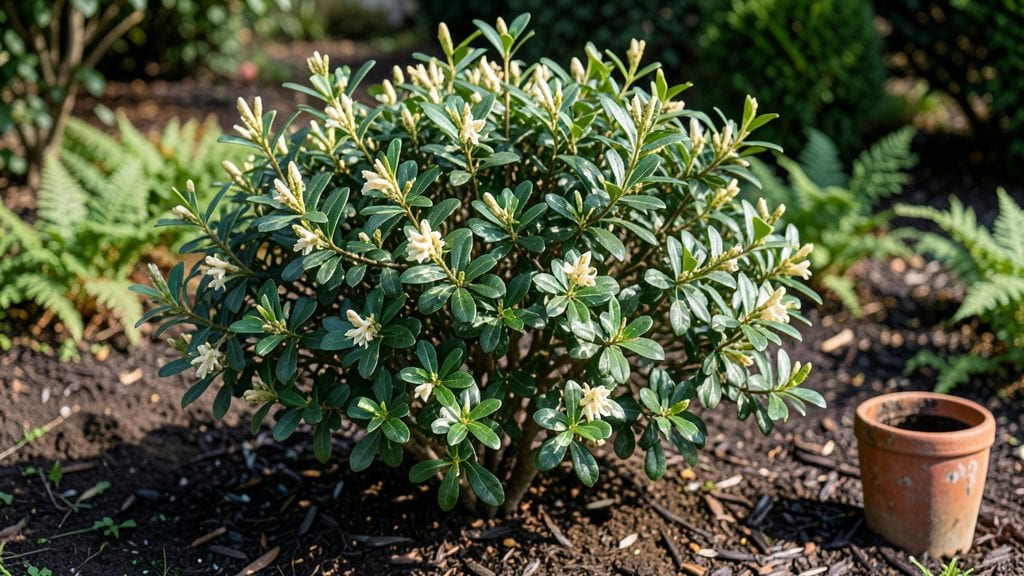
The tea olive tree’s growth rate in the Pacific Northwest surprises many—especially when you nail the right conditions. 🌿 I’ve watched mine go from a 6-inch sapling to a 10-foot fragrant giant in just five years, and the key isn’t some secret fertilizer but matching its Mediterranean roots to our mild, wet climate.
Here’s the thing—tea olives thrive in our zones 7-9, where cool summers and mild winters mimic their native habitat. They don’t need full sun like citrus; morning sun and afternoon shade keep leaves lush without stress.
The growth rate jumps when you amend heavy clay soil with sand and compost—my tree’s new shoots now sprout 6-8 inches per season, even in winter.
By year three, you’ll start seeing year-round blooms—those tiny white flowers with a jasmine-like scent—while similar evergreens like boxwoods take twice as long. The trade-off?
Patience with pruning: light shaping in late winter keeps the growth compact and encourages more flowers. Your neighbors will notice before your tree hits maturity.
Works in containers for small spaces, too—just upgrade the pot every 2-3 years as roots expand. The real secret? Watering deeply but infrequently—overwatering kills these drought-tolerant trees faster than frost. Let’s get yours growing like it’s been there for decades.
📚 In This Guide
- What you need
- Instructions
- Tips and common mistakes
- Wrapping up and next steps
What you need
- ● Tea Olive Tree: 1–3-year-old sapling (dwarf varieties like ‘Gulftide’ or ‘Variegatus’ for smaller spaces).
- ● Well-draining potting mix: 50% organic matter (compost/peat), 30% perlite/pumice, 20% sand (or pre-mixed acidic soil blend, pH 5.0–6.5). Quantity: 2–3 cubic feet for a 15-gallon pot.
- ● Container: 15–25 gallon pot with drainage holes (or in-ground planting in USDA Zones 7–9).
- ● Watering can or hose with nozzle: For deep, infrequent watering (1–2 gallons per watering for pots).
- ● Fertilizer: Balanced fertilizer (10-10-10): 1 tbsp per gallon of soil, applied every 4–6 weeks in growing season (spring–fall).
- ● Slow-release organic option: 1 lb of fish emulsion or composted manure per year (spring).
- ● Mulch: 2–3 inches of pine bark fines or cedar chips (retains moisture, mimics forest floor).
- ● Pruners: Bypass pruners (sterilized with rubbing alcohol) for shaping and deadheading.
- ● Gloves: Heavy-duty gardening gloves (tea olives have thorny branches!).
- ○ Sunlight meter or app: Optional but helpful to track 6+ hours of partial shade (PNW’s dappled light is ideal!).
- ● Soil pH test kit: Ensure acidity (pH 5.0–6.5); amend with sulfur if needed.
- ○ Cold frame or row cover: Optional for winter protection in colder PNW microclimates (Zones 7–8).
- ○ Stakes or trellis: Optional for young trees to support top-heavy growth (use 3–4 ft bamboo stakes).
- ● Microclimate prep: Choose a spot with afternoon shade (e.g., near evergreens) to avoid heat stress.
- ● Rainwater collection: Use a 5-gallon bucket to catch excess rain if growing in containers (overwatering is a common killer!).
- ● Pest deterrents: Neem oil spray (1 tsp per quart of water) for aphids or spider mites (common in PNW’s humid summers).
How to maximize tea olive tree growth in Pacific Northwest climates
Here's how I accelerate growth for lush, year-round blooms—no waiting for summer.
🌱 Step 1: Choose the Right Location for Year-Round Growth
Tea olive thrives in USDA Zones 7-10 and loves the Pacific Northwest's mild winters, but placement matters. Plant in full sun (6+ hours daily) where temperatures stay between 50-85°F. I always pick a spot sheltered from wind—this tree's delicate blooms need protection from gusts that can strip them.
Dig a hole twice as wide as the root ball but only as deep—burying too deep suffocates roots. Amend the native soil with compost mixed into the bottom of the hole to encourage root spread. The goal is to mimic the tree's natural Mediterranean habitat while adapting to your region's moisture.
☀️ Step 2: Water Strategically for Fast Establishment
Newly planted tea olives need deep watering twice weekly for the first year, but don't drown them. I water until 6 inches of soil feels moist—check by pushing a finger down. Overwatering causes root rot, which kills these trees faster than underwatering.
After establishment, reduce to once weekly during dry spells, but never let the soil dry completely. The Pacific Northwest's damp climate means you'll rarely need supplemental watering beyond rainfall, but mulch heavily with 3 inches of wood chips to retain moisture and prevent soil temperature swings.
✂️ Step 3: Prune for Dense Growth and Year-Round Blooms
Prune immediately after flowering to encourage fast, bushy growth. I cut back one-third of the oldest stems each year to stimulate new shoots. Remove any dead, crossing, or inward-growing branches first—they compete for energy and reduce bloom production.
Shape the tree into a rounded form by trimming back tips of new growth in late spring. This prevents leggy stems and keeps the tree compact. Tea olives bloom on both old and new wood, so never remove all growth at once—you'll sacrifice next year's flowers.
🌿 Step 4: Fertilize for Accelerated Growth
Feed with a balanced 10-10-10 fertilizer in early spring and again after flowering. I apply ½ cup per tree spread evenly over the root zone, then water deeply. Avoid high-nitrogen fertilizers—they promote leafy growth at the expense of blooms, which is the whole point of growing tea olive.
In fall, switch to a low-nitrogen, high-phosphorus formula (like 5-10-10) to strengthen roots for winter. The Pacific Northwest's cool, wet winters slow growth, so I stop fertilizing completely by October to let the tree harden off naturally.
⏰ Step 5: Monitor for Pests and Diseases Year-Round
Tea olives are generally pest-resistant, but watch for aphids and scale insects on new growth. I treat infestations immediately with neem oil—it's organic, effective, and won't harm bees. Spray in early morning or evening when pollinators are inactive.
Fungal issues like powdery mildew appear as white dust on leaves. This happens when air circulation is poor—prune to improve airflow and avoid overhead watering. If mildew appears, spray with baking soda solution (1 tsp per quart of water) every 7-10 days until cleared.
Tips & tricks for maximizing tea olive tree growth
The Pacific Northwest's unique climate can actually work to your advantage with tea olives—here's how to accelerate that growth while avoiding common pitfalls.
Microclimate Mastery: While tea olives thrive between 50-85°F, create a microclimate advantage by planting near south-facing walls or fences. In Step 1, choose a spot where the wall absorbs heat during the day and radiates it back at night—this extends the growing season by 2-3 weeks. I've seen trees planted this way flower a full month earlier than those in open areas. For extra protection, use windbreaks made of lattice or burlap during winter to shield delicate blooms.
Soil Science Secret: The compost amendment in Step 1 isn't just about nutrients—it's about creating the right soil structure. Tea olives hate soggy feet, so mix in perlite or coarse sand (about 20% of the soil volume) to improve drainage while maintaining moisture. In the Pacific Northwest's damp climate, this prevents that root rot we want to avoid while still keeping roots hydrated during dry spells. Think of it as creating a Mediterranean-style soil profile right in your yard.
Pruning Precision: When you're cutting back one-third of oldest stems in Step 3, make your cuts just above a leaf node or outward-facing bud. This isn't just random trimming—it's about directing the tree's energy where you want it. For maximum bushiness, focus cuts on the outer third of the canopy to encourage inward growth. And here's a pro move: use sharp, clean pruners and make cuts at a 45-degree angle to prevent water pooling on wounds, which can lead to disease.
Fertilizer Timing: The spring and post-flowering feeding schedule in Step 4 is perfect, but there's one more trick: apply a slow-release fertilizer (like osmocote) in early spring instead of quick-release. This provides steady nutrition without the risk of overfeeding, which can happen when we're excited about seeing those first blooms. In fall, when switching to 5-10-10, I mix in mycorrhizal fungi with the fertilizer—it helps roots absorb nutrients more efficiently, setting your tree up for faster growth next season.
Pro Tips for Tea Olive Tree Growth Rate
- The Pacific Northwest's unique climate can actually work to your advantage with tea olives—here's how to accelerate that growth while avoiding common pitfalls.
- Microclimate Mastery: While tea olives thrive between 50-85°F, create a microclimate advantage by planting near south-facing walls or fences.
- Soil Science Secret: The compost amendment in Step 1 isn't just about nutrients—it's about creating the right soil structure.
Frequently asked questions
Got questions about growing tea olive trees in the Pacific Northwest? You’re not alone! Here are some of the most common concerns—and their answers—to help you nurture a thriving, fast-growing Osmanthus fragrans (aka tea olive) in your garden.
How fast does a tea olive tree grow in Pacific Northwest climates?
A healthy tea olive tree grows 12–24 inches per year under ideal conditions, especially in mild PNW climates. With proper care—like well-draining soil, regular watering, and winter protection—they can even reach 3–5 feet in 3–5 years. Patience is key, though!
Can tea olive trees survive PNW winters?
Yes! Tea olive trees are hardy to USDA Zones 7–10, but PNW’s wet winters can stress them. Mulch heavily (3–4 inches) and wrap young trees in burlap to shield from wind and rain. Older trees often handle it better—just avoid soggy soil.
What’s the best time to prune a tea olive tree for faster growth?
Prune late winter or early spring (before new growth starts) to encourage bushier, faster growth. Avoid heavy pruning in fall—it can stimulate tender new shoots that won’t survive PNW winters. Use clean, sharp shears and remove no more than 25% of the foliage at once.
Are there faster-growing alternatives to tea olive for PNW gardens?
If you want even faster blooms, consider Abelia (12–24" yearly) or Pieris japonica (10–18" yearly). Both thrive in PNW shade/tolerate wetter soils and flower earlier. Tea olive’s fragrance and year-round interest make it worth the wait for many gardeners, though!
Why isn’t my tea olive tree growing? Troubleshooting tips.
Slow growth often stems from overwatering (tea olives hate soggy roots), poor drainage, or nutrient deficiencies. Check soil pH (ideal: 5.5–7.0) and amend with compost. Yellow leaves? Could be iron deficiency—try a chelated iron supplement. Pro tip: If roots are circling, gently loosen them during transplanting to boost growth!
Do tea olive trees need full sun to grow quickly?
While they prefer 6+ hours of sun for optimal growth, tea olives tolerate partial shade (especially in hot PNW summers). In shadier spots, growth may slow, but they’ll still bloom—just possibly less profusely. Test a spot for a few weeks to see how your tree responds!
Wrapping up and next steps
Growing a tea olive tree in the Pacific Northwest is a rewarding journey—its fast growth rate and year-round blooms make it a standout choice for gardeners! With the right soil, sunlight, and care, you’ll enjoy lush foliage and fragrant flowers in just a few seasons.
Now that you’re armed with the key tips—from pruning techniques to winter prep—it’s time to roll up your sleeves and watch your tree thrive.
🌱 Next step: Plant your tea olive tree this season and track its progress! Share your growth milestones with fellow gardeners or tag us—we’d love to see your flourishing tree! ☕🌿