
Lawn
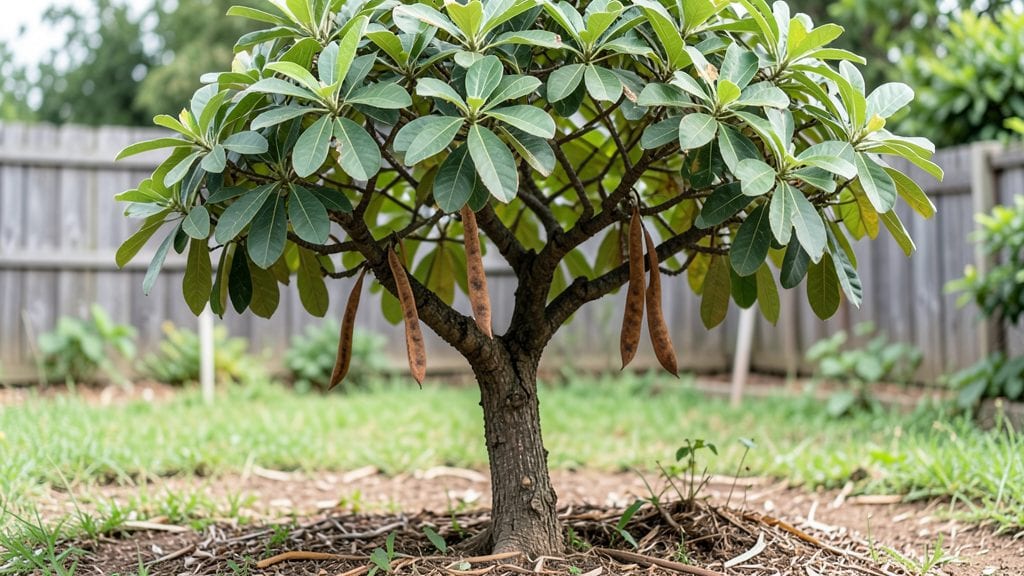
Growing a tamarind tree from seed in the Pacific Northwest is a long-term project that rewards patience with a stunning shade tree and edible pods—if you nail the germination step first. 🌱 The key isn't just planting the seed; it's mimicking the tropical conditions it needs to break dormancy, which means soaking, heat, and humidity tricks most gardeners miss.
I learned this the hard way after three failed attempts with dry soil and cool temps.
The process starts with a simple setup: a heat mat, plastic wrap, and a spray bottle to keep humidity high. You'll need a well-draining mix of potting soil and perlite, plus a deep container since tamarind roots grow fast.
Germination can take 4-8 weeks, so consistency is everything—keep that soil moist but never soggy, and move the tray to a warm spot (75°F+).
Once sprouted, your seedling will grow 2-3 feet in its first year if given enough light, though it'll need winter protection in cooler PNW zones. The real payoff comes in 5-10 years when it matures into a 40-foot shade giant with fragrant flowers and those prized tamarind pods.
The first harvest might be decades away, but the journey is half the fun.
This method works for USDA zones 8-11, but even in cooler areas, you can start seeds indoors and transplant after the last frost. The secret? Pushing through the slow start—tamarind trees aren't quick, but they're worth the wait. Ready to begin?
📚 In This Guide
- What you need
- Instructions
- Tips and common mistakes
- Wrapping up and next steps
What you need
- ● Tamarind tree seeds – 3–5 fresh, plump seeds (harvested from ripe tamarind pods or purchased online).
- ● Well-draining potting mix – 2–3 gallons of a blend like 50% coconut coir, 30% perlite, and 20% compost (sterilized to prevent mold).
- ● Seed-starting trays or small pots – 4–6 3–4 inch diameter pots with drainage holes.
- ● Plastic wrap or humidity dome – To maintain moisture during germination.
- ● Spray bottle – For gentle watering (avoid over-saturating seeds!).
- ● Grow lights or sunny windowsill – Tamarind seeds need bright, indirect light (6–8 hours/day).
- ○ Thermometer (optional but helpful) – Ideal germination temp: 75–85°F (24–29°C).
- ○ Heat mat (optional) – If your home dips below 65°F (18°C) at night, a seedling heat mat can speed up germination.
- ● Cold-frame or greenhouse access – For hardening off seedlings before transplanting outdoors (PNW’s cool, wet springs can be tricky!).
- ● Epsom salt (magnesium sulfate) – 1 tsp per gallon of water monthly to boost seedling health.
- ● Mulch (straw or wood chips) – Once transplanted, use 2–3 inches to retain moisture and regulate soil temp.
- ● A patient mindset—tamarind seeds can take 4–12 weeks to germinate!
- ● Access to a warm, humid environment (or a way to replicate it, like a greenhouse).
- ● Commitment to protecting seedlings from frost—tamarinds are tropical and need USDA Zone 9+ long-term (PNW growers will need to overwinter indoors!).
Step-by-step instructions for growing tamarind tree seeds
Here’s how to turn those hard little tamarind seeds into sturdy saplings ready for your Pacific Northwest garden.
🌱 Step 1: Extract and Soak the Seeds
Start by scooping out the seeds from a ripe tamarind pod—you’ll need about 4 seeds to give yourself the best chance. Rinse them under cool water to remove any pulp residue. The key here is pre-germination soaking: place the seeds in a small bowl of lukewarm water for 24-48 hours. You’ll know they’re ready when the outer coating softens and tiny white roots (radicles) begin to emerge.
Don’t skip this step—tamarind seeds have a tough outer shell that slows germination. If you’re impatient, check them after 24 hours; if they’re still hard, soak another 12 hours. Once the radicles are ¼ inch long, they’re ready for planting. Real talk: if you rush and plant dry seeds, they might take months to sprout instead of weeks.
🪴 Step 2: Prepare Containers and Planting Mix
Fill 4-inch diameter pots (or small seedling trays) with a light, well-draining mix—I blend equal parts potting soil and perlite for aeration. Tamarind trees hate soggy roots, so drainage is non-negotiable. Moisten the mix until it’s damp but not dripping, then make a ½-inch deep hole in each pot with your finger.
Gently place one soaked seed (radicle-side down) into each hole. Cover it with just enough mix to bury it ¼ inch deep—no deeper, or the seedling will struggle to push through. Tap the pot lightly to settle the soil, then water gently with a spray bottle until the surface feels evenly moist. Place the pots in a warm, shaded spot (around 75°F) to encourage germination.
☀️ Step 3: Provide Warmth and Monitor Germination
Tamarind seeds germinate best in warmth and humidity. If your home runs cooler than 65°F, use a seedling heat mat set to 75-80°F underneath the pots. Keep the soil consistently moist—not soggy, not bone-dry—by misting daily or using a humidity dome. You’ll see the first sprouts in 7-21 days, but don’t be surprised if one or two seeds take longer.
Here’s the thing—tamarind seedlings are sensitive to cold drafts. If your windowsill gets chilly at night, move the pots to a sunny indoor spot (like near a south-facing window) once they’ve sprouted. Watch for the first true leaves (not the initial seed leaves)—they’ll look like small, glossy ovals. That’s your cue to start gradually introducing indirect light for a few hours a day.
🌿 Step 4: Transplant and Harden Off Saplings
Once seedlings have 3-4 sets of true leaves (usually after 4-6 weeks), it’s time to transplant them into 5-gallon containers with the same light mix. Handle the seedlings carefully—they’re still delicate. Water them deeply the day before moving to reduce shock, then transplant by sliding the seedling (with its root ball intact) into the new pot.
Now, it’s time to harden them off for outdoor life. Start by placing the pots outside in a sheltered, shaded spot for 1-2 hours the first day. Over 7-10 days, slowly increase their outdoor time, moving them to morning sun by day 5. By day 7, they should tolerate full shade (tamarinds hate direct PNW sun at first). You’ll know they’re ready for the ground when they’ve spent a full day outside without wilting.
⏰ Step 5: Plant Outdoors and Protect Young Trees
Choose a sheltered spot in your yard with partial shade (like under a mature tree or near a north-facing wall). Dig a hole twice as wide as the root ball but only as deep as the container. Gently remove the sapling, loosen the roots if they’re circling, and place it in the hole so the top of the root ball sits 1 inch below soil level. Backfill with native soil, tamp lightly, and water deeply.
Mulch around the base with 2 inches of wood chips, keeping it 6 inches away from the trunk to prevent rot. Tamarind trees in the PNW need protection from winter winds and frost. If temperatures dip below 20°F, wrap the trunk in burlap or move potted trees to a garage or unheated shed until spring. Water once a week during dry spells, but less in winter when growth slows.
Tips & tricks for growing tamarind tree seeds
Here's what I've learned from growing tamarind trees in the Pacific Northwest—these tricks will help you avoid common pitfalls and give your seeds the best chance to thrive.
Soaking Secret: The 24-48 hour soak is your best friend for tamarind seeds. I like to use a small bowl with lukewarm water and change it after 24 hours if it gets cloudy. This prevents mold while keeping the seeds hydrated. Watch for those radicles—they should be about ¼ inch long before planting. If you're impatient, check after 24 hours and extend soaking by another 12 hours if needed. Don't skip this step—dry seeds can take months to sprout instead of weeks.
Container and Mix Matters: Those 4-inch pots are perfect for starting, but make sure they have drainage holes. I blend equal parts potting soil and perlite for aeration—tamarind roots hate soggy conditions. When planting, bury the seeds just ¼ inch deep with the radicle facing down. Too deep and they'll struggle to push through the soil. Tap the pots gently after planting to settle the soil without compacting it too much.
Warmth is Key: Tamarind seeds need warmth to germinate, especially in cooler PNW homes. If your space runs below 65°F, use a seedling heat mat set to 75-80°F. Keep the soil consistently moist but not soggy—misting daily works well. I place my pots in a warm, shaded spot initially, then move them to indirect light once they sprout. The first true leaves (small, glossy ovals) tell me it's time to gradually introduce more light.
Transplanting Timing: Wait until your seedlings have 3-4 sets of true leaves (usually after 4-6 weeks) before transplanting to 5-gallon containers. This gives them enough strength to handle the move. Water them deeply the day before transplanting to reduce shock. When hardening off, start with just 1-2 hours outside in a sheltered spot, then gradually increase their outdoor time over 7-10 days. By day 7, they should tolerate full shade—tamarinds hate direct PNW sun at first.
Pro Tips for Tamarind Tree Seed
- Here's what I've learned from growing tamarind trees in the Pacific Northwest—these tricks will help you avoid common pitfalls and give your seeds the best chance to thrive.
- Soaking Secret: The 24-48 hour soak is your best friend for tamarind seeds.
- Container and Mix Matters: Those 4-inch pots are perfect for starting, but make sure they have drainage holes.
Frequently asked questions
Got questions about growing tamarind tree seeds?
You’re not alone! Here are answers to the most common queries from gardeners in the Pacific Northwest (and beyond). Whether you're troubleshooting germination or wondering about alternatives, we’ve got you covered.
How long does it take for tamarind seeds to germinate?
Tamarind seeds can take anywhere from 2 to 6 weeks to sprout, depending on moisture, temperature (ideal: 70–85°F), and seed viability. In cooler PNW climates, expect slower germination—consider using a seedling heat mat or a sunny windowsill to speed things up. Patience is key!
Why aren’t my tamarind seeds sprouting?
If your seeds refuse to sprout, check these common culprits:
- Poor moisture: Keep soil consistently damp (not soggy) during germination.
- Cold temps: Tamarinds dislike frost—wait until soil is at least 60°F before planting outdoors.
- Old seeds: Fresh seeds germinate better; store-bought seeds may need scarification (soak in warm water for 24 hours).
- Low light: Place seeds near a bright, indirect light source (no direct sun yet!).
Can I grow a tamarind tree indoors in the PNW?
Start seeds indoors 8–10 weeks before last frost using a well-draining pot (6+ inches deep). Move seedlings outdoors only after nighttime temps stay above 55°F. If you’re keeping it indoors long-term, place it near a south-facing window or under grow lights for 6+ hours/day. Just know: tamarinds are tropical and may stay smaller indoors.
What’s the best alternative if tamarind seeds fail to grow?
If tamarind proves too finicky, try these PNW-friendly shade trees with similar tropical vibes:
- Citrus (e.g., Meyer lemon) – Cold-hardy to 20°F with protection.
- Avocado – Slower to grow but thrives in containers.
- Mango (dwarf varieties) – Needs winter protection but rewards with fruit!
- Olive tree – Drought-tolerant and hardy to 15°F.
For instant shade, consider fast-growing natives like Douglas fir or Bigleaf maple.
How fast does a tamarind tree grow, and when can I expect fruit?
Tamarind trees grow moderately fast—expect 1–2 feet per year under ideal conditions. However, fruit production takes patience:
- Indoor/container-grown trees may never fruit (they need 10+ years and warm climates).
- Outdoor trees in mild PNW microclimates (e.g., Zone 9+) can produce fruit in 5–7 years if given full sun and protection from frost.
- Pro tip: If you’re in Zone 8 or colder, grow tamarind as a houseplant or dig up pots in winter.
Wrapping up and next steps
Growing a tamarind tree from seed in the Pacific Northwest is a rewarding journey—one that combines patience, care, and a touch of tropical charm to your landscape. 🌱 From nurturing those tiny seeds to watching them mature into a stunning shade provider, every step is a celebration of nature’s resilience.
Whether you’re drawn to their fragrant blooms, edible pods, or the sheer joy of cultivating something unique, your tamarind tree will thrive with the right conditions.
Ready to take the next step? Start by gathering your seeds today—whether from a trusted nursery or a local market—and begin your tamarind adventure! With dedication, your backyard could soon be home to a beautiful, fruit-bearing tree that stands as a testament to your green thumb. Happy growing! 🌿