
Propagation
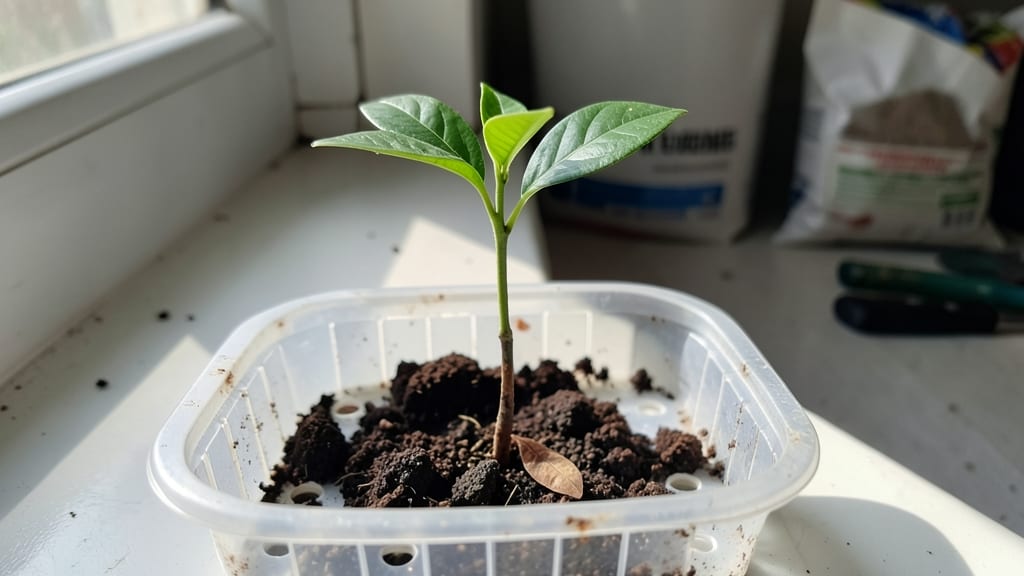
Starting a mango tree from seed feels like planting a tiny piece of vacation in your backyard. 🌱 The journey from grocery-store mango to towering tropical tree is slower than store-bought saplings promise, but there's something magical about nurturing a seed into a fruit-bearing giant yourself.
You'll need just three things to begin: a ripe mango, patience, and a warm spot with bright indirect light. The seed might take weeks to sprout, and the first leaves will be tiny and delicate—but that's where the adventure begins.
Most people quit here, but sticking with it for a few months gives you a sturdy sapling that'll eventually reach for the sky.
By the time you've transplanted your seedling into a pot, you'll be watching for the first true leaves and planning its eventual move outdoors. The roots will spread, the trunk will thicken, and with proper care, you might just get flowers—and eventually, fruit—in 5 to 10 years.
That first mango from your own tree? Worth every slow-growing day.
This method works best in warm climates (Zones 10-11), but container-growing lets you try it almost anywhere. Just be ready for the long game—your grandkids might get to taste the first fruit from your seed. Let's get those roots growing!
📚 In This Guide
- What you need
- Instructions
- Tips and common mistakes
- Wrapping up and next steps
What you need
- ● Mango seeds: 1-2 fresh, viable seeds (harvested from a ripe, organic mango—avoid hybrid varieties if possible).
- ● Small pots or seed trays: 2-4 (3-4 inches deep) with drainage holes. Plastic or biodegradable pots work great!
- ● Well-draining potting mix: 1 bag (look for a blend labeled "seed starting mix" or "cactus/succulent mix" for extra drainage).
- ● Spray bottle: 1 (for gentle watering).
- ● Plastic wrap or clear dome: 1 (to create a humid environment).
- ● Grow lights or sunny windowsill: Access to indirect light (6+ hours/day) or a small LED grow light.
- ○ Larger container (optional but helpful): 1 (5+ gallon pot) for transplanting after sprouting.
- ● Fertilizer (low-dose): 1 (balanced, water-soluble fertilizer like 5-5-5 or a seedling-specific formula).
- ● Heating mat: 1 (to keep soil warm, especially in cooler climates—mango seeds love warmth!).
- ● Humidity tray: 1 (to maintain moisture levels without overwatering).
- ● Pruning shears: 1 (for trimming future growth).
- ● Mulch: Organic (like coconut coir or straw) to retain moisture in the soil.
- ● pH testing kit: 1 (to ensure soil pH is slightly acidic, 5.5-6.5—ideal for mango trees!).
- ● Notebook or journal: 1 (to track growth milestones and watering schedules!).
Step-by-step instructions for starting a mango tree from seed
Here's how to turn a single seed into a thriving tropical tree—no green thumb required.
🌱 Step 1: Extract and Prepare the Seed
Start with a fresh, plump mango seed—avoid dried or shriveled ones. I like to use a ripe mango that’s soft enough to cut with a knife. Remove the seed carefully, rinsing off any fruit pulp to prevent mold. The seed’s brown, woody shell protects the embryo inside, and we’ll need to break through it gently.
Place the seed between two paper towels and fold them to create a snug wrap. Dampen the towels with lukewarm water (not cold) and store the package in a sealed plastic bag. Keep it in a warm spot—75-80°F is ideal—like on top of your fridge. Check daily, misting the towels if they dry out. You’ll see the first crack in the seed shell within 2-4 weeks, signaling the seedling is ready for planting.
🪴 Step 2: Plant the Germinated Seed
Fill a 6-inch diameter pot with well-draining potting mix—avoid garden soil, which can compact and suffocate roots. Press the mix down lightly to create a firm base, then make a small hole about 1 inch deep in the center. Gently place the germinated seed (pointy end up) into the hole and cover it with soil, pressing down just enough to secure it.
Water lightly until the soil feels evenly moist but not soggy. Place the pot in a bright, indirect light spot—direct sun can scorch the delicate young seedling. A south-facing window with sheer curtains works well. Keep the soil consistently moist, but never waterlogged. You’ll see the first true leaves emerge within 2-3 weeks, a sign the seedling is thriving.
☀️ Step 3: Transition to Direct Sunlight
Once the seedling has 3-4 true leaves (not the initial seed leaves), it’s ready for more sunlight. Gradually introduce it to morning sun first—start with 1-2 hours daily and increase by 1 hour every 3 days. Full sun can be overwhelming, so I recommend a 50% shade cloth during the hottest part of the day if your climate runs hot.
Watch for signs of stress: if leaves yellow or curl, the seedling is getting too much sun. Strong, healthy growth means dark green leaves and sturdy stems. After 2-3 weeks of gradual acclimation, the seedling should handle 6+ hours of direct sun daily. This is when it starts looking like a real mango tree!
🌿 Step 4: Repot for Growth
When the seedling reaches 6-8 inches tall and you see new leaves forming, it’s time to repot into a larger container—8-10 inches in diameter. Choose a pot with drainage holes and fill it with fresh potting mix. Gently remove the seedling from its current pot, loosening any tangled roots with your fingers. Place it in the new pot, ensuring it sits at the same depth as before.
Water thoroughly after repotting to help the roots settle. Keep the soil consistently moist but not waterlogged for the first 2 weeks. This is when the seedling’s root system expands rapidly, so avoid disturbing it. You’ll notice faster growth and thicker stems after repotting—this is your reward for patience!
⏰ Step 5: Fertilize and Care for Long-Term Growth
Once the seedling is established in its new pot, start fertilizing every 4-6 weeks with a balanced, water-soluble fertilizer (10-10-10 works well). Dilute it to half-strength to avoid burning the young roots. Fertilize during the growing season (spring and summer) only—mango trees are tropical and don’t need feeding in winter.
Keep the soil moist but well-drained, and mist the leaves occasionally to maintain humidity. If you live in a dry climate, group the pot with other plants to create a microclimate. With proper care, your mango seedling will grow 1-2 feet per year. It may take 3-5 years before it flowers and fruits, but the journey is worth it!
Tips & tricks for perfect mango tree growth from seed
Growing a mango tree from seed is one of the most rewarding tropical adventures—here are the secrets that'll help your seedling thrive from day one.
Seed Selection Matters: Don't just grab any mango seed! Look for seeds from ripe, plump mangoes—avoid those that feel dry or shriveled. I've learned this the hard way: a seed that's too dry won't germinate, no matter how well you care for it. The seed should feel firm but not hard when you squeeze it gently. Also, try to use seeds from mango varieties that grow well in your climate zone—some tropical varieties might struggle in cooler areas.
Germination Temperature Tip: The 75-80°F range is crucial during germination. If your home stays cooler than this, place the seed packet near a sunny window or on top of your fridge (where it's naturally warmer). I once tried germinating seeds in a 65°F room and waited weeks—don't make my mistake! Use a small thermometer to monitor the temperature if you're unsure. The warm spot helps break the seed's dormancy faster, getting you to that exciting crack-in-the-shell moment sooner.
Light Transition Strategy: When moving your seedling to direct sunlight in Step 3, start with just 1-2 hours of morning sun. I've seen beginners rush this process and end up with sunburned leaves. Gradually increase the sunlight exposure by 1 hour every 3 days—this slow acclimation prevents shock. Watch for leaves that curl or turn yellow; these are clear signs your seedling needs more shade. A 50% shade cloth is your best friend during this transition period, especially in hot climates.
Repotting Wisdom: When repotting your 6-8 inch seedling to an 8-10 inch pot, time it right—wait until you see new leaves forming. This indicates the root system is ready for more space. I always water the seedling thoroughly the day before repotting so the roots slide out more easily. After repotting, keep the soil consistently moist for those critical 2 weeks while the roots establish themselves in the new pot. This patience pays off with noticeably faster growth afterward.
Pro Tips for Start A Mango Tree From Seed
- Growing a mango tree from seed is one of the most rewarding tropical adventures—here are the secrets that'll help your seedling thrive from day one.
- Seed Selection Matters: Don't just grab any mango seed!
- Germination Temperature Tip: The 75-80°F range is crucial during germination.
Frequently asked questions
Got questions about growing a mango tree from seed? You’re not alone—this tropical adventure sparks curiosity! Below, we tackle the most common queries to help you navigate the process with confidence. Whether you’re wondering about timing, troubleshooting, or alternatives, we’ve got you covered.
How long does it take for a mango seed to sprout?
A mango seed typically sprouts within 2–4 weeks if kept warm (70–85°F) and moist. Patience is key—some seeds take up to 6 weeks, especially if stored improperly. Use a seedling heat mat or place the pot near a sunny window to speed things up!
Will my seedling grow into a fruit-bearing tree?
Yes, but it’s a long-term commitment—seedlings take 5–10 years to bear fruit! While possible, grafted trees (from nurseries) often produce faster and better-quality fruit. If you’re in it for the journey, your seedling will reward you—just be prepared for the wait!
What’s the best temperature for germinating mango seeds?
Mango seeds thrive in warmth (70–85°F). If your home is cooler, use a seedling heat mat or place the pot in a sunny spot. Avoid cold drafts—seeds may rot or fail to sprout. Pro tip: Never refrigerate mango seeds before planting!
Can I grow a mango tree indoors?
Yes, but with limitations. Seedlings need bright light (6+ hours/day) and humidity. A sunny windowsill or grow light works, but expect slower growth. If you live in a cold climate, keep it indoors until spring, then transplant outside. Dwarf varieties adapt better to containers!
Why is my mango seedling turning yellow or wilting?
Yellowing leaves often signal overwatering or root rot. Let the top inch of soil dry out between waterings and ensure the pot has drainage holes. Wilting can also mean underwatering—check soil moisture and adjust. If mold appears, repot in fresh, sterile soil.
Do mango seeds need to be dried before planting?
No! Fresh seeds germinate best immediately after scooping them out. If you must store them, wrap the seed in a damp paper towel and refrigerate for up to 2 weeks. Drying them out can kill the embryo—plant ASAP for the best results!
Wrapping up and next steps
Starting a mango tree from seed is a rewarding journey that connects you to nature’s sweetest bounty! 🌱 With patience and care, you’ve learned how to nurture a tiny pit into a thriving sapling—now imagine the tropical shade and juicy fruit it could one day provide. Your next step? Plant that seedling in a sunny spot, keep it hydrated, and watch it grow into a symbol of your green thumb’s success.
Remember: every expert gardener started with a single seed. Whether you’re growing for shade, beauty, or future harvests, you’re already on the path to tropical gardening magic. Happy planting! 🌴✨