Container Gardens
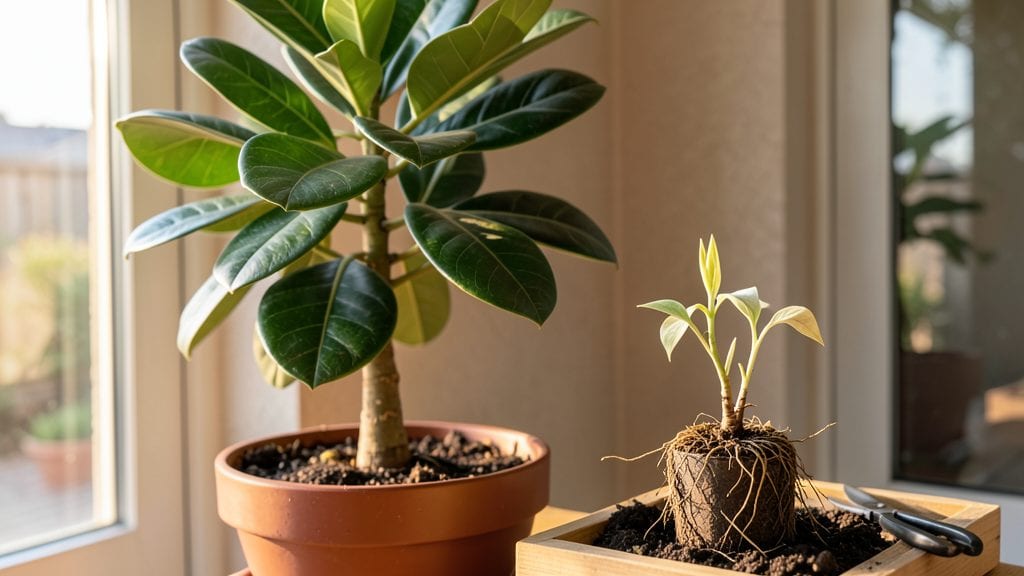
Planting potted trees isn’t just about sticking a sapling in dirt—it’s about creating a lifelong home where roots can breathe, grow, and thrive. I’ve watched my own container-grown Japanese maple outpace its in-ground neighbors, all because I learned the right soil mix and container size.
The secret lies in mimicking nature’s balance: drainage that prevents rot, space for roots to expand, and a soil blend that holds moisture without suffocating them.
You’ll need a container at least 12 inches wider than the root ball (bigger is always better for stability), drainage holes (non-negotiable), and a well-draining potting mix—never garden soil.
Dwarf varieties like littleleaf linden or patio-friendly fruit trees are perfect for containers, but even standard-sized trees can thrive if you plan ahead. The upfront prep—like loosening the root ball and adding slow-release fertilizer—sets the stage for years of healthy growth.
After planting, the first two weeks are critical: water deeply but let the top inch dry between drinks to avoid soggy roots. Mulch lightly with shredded bark to retain moisture and keep roots cool.
Within months, you’ll see new leaves unfurling, and by next season, your tree will be stronger than you expected. The best part? You can move it to bask in winter sun or protect it from summer heat—no permanent planting required.
Common mistakes like overwatering or choosing the wrong container can stall growth, but with the right setup, your potted tree will reward you with decades of shade, beauty, and even fruit.
Whether you’re reviving a struggling container tree or starting fresh, these steps turn guesswork into guaranteed success. Let’s get those roots settled in the right way.
📚 In This Guide
- What you need
- Instructions
- Tips and common mistakes
- Wrapping up and next steps
What you need
- ● Container: A pot with drainage holes (size depends on tree type—small trees: 10–15 gallons; medium: 20+ gallons). Pro tip: 💡 Use lightweight materials like fabric or plastic for easy moving.
- ● Potting Mix: High-quality, well-draining soil blend (avoid garden soil). Aim for 2–3 bags (2–3 cu. ft. each) for medium-sized pots.
- ● Tree: A young potted tree (1–3 years old) with a healthy root system. Check for flexible branches and no yellowing leaves!
- ● Drainage Material: Small rocks, gravel, or ceramic shards (1–2 inches deep) to prevent root rot.
- ● Fertilizer: Slow-release granular fertilizer (follow package rates) or liquid fertilizer for immediate nutrients.
- ● Watering Can or Hose: With a gentle spray nozzle for even moisture.
- ● Gloves & Pruners: For handling soil and trimming roots if needed.
- ● Mulch: Organic mulch (e.g., bark chips) to retain moisture and regulate temperature.
- ● Support Stakes: For young trees prone to toppling (especially in windy areas).
- ● pH Test Kit: To monitor soil acidity/alkalinity (ideal range: 6.0–7.0 for most trees).
- ● Self-Watering System: For busy gardeners—automates hydration!
- ● Decorative Elements: Pebbles, moss, or decorative pots to elevate your container’s style.
Step-by-Step guide to planting potted trees for long-term growth
Container-grown trees thrive with the right planting technique—here’s how to set them up for years of healthy growth.
Select the Right Container and Drainage System
Choose a container at least 12 inches wider and deeper than the root ball of your tree, with multiple drainage holes to prevent root rot. I recommend fabric grow bags for larger trees—they allow roots to breathe while maintaining moisture better than rigid pots. If using traditional containers, line the bottom with 2-3 inches of gravel or broken pottery to improve drainage.
For 4 trees, you’ll need 4 containers sized appropriately for each species. Larger trees like Japanese maples need 18-inch minimum depth, while smaller varieties like dwarf fruit trees can thrive in 10-12 inch pots. Avoid decorative pots without drainage—root suffocation is the silent killer of container trees.
Prepare the Potting Mix for Optimal Root Development
Fill the container one-third full with a well-draining potting mix blended with 20% perlite or orchid bark to improve aeration. I avoid garden soil—it compacts in containers and strangles roots. For larger trees, incorporate a slow-release fertilizer (like 10-10-10) at planting time to provide nutrients for the first 3-4 months. Moisten the mix until it’s damp but not soggy—think of a wrung-out sponge.
If your tree arrives root-bound, gently loosen the root ball with your fingers before planting. Severing overly tight roots with sterilized pruners encourages outward growth. This is where most container trees fail—skipping this step leads to circular root growth that girdles the trunk over time.
Plant the Tree at the Correct Depth and Stake for Stability
Position the tree so the top of the root ball sits 1-2 inches below the container rim—this prevents soil from washing away during watering. Backfill with your prepared mix, pressing gently to eliminate air pockets, but never compact heavily. Tap the container lightly on all sides to settle the soil evenly.
Stake only if necessary—young, top-heavy trees (like newly planted fruit trees) benefit from 2-3 stakes secured with soft tree ties, not wire. Bury stakes one-third deep and position them 2-3 inches from the trunk to avoid girdling. Water deeply after planting to encourage root spread into the new soil.
Establish a Watering and Fertilizing Routine for Container Trees
Water deeply every 2-3 days until water drains freely from the bottom, then reduce to every 5-7 days once established. Container trees dry out 3-5 times faster than ground-planted ones—check soil moisture by sticking your finger 2 inches deep. If it feels dry, water; if damp, wait. Overwatering in containers is just as deadly as underwatering.
Fertilize monthly during growing season (spring-fall) with a balanced liquid fertilizer diluted to half-strength. I switch to low-nitrogen, high-phosphorus in early summer to encourage flowering and fruiting. In winter, reduce watering to every 10-14 days and withhold fertilizer entirely—trees in containers enter dormancy earlier than ground-planted ones.
Monitor for Pests, Prune Strategically, and Rotate Containers Seasonally
Inspect leaves weekly for spider mites, scale, or aphids—container trees are more vulnerable to infestations due to limited soil predators. Treat early with neem oil or insecticidal soap, and isolate affected trees immediately. Prune in late winter to remove dead wood, crossing branches, and suckers at the base. Always sterilize pruners between cuts to prevent disease spread.
Rotate containers every 2-4 weeks to ensure even sunlight exposure—trees grow toward the light, leading to lopsided canopies if left stationary. In late fall, move containers to a protected location (like a garage or under eaves) before temperatures drop below 20°F. Mulch the soil surface with 1-2 inches of bark chips in winter to insulate roots and retain moisture.
Tips & tricks for planting potted trees
Here's what I've learned after years of growing container trees—these tips will help you avoid common pitfalls and set your trees up for success.
Container Selection: In Step 1, when selecting containers, prioritize weight and stability over aesthetics. Heavy containers like ceramic or stone prevent toppling in windy conditions, especially for taller trees. For larger species like Japanese maples, consider containers with built-in saucers to catch drainage—this prevents water from pooling under the pot, which can lead to root rot over time. If using fabric grow bags, choose ones with reinforced stitching to handle the weight as roots expand.
Root Development Strategy: During Step 2, when preparing your potting mix, I recommend adding a handful of worm castings to the mix for the first planting. These natural amendments introduce beneficial microbes that improve root health and nutrient uptake. For root-bound trees, take extra care when loosening the root ball—use a pruning knife to carefully slice through tight roots in a few places, creating channels for new growth. This mimics natural root spreading patterns and prevents the girdling effect that can strangle young trees.
Planting Depth Precision: In Step 3, when positioning your tree, use a pencil to mark the depth line on the container's side before planting. This visual guide ensures the root ball sits exactly 1-2 inches below the rim, even when you're working with multiple trees. For trees with prominent trunks, like fruit trees, consider using a small wooden stake as a depth reference during backfilling—tap it lightly as you add soil to maintain consistent pressure without compacting.
Seasonal Transition Planning: As you prepare for Step 5's seasonal adjustments, create a simple calendar marking your region's first frost date. This helps you time your fall container moves precisely—aim to relocate trees to protected areas 2-3 weeks before the forecasted 20°F threshold. For winter mulching, use only 1 inch of bark chips rather than the full 1-2 inches recommendation; thicker mulch can insulate too well in cold climates, trapping moisture against the roots.
Pro Tips for Planting Potted Trees
- Here's what I've learned after years of growing container trees—these tips will help you avoid common pitfalls and set your trees up for success.
- Container Selection: In Step 1, when selecting containers, prioritize weight and stability over aesthetics.
- Root Development Strategy: During Step 2, when preparing your potting mix, I recommend adding a handful of worm castings to the mix for the first planting.
Frequently asked questions
Got questions about keeping your potted trees happy and healthy?
Here are answers to the most common ones—so you can grow with confidence!
What’s the best time of year to plant a potted tree?
Plant your potted tree in early spring or fall when temperatures are mild. This gives roots time to establish before extreme heat or cold sets in. Avoid planting in peak summer—containers dry out fast, stressing young trees!
How often should I water a potted tree?
Water when the top 1–2 inches of soil feel dry. Potted trees need more frequent watering than in-ground ones—1–2 times per week in summer (daily if scorching hot). Use a moisture meter or stick your finger in to check! Pro tip: Overwatering is worse than underwatering—ensure pots have drainage holes.
Can I reuse the same container for years, or should I upgrade?
Upgrade containers every 2–3 years or when roots circle the pot (a sign they’re root-bound). Larger pots (5–10 gallons for mature trees) improve stability and soil volume. If repotting, choose a pot 2–3 inches wider than the current one.
How do I prevent pests or diseases in potted trees?
Inspect leaves and soil monthly for aphids, spider mites, or fungal spots. Use neem oil or insecticidal soap for pests, and ensure good airflow. Avoid overwatering—soggy soil breeds root rot. Pro tip: Sterilize tools between plants to stop disease spread.
Are there drought-tolerant potted tree options?
Yes! Try olive trees, junipers, or crepe myrtles—they thrive with less water. Even drought-loving trees need occasional deep watering (every 10–14 days in summer). Mulch the soil surface to retain moisture.
Wrapping up and next steps
Planting potted trees isn’t just about saving space—it’s a rewarding way to nurture greenery that thrives without limits.
With the right soil, container, and care, your tree can grow strong, healthy, and beautiful for years to come! 🌱 Whether you’re a beginner or a seasoned gardener, every small step—like choosing the perfect pot or monitoring moisture—makes a difference.
Ready to give it a try? Start by picking your favorite tree and gathering your supplies. Then, watch your green thumb grow as you create a stunning, low-maintenance oasis on your balcony, patio, or even indoors. Happy planting! 🌿