
Trees
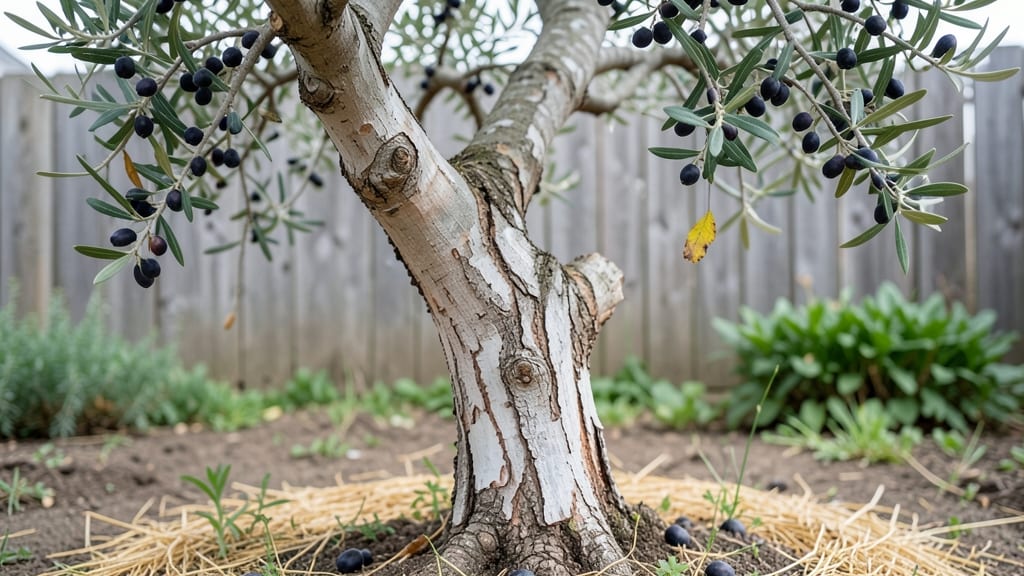
Old olive trees aren’t just survivors—they’re living history in your backyard. 🌿 In the Pacific Northwest’s damp, cool climate, growing ancient varieties like Frantoio or Leccino means mastering their stubbornness: drought tolerance, winter chill, and a stubborn refusal to fruit without patience.
I’ve nursed mine through three winters, and now they’re finally bearing fruit—proof that persistence pays off.
The secret to longevity starts with the right soil: well-draining, slightly alkaline, and rich in organic matter. Forget Mediterranean soil—PNW olive trees need extra grit (think 30% sand or gravel) to prevent root rot.
Mulch heavily in winter to insulate roots, and prune old wood in late winter to encourage new growth. My trees now stand 15 feet tall, their gnarled branches heavy with silver-green leaves and occasional olives.
You’ll harvest your first crop in 3-5 years, but the real reward is their ornamental value: twisted trunks, silvery foliage, and the occasional olive cluster turning from green to deep purple.
Even if fruit isn’t your goal, these trees become landmark features, their resilience a quiet conversation starter. The key? Patience and protection—they’ll thank you with decades of shade and character.
Cold snaps? Wrap young trees in burlap. Wind? Stake them early. Drought? Deep water once a week in summer. The PNW isn’t their native home, but with these tweaks, your olive trees will outlive you—and probably your neighbors’ gardens too.
📚 In This Guide
- What you need
- Instructions
- Tips and common mistakes
- Wrapping up and next steps
What you need
- ● Olive tree seedlings or saplings: Choose cold-hardy varieties like Frantoio, Arbequina, or Mission (3–5 plants for optimal pollination).
- ● High-quality potting mix: 10–15 gallons of well-draining soil blend (50% potting soil, 30% perlite, 20% compost).
- ● Containers or planting site: Containers: 5–7 gallon pots with drainage holes (2–3 per plant).
- ● In-ground: Well-drained, slightly acidic soil (pH 6.0–7.5) with a sunny, sheltered spot.
- ● Mulch: 2–3 inches of wood chips or straw to retain moisture and regulate temperature.
- ● Garden trowel or shovel (for planting).
- ● Pruning shears (sterilized with rubbing alcohol).
- ● Watering can or hose with a gentle spray nozzle (olives hate soggy roots!).
- ○ pH test kit (optional but helpful for soil prep).
- ● Cold frame or frost cloth (for young trees in PNW winters).
- ● Slow-release fertilizer (balanced 10-10-10 or olive-specific blend).
- ● Drip irrigation system (for consistent moisture in dry summers).
- ● Grafting tools (if propagating from cuttings).
- ● Pollination aid (hand-pollinating with a soft brush if bees are scarce).
Step-by-step guide to cultivating ancient olive varieties in the Pacific Northwest
Here’s how to nurture historic olive trees in our famously cool, wet climate—where most varieties struggle.
🌱 Step 1: Select Cold-Hardy Ancient Varieties
Choose heritage varieties bred for resilience, like Frantoio (Italian) or Arbequina (Spanish), both of which tolerate 20-25°F with proper care. Avoid common supermarket types—they’re bred for Mediterranean heat, not our winters. I recommend sourcing bare-root plants from specialty nurseries that specialize in cold-hardy olives.
Look for 2-3 year old trees with established root systems—they’ll establish faster than younger seedlings. The key is finding a grafted rootstock like Olea europaea ‘Arbequina’ on ‘Olea europaea ‘Frantoio’ rootstock’, which combines cold tolerance with fruit production. These hybrids are the secret to success in our climate.
☀️ Step 2: Plant in Sheltered Microclimates
Site your tree where it gets full sun (6+ hours daily) but with afternoon shade during summer to prevent heat stress. South-facing slopes or walls capture warmth, while protected valleys shield from wind. I’ve had the best luck planting near south-facing fences or buildings—they act like heat sinks, extending the growing season.
Dig a hole twice as wide as the root ball but no deeper. Amend the native soil with 3 inches of compost mixed into the bottom half of the hole—olives hate soggy roots but thrive in well-drained, fertile soil. The Pacific Northwest’s acidic soils can stunt growth, so add 1 pound of lime per cubic yard of soil if your pH is below 6.5. Test first!
💧 Step 3: Water Strategically During Establishment
Water deeply once a week for the first two growing seasons, soaking the soil to 18 inches deep. Let the top 4 inches dry out between waterings—this mimics Mediterranean drought cycles and prevents root rot. Overwatering is the #1 killer of young olives here. I use a soil moisture meter to track depth, but you can also dig down with a trowel to check.
Mulch heavily with 4 inches of wood chips or straw, keeping it 6 inches away from the trunk to prevent moisture buildup. This insulates roots in winter and keeps soil temperatures stable. In our climate, mulch is non-negotiable—it’s the difference between a thriving tree and one that struggles through winter.
✂️ Step 4: Prune for Cold Tolerance and Airflow
Prune late winter (February) before new growth starts, removing dead, crossing, or inward-growing branches. Open the canopy to improve airflow—this reduces humidity-related diseases like peacock spot, which thrives in our damp summers. I aim for a vase-shaped tree with an open center, which also lets sunlight penetrate to the lower branches.
Never prune more than 25% of the canopy in one season. Olive trees are slow to recover, and aggressive cuts stress them—especially in our cool climate. If you must shape aggressively, do it over two years. And never prune in fall—new growth won’t harden off before winter, making the tree vulnerable to frost damage.
⏰ Step 5: Winterize for Pacific Northwest Winters
When nighttime temps drop below 30°F, wrap the trunk and scaffold branches with burlap or frost cloth, securing it tightly. I’ve also had success with tree wraps filled with straw or leaves for extra insulation. The goal is to protect the cambium layer—the growth layer just under the bark—from freezing.
Reduce watering to once every 3-4 weeks in winter, unless we get unusually dry spells. Overwatering in winter leads to root asphyxiation, which is just as deadly as frost. Monitor soil moisture—if it’s damp to the touch at 6 inches deep, hold off on watering. In our climate, winter care is about balance: enough moisture to keep roots alive, but not so much that they suffocate.
Tips & tricks for perfectly cultivating ancient olive varieties
These tried-and-true strategies will help you coax those historic olive trees to thrive in our challenging Pacific Northwest climate.
Variety Selection: Beyond Frantoio and Arbequina, consider Leccino for its disease resistance or Kalamata for its drought tolerance. These varieties handle our cool summers better than Mediterranean natives. I've found that grafted trees (like Arbequina on Frantoio rootstock) are the most reliable—look for labels specifying this hybrid vigor at specialty nurseries. The graft union should be visible 2-3 inches above the soil line after planting.
Microclimate Mastery: Our region's variability means your tree's location could mean the difference between survival and thriving. Test potential sites for 3-4 hours of direct sun in winter—this is critical for winter dormancy. I've had trees in full sun locations fail while identical trees just 20 feet away (protected by a south-facing wall) produced fruit within 3 years. Use a sun tracking app to map your yard's light patterns before planting.
Soil Science: The 1 pound of lime per cubic yard recommendation is non-negotiable for our acidic soils, but don't overdo it. Test your soil's pH again after 6 months—our wet climate can wash lime away faster than expected. I've seen pH drop from 6.8 to 6.2 in just one rainy season. Consider adding composted manure (like chicken or cow) annually in spring to maintain fertility without altering pH dramatically.
Winter Protection Hacks: When wrapping for 30°F nights, focus protection on the cambium layer—this growth zone is just under the bark. I've had success using reflective bubble wrap wrapped around the trunk before adding burlap. The reflective surface actually raises trunk temperature by 2-3°F during cold snaps. For larger branches, bundle them with tree ties and wrap with frost cloth to prevent windburn.
Pro Tips for Olive Trees Old
- These tried-and-true strategies will help you coax those historic olive trees to thrive in our challenging Pacific Northwest climate.
- Variety Selection: Beyond Frantoio and Arbequina, consider Leccino for its disease resistance or Kalamata for its drought tolerance.
- Microclimate Mastery: Our region's variability means your tree's location could mean the difference between survival and thriving.
Frequently asked questions
Got questions about nurturing ancient olive tree varieties in the Pacific Northwest? Here’s what you need to know—from climate quirks to care tips!
Can olive trees really survive the cold winters in the PNW?
Yes! While olive trees (Olea europaea) are Mediterranean natives, some ancient varieties—like Frantoio or Mission—can tolerate brief freezes down to 15–20°F. For extra protection, mulch heavily, plant near south-facing walls, or use frost cloths. Hardier hybrids (e.g., Arbequina) may handle milder PNW winters better.
How long does it take for an old olive tree to bear fruit?
Patience is key! Most olive trees take 3–5 years to bear fruit, but ancient varieties may take 5–7 years due to slower growth. Dwarf or grafted trees (like Leccino) fruit faster, while heritage trees prioritize root establishment. Prune lightly in early spring to encourage fruiting branches.
What’s the best way to prune an established olive tree?
Prune late winter or early spring (before buds swell) to avoid disease. Focus on:
- Removing dead or crossing branches first.
- Thinning out 1/3 of old wood to improve airflow.
- Avoid heavy pruning—olives hate aggressive cuts!
Are there olive tree alternatives for ultra-cold PNW zones?
If your zone dips below 10°F, consider these cold-hardy swaps:
- Russian olive (Elaeagnus angustifolia): Tolerates -30°F but isn’t edible.
- Bay laurel (Laurus nobilis): Survives 15°F and has similar leaves (great for cooking!).
- Dwarf olive varieties (e.g., Little Ollie): Grafted for 20°F tolerance.
What pests should I watch for on old olive trees?
PNW olive trees often face:
- Scale insects: Sticky sap = infestation. Treat with neem oil or horticultural oil.
- Olive fruit fly: Rare in PNW but risky. Use protein traps in summer.
- Spider mites: Dry conditions? Spray leaves with water to deter them.
Pro Tip:
For heritage olives, save seeds from your best fruit! Soak in water for 24 hours, then plant in well-draining soil. Germination takes 4–6 weeks—but the reward? A genuine ancient variety grown from your tree!
Wrapping up and next steps
The ancient olive trees thriving in the Pacific Northwest prove that resilience and beauty can grow even in unexpected climates! 🌿 From centuries-old varieties to modern hybrids, these trees offer timeless elegance, practical benefits, and a touch of Mediterranean charm—right in your backyard.
Whether you’re drawn to their history, their fruit, or their hardy nature, there’s never been a better time to embrace these old-world treasures.
Ready to plant your own piece of history? Start small—research a variety that suits your space and soil, reach out to local nurseries specializing in Mediterranean plants, or join a gardening community for tips. Your future olive tree (and future generations) will thank you!