
Pruning
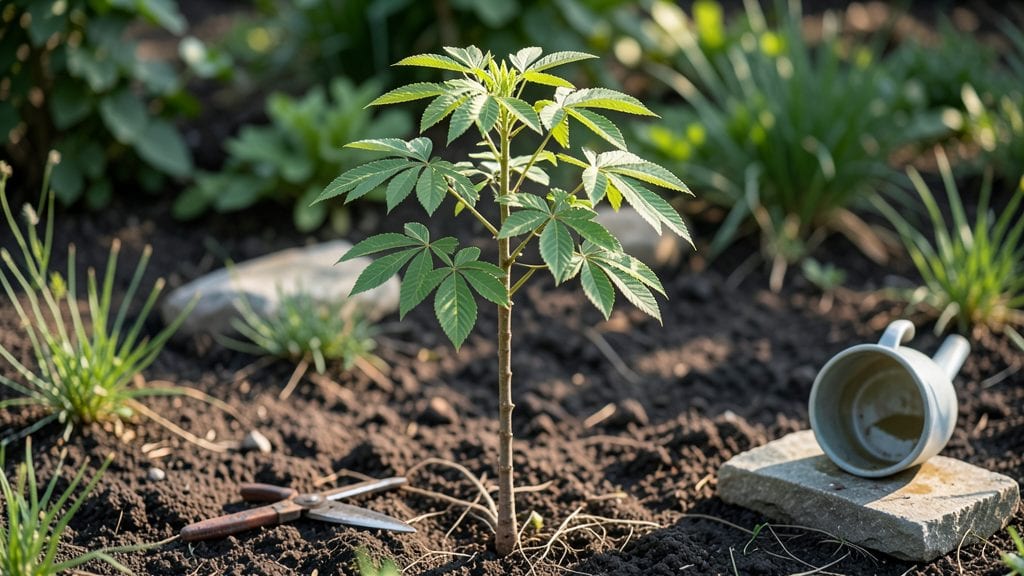
Your pistachio tree sapling could thrive in the Pacific Northwest with the right approach—it just needs warmth, patience, and a few clever tricks. I’ve grown these finicky trees in cooler climates by mimicking their natural Mediterranean habitat, and the results are worth the effort.
The key isn’t forcing nature but working with it, using microclimates and seasonal adjustments to keep roots happy while leaves bask in warmth.
Start with well-draining soil mixed with sand or gravel—pistachios hate soggy roots—and plant in a sheltered spot where winter winds won’t scorch tender branches. A south-facing wall or greenhouse extends the growing season dramatically, letting you push the limits of Zone 8.
Water deeply but infrequently; these trees prefer drought once established, and overwatering is the fastest way to kill them.
By summer, you’ll see glossy new leaves and vigorous growth, but pruning in late winter shapes the tree for maximum nut production. The first harvest won’t come for 7-10 years, but each year’s careful care builds a stronger, more resilient tree.
Even in cooler climates, a well-managed pistachio can reward you with sweet, buttery nuts—if you’re willing to wait.
This method works for container-grown saplings too, letting you move them indoors during cold snaps. The secret? Heat mats in winter and afternoon shade in summer—simple adjustments that make all the difference. Let’s get your sapling off to the right start.
📚 In This Guide
- What you need
- Instructions
- Tips and common mistakes
- Wrapping up and next steps
What you need
- ● Pistachio tree sapling: Choose a Pistacia vera or cold-hardy hybrid (like 'Kerman' or 'Peters')—ensure it’s 1-3 years old and labeled for Zone 7+ (or use a micropropagated sapling for better PNW resilience).
- ● Well-draining soil mix: 50% native soil, 30% compost, and 20% perlite/sand (pistachios hate soggy roots!).
- ● Container or planting hole: For containers: 5-gallon pot (minimum) with drainage holes. Use a fabric grow bag if repotting later.
- ● For in-ground: Dig a hole twice as wide and slightly shallower than the root ball.
- ● Organic mulch: 2-3 inches of wood chips or straw (keep mulch 4+ inches away from the trunk to prevent rot).
- ● Fertilizer: Slow-release: 10-10-10 NPK (use ½ cup per 5-gallon container or 1 lb per 100 sq ft in-ground).
- ● Micronutrients: Zinc sulfate (pistachios are zinc-lovers! Mix 1 tsp per gallon of water monthly in early growth).
- ● Watering supplies: Drip irrigation or soaker hose (avoid overhead watering to prevent fungal diseases).
- ● Watering can (for containers).
- ● Pruning tools: Bypass pruners (for clean cuts on ¼-inch stems).
- ● Loppers (for thicker branches).
- ● Sterilizing solution (70% isopropyl alcohol or bleach water to prevent disease spread).
- ● Cold-frame or row cover: Protect young saplings from late frosts (Zone 7-8 can still get dips below 15°F!).
- ● pH test kit: Pistachios thrive in 6.5-7.5 pH—amend soil with lime if needed.
- ● Root stimulator: Mycorrhizal fungi (like VAM) to boost root growth in poor soil.
- ● Pollination buddy: Pistachios are self-unfruitful—plant a second sapling of a compatible variety (e.g., 'Peters' + 'Kerman') for nuts!
- ● Tree support: Stake (if planting in windy PNW areas) + soft tie (to avoid trunk damage).
Step-by-step instructions for planting and establishing a cold-hardy pistachio sapling
Growing pistachios in the Pacific Northwest takes strategy—here’s how to give your sapling the best start.
Choose the Right Location and Prepare the Soil
Pistachio saplings thrive in full sun with at least 6-8 hours of direct light daily, so pick a south-facing spot with shelter from harsh winds. The Pacific Northwest’s cool summers mean your site needs excellent drainage—pistachios hate soggy roots. Test your soil: if it stays damp for more than 24 hours after watering, amend with 3-4 inches of coarse sand or gravel mixed into the top 12 inches of soil.
Dig a hole twice as wide as the sapling’s root ball but only as deep as the container it came in. Loosen the sides of the hole with a shovel to encourage root spread. Here’s the thing—pistachios are sensitive to transplant shock, so handle the root ball carefully. If the soil is dry, soak the root ball for 15-20 minutes before planting to reduce stress.
Plant at the Correct Depth and Water Thoroughly
Place the sapling in the hole so the top of the root ball sits level with the surrounding soil—burying too deep suffocates the trunk, while planting too shallow exposes roots. Backfill with native soil (not amended mix) to avoid disturbing the roots. Press firmly around the edges to eliminate air pockets, but don’t compact the soil. Water deeply immediately after planting—pour 5 gallons slowly at the base until it drains from the bottom of the hole.
Mulch with 2-3 inches of wood chips or straw, keeping the mulch 6 inches away from the trunk to prevent rot. This mimics the tree’s natural Mediterranean habitat while protecting roots from temperature swings. Water again 3-4 days later to settle the soil and encourage root growth. You’ll know you’ve done it right when the soil stays moist but not waterlogged at a 2-inch depth.
Provide Seasonal Care for the First Two Years
During the first growing season, water deeply once a week (or more in summer heat) until the soil is dry 4-6 inches down. Pistachios are drought-tolerant once established, but saplings need consistent moisture. Use a soil probe or your finger to check moisture—if it’s dry, water; if damp, wait. Overwatering in winter can rot roots, so reduce to every 2-3 weeks unless temperatures drop below 32°F, then keep soil slightly moist.
Fertilize lightly in early spring with a balanced 10-10-10 fertilizer (½ cup per year of tree age). Avoid high-nitrogen fertilizers—they promote leafy growth at the expense of fruit production. Prune only to remove dead or crossing branches in late winter, using sterilized shears. The goal is to shape the tree gradually while letting it develop a strong structure. Watch for aphids or spider mites (common in PNW summers)—treat with neem oil if you spot webbing or curled leaves.
Protect Against Winter Chill and Spring Frost
Pistachios need 200-400 hours of chill below 45°F to flower, which the PNW delivers—but sudden cold snaps can damage young trees. Wrap the trunk and scaffold branches with tree wrap or burlap in late fall, leaving space for airflow. In Zone 7-8 (where most PNW pistachios thrive), mulch heavily (4-6 inches) in winter to insulate roots. If a hard freeze (below 20°F) is forecast, drape frost cloth loosely over the tree to break ice formation on branches.
In early spring, remove winter wraps gradually to avoid shocking the tree. Prune any frost-damaged branches (they’ll appear brown and brittle) with clean cuts just above a healthy bud. Pistachios flower in late spring, so avoid heavy pruning then—you’ll sacrifice next year’s crop. Here’s the moment that matters: wait until after blooms fall (usually mid-June) to assess growth and plan summer care.
Tips & tricks for planting cold-hardy pistachio saplings
Planting pistachio saplings in the Pacific Northwest requires careful attention to detail—here are the key strategies that'll help your tree thrive from the very first season.
Soil Preparation is Non-Negotiable: The 24-hour drainage test is your best friend when amending soil. If water pools beyond that time, you're dealing with clay-heavy soil that needs serious improvement. I've found that mixing in 3-4 inches of coarse sand (not fine play sand) creates the perfect balance—it improves drainage while still retaining enough moisture for young roots. For heavy clay soils, consider adding composted pine bark fines to the mix, which breaks up compacted soil over time.
Root Ball Handling Makes All the Difference: That 15-20 minute soak before planting isn't just about hydration—it's about reducing transplant shock. I've seen saplings wilt dramatically when planted with dry root balls, even when the surrounding soil was moist. The secret is to soak until water runs freely from the bottom of the container, then let it drain for 5 minutes before planting. This ensures the roots are hydrated but not waterlogged when you put them in the ground.
Watering Strategy for First Two Years: The once-weekly watering guideline assumes average PNW summer conditions, but you'll need to adjust based on your microclimate. I recommend checking soil moisture at 2-inch depth with your finger—if it's dry, water; if damp, wait. In hotter inland areas, you might need to water every 4-5 days, while coastal regions may only need watering every 10 days. The key is consistency: saplings need steady moisture to establish their root systems without becoming waterlogged.
Winter Protection is Critical for Survival: That 200-400 hour chill requirement is why pistachios thrive in the PNW, but sudden temperature drops can still damage young trees. I've learned the hard way that tree wrap alone isn't enough for hard freezes below 20°F. For extreme cold events, combine the wrap with a breathable frost blanket (not plastic) and secure it loosely—tight blankets can trap too much heat and cause moisture buildup. The goal is to protect without suffocating the tree.
Pro Tips for Pistachio Tree Sapling
- Planting pistachio saplings in the Pacific Northwest requires careful attention to detail—here are the key strategies that'll help your tree thrive from the very first season.
- Soil Preparation is Non-Negotiable: The 24-hour drainage test is your best friend when amending soil.
- Root Ball Handling Makes All the Difference: That 15-20 minute soak before planting isn't just about hydration—it's about reducing transplant shock.
Frequently asked questions
Got questions about growing a pistachio tree sapling in the Pacific Northwest? You’re not alone! Here are answers to the most common concerns—from timing to troubleshooting—so you can nurture a thriving orchard with confidence.
Can pistachio trees survive PNW winters?
Most pistachio varieties need chill hours (below 45°F) to thrive, but cold-hardy cultivars like 'Kerman' or 'Peter' can handle 15–20°F with proper care. Use windbreaks, mulch heavily, and plant in sheltered microclimates (e.g., south-facing slopes). For extra protection, wrap young saplings in burlap or use frost cloth.
How long does it take for a pistachio sapling to bear nuts?
Patience is key! Saplings typically take 4–7 years to produce nuts, depending on climate, soil, and care. Focus on consistent watering, pruning for airflow, and fertilizing with nitrogen/phosphorus/potassium (10-10-10 ratio) to speed up maturity. Female and male trees must be planted nearby for pollination—aim for a 1:7 to 1:10 ratio of females to males.
How often should I water a young pistachio sapling?
Water deeply 1–2 times per week during the first year, ensuring the soil stays moist but not soggy (1–2 inches deep). Once established (year 2+), reduce to every 2–3 weeks, except during droughts. Drip irrigation is ideal—it delivers water directly to roots and reduces waste. Pro tip: Mulch with wood chips to retain moisture and suppress weeds!
What if my pistachio sapling’s leaves turn yellow?
Yellowing leaves often signal overwatering, nutrient deficiency, or pest issues. Check the soil—it should drain well (PNW clay? Amend with compost!). Test for chlorosis (iron/zinc deficiency) and treat with chelated iron. Inspect for aphids or spider mites (spray with neem oil if needed). If the problem persists, adjust your watering schedule or prune affected branches to improve airflow.
Can I grow pistachios in containers?
While possible, pistachios are not ideal for containers long-term—they need deep roots and space to thrive. If you’re set on container growing, use a 20+ gallon pot with drainage holes, well-draining soil, and fertilize monthly. However, transplant to the ground within 2–3 years for best growth. For PNW climates, focus on in-ground planting in well-drained, slightly alkaline soil (pH 7.0–8.5).
Wrapping up and next steps
Growing a cold-hardy pistachio tree sapling in the Pacific Northwest is absolutely doable with the right care and patience! 🌱 By selecting the right variety, preparing your soil, and mastering pruning techniques, you’ll set the stage for a thriving tree that rewards you with delicious nuts for years to come.
Remember, consistency is key—whether it’s watering, fertilizing, or trimming.
Ready to take the next step? Start small:
- Order your sapling from a reputable nursery (check for Pistacia vera or cold-resistant hybrids).
- Mark your calendar for early spring pruning—your tree will thank you!
- Join local gardening groups for tips tailored to your region.
Your future orchard awaits—let’s get growing! 🌿