
Pruning
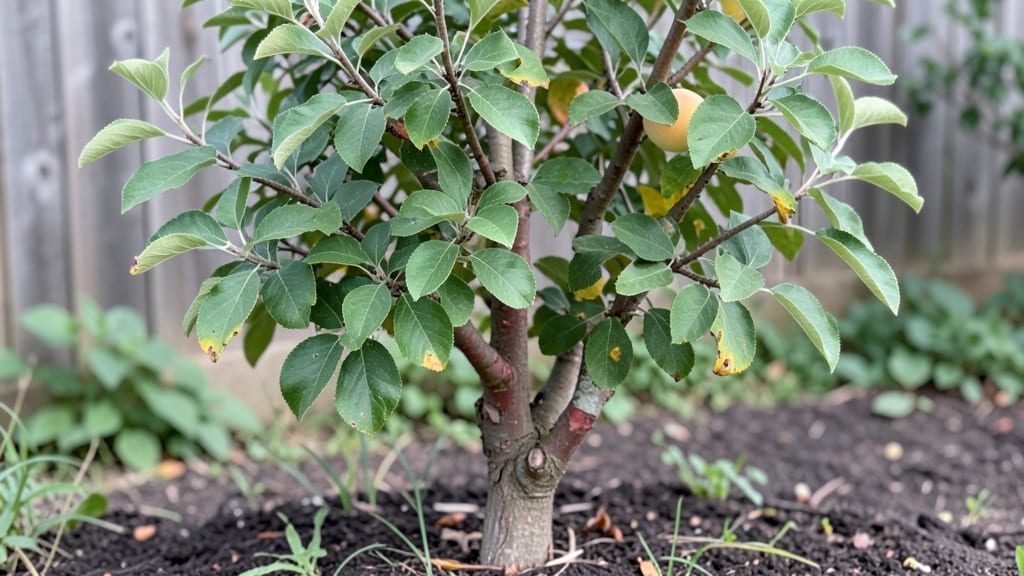
Planting a Suncrest peach tree in the Pacific Northwest means finally enjoying homegrown peaches—even when winter lingers. I’ve grown this cold-hardy variety for years, and the secret to success starts with the right spot: full sun, well-draining soil, and protection from harsh winds.
The first year is about establishing strong roots, not fruit, so patience pays off with juicy harvests in seasons to come.
This tree thrives in zones 5-8, making it perfect for PNW climates where other peaches struggle. You’ll need a 6-foot-deep planting hole, rich compost mixed into native soil, and a mulch ring to lock in moisture.
Water deeply twice a week during the first growing season—overwatering is the fastest way to kill these trees. The payoff? A sturdy, productive tree that keeps bearing fruit long after other varieties give up.
Pruning in late winter opens the tree to sunlight, boosting fruit production, while summer thinning ensures larger peaches. I’ve seen Suncrest trees yield 50+ pounds of peaches in a good year—sweet, firm, and perfect for fresh eating or preserves.
The key is consistent care: fertilize in early spring, monitor for peach tree borers, and protect blossoms from late frosts. Every step builds toward that first harvest.
Even in rainy climates, Suncrest performs reliably. The tree’s disease resistance and cold tolerance mean fewer headaches than other varieties. Once established, it’s low-maintenance—just watch for blossom drop (too much nitrogen!) and poor yields (thin fruit early). With the right approach, you’ll enjoy peaches for decades, not just seasons.
📚 In This Guide
- What you need
- Instructions
- Tips and common mistakes
- Wrapping up and next steps
What you need
- ● Pruning shears – Bypass pruners (sharp, 6-8" blades) for clean cuts on small branches.
- ● Loppers – 8-10" bypass or anvil loppers for thicker branches (up to 2" diameter).
- ● Pruning saw – For branches over 2" thick (avoid bolt cutters—they crush wood!).
- ● Disinfectant – Rubbing alcohol (70%+) or bleach solution (1 part bleach : 9 parts water) to sterilize tools between cuts.
- ● Garden gloves – Heavy-duty, cut-resistant (thorns on Suncrest peaches are sharp!).
- ● 5-gallon bucket – For collecting pruned branches and debris.
- ○ Tree wound dressing – Optional but helpful (e.g., Tanglefoot Tree Wound Pruning Sealer) for large cuts.
- ● Extension pole saw – For high branches (save your back!).
- ● Ladder – Sturdy, non-slip (if tree exceeds 10 feet).
- ● Marking spray – Non-toxic paint to tag branches for removal.
- ● Safety glasses – Protects eyes from debris.
- ● Work apron – Keeps tools handy and clothes clean.
- ● Check the Suncrest peach tree’s dormancy period—prune in late winter or early spring (before buds swell).
- ● Ensure the tree is healthy and disease-free (no signs of canker or blight).
- ● Have a clear day planned—avoid pruning when branches are wet or icy.
How to plant and care for your Suncrest peach tree in the Pacific Northwest
This cold-hardy variety thrives in our region with the right preparation—here’s exactly how to set it up for success.
Choose the Perfect Planting Site and Timing
The Suncrest peach tree demands full sun exposure—at least 6-8 hours of direct sunlight daily—to ripen fruit properly. In the Pacific Northwest, this means selecting a south-facing location where the tree won’t be shaded by buildings or taller trees. Avoid low spots where cold air settles, as even this cold-hardy variety can suffer frost damage if temperatures dip below -15°F.
Plant in early spring, once soil temperatures reach 50°F and the last frost date has passed. This timing allows roots to establish before summer heat arrives. If you’re planting in fall, do so 6-8 weeks before the first expected frost to give roots time to anchor before winter. I’ve found that digging a broad, shallow hole—twice as wide as the root ball but no deeper—prevents root suffocation while encouraging outward growth.
Prepare the Soil and Plant Correctly
Suncrest peaches prefer well-draining, slightly acidic soil with a pH between 6.0 and 6.5. Amend heavy or clay soils with 2-3 inches of compost mixed into the top 12 inches of soil to improve drainage and fertility. In the Pacific Northwest’s wetter climates, avoid planting in areas where water pools—this tree hates soggy roots. A 1-inch layer of mulch (like wood chips) around the base helps retain moisture while protecting roots from temperature swings.
Place the tree so the graft union (the swollen area where the scion meets the rootstock) sits 2-3 inches above soil level. This prevents root rot and ensures strong regrowth if the trunk is damaged. Backfill with native soil, tamping gently to remove air pockets, then water deeply to settle everything. I always stake young trees in windy sites—use two stakes positioned 18 inches apart and tie the trunk loosely with soft fabric to avoid girdling.
Water and Fertilize for Strong Early Growth
Water deeply once a week during the first growing season, ensuring moisture reaches 12-18 inches down—this encourages deep root development. In the Pacific Northwest’s rainy climate, you’ll likely need to supplement with irrigation during dry spells to prevent stress. Avoid overhead watering, which can spread fungal diseases; instead, use a soaker hose or drip system at the base. You’ll know you’re doing it right when the soil feels damp but not soggy 2 inches below the surface.
Fertilize lightly in early spring with a balanced 10-10-10 formula, applying ½ pound per 100 square feet of root zone. Avoid high-nitrogen fertilizers, which promote leafy growth at the expense of fruit production. In late spring, switch to a low-nitrogen, high-phosphorus fertilizer (like 5-10-10) to support flowering and fruiting. I’ve seen trees struggle when over-fertilized—stick to the recommended amounts and monitor leaf color for signs of imbalance (dark green with yellow edges often means too much nitrogen).
Prune for Structure and Disease Prevention
Prune during late winter or early spring, before buds swell but before new growth begins. Remove dead, diseased, or crossing branches first, then thin out 20-25% of the canopy to improve airflow and sunlight penetration. This tree’s natural shape is open and vase-like, so avoid heavy heading cuts that can encourage weak, dense growth. Always use clean, sharp pruners and sterilize them with rubbing alcohol between cuts to prevent bacterial spread.
Watch for peach leaf curl, a common fungal issue in the Pacific Northwest. If you spot puckered, curled leaves in early spring, apply a copper-based fungicide as a preventive spray. Thin out fruit in late spring to 6-8 inches apart on branches—this ensures larger, higher-quality peaches and reduces limb stress. I’ve learned the hard way that overloaded branches can snap under the weight of too many fruits.
Protect Against Winter Chill and Spring Frost
The Suncrest’s cold hardiness shines in our region, but late spring frosts can still damage blossoms. If frost is forecasted when flowers are open, cover the tree with frost cloth at dusk and remove it the following morning. In winter, wrap the trunk with tree wrap to protect against sunscald and rodent damage. While this variety tolerates down to -15°F, younger trees benefit from a 2-3 inch layer of mulch around the base to insulate roots.
Monitor for peach tree borers in early summer—look for sawdust-like frass or oozing sap at the base of the trunk. If you spot signs, apply beneficial nematodes (like Heterorhabditis bacteriophora) to the soil around the tree. Healthy trees with strong root systems are less susceptible to pests, so consistent watering and proper fertilization go a long way in prevention. With these steps, your Suncrest will thrive and produce sweet, reliable fruit year after year.
Tips & tricks for perfect Suncrest peach tree care
These practical insights will help you avoid common pitfalls and maximize your Suncrest peach tree's potential in our challenging climate.
Sunlight Strategy: While the instructions emphasize 6-8 hours of sun, I've found that in the Pacific Northwest's cloudy seasons, you'll need to supplement with strategic pruning. Remove any branches that cast shade onto other parts of the tree, especially in winter when sunlight is scarce. This open-canopy approach ensures consistent light exposure throughout the year, which is crucial for fruit development during our shorter growing seasons.
Soil Testing Tip: The recommended pH range of 6.0-6.5 is ideal, but don't assume your soil meets this without testing. I've seen many trees struggle because the native soil was too acidic. Pick up a soil test kit from your local extension office for just a few dollars—it's the only way to know for sure. If your soil is too acidic, you can amend it with crushed limestone over time, but this takes several months to take effect.
Watering Technique: That "damp but not soggy" guideline at 2 inches down is perfect, but here's how I check it: Stick your finger into the soil after watering. If it feels like a wrung-out sponge, you're good. If it's still wet at 4 inches down, you're overdoing it. In our rainy climate, you'll need to monitor this carefully—especially in winter when excess moisture can lead to root rot. Consider installing a simple moisture meter for more precise monitoring.
Frost Protection Pro Tip: When covering your tree with frost cloth, don't just throw it on randomly. Secure it loosely with stakes or clips to create an air pocket—this prevents condensation from forming on the leaves, which can actually encourage fungal growth. Also, remove the cloth as soon as temperatures rise above freezing in the morning to prevent heat buildup that could stress the tree.
Pro Tips for Suncrest Peach Tree
- These practical insights will help you avoid common pitfalls and maximize your Suncrest peach tree's potential in our challenging climate.
- Sunlight Strategy: While the instructions emphasize 6-8 hours of sun, I've found that in the Pacific Northwest's cloudy seasons, you'll need to supplement with strategic pruning.
- Soil Testing Tip: The recommended pH range of 6.0-6.5 is ideal, but don't assume your soil meets this without testing.
Frequently asked questions
Got questions about growing the Suncrest peach tree in the Pacific Northwest? You’re not alone!
Here are answers to the most common queries from gardeners tackling this cold-hardy variety—from pruning to harvest and beyond.
How cold-hardy is the Suncrest peach tree, really?
The Suncrest is one of the toughest peaches for the PNW, surviving down to −15°F (−26°C) with proper winter care. Young trees need windbreaks or mulch for the first few winters, while established trees handle chill zones 5–8. Just avoid late spring frosts—these trees bloom early!
When should I prune my Suncrest peach tree?
Prune late winter or early spring (before buds swell) to shape the tree and remove dead wood. Avoid heavy pruning in summer—it stresses the tree. Focus on open-center shaping to improve airflow and fruit access. Pro tip: Sterilize tools with rubbing alcohol to prevent bacterial canker!
Why aren’t my Suncrest peaches ripening evenly?
Uneven ripening often stems from inconsistent sunlight or water stress. Ensure the tree gets 6+ hours of sun daily and water deeply 1–2 times per week (more in drought). Thin fruit early to 6–8 inches apart—overcrowding slows ripening. If peaches stay small, check for nutrient deficiencies (e.g., zinc or boron).
Can I grow a Suncrest peach tree in a container?
Yes! Use a 15+ gallon pot with drainage holes and well-draining soil. Choose a dwarf or semi-dwarf rootstock (like Lovell or Nemaguard) for better control. Move containers to full sun and bring them indoors or wrap in burlap if temps drop below 20°F (−7°C). Fertilize monthly in growing season.
What pests should I watch for with Suncrest peaches?
Common PNW pests include:
- Peach tree borers: Look for sawdust-like frass near the trunk. Apply systemic insecticide in early spring or wrap trunks with borer barrier tape.
- Aphids/spider mites: Spray with neem oil or introduce ladybugs for organic control.
- Birds: Use netting when fruit is near ripe—birds adore Suncrest’s sweetness!
Prevention tip: Keep the area weed-free and mulch to deter burrowing pests.
Wrapping up and next steps
Growing a Suncrest peach tree in the Pacific Northwest is totally doable—even with cooler climates! With the right pruning techniques, cold-hardy varieties, and a little patience, you’ll soon enjoy sweet, juicy peaches straight from your backyard. Remember: consistency is key!
Ready to take the next step? Start by observing your tree’s growth and adjusting your pruning schedule as needed. Before you know it, you’ll be harvesting peaches that taste like summer, no matter the season! 🌱🍑