
Pruning
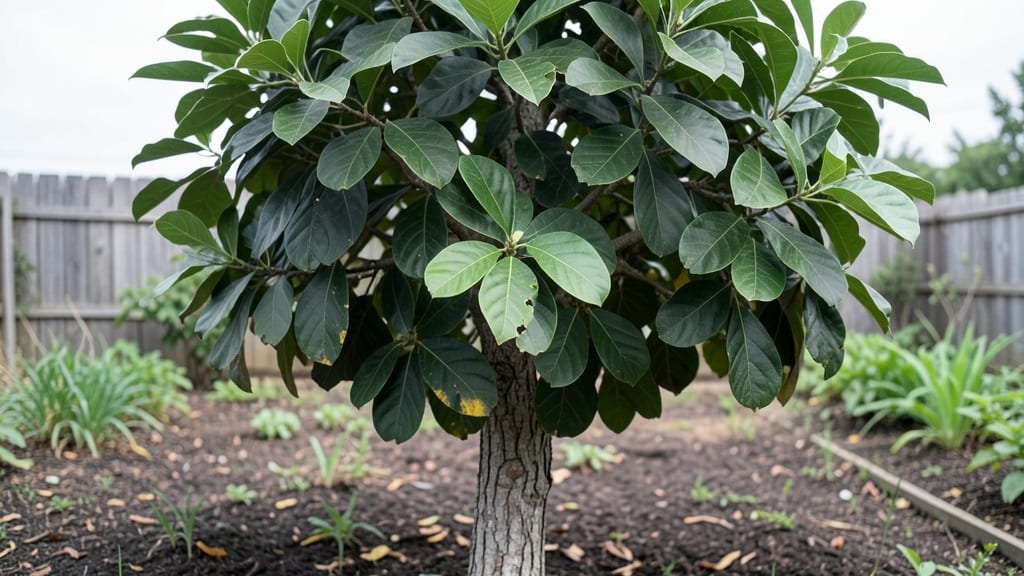
The sapota fruit tree thrives in Pacific Northwest gardens with the right care—imagine creamy, custard-like fruit ripening on your patio by late summer. 🌿 I’ve grown sapotas in containers for years, and the key is mimicking their tropical roots while adapting to our cooler climate.
Most people assume these trees need heat, but with proper protection and indoor overwintering, you can grow one successfully even in Seattle or Portland.
You’ll need a large container (at least 15-gallon) for indoor growing or a sheltered outdoor spot with afternoon sun. Well-draining, slightly acidic soil mixed with compost is non-negotiable—sapotas hate soggy roots.
During summer, keep it outside in full sun, but bring it indoors before temperatures drop below 50°F to prevent shock. Water when the top inch of soil feels dry, but never let it sit in water.
By late spring, you’ll see glossy new leaves and—with patience—delicate white flowers leading to fruit. The first harvest might take 3-5 years, but once established, your tree will reward you with 2-3 pounds of fruit per season.
The flavor? A mix of pear, mango, and caramel, with a texture like soft cheesecake.
For Pacific Northwest growers, the biggest challenge is winter survival. Use grow lights if natural light fades, and avoid fertilizing during dormancy. With these adjustments, your sapota can become a year-round tropical treasure—even in rainy climates. Let’s get those roots growing!
📚 In This Guide
- What you need
- Instructions
- Tips and common mistakes
- Wrapping up and next steps
What you need
- ● Sapota tree (Achras sapota) – Choose a dwarf variety (e.g., 'Brown Sugar' or 'Chico') for easier PNW growing. Purchase from a reputable nursery (1-3 trees recommended for cross-pollination).
- ● Well-draining potting mix – 50% cactus/succulent mix, 30% perlite, 20% compost (10–20 gallons per tree).
- ● Large containers – 15–30 gallon pots with drainage holes (or a raised bed with at least 24" depth).
- ● Slow-release fertilizer – Balanced 10-10-10 or citrus-specific formula (1 lb per tree).
- ● Pruning tools – Bypass pruners (sharp, sterilized with rubbing alcohol).
- ● Loppers (for thicker branches, 2–3" cutting capacity).
- ● Hand saw (for stubborn limbs, fine-tooth blade).
- ○ Rooting hormone (optional but helpful for grafts or cuttings).
- ● Grafting tools – Grafting knife (for whip-and-tongue technique) if propagating from cuttings.
- ● Mulch – 2–3" layer of straw or wood chips to retain moisture (avoid cedar—it’s toxic!).
- ● Drip irrigation system – Sapotas hate soggy roots; use a timer for 10–15 mins/day in summer.
- ● Greenhouse or cold frame – For overwintering young trees (50°F+ minimum).
- ● Pest control – Neem oil spray (for aphids/mealybugs).
- ● Yellow sticky traps (for whiteflies).
- ● Sunlight monitor – A light meter or app to track 6+ hours of direct sun/day (PNW’s limiting factor!).
- ● USDA Zone 10+ compatibility – Sapotas cannot survive frost. Plan to: Grow in containers for winter indoor care (bright, cool room, 50–60°F).
- ● Use a heat lamp if temps drop below 45°F.
- ● Legal check – Verify sapota trees aren’t restricted in your county (some PNW areas ban tropical fruit trees).
- ● Patience – Trees take 3–5 years to bear fruit (but pruning starts year one!).
Step-by-Step guide to growing sapota trees in the Pacific Northwest
With the right approach, you can successfully cultivate sapota trees even in cooler climates.
🌱 Step 1: Select and Prepare a Healthy Sapota Tree
Start with a dwarf sapota tree—these are easier to manage in containers and adapt better to cooler climates. Look for a young, 1-2 year-old sapota tree with a sturdy trunk and vibrant green leaves. Avoid trees with yellowing foliage or signs of pests, as these can stunt growth or fail to fruit.
Before planting, inspect the roots for any damage or circling. If you’re growing in a container, choose one that’s at least 18-24 inches deep and 12-15 inches wide to accommodate the root system. The sapota tree thrives in well-draining, slightly acidic soil (pH 5.5-6.5). Amend your soil with compost or a peat-based mix if your native soil is heavy or alkaline.
☀️ Step 2: Position for Maximum Sun and Protection
Sapota trees are tropical and need full sun exposure—at least 6-8 hours of direct sunlight daily. In the Pacific Northwest, this means placing your tree in the southeast corner of a patio, balcony, or greenhouse to capture morning sun while avoiding harsh afternoon shade. If growing outdoors, choose a sheltered microclimate—near a south-facing wall or under a frost cloth during winter.
During the growing season, keep the tree in a spot where temperatures stay above 55°F at night. If frost threatens, move the container indoors or cover it with a thick frost blanket. You’ll notice new growth slow or stop if temperatures drop below 50°F, so monitor forecasts closely in early spring and late fall.
💧 Step 3: Water and Fertilize for Optimal Growth
Water your sapota tree deeply once a week, allowing the top 2-3 inches of soil to dry out between waterings. Overwatering leads to root rot, so avoid soggy soil—check moisture by sticking your finger in the soil. In containers, drainage holes are a must to prevent waterlogging. If the soil feels dry 1 inch below the surface, it’s time to water again.
Feed your tree with a balanced, slow-release fertilizer (10-10-10 or 20-20-20) every 4-6 weeks during the growing season (spring to early fall). Reduce fertilization in winter, as the tree enters dormancy. You’ll see lush, dark green leaves as a sign your tree is thriving. If leaves turn yellow or drop, it may indicate overwatering or nutrient deficiency.
✂️ Step 4: Prune and Train for Shape and Fruit Production
Prune your sapota tree in early spring before new growth begins. Remove any dead, diseased, or crossing branches to improve airflow and sunlight penetration. Cut back leggy growth to encourage a compact, bushy shape. Use clean, sharp pruning shears to make cuts just above a leaf node or bud.
If your tree grows tall and spindly, consider staking or trellising to support its structure. Sapota trees can produce fruit on new growth, so avoid heavy pruning once flowering begins. Watch for small white flowers—these signal the tree is ready for pollination. Hand-pollinate with a soft brush if bees are scarce, as sapota trees rely on cross-pollination for fruit set.
🌿 Step 5: Protect and Harvest for a Successful Yield
As your sapota tree matures, protect it from strong winds and cold drafts, which can stress the plant. In the Pacific Northwest, bring potted trees indoors or to a protected greenhouse when temperatures drop below 45°F. If growing in the ground, mulch around the base with 2-3 inches of organic mulch to insulate roots and retain moisture.
Harvest sapota fruit when it ripens on the tree—they won’t improve after picking. Mature sapotas are dark green to brown with a slightly soft texture when gently squeezed. Cut the fruit from the stem with a clean knife, leaving a small portion attached. Store harvested sapotas at room temperature for a few days or refrigerate to extend shelf life. You’ll know they’re ready to eat when they yield slightly to gentle pressure and smell sweetly tropical.
Tips & tricks for perfect sapota fruit tree cultivation
A few strategic adjustments can make all the difference when growing tropical sapota trees in cooler climates.
Microclimate Selection: In Step 2, focus on creating a microclimate that mimics tropical conditions. Place your container near a south-facing wall where it can absorb reflected heat during the day, then use a frost cloth at night to trap warmth. I've seen sapota trees thrive in Portland by positioning them against brick walls that retain heat—this can add 5-10°F of protection during cool nights. The 6-8 hours of direct sunlight becomes more achievable when you combine morning sun with reflected heat.
Container Size Matters: When selecting containers in Step 1, remember that root space directly impacts fruit production. The 18-24 inch depth requirement isn't just about current size—it accounts for future growth. I've found that adding 2-3 inches of compost to the bottom of containers creates a nutrient-rich root zone that helps compensate for cooler temperatures. This extra organic matter also improves moisture retention during dry spells.
Winter Survival Strategy: For Step 5 protection, consider using double-layered insulation when temperatures approach 45°F. Start with a thick frost blanket and add a layer of bubble wrap on the north and west sides where cold winds hit hardest. I've kept sapota trees outdoors through 35°F nights using this method, though growth will slow dramatically below 50°F. Monitor your tree's response—if new leaves appear yellow or curled, it's time to move it indoors temporarily.
Fertilizer Timing: The 4-6 week fertilization schedule in Step 3 works best when you adjust for your climate. In Pacific Northwest summers, every 4 weeks is ideal, but reduce to 6-8 weeks during cooler months. I've noticed sapota trees respond poorly to winter fertilization—they're already in partial dormancy. Look for new leaf growth as your signal to resume regular feeding in early spring.
Pro Tips for Sapota Fruit Tree
- A few strategic adjustments can make all the difference when growing tropical sapota trees in cooler climates.
- Microclimate Selection: In Step 2, focus on creating a microclimate that mimics tropical conditions.
- Container Size Matters: When selecting containers in Step 1, remember that root space directly impacts fruit production.
Frequently asked questions
Got questions about growing a sapota fruit tree in your Pacific Northwest garden? You’re not alone! Here are answers to the most common concerns—from timing to troubleshooting—so you can grow this tropical gem with confidence.
How cold can a sapota tree tolerate?
A sapota tree (Manilkara zapota) thrives in USDA Zones 10-11 and needs temperatures above 30°F (-1°C). In the PNW, grow it in containers or a greenhouse and bring it indoors when frost threatens. Young trees are especially sensitive—protect them with frost cloth if you’re pushing the limits!
When is the best time to plant a sapota tree?
Plant sapota trees in early spring (March–April) after the last frost, or in late summer (August–September) to give roots time to establish before winter. If growing in containers, start indoors 4–6 weeks before the last frost date. Pro tip: Sapotas hate soggy soil—ensure well-draining pots or soil!
Can I grow a sapota tree from seed?
Yes, but grafted trees (available at nurseries) produce fruit 2–3 years sooner than seed-grown ones. If starting from seed, expect 5–7 years until fruiting. Soak seeds for 24 hours before planting in moist, warm soil (75–85°F) for best germination. Patience is key!
Why aren’t my sapota leaves turning brown or dropping?
Brown leaves or leaf drop usually signal underwatering, overwatering, or cold stress. Check soil moisture—sapotas hate soggy roots but need consistent watering. If leaves curl or yellow, it may be nutrient deficiency (try a balanced fertilizer) or pests like spider mites. Move the tree to bright, indirect light and avoid drafts!
What’s a good alternative if sapota trees won’t thrive in my climate?
If sapotas struggle in your PNW zone, try these tropical-friendly alternatives:
- Avocado trees (Persea americana) – Hardy to Zone 9 with protection.
- Mango trees (Mangifera indica) – Grow in containers and overwinter indoors.
- Loquat trees (Eriobotrya japonica) – Cold-hardy to Zone 7 and produce edible fruit!
- Citrus varieties (like Calamondin) – Thrive in containers and add sweet-tart flavor.
All love full sun and warmth—just like sapotas!
Wrapping up and next steps
Growing a sapota fruit tree in the Pacific Northwest is a rewarding challenge that blends tropical allure with practical gardening skills! With the right pruning techniques, soil prep, and seasonal care, you can nurture a thriving tree that delivers sweet, creamy sapotas for years to come. 🌱✨
Ready to take the next step? Start by observing your tree’s growth—adjust pruning schedules and techniques based on its response. Share your progress with fellow PNW gardeners or local tropical plant groups for tips and encouragement. Happy growing, and may your sapota harvest be bountiful!