
Pruning
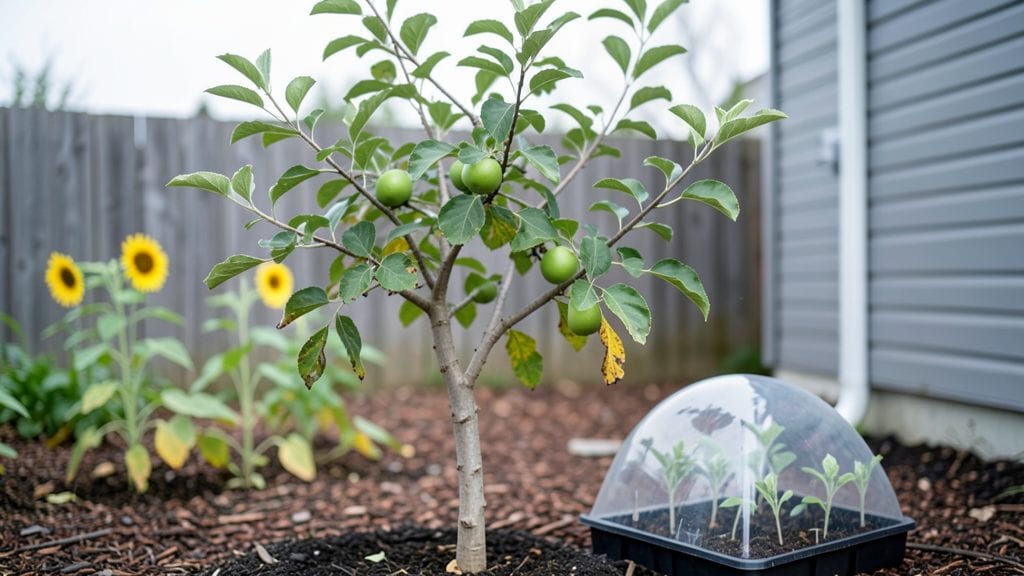
Growing sugar apple trees from seeds in the Pacific Northwest is a rewarding challenge that pays off with fragrant, tropical-tasting fruit—if you know the tricks. 🌱 The key starts with sourcing viable seeds from fresh, ripe fruit, because store-bought seeds often fail to germinate.
My first attempt used seeds from a grocery store sugar apple, and I ended up with zero sprouts. Lesson learned: track down homegrown fruit or order seeds from a reputable supplier specializing in tropical fruit trees.
Once you’ve got your seeds, germination takes patience and warmth. I use a seedling heat mat set to 75°F and keep the soil consistently moist but never soggy. Sugar apple seeds need 4-6 weeks of warmth before they even think about sprouting, and some stubborn ones may take twice that.
A clear plastic dome or zip-top bag creates the humidity they crave without drowning the seeds—just check for condensation daily and pop the lid if you see mold creeping in.
What you’ll end up with is a lush, fast-growing sapling that can handle the Pacific Northwest’s cooler summers better than most tropical trees. With proper care—full sun, well-draining soil, and regular watering—your tree will reward you with glossy, deep-green leaves and, eventually, those sweet, custard-like fruits.
The first harvest might take 5-7 years, but the journey is what makes it worth it.
Here’s the catch: sugar apple trees are frost-sensitive, so protect young plants with frost cloth in early years. I’ve seen gardeners in Zone 8 push them to Zone 7 with winter wraps, but don’t expect fruit until you’re past the first hard freeze.
Start small, stay consistent, and you’ll have a tree that’s as tough as it is delicious.
📚 In This Guide
- What you need
- Instructions
- Tips and common mistakes
- Wrapping up and next steps
What you need
- ● Sugar apple tree seeds: 3–5 viable seeds (ensure they’re fresh or properly stored for best germination).
- ● Well-draining potting mix: 1–2 gallons (sterilized for seedlings). Pro tip: Mix in perlite or sand for aeration!
- ● Seed-starting trays: 1–2 shallow trays (with drainage holes) or biodegradable pots.
- ● Grow lights or sunny windowsill: Access to 6–8 hours of light daily (or a grow light for indoor starts).
- ● Spray bottle: For gentle watering (avoid over-saturating seeds).
- ● Plastic wrap or humidity dome: To retain moisture while seeds germinate.
- ● Pruning shears: Small, sharp pair (for future pruning—sterilize with rubbing alcohol!).
- ○ Cold frame or greenhouse: Optional but helpful for Pacific Northwest’s chilly starts (or a frost-proof outdoor spot).
- ● Seed scarification tools: Sandpaper (fine-grit) or a knife to nick seed coats (speeds up germination).
- ● Heating mat: Germination mat (70–80°F range) for faster sprouting.
- ● Fertilizer: Balanced, water-soluble fertilizer (dilute to half-strength for seedlings).
- ● Soil moisture meter: To monitor hydration without overwatering.
- ● Tree supports: Stakes or cages (for young trees in windy PNW climates).
- ● Mulch: Organic mulch (e.g., wood chips) for mature trees (retains moisture, regulates soil temp).
Step-by-step instructions for growing sugar apple trees from seeds
Here's how to nurture these tropical-tasting fruit trees in cooler climates.
🌱 Step 1: Extract and Prepare the Seeds
Sugar apple seeds need careful handling to break dormancy. Cut open a ripe sugar apple fruit and scoop out the large, flat seeds. Remove any remaining pulp by rinsing them under cool water, then pat them dry with a paper towel. The seeds have a hard outer shell that slows germination, so soak them in warm water for 24 hours to soften the coating.
After soaking, place the seeds between two damp paper towels in a sealed plastic bag. Store them in a warm spot (around 70-75°F) for 1-2 weeks. Check daily—they're ready when they begin to sprout tiny white roots. This pre-germination step doubles your success rate in cooler climates.
🪴 Step 2: Plant in Well-Draining Seedling Mix
Fill small pots (about 3-4 inches deep) with a mix of 50% potting soil and 50% perlite to ensure excellent drainage. Sugar apple trees hate soggy roots, so never use garden soil. Plant each seed about ½ inch deep, spacing them 1 inch apart in the pot.
Gently press the soil around each seed to remove air pockets, then mist lightly with water until the surface feels evenly moist. Place the pots in a warm, bright location (like a sunny windowsill) but avoid direct sunlight for the first week. You'll see sprouts emerge in 2-4 weeks, though some may take longer.
☀️ Step 3: Provide Warmth and Gradual Sunlight
Once seedlings appear, move them to a spot with bright, indirect light for 2-3 weeks to prevent leaf scorch. Sugar apple trees thrive in warmth, so maintain indoor temperatures between 70-80°F during the day and no lower than 60°F at night. If your home runs cooler, use a seedling heat mat to keep roots warm.
After the initial hardening period, gradually introduce direct sunlight by placing pots outside in a sheltered spot for 2-3 hours daily. Watch for new growth—healthy seedlings will develop 2-3 sets of true leaves before they're ready for transplanting. This slow acclimation prevents shock.
⏰ Step 4: Transplant to Larger Pots and Care for Young Trees
When seedlings reach 6-8 inches tall (usually after 3-4 months), transplant them into 5-gallon containers filled with a mix of 60% potting soil, 20% compost, and 20% perlite. Handle roots gently to avoid damage. Place each tree in its own pot to prevent competition.
Water deeply but infrequently—let the top 1-2 inches of soil dry out between waterings. Sugar apple trees are drought-tolerant once established, but young plants need consistent moisture. Fertilize lightly every 4-6 weeks with a balanced, water-soluble fertilizer during the growing season.
Tips & tricks for growing sugar apple trees from seeds
Growing sugar apple trees from seeds in cooler climates takes patience and precision—but these tips will help you avoid common pitfalls and maximize your success rate.
Soaking Strategy: The 24-hour warm water soak in Step 1 is crucial for breaking the seed's hard outer shell, but don't skip the drying step afterward. After soaking, pat the seeds completely dry before placing them between damp paper towels. I learned this the hard way after seeing mold develop on seeds that still had moisture trapped—always ensure they're bone dry before sealing in the bag.
Temperature Matters: Maintaining the 70-75°F range during the 1-2 week pre-germination period is key. If your home runs cooler, place the sealed bag near a sunny window or use a small heating pad set to low. I've found that even a 5°F drop can delay germination by a full week. For the nighttime minimum of 60°F, consider using a small greenhouse light with a heat element if your space gets chilly.
Light Transition Tip: When moving seedlings to bright indirect light in Step 3, start with just 2-3 hours of direct sunlight per day—even if they look like they could handle more. Sugar apple seedlings are tropical and can get sunburned easily. I recommend placing them on an east-facing windowsill first, then gradually moving to south-facing as they mature. Watch for pale or crispy leaves as warning signs of too much sun exposure.
Transplanting Timing: The 3-4 month mark for transplanting to 5-gallon containers is a guideline, not a strict rule. Check for those 2-3 sets of true leaves before transplanting—this indicates the seedling has developed enough energy reserves to handle the stress of repotting. I've had seedlings ready in as little as 8 weeks, while others took nearly 5 months, so don't rush this step even if your seedling hits the height requirement early.
Pro Tips for Sugar Apple Tree Seeds
- Growing sugar apple trees from seeds in cooler climates takes patience and precision—but these tips will help you avoid common pitfalls and maximize your success rate.
- Soaking Strategy: The 24-hour warm water soak in Step 1 is crucial for breaking the seed's hard outer shell, but don't skip the drying step afterward.
- Temperature Matters: Maintaining the 70-75°F range during the 1-2 week pre-germination period is key.
Frequently asked questions
How long does it take for sugar apple tree seeds to germinate?
Germination can take anywhere from 30 to 90 days, depending on soil temperature and moisture. Keep the seeds in a warm, humid environment (around 70–80°F) and maintain consistent moisture. Patience is key—some seeds may take longer, especially if they’re older or stored improperly. Learn more tips for faster sprouting!
Can sugar apple trees survive the Pacific Northwest’s cold winters?
Yes! Sugar apple trees (Annona squamosa) are tender tropical plants but can survive mild PNW winters if protected. Young trees need winter wraps or frost cloths, while mature ones benefit from mulching and planting in sheltered spots. Expect leaf drop in freezing temps, but the tree itself may recover with proper care.
Do I need to soak sugar apple seeds before planting?
Soaking seeds for 24–48 hours in warm water can speed up germination by softening the hard outer shell. Use a breathable container (like a jar with a cloth cover) and change the water daily. Skip soaking if seeds are fresh—over-soaking can cause mold. For best results, plant soaked seeds within 24 hours.
What’s the best soil mix for growing sugar apple trees from seeds?
Use a well-draining mix of 50% potting soil, 30% perlite or sand, and 20% compost. Sugar apple trees hate soggy roots, so avoid heavy clay soil. Add a slow-release fertilizer (like worm castings) at planting time for a nutrient boost. See our soil prep guide for PNW-specific tips!
Why aren’t my sugar apple seedlings growing?
Common culprits include overwatering (root rot risk!), low light (they need bright, indirect light), or cold drafts. Check for yellow leaves (overwatering) or stunted growth (underwatering). If seedlings wilt, mist leaves and ensure pots have drainage holes. Move to a warmer spot if temps drop below 60°F.
Can I grow a sugar apple tree from store-bought fruit seeds?
Seeds from organic, fresh fruit work best—avoid seeds treated with pesticides. Rinse them thoroughly, dry, and store in a cool, dark place until ready to plant. Note: Seed-grown trees may take 3–5 years to fruit, and varieties may differ from parent plants. For faster results, consider grafted saplings.
Wrapping up and next steps
Growing a sugar apple tree from seeds in the Pacific Northwest is a rewarding journey—one that blends resilience with tropical sweetness! 🌱 With the right cold-hardy techniques, proper pruning, and a dash of patience, you can cultivate a thriving tree that yields delicious fruit.
The key lies in understanding your climate, preparing seeds correctly, and nurturing young saplings with care.
Ready to take the next step? Start by planting your seeds indoors this winter, then transition them outdoors as spring approaches. Keep an eye on those first blooms—your future harvest is just around the corner! 🍬