Planting
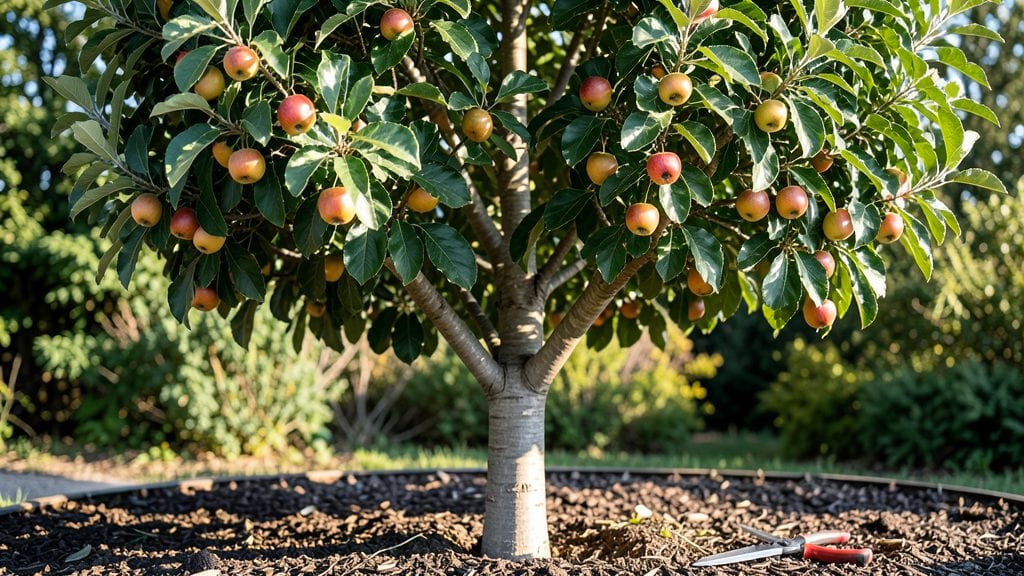
Growing sugar apple trees in USDA zones 10-12 might seem risky for cooler climates, but with the right tricks, you can coax these tropical delights to thrive in zones 9 and even 8 with proper care. 🌱 The key isn't forcing them—it's understanding their love for warmth and how to protect them when temperatures dip.
My first attempt in zone 8 ended with a sad, frost-nipped sapling, but now I've got a thriving tree that produces fruit every year.
The secret lies in treating them like indoor-outdoor plants. Start young trees in containers so you can bring them inside during cold snaps, or plant them near south-facing walls where they'll soak up extra heat.
Sugar apples hate frost but love humidity—think of them as tropical divas who need a little pampering. With the right spot and a little creativity, you'll see those glossy green leaves and eventually, sweet, custard-like fruit that tastes like a cross between pineapple and banana.
Once established, these trees reward patience with 3-4 foot tall bushes loaded with fragrant white flowers that turn into fruit by late summer. The real magic happens when you taste that first ripe sugar apple—creamy, sweet, and impossible to resist.
The trade-off? They grow slowly at first, but with consistent care, they'll become the star of your garden or patio.
For cooler zones, container growing is your best friend—it gives you mobility to protect the tree when needed. Just avoid letting the roots get too cold, and you'll extend the growing season dramatically.
Whether you're in the Deep South or a warm pocket of the Midwest, these tips will help you grow sugar apples that actually survive winter.
📚 In This Guide
- What you need
- Instructions
- Tips and common mistakes
- Wrapping up and next steps
What you need
- ● Sugar apple tree (Annona squamosa) – Choose a healthy, 1-2 year old sapling from a nursery (ensure it’s cold-hardy or grafted for resilience).
- ● Well-draining soil mix – A blend of: 60% topsoil
- ● 30% compost or aged manure
- ● 10% perlite or coarse sand (for aeration)
- ● Organic fertilizer – 10-10-10 or a citrus-specific fertilizer (follow package rates for application).
- ○ Mulch (optional but recommended) – 2-3 inches of wood chips or straw to retain moisture and regulate soil temp.
- ● Shovel or trowel – For digging holes (12–18 inches wide/deep for saplings).
- ● Garden gloves – To protect your hands while handling soil and roots.
- ● Watering can or hose with gentle spray nozzle – Sugar apples hate soggy roots!
- ● Pruning shears – For trimming dead branches or shaping the tree.
- ○ Drip irrigation kit (optional) – Automates watering for consistency.
- ● Frost cloth or row covers (for cold zones) – Protect young trees from late frosts (Zones 9 and below).
- ● Sunlight – Full sun (6+ hours/day) is a must for fruiting.
- ● Warmth – Sugar apples thrive in 70–90°F temps; use a greenhouse or container for colder climates.
- ● pH-balanced soil – Aim for 6.0–7.0 pH (test with a soil kit if unsure).
- ● Patience – Trees take 3–5 years to bear fruit!
How to select and prepare planting sites for sugar apple trees
Cold-hardy sugar apple trees thrive with the right planning—here’s how to set them up for success in your climate.
☀️ Step 1: Verify Your Growing Zone and Last Frost Date
Sugar apple trees (Annona squamosa) do best in USDA Hardiness Zones 10-12, but cold-hardy varieties can survive brief dips to 28°F with proper protection. Check your zone using the USDA Plant Hardiness Zone Map—if you’re in Zones 9 or cooler, focus on microclimates like south-facing slopes or near buildings that retain heat.
Note your average last frost date in spring and first frost date in fall. Sugar apples need 120-150 frost-free days to mature fruit, so plant after all danger of frost has passed. In colder zones, start trees in containers and move them indoors or under cover when temperatures drop below 50°F.
🌱 Step 2: Choose a Sunny, Sheltered Location
Sugar apple trees crave full sun (6-8 hours daily) but also need protection from harsh winds, which can damage delicate leaves and fruit. Scout your yard for spots with morning sun and afternoon shade—this balances heat and prevents leaf scorch. Avoid low-lying areas where cold air pools, as even cold-hardy varieties struggle in prolonged frost.
If your yard lacks natural shelter, plant near a fence, wall, or dense hedge on the north or west side. The barrier will break wind while still allowing sunlight. Test the spot in winter: if it stays 10°F warmer than open areas, it’s ideal. Amend the soil with 3-4 inches of compost before planting to improve drainage and fertility.
🪴 Step 3: Prepare the Soil for Optimal Growth
Sugar apple trees prefer well-draining, slightly acidic soil (pH 5.5-6.5) rich in organic matter. Test your soil’s pH with a kit—if it’s too alkaline, mix in peat moss or sulfur to lower it gradually. Avoid heavy clay or waterlogged spots, as roots rot easily. If your soil is sandy, blend in 2-3 inches of compost to retain moisture.
Dig a hole twice as wide as the root ball but no deeper. Loosen the sides of the hole with a shovel to encourage root spread. Place the tree so the root flare (where roots meet trunk) sits 1 inch above ground level. This prevents rot and ensures stability. Backfill with native soil mixed with half compost, then water deeply to settle it.
⏰ Step 4: Plan for Seasonal Care in Cold Climates
In Zones 9 and below, protect young trees with burlap wraps or frost cloth in winter. Remove them in early spring to avoid overheating. Mulch the base with 3-4 inches of organic mulch (straw or wood chips) to insulate roots—just keep it 6 inches away from the trunk to prevent rot. Water trees deeply once a month during dry spells, even in winter, to maintain moisture.
Prune in late winter or early spring to remove dead wood and shape the tree. Avoid heavy pruning, as sugar apples produce fruit on new growth. If you’re growing in containers, move pots to a garage or unheated shed when nighttime temps drop below 40°F. Use a thermometer to monitor soil temps—roots suffer below 50°F.
Tips & tricks for perfect sugar apple tree planting
Here's what nobody tells you about getting your sugar apple trees off to the right start—especially in cooler climates.
Microclimate Matters: The 10°F warmer winter test in Step 2 is your golden ticket to success. I’ve seen sugar apple trees fail in Zone 9 gardens because they were planted in open areas. Try planting near a south-facing wall or under the eaves of your house—these spots can be 10-15°F warmer than open areas, making all the difference for cold-hardy varieties.
The 120-150 Frost-Free Days Rule: Don’t just count calendar days—use your local weather service’s frost data. I once planted in a spot that had 140 frost-free days on paper, but local microclimates cut that to 125. The result? No fruit. Check with your local cooperative extension office for precise frost-free calculations in your area.
Root Flare Placement: That 1-inch above ground level rule in Step 3 is non-negotiable. I’ve seen too many gardeners bury the root flare, which causes rot and stunted growth. Use a level to check—if the flare sits below ground, dig it out and replant immediately. The tree will thank you with better root development and fruit production.
Soil pH Testing: Don’t guess about your soil’s pH—test it! I’ve had gardeners swear their soil was "fine" only to discover it was 7.5 (alkaline) when the tree needed 6.5. Pick up a cheap pH test kit and adjust with sulfur or lime before planting. Your sugar apple tree’s health depends on getting this right from the start.
Pro Tips for Sugar Apple Tree Growing Zone
- Here's what nobody tells you about getting your sugar apple trees off to the right start—especially in cooler climates.
- Microclimate Matters: The 10°F warmer winter test in Step 2 is your golden ticket to success.
- The 120-150 Frost-Free Days Rule: Don’t just count calendar days—use your local weather service’s frost data.
Frequently asked questions
Got questions about growing sugar apple trees in your zone? You’re not alone! Here are answers to the most common queries—from climate concerns to care tips—to help you cultivate a thriving tree.
What are the best USDA growing zones for sugar apple trees?
A sugar apple tree (Annona squamosa) thrives in USDA Zones 10–12, where winters stay above 30°F (-1°C). In colder zones (8–9), grow it indoors as a potted plant or in a greenhouse. If you’re in Zone 7 or below, consider annona cherimoya (Zone 9–11), a hardier cousin with similar fruit.
Can sugar apple trees survive winter in cold climates?
No—sugar apples are tropical and cannot tolerate frost. In colder zones, protect potted trees by moving them indoors before temperatures drop below 50°F (10°C). For outdoor planting, use a large container and wrap the pot in bubble wrap or frost cloth during chilly nights. Mulch heavily if grown in-ground in warm microclimates (e.g., near south-facing walls).
How long does it take for a sugar apple tree to bear fruit?
Patience is key! Sugar apple trees typically take 3–5 years to bear fruit from seed, but grafted trees (available from nurseries) can produce fruit in 1–2 years. Ensure your tree gets full sun (6+ hours/day), well-draining soil, and regular watering (but avoid soggy roots). Pollination by bees or hand-pollinating with a brush can also speed up fruiting.
Do sugar apple trees need cross-pollination to produce fruit?
Yes! While some trees self-pollinate, cross-pollination increases fruit yield. Plant two or more trees (even different annona varieties like cherimoya or atemoya) to attract pollinators like bees. If growing indoors, gently transfer pollen between flowers using a soft paintbrush in the morning when blooms are fresh.
Why isn’t my sugar apple tree fruiting, even after years of growth?
Common culprits include:
- Insufficient sunlight: Move to a sunnier spot (or supplement with grow lights indoors).
- Poor pollination: Hand-pollinate or add a second tree.
- Nutrient deficiencies: Feed with a balanced citrus/fruit tree fertilizer (high in potassium and phosphorus) in spring.
- Stress from temperature swings: Keep soil consistently moist (but not waterlogged) and avoid drafts.
- Young age: Trees under 3 years old may not fruit yet—be patient!
If issues persist, check for pests (e.g., spider mites) or diseases (like anthracnose) and treat accordingly.
Wrapping up and next steps
Growing a sugar apple tree in cold-hardy zones is totally doable—just pick the right variety, prep your soil, and give it the love it deserves! 🌱 Whether you're in Zone 9 or 10, with a little patience and care, you’ll soon be enjoying sweet, tropical-tasting fruit right from your backyard.
Ready to take the next step? Start by selecting your sapling or seeds today, and soon you’ll be harvesting homegrown sugar apples!
💡 Pro Tip: Keep an eye on your tree’s progress and adjust care as needed—your future harvest depends on it!