
Pruning
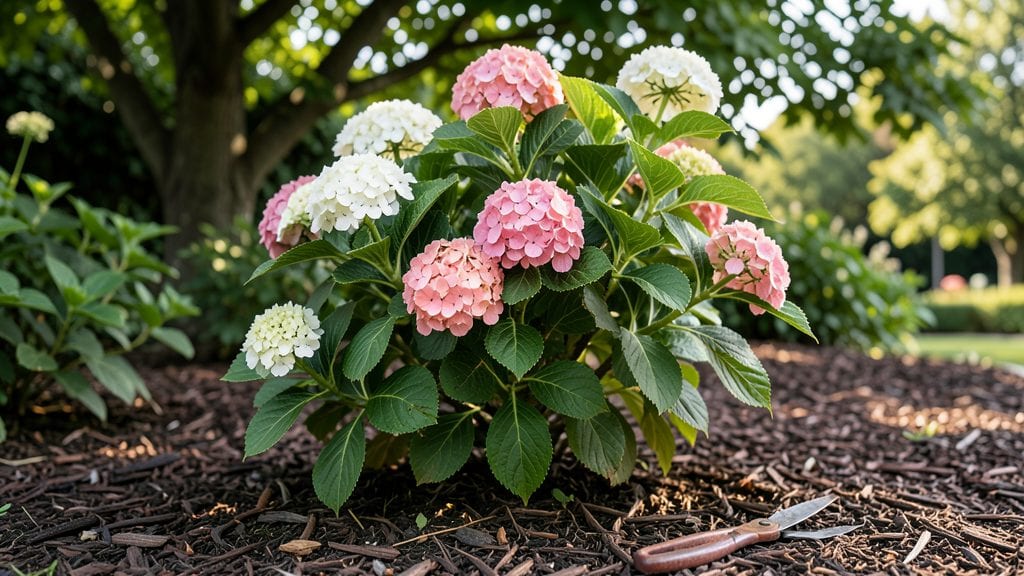
The strawberry vanilla hydrangea tree transforms your Pacific Northwest garden into a fragrant, edible paradise where every season offers something new. 🌿 I fell for this plant after seeing how its creamy vanilla-scented blooms and delicate strawberry-like fruit captivated pollinators while adding a whimsical touch to my garden.
The tree’s cascading branches create a living tapestry that’s equal parts functional and decorative—perfect for shading patios or framing entryways.
This versatile plant thrives in partial shade, making it ideal for Pacific Northwest’s mild, damp climate where full sun can stress other varieties.
Pair it with evergreen shrubs like boxwood or fragrant companions like mock orange for year-round interest, and tuck in strawberry plants at its base for a double harvest. The vanilla-scented blooms peak in summer, while the strawberry-like fruit ripens in fall, offering a sensory feast from spring through autumn.
You’ll love how this tree effortlessly blends beauty with utility—its lush foliage provides shade, its fragrance fills the air, and its fruit doubles as a decorative centerpiece or snack.
The compact growth habit (8–10 feet tall) means it fits snugly in small gardens, while its layered branches create movement that catches the eye. With minimal pruning, it stays healthy and productive for decades.
For a multi-sensory garden, plant it near seating areas where you can enjoy its fragrance up close or use it as a focal point in a cutting garden for long-lasting bouquets.
The tree’s adaptability makes it a standout choice for both urban and rural Pacific Northwest landscapes—where form meets function in the most delightful way.
📚 In This Guide
- What you need
- Instructions
- Tips and common mistakes
- Wrapping up and next steps
What you need
- ● Strawberry Vanilla Hydrangea Tree (Hydrangea macrophylla 'Strawberry Vanilla') – 1 mature plant (3–5 gallons in a container) or 1–2 bare-root saplings for transplanting.
- ● Well-draining potting mix or garden soil – 5+ cubic feet (amend with compost for richer texture).
- ● Pruning shears – Bypass-style, sharp, and sterilized (alcohol wipe or 10% bleach solution).
- ● Gloves – Heavy-duty gardening gloves (hydrangeas can have thorns!).
- ● Mulch – 2–3 inches of organic mulch (cedar or pine bark works well).
- ● Watering can or hose with adjustable nozzle – For deep, even hydration.
- ● Fertilizer – Slow-release granular fertilizer (10-10-10 or acid-loving plant formula) or hydrangea-specific food.
- ○ Hand pruners – For smaller branches (optional but handy).
- ● Loppers – For thicker stems (if your tree matures beyond 6 feet).
- ● Disinfectant spray – 70% isopropyl alcohol or hydrogen peroxide (3%) to clean tools between cuts.
- ● Measuring tape – To track branch length and pruning targets.
- ● Location – Partial shade (3–6 hours of morning sun; afternoon shade in hotter PNW summers).
- ● Soil pH – Acidic (5.0–6.0) (test with a soil kit or vinegar/baking soda test). Adjust with sulfur or peat moss if needed.
- ● Water access – Consistent moisture (1–2 inches per week; more in summer).
- ● Pruning timing – Late winter/early spring (before new growth) or immediately after flowering (for summer-blooming varieties).
Step-by-step guide to planting and caring for a Strawberry Vanilla Hydrangea tree
This fragrant, cascading beauty thrives in Pacific Northwest conditions with the right placement and care.
🪴 Step 1: Select and Prepare the Planting Site
The Strawberry Vanilla Hydrangea (Hydrangea paniculata 'Strawberry Vanilla') loves partial shade to full sun, with at least 6 hours of morning sunlight to prevent leaf scorch. In the Pacific Northwest’s mild climate, choose a spot with dappled shade—think filtered light under tall trees or an east-facing location where afternoon sun is gentle. The soil should drain well but retain moisture, so amend heavy clay with 2-3 inches of organic compost mixed into the top 12 inches of soil.
Dig a hole twice as wide as the root ball but only as deep—this prevents burying the trunk too deeply, which can suffocate the plant. Loosen the roots slightly if they’re circling (a common nursery practice) to encourage outward growth. I always add a handful of slow-release fertilizer at the bottom of the hole to give the tree a nutrient boost without overwhelming it.
☀️ Step 2: Plant and Water for Initial Establishment
Place the tree in the hole so the top of the root ball sits 1 inch above ground level—this prevents water from pooling around the trunk. Backfill with the amended soil, pressing gently to remove air pockets but not compacting too firmly. Water deeply right after planting to settle the soil and eliminate gaps. You’ll know it’s right when water drains freely from the bottom of the hole and the soil surface looks evenly moist but not soggy.
Mulch the base with 2-3 inches of wood chips or shredded bark, keeping it 6 inches away from the trunk to prevent rot. This mulch layer helps regulate soil temperature and retains moisture, which is critical in the PNW’s rainy but cool summers. Avoid synthetic mulches—they don’t break down and can suffocate roots over time.
💧 Step 3: Maintain Watering and Fertilizing for First Year
Water once a week during the first growing season, providing 1-2 gallons per week depending on rainfall. Check the soil 2 inches down—if it’s dry, water again. Overwatering is a common mistake; you’ll see yellowing leaves or mold if the roots sit too wet. In the PNW’s humid climate, morning watering is best to let foliage dry before evening, reducing fungal risks.
Fertilize twice a year: once in early spring (just as new growth begins) and again in mid-summer (around July). Use a balanced, slow-release fertilizer (10-10-10 or similar) at half the recommended strength to avoid burning tender roots. The Strawberry Vanilla variety responds well to a light feeding of compost tea in late summer to boost its signature vanilla-scented blooms.
✂️ Step 4: Prune for Shape and Bloom Encouragement
Prune in late winter or early spring (February-March) before new growth appears. Remove dead, crossing, or weak branches first, then cut back the remaining stems to just above a outward-facing bud. This encourages a bushier, fuller shape and more abundant blooms. The Strawberry Vanilla’s cascading habit means you’ll want to thin out overcrowded areas to improve airflow—this prevents powdery mildew, a common issue in the PNW’s damp summers.
Never prune in fall or winter, as the plant needs its foliage to store energy for next year’s growth. If you see leggy growth by mid-summer, a light trim of the longest stems can help, but avoid heavy pruning—this variety’s blooms form on current season’s growth, so aggressive cuts reduce next year’s flowers.
🌿 Step 5: Protect and Enjoy the Fragrant Display
The Strawberry Vanilla’s creamy-white, strawberry-scented blooms appear in mid-to-late summer, lasting well into fall. To extend their life, deadhead spent flowers by snipping them back to the first set of healthy leaves—this redirects the plant’s energy into new growth rather than seed production. In the PNW’s mild winters, the tree remains semi-evergreen, with some foliage persisting until late winter.
Watch for aphids or spider mites on new growth—these pests thrive in the region’s humidity. Spray with neem oil or a soapy water solution if you spot sticky residue on leaves. The tree’s fragrant blooms attract pollinators like bees and butterflies, making it a low-maintenance but high-impact addition to any Pacific Northwest garden.
Tips & tricks for perfect Strawberry Vanilla Hydrangea tree care
Your Strawberry Vanilla Hydrangea will thrive with these expert insights tailored to Pacific Northwest conditions.
Lighting Strategy: That 6-hour morning sunlight requirement is non-negotiable for preventing leaf scorch, but here's the secret: East-facing locations with afternoon shade work best. If you're planting near tall trees, position it where it gets morning sun and only filtered light in the afternoon. I've found that a 50/50 split between morning sun and afternoon shade creates the perfect balance for this variety's delicate foliage.
Soil Preparation Tip: When amending your heavy clay soil with 2-3 inches of organic compost, don't just mix it in - create a "compost sandwich". Place a 1-inch layer of compost at the bottom of the hole, then your amended soil, then another 1-inch layer on top. This creates a nutrient-rich zone that encourages root growth while preventing compaction around the root ball. The top 12 inches of soil should feel like a rich, crumbly loam rather than dense clay.
Watering Wisdom: The once-weekly watering guideline assumes average PNW rainfall. In summer droughts, increase to twice weekly, but always check that soil 2 inches down. Here's my pro trick: Use a moisture meter or stick your finger in - if the soil feels like a wrung-out sponge, it's time to water. Overwatering is just as damaging as underwatering, especially in our humid climate where fungal diseases thrive.
Pruning Precision: When pruning in late winter, focus on creating an open center by removing crossing branches first. The "just above an outward-facing bud" rule is critical - this ensures new growth will fill in any gaps. I always make my cuts at a 45-degree angle about 1/4 inch above the bud to prevent water from pooling on the cut. Remember, this variety's blooms form on current season's growth, so avoid heavy pruning that could reduce next year's spectacular display.
Pro Tips for Strawberry Vanilla Hydrangea Tree
- Your Strawberry Vanilla Hydrangea will thrive with these expert insights tailored to Pacific Northwest conditions.
- Lighting Strategy: That 6-hour morning sunlight requirement is non-negotiable for preventing leaf scorch, but here's the secret: East-facing locations with afternoon shade work best.
- Soil Preparation Tip: When amending your heavy clay soil with 2-3 inches of organic compost, don't just mix it in - create a "compost sandwich".
Frequently asked questions
Got questions about growing and caring for your strawberry vanilla hydrangea tree? You’re not alone! Here are some of the most common queries from gardeners in the Pacific Northwest—and their answers to keep your fragrant beauty thriving.
How fast does a strawberry vanilla hydrangea tree grow?
This tree grows at a moderate pace, typically adding 12–24 inches per year under ideal conditions. In the PNW’s mild climate, expect steady growth with proper watering and sunlight. Patience pays off—full fragrance and blooms may take 2–3 years to reach their peak!
Can strawberry vanilla hydrangeas survive PNW winters?
These trees are hardy to USDA Zones 5–9, making them perfect for the Pacific Northwest. While young trees benefit from a light mulch in winter, established trees handle frost and rain like a pro. Just avoid heavy snow damage by shaking off accumulation gently.
Why aren’t my hydrangea blooms as fragrant as they should be?
Fragrance fades when trees lack sunlight, water, or nutrients. Ensure your tree gets 6+ hours of sun daily and consistent moisture (but not soggy soil). A balanced spring fertilizer with phosphorus can also boost bloom quality—and that strawberry-vanilla scent!
When and how should I prune my hydrangea tree?
Prune right after blooming (late spring/early summer) to shape the tree and encourage new growth. Use clean, sharp shears to trim dead or crossing branches first, then lightly shape the canopy. Never prune in fall—it removes next year’s blooms!
Are there dwarf varieties of strawberry vanilla hydrangeas?
Not yet! The classic Hydrangea macrophylla ‘Vanille Fraise’ grows 6–10 feet tall. For smaller spaces, consider ‘Endless Summer’ hydrangeas (similar scent, repeat blooms) or ‘Limelight’ (dwarf varieties like ‘Little Lime’). Just know they won’t have the same strawberry-vanilla aroma!
Still stumped? Drop your question in the comments—we’re happy to help your hydrangea tree shine (and smell!) brighter than ever!
Wrapping up and next steps
The Strawberry Vanilla Hydrangea Tree is a dream come true for Pacific Northwest gardeners—offering stunning blooms, intoxicating fragrance, and easy care. With the right pruning techniques and a little patience, you’ll enjoy a lush, fragrant cascade year after year. 🌸
Ready to transform your garden? Start small: prune just one branch this season, observe how it responds, and build confidence. Before you know it, your hydrangea tree will be the star of your outdoor space—and your neighbors will be jealous! 🌿
Next step: Grab your shears, pick a sunny day, and give your hydrangea tree the love it deserves! 🌧️💚