
Pruning
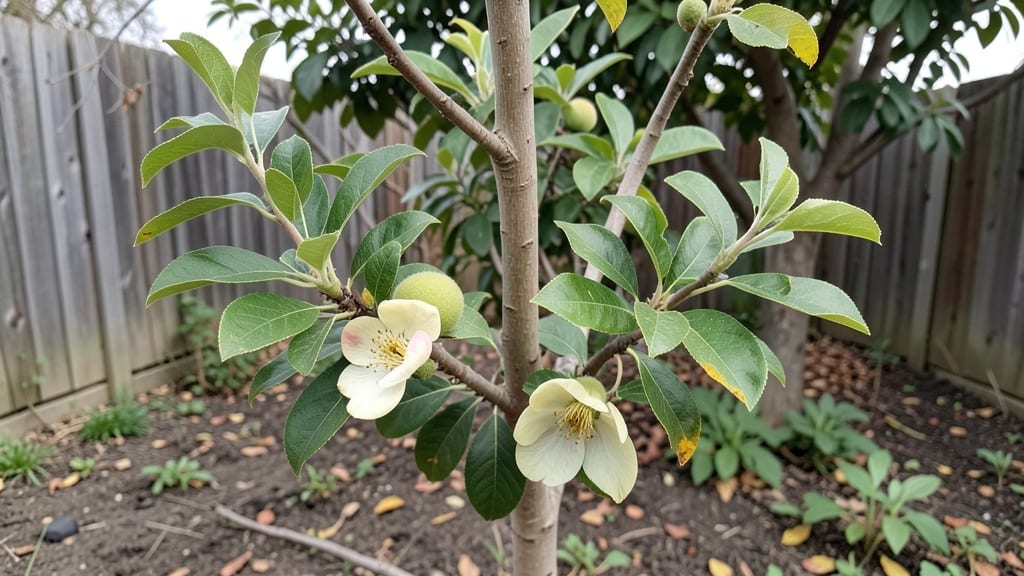
The Stark Saturn peach tree thrives where most peaches give up—cool, damp Pacific Northwest summers prove it. 🌿 I planted mine in a sheltered corner last spring, and this year’s harvest proved it’s possible to grow sweet, juicy fruit even when your neighbors swear peaches need heat.
The key lies in site selection, soil prep, and understanding how this variety cheats the odds with its cold resistance.
This isn’t your grandma’s peach tree—it’s a dwarf variety bred for resilience, meaning you can grow it in backyards, containers, or even urban lots. My tree needed well-draining soil (I mixed in compost and sand) and a sunny spot protected from late frosts.
The real magic? It flowers later than traditional peaches, avoiding spring frost damage while still producing 20-30 pounds of fruit on a 10-foot tree.
By midsummer, you’ll watch those fuzzy peaches turn golden, their scent filling the air like a summer memory. The fruit ripens over 2-3 weeks, so you’ll get a steady supply for pies, fresh eating, or canning.
Pruning in late winter keeps the tree open and productive—no more fighting tangled branches for those perfect peaches.
Even in rainy climates, this tree delivers consistent harvests with minimal fuss. The secret? A little extra care at planting pays off in years of reliable fruit, proving cold-hardy doesn’t mean low-quality. Let’s get yours growing strong!
📚 In This Guide
- What you need
- Instructions
- Tips and common mistakes
- Wrapping up and next steps
What you need
- ○ Pruning shears: Bypass pruners (sharp, 6–8" blades) for clean cuts on small branches (1/4"–3/4" diameter). Optional: Lopper shears (10–12" blades) for thicker branches (up to 1.5" diameter).
- ● Pruning saw: Curved-tooth hand saw (for branches >1.5" diameter). Look for a foldable design for portability.
- ● Disinfectant: 70% isopropyl alcohol or bleach solution (1 part bleach to 9 parts water) to sterilize tools between cuts and prevent disease spread.
- ○ Gloves: Heavy-duty gardening gloves (nitrile-coated for grip and protection against thorns). Optional: Pruning-specific gloves with reinforced palms.
- ● Ladder: Lightweight aluminum extension ladder (16–20 ft tall) with non-slip feet and a sturdy platform (if tree exceeds 8 ft). Safety tip: Always use a spotter for stability!
- ● Tarp or drop cloth: Heavy-duty canvas tarp (10x12 ft) to collect debris and protect landscaping below.
- ● Marking twine or flags: Colored twine (red/yellow) or plastic flags to tag branches for removal (helps visualize the tree’s structure).
- ● Timing: Prune during late winter or early spring (before buds swell) for Stark Saturn peaches. Avoid pruning in fall—it invites disease in wet PNW climates!
- ● Weather: Choose a dry, overcast day (humidity Pro tip: Never prune when frost is forecasted within 48 hours.
- ○ Tree health check: Inspect for cankers, dead wood, or pest signs (e.g., peach leaf curl) before starting. Optional: Fungicide spray (copper-based) if disease is present.
- ● Safety gear: Safety glasses (to shield from flying debris) and closed-toe shoes (PNW’s rocky soil + sharp tools = ouch!).
- ● Tree wound paint: Pruning sealant (e.g., Tanglefoot Tree Wound Pruning Seal) for cuts >1" in diameter. Controversy alert: Many experts say it’s unnecessary—research both sides!
- ● Grafting tape: Plastic or rubber grafting tape (1/2" width) to secure grafts if you’re repairing damaged limbs.
- ● Tree growth regulator: Paclobutrazol (Bonzi) (if your tree is overly vigorous—apply per label instructions).
- ● Camera or sketchpad: To document the tree’s structure before pruning—great for tracking progress over years!
Step-by-step guide to planting and caring for Stark Saturn peach trees
This cold-hardy variety thrives in the Pacific Northwest—here’s how to plant and nurture it for maximum fruit production.
🪴 Step 1: Select and Prepare the Planting Site
The Stark Saturn peach tree needs full sun (at least 6-8 hours daily) and well-draining soil with a pH between 6.0 and 7.0. Avoid low spots where cold air pools—this tree handles 10°F chills but not prolonged frost. Test your soil first; amend heavy clay with 2-3 inches of compost or sand to improve drainage.
Choose a location with 6-8 feet of clearance around the tree—peaches need space for airflow and future pruning. If planting near other fruit trees, space them at least 15 feet apart to prevent disease spread. I like to plant mine against a south-facing fence for winter protection while still getting full sun exposure.
🌱 Step 2: Plant at the Right Time and Depth
Plant your Stark Saturn in early spring, once soil temperatures rise above 45°F. Dig a hole twice as wide as the root ball but no deeper—planting too deep suffocates roots. Gently loosen the roots if they’re circling and position the tree so the graft union sits 2-3 inches above soil level (this prevents rot and ensures strong regrowth).
Backfill with native soil mixed with 1-2 inches of compost to encourage root spread. Water deeply immediately after planting to settle the soil and eliminate air pockets. Mulch with 3-4 inches of wood chips, keeping mulch 6 inches away from the trunk to prevent moisture buildup that causes rot.
☀️ Step 3: Water and Fertilize for Strong Growth
Water deeply once a week during the first growing season, aiming for 1-1.5 inches of water per week. Let the top 2-3 inches of soil dry out between waterings—consistent moisture prevents stress cracks in the fruit. In the Pacific Northwest’s rainy climate, you’ll likely need to reduce watering in fall and winter to avoid soggy roots.
Fertilize in early spring with a balanced 10-10-10 or 12-12-12 formula, applying ½ pound per inch of trunk diameter. Avoid high-nitrogen fertilizers—they promote leafy growth at the expense of fruit. I also side-dress with composted manure in late spring to boost organic matter without burning roots.
✂️ Step 4: Prune for Structure and Fruit Production
Prune in late winter or early spring before buds swell, removing dead, crossing, or diseased branches. Open the center of the tree to improve airflow and sunlight penetration—peaches need good circulation to prevent fungal diseases like brown rot. Cut back suckers (shoots growing from the base) immediately; they drain energy from fruit production.
Thin fruit in late spring when peaches are golf-ball sized, leaving 6-8 inches between fruits. This ensures larger, higher-quality peaches and reduces limb stress. I also prune back water sprouts (vertical shoots) to redirect energy into lateral branches where fruit forms.
🌿 Step 5: Protect and Maintain Through the Seasons
In fall, apply 2-3 inches of mulch to insulate roots and retain moisture. Remove fallen fruit promptly to reduce pest and disease pressure. If your winter dips below 10°F, wrap the trunk with tree wrap to prevent sunscald and rodent damage.
Monitor for peach leaf curl (a common fungal disease in the PNW) and treat with copper fungicide in early spring before buds open. Thin foliage annually to improve air circulation—healthy leaves mean fewer pests and better fruit set. With consistent care, your Stark Saturn will bear sweet, juicy peaches for decades.
Tips & tricks for perfect Stark Saturn peach tree care
These practical tips will help you maximize your Stark Saturn's cold-hardy potential and avoid common pitfalls that can reduce fruit production.
Site Selection Secret: The 6-8 hours of full sun requirement is non-negotiable, but here's what I've learned: position your tree to capture morning sun first—this helps prevent afternoon sunburn on tender new growth. In cloudy PNW summers, supplement with a reflective surface like white gravel or a light-colored wall on the north side to bounce extra light onto the tree.
Planting Depth Precision: That 2-3 inch graft union elevation above soil level is critical—any lower and you risk rot, any higher and the tree may struggle to establish. I use a small wooden stake marked at the correct height to verify placement before backfilling. For heavy clay soils, consider building a small mound in the planting hole to ensure proper drainage from day one.
Watering Strategy: The 1-1.5 inches weekly guideline works for most PNW conditions, but I've found that drip irrigation with emitters placed 12-18 inches from the trunk delivers water exactly where roots need it. Avoid overhead watering—wet foliage invites peach leaf curl. For established trees, I water deeply every 10-14 days during summer droughts, letting the soil dry completely between waterings to encourage deep root growth.
Pruning Pro Tips: When thinning fruit to 6-8 inches apart in late spring, use sharp pruning shears and make cuts at a 45-degree angle just above a bud. I mark potential harvest spots with a water-soluble marker first—this helps visualize the ideal spacing before making permanent cuts. For water sprouts, I prune back to a lateral branch rather than cutting flush to the trunk, which encourages stronger regrowth.
Pro Tips for Stark Saturn Peach Tree
- These practical tips will help you maximize your Stark Saturn's cold-hardy potential and avoid common pitfalls that can reduce fruit production.
- Site Selection Secret: The 6-8 hours of full sun requirement is non-negotiable, but here's what I've learned: position your tree to capture morning sun first—this helps prevent afternoon sunburn on tender new growth.
- Planting Depth Precision: That 2-3 inch graft union elevation above soil level is critical—any lower and you risk rot, any higher and the tree may struggle to establish.
Frequently asked questions
Got questions about growing and maintaining your Stark Saturn peach tree? You’re not alone!
This cold-hardy gem thrives in the Pacific Northwest, but pruning, pests, and timing can still leave growers puzzled. Below, we tackle the most common queries—so you can keep your tree happy, productive, and peach-perfect.
When is the best time to prune a Stark Saturn peach tree?
The ideal time to prune is late winter to early spring (February–March), just before buds swell but before new growth starts. This timing promotes strong recovery and sets the stage for a bountiful harvest. Avoid pruning in fall—it can leave wounds vulnerable to disease. Pro tip: If you must prune in summer, do it right after harvest to minimize stress.
How much should I prune back a Stark Saturn peach tree?
For young trees (under 3 years), aim to remove 20–30% of the canopy to encourage an open, well-ventilated structure. Mature trees need 10–20% reduction annually, focusing on:
- Dead, diseased, or crossing branches
- Suckers growing from the base
- Water sprouts (vertical shoots)
Why aren’t my Stark Saturn peaches ripening evenly?
Uneven ripening often stems from poor sunlight exposure or overcrowded branches. Prune to improve airflow and sunlight penetration, especially in dense canopies. Other culprits:
- Temperature fluctuations (peaches need consistent warmth to ripen)
- Nutrient deficiencies (test soil for nitrogen/phosphorus)
- Overwatering (root stress delays ripening)
Are Stark Saturn peach trees susceptible to pests or diseases?
Yes, but they’re hardier than many varieties. Watch for:
- Peach leaf curl (fungal; treat with copper spray in late fall)
- Brown rot (remove infected fruit immediately)
- Aphids/peach twig borers (prune infested branches and use horticultural oil)
Can I grow Stark Saturn peaches in containers, or do they need a yard?
While Stark Saturns prefer in-ground planting, they can thrive in large containers (20+ gallons) with these tweaks:
- Use well-draining soil mixed with compost
- Ensure full sun (6+ hours daily)
- Move containers to protected areas in winter if temps drop below 10°F
Wrapping up and next steps
Growing a Stark Saturn peach tree in the Pacific Northwest is a rewarding journey—one that blends resilience with delicious harvests! With the right pruning techniques, you’ll ensure strong growth, better fruit production, and a tree that thrives even in cooler climates. 🌱
Now that you’re equipped with the knowledge, roll up your sleeves and get pruning! Start small, stay consistent, and watch your Stark Saturn flourish. Before you know it, you’ll be savoring homegrown peaches that taste like summer—no matter the weather. Happy gardening! 🍑✨