
Blooming
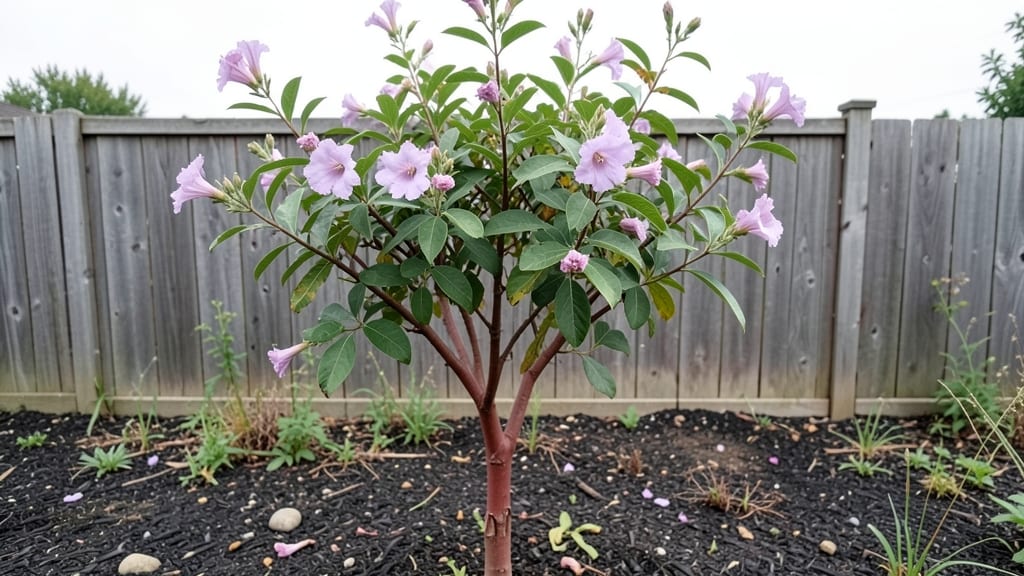
That springtime purple flowering tree in my yard—my dogwood—ignites the season’s first hummingbird frenzy by late April. The timing is everything—planting these trees in early spring ensures they establish roots before summer’s heat, while pruning in late winter clears the way for that first burst of color.
The best purple spring bloomers for this region are Pacific dogwood (with its striking bracts), lilacs (fragrant and long-blooming), and purple-leafed plums (which offer early color and edible fruit). They thrive in partial shade to full sun and handle the region’s wet springs beautifully.
The key is matching the tree to your yard’s light and space—some need room to spread, while others stay compact.
What you’ll love is the show these trees put on: clusters of purple flowers that last 3-4 weeks, followed by seasonal interest from foliage or fruit. Hummingbirds aren’t the only beneficiaries—bees and butterflies flock to them too, turning your garden into a pollinator paradise.
Plant one this spring, and you’ll have a centerpiece that draws admiration all season.
Whether you’re adding color to a shady corner or brightening a sunny border, these trees adapt well to Pacific Northwest conditions. Just time your planting for fall or early spring, water deeply the first year, and enjoy the spectacle. The hummingbirds will thank you.
📚 In This Guide
- What you need
- Instructions
- Tips and common mistakes
- Wrapping up and next steps
What you need
- ● Tree: 1-2 bare-root or container-grown saplings (3–5 ft tall, depending on desired maturity speed). Pro tip: 💡 Choose locally sourced nursery stock for better PNW adaptation!
- ● Planting Hole: 2–3x wider and just as deep as the root ball.
- ○ Native Soil Mix: 50% native topsoil + 50% compost (2–3 cubic yards for mature trees). Optional: Add 1–2 cups of mycorrhizal fungi to boost root health.
- ● Mulch: 3–4 inches of wood chips or cedar mulch (avoid fresh wood or dyed mulch).
- ● Tools: 1 shovel (round-point for digging)
- ● 1 garden trowel (for delicate root adjustments)
- ● 1 hose with spray nozzle (for watering)
- ● 1 pruning shears (sterilized, for shaping)
- ○ Staking (Optional but Helpful): 2–3 stakes + soft tree ties if planting in windy areas.
- ● Location: Full sun to partial shade (6+ hours of sunlight daily for optimal blooms). Avoid low-lying areas where frost pools.
- ● Soil pH: Slightly acidic to neutral (6.0–7.0). Test your soil before planting!
- ● Water Access: A drip irrigation system or consistent watering schedule (especially critical the first year).
- ● Hummingbird Prep: 1–2 hummingbird feeders (1 part sugar : 4 parts water) placed 10–15 ft away from the tree to encourage visits.
- ● Timing: Plant in early spring (March–April) or fall (September–October) for best root establishment.
Step-by-Step instructions for planting a Pacific Northwest hummingbird tree
Here’s how to establish your purple flowering tree for maximum blooms and bird activity.
Choose the Right Tree Species for Your Region
The Pacific Northwest’s best purple flowering trees for hummingbirds include Pacific Dogwood (Cornus nuttallii), Oregon Grape Holly (Mahonia aquifolium), or Red Flowering Currant (Ribes sanguineum). Each thrives in the region’s mild, wet winters and cool summers. Pacific Dogwood offers dramatic spring blooms, while Oregon Grape Holly provides early nectar and edible berries.
Check your USDA hardiness zone—all three species handle zones 6-8 with ease. Avoid invasive species like Russian Olive (Elaeagnus angustifolia), which disrupts native ecosystems. If your yard has acidic soil (common in PNW), Red Flowering Currant performs best. For well-drained, slightly alkaline areas, Pacific Dogwood is ideal.
Select and Prepare the Planting Site
Hummingbird trees need morning sun to partial afternoon shade—too much hot afternoon sun scorches leaves, while full shade reduces flowering. A location with dappled sunlight (like under tall evergreens) works well. Avoid low spots where water pools after rain, as soggy roots invite root rot.
Dig a hole twice as wide as the tree’s root ball but no deeper. Loosen the soil at the bottom with a garden fork to encourage root spread. Mix the excavated soil with 2 inches of compost (if not already present) to improve drainage and fertility. This step is critical—compacted soil strangles new roots, slowing bloom production by years.
Plant at the Correct Depth and Stake if Needed
Place the tree so the top of the root ball sits 1-2 inches above ground level—this prevents stem rot from buried bark. Spread roots gently outward, ensuring they aren’t coiled or circling. Fill the hole with a 50/50 mix of native soil and compost, tamping lightly as you go to remove air pockets.
Stake only if the tree leans noticeably or your site has strong winds. Use two stakes positioned diagonally, tied loosely with soft fabric strips (never wire, which girdles stems). Water deeply after planting to settle the soil. Mulch with 3 inches of wood chips, keeping mulch 6 inches away from the trunk to prevent moisture buildup that causes rot.
Water and Fertilize for Strong First-Year Growth
Water deeply twice weekly for the first month, then taper to once weekly unless rainfall provides 1 inch of moisture. Overwatering is the #1 killer of young trees—check soil moisture by pushing a finger 2 inches deep; if dry, water. Avoid wetting leaves to prevent fungal diseases like powdery mildew, which weakens flowering.
Apply a balanced, slow-release fertilizer (10-10-10) in early spring and again in late summer. Follow package rates—too much nitrogen produces leafy growth at the expense of flowers. Hummingbirds rely on nectar-rich blooms, so prioritize phosphorus and potassium for vibrant flowers. Organic options like fish emulsion or bone meal work well in PNW soils.
Prune and Maintain for Year-Round Hummingbird Appeal
Prune in late winter or early spring before new growth begins. Remove dead, crossing, or inward-growing branches first, then thin the canopy to improve air circulation. Never remove more than 25% of the foliage in one year—this stresses the tree and reduces next season’s blooms. Hummingbirds favor trees with open, accessible flowers, so avoid heavy pruning.
Monitor for pests like aphids or scale, which suck plant juices and weaken flowering. Spray with neem oil if infestations appear, or introduce ladybugs as natural predators. In fall, add a 2-inch layer of mulch to insulate roots during cooler months. By year three, your tree should burst with purple blooms that hummingbirds can’t resist.
Tips & tricks for perfect Pacific Northwest hummingbird trees
Planting the right purple flowering tree can transform your yard into a hummingbird haven—but these pro tips will help you avoid common pitfalls and maximize blooms from day one.
Species Selection Strategy: Pacific Dogwood thrives in well-drained, slightly alkaline soils common in urban PNW yards, while Red Flowering Currant handles the region's naturally acidic soils beautifully. If you're unsure about your soil pH, test it before choosing—this simple step prevents years of underperforming blooms. The Oregon Grape Holly is your best bet for early nectar production, attracting hummingbirds as soon as spring arrives.
Site Preparation Secret: The "dappled sunlight" requirement in Step 2 isn't just about partial shade—it's about creating microclimates where morning sun warms the bark (stimulating bloom production) while afternoon shade prevents leaf scorch. Look for locations where taller evergreens naturally filter sunlight, or create your own shade structure if needed. This balance is what produces those vibrant purple blooms hummingbirds can't resist.
Planting Depth Technique: That 1-2 inch elevation above ground level in Step 3 might seem minor, but it's critical for preventing stem rot—a common killer of young trees. Use a level to verify this height, especially if your yard has slopes. For extra insurance, create a slight berm around the base to encourage water runoff away from the trunk during those inevitable PNW downpours.
Watering Wisdom: The "twice weekly" guideline in Step 4 works for average PNW conditions, but your actual needs depend on your specific microclimate. In coastal areas with frequent mist, you might need only weekly watering, while inland spots may require daily attention during summer heatwaves. Always check that 2-inch soil depth—this simple finger test prevents both overwatering (which causes rot) and underwatering (which stresses the tree).
Pro Tips for Springtime Purple Flowering Tree
- Planting the right purple flowering tree can transform your yard into a hummingbird haven—but these pro tips will help you avoid common pitfalls and maximize blooms from day one.
- Species Selection Strategy: Pacific Dogwood thrives in well-drained, slightly alkaline soils common in urban PNW yards, while Red Flowering Currant handles the region's naturally acidic soils beautifully.
- Look for locations where taller evergreens naturally filter sunlight, or create your own shade structure if needed.
Frequently asked questions
Got questions about adding a stunning springtime purple flowering tree to your Pacific Northwest garden? You’re not alone! Here are some of the most common queries—and their answers—to help you plan with confidence.
When do purple flowering trees bloom in the PNW?
The timing varies by species, but most purple flowering trees like Pacific Dogwood or Redbud bloom in late March to early May. Cooler PNW springs may delay blooms slightly, so choose early-blooming varieties if you want vibrant color sooner. Check your local nursery for region-specific advice!
Which purple trees attract hummingbirds the most?
Top picks for hummingbird magnets include:
- Pacific Dogwood (Cornus nuttallii) – Fragrant, pink-purple blooms and nectar-rich flowers.
- Redbud (Cercis occidentalis) – Early lavender blooms and abundant pollen.
- Western Redbud (Cercis canadensis var. occidentalis) – Compact size, perfect for small yards.
How much sun does a purple flowering tree need?
Most purple bloomers thrive in partial shade to full sun, but specifics depend on the species:
Tree Type
Sunlight Needs
Pacific Dogwood
Partial shade (morning sun, afternoon shade)
Redbud
Full sun to partial shade (tolerates urban settings)
Oregon Grape (Mahonia aquifolium)
Partial shade (great for woodland gardens)
Always match the tree to your yard’s light conditions for best results!
Can I grow a purple flowering tree in a container?
Yes! Smaller varieties like dwarf redbud or Oregon grape work well in 15–25 gallon containers. Use well-draining soil, repot every 2–3 years, and place in a spot with partial shade. Just remember: container trees may bloom slightly later than in-ground plants.
Why isn’t my purple flowering tree blooming?
Common culprits include:
- Too much shade – Most need at least 4–6 hours of sunlight.
- Improper pruning – Avoid cutting back in late winter (when buds form).
- Poor soil – Amend with compost for better nutrition.
- Age – Young trees (under 3 years) may not bloom yet.
If the issue persists, test your soil’s pH (6.0–7.0 is ideal for most PNW natives).
Wrapping up and next steps
Transforming your Pacific Northwest garden into a hummingbird haven with a stunning springtime purple flowering tree is easier—and more rewarding—than you think! These vibrant trees don’t just dazzle with color; they create a buzz of life, attracting pollinators and filling your space with natural beauty.
Whether you’re a seasoned gardener or just starting, planting one of these trees is a simple yet impactful next step—so grab your gloves and get growing!
🌸 Pro Tip: Share your blooming success with fellow plant lovers! Tag us in your photos or join local gardening groups to swap tips and inspire others to welcome these winged visitors too.