
Pruning
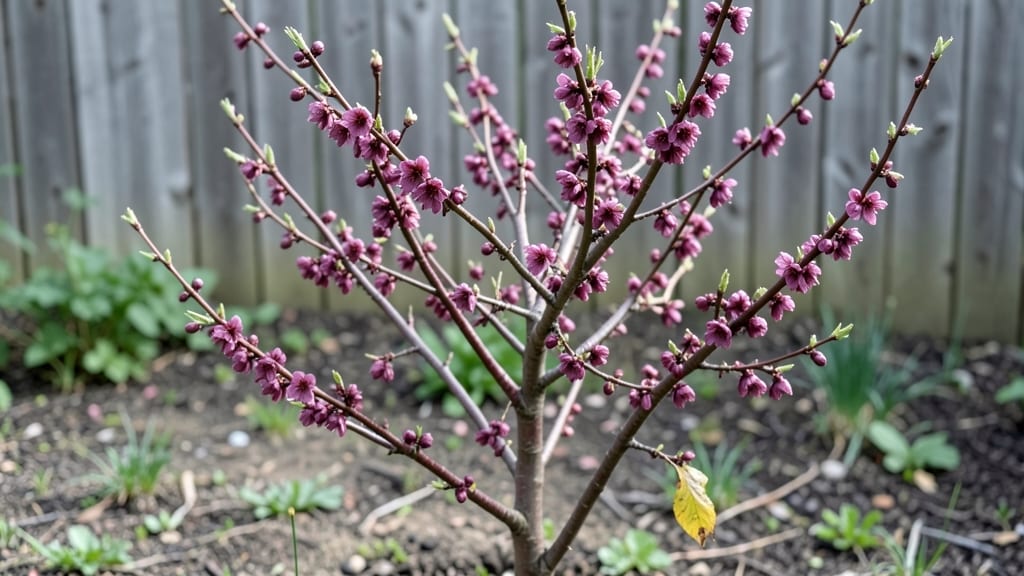
The Royal Burgundy flowering cherry tree turns spring into a cloud of velvety pink, and it thrives in the Pacific Northwest’s chillier mornings. 🌸 I planted mine near the patio last year, and the way its blossoms glow against the early-morning mist?
Unbeatable. This isn’t just a tree—it’s a statement piece that works as a lawn anchor, border sentinel, or even a solo star in a small garden.
What makes it special is how it pairs with other plants. Underneath its branches, shade-loving heuchera or hostas create a lush understory, while spring bulbs like daffodils peek through before the leaves fill in.
Nearby evergreen shrubs (like boxwood or holly) keep the drama going year-round, while ornamental grasses sway in the breeze to soften its edges. The key is balancing its bold presence with plants that complement its seasonal shifts.
By late summer, the show doesn’t end—deep purple foliage takes over, and the tree’s frost-resistant branches hold up even in winter storms. Prune it right in early spring, and you’ll get healthier blooms next year, plus a shape that frames your garden like a living painting.
The best part? It’s low-maintenance once established, so you spend more time admiring it than fussing over it.
Whether you’re designing a cottage-style border or a modern minimalist yard, this tree delivers year-round interest with almost no effort. Pair it with a bench for spring picnics under the blossoms, or let it stand alone as a dramatic focal point.
The Pacific Northwest’s climate actually favors it—so if you’ve been dreaming of a tree that’s as tough as it is beautiful, this is the one.
📚 In This Guide
- What you need
- Instructions
- Tips and common mistakes
- Wrapping up and next steps
What you need
- ● Pruning shears: Bypass pruners (for cuts up to ½ inch thick) and loppers (for thicker branches, ½ to 1½ inches). Choose sharp, stainless-steel blades to prevent tearing.
- ● Hand saw: A pruning saw with a curved blade for branches over 1½ inches in diameter. Look for non-serrated teeth for cleaner cuts.
- ● Disinfectant: 70% isopropyl alcohol or a 10% bleach solution (1 part bleach to 9 parts water) to sterilize tools between cuts and avoid spreading disease.
- ● Gloves: Heavy-duty gardening gloves (waterproof preferred) to protect against thorns and sap.
- ● Safety gear: Safety glasses and a long-sleeve shirt (Royal Burgundy cherries have sharp thorns!).
- ○ Pruning sealant (optional): Tree wound sealant (like Tanglefoot Tree Wound Pruning Seal) for large cuts to reduce sap loss and pest entry.
- ● Weather check: Prune on a dry, calm day—avoid windy or rainy conditions. Ideal temps: 40–70°F.
- ● Cleanup supplies: Heavy-duty trash bags (for pruned branches).
- ● Rake or leaf blower (to clear debris from the base).
- ● Tree health assessment: Inspect your tree for diseases (like bacterial canker) or pests before pruning. If issues exist, research organic treatments (e.g., neem oil) post-pruning.
- ● Ladder (if needed): A stable, extendable ladder (rated for your height + 3 feet extra) for high branches. Never stand on wobbly surfaces!
- ○ Notebook & pen (optional): To sketch your tree’s structure or note branch directions for reference.
Step-by-Step guide to pruning your Royal Burgundy flowering cherry tree
Here’s how to prune this stunning PNW favorite for maximum blooms and winter hardiness.
✂️ Step 1: Time Your Pruning for Optimal Growth
Prune your Royal Burgundy flowering cherry immediately after flowering (late spring) but before new growth hardens. This timing ensures you don’t cut off next year’s blossoms while still encouraging strong summer foliage. I always check the buds—when they’ve swollen but not yet burst into color, that’s your cue.
Never prune in fall or winter. These trees are frost-resistant, but fresh cuts heal poorly in cold weather and invite disease. If you missed the spring window, wait until early summer, but you’ll sacrifice some bloom potential. The goal is to shape without stressing the tree during its dormant season.
✂️ Step 2: Remove Dead, Diseased, or Crossing Branches First
Start by eliminating any dead, diseased, or damaged wood—these are easy to spot as they’re brown, brittle, or oozing sap. Use clean, sharp pruners (sterilized with rubbing alcohol) to make precise cuts just outside the branch collar. I like to work from the bottom up, so I don’t accidentally block my view of higher branches.
Next, remove crossing or rubbing branches—these create wounds where bark tears and infections take hold. Look for branches growing inward or rubbing against others. Cut these back to the nearest outward-facing bud or branch junction. This step alone improves airflow and reduces future pruning headaches.
✂️ Step 3: Thin the Canopy for Light Penetration
Royal Burgundy cherries bloom best when light reaches all branches. Selectively thin the canopy by removing 10-20% of the smallest, interior branches—these are the ones growing straight up or crowded in the center. Aim for an open, vase-like shape that lets sunlight filter to the lower limbs.
Focus on branches thinner than ½ inch in diameter. Thinning these encourages stronger growth on remaining branches. Avoid "heading back" (cutting back to a bud) unless you’re training the tree’s shape—cherries bloom on old wood, so heavy pruning reduces flowers. Step back often to visualize the tree’s balance.
✂️ Step 4: Shape for Structure and Safety
Now refine the tree’s form by shortening only the longest, overreaching branches—never more than ¼ of their length. Cut just above an outward-facing bud at a 45-degree angle to shed water. I avoid flush cuts (right against the trunk), as they leave ugly stubs that rot.
Pay special attention to branches growing toward walkways or power lines. These are safety hazards and should be pruned first. For large branches over 2 inches thick, use a three-cut method to prevent tearing: undercut, then cut from the top, and finally remove the branch. Seal larger wounds with pruning sealant (optional for cherries, but helpful in rainy PNW climates).
🌿 Step 5: Clean Up and Monitor for Recovery
Rake up all debris and sterilize your tools with 10% bleach solution (1 part bleach to 9 parts water) to prevent disease spread. Dispose of pruned branches in yard waste—never compost them, as they can harbor fungal spores. Water the base of the tree deeply after pruning to reduce stress.
Watch for new growth within 2-3 weeks—this confirms the tree is recovering well. If you see excessive water sprouts (thin, vertical shoots), prune them back in early summer. Over the next year, the tree will fill in beautifully, with vibrant burgundy foliage and abundant spring blooms. This method keeps your Royal Burgundy thriving for decades.
Tips & tricks for pruning your Royal Burgundy flowering cherry tree
Perfect pruning transforms your Royal Burgundy from ordinary to spectacular—here’s how to avoid common mistakes and elevate your tree’s health and beauty.
Timing is Everything: In Step 1, when you’re checking for swollen buds that haven’t burst, take an extra moment to examine the tree’s overall growth pattern. The PNW’s unpredictable spring weather can delay bud swelling—don’t rush! If you’re unsure, wait until you see fresh leaf buds forming but before they’ve unfurled. This window is critical for preserving next year’s blooms while still encouraging summer growth. I’ve missed it twice and noticed fewer flowers the following spring.
Tool Preparation Matters: Before you begin Step 2, sterilize your pruners with rubbing alcohol—not just between cuts, but before you even start. I learned this the hard way when a fungal infection spread through my tree after using the same tools for multiple trees without cleaning. For larger branches, invest in a bypass pruner—the clean cut it makes heals faster than the jagged edges from anvil pruners. And always carry a small brush to clean away sap buildup between cuts.
Visualizing the Canopy: When thinning in Step 3, step back frequently to visualize the tree’s shape. I like to use the "window test"—can you see light through the canopy when standing directly beneath it? If not, you need to remove more interior branches. Remember that 10-20% guideline isn’t arbitrary: it’s the sweet spot for maintaining airflow without over-stressing the tree. For a 10-foot tree, that’s about 2-4 branches total—don’t be afraid to be bold with your cuts.
Safety First: In Step 4, when dealing with branches over 2 inches thick, take your time with the three-cut method. I’ve seen too many pruners get caught in branches trying to cut too quickly. Start your undercut on the underside of the branch, about 12 inches from the trunk. Then make your top cut about 1 inch beyond that, and finally remove the branch. This prevents bark from tearing. For branches near power lines, call your utility company first—they often have specialized equipment to handle these safely.
Pro Tips for Royal Burgundy Flowering Cherry Tree
- Perfect pruning transforms your Royal Burgundy from ordinary to spectacular—here’s how to avoid common mistakes and elevate your tree’s health and beauty.
- Timing is Everything: In Step 1, when you’re checking for swollen buds that haven’t burst, take an extra moment to examine the tree’s overall growth pattern.
- Tool Preparation Matters: Before you begin Step 2, sterilize your pruners with rubbing alcohol—not just between cuts, but before you even start.
Frequently asked questions
Got questions about caring for your Royal Burgundy Flowering Cherry Tree? You’re not alone! Here are some of the most common queries—and their answers—to help you keep your tree thriving in the Pacific Northwest’s climate.
How cold can a Royal Burgundy Flowering Cherry Tree tolerate?
The Royal Burgundy is one of the most frost-resistant flowering cherries, handling temperatures down to -20°F (-29°C) once established. Young trees (under 3 years) may need winter protection, like burlap wraps or mulch, to shield delicate buds. Pro tip: Plant in a spot with afternoon sun to reduce stress during harsh winters.
When is the best time to prune a Royal Burgundy?
Prune late winter to early spring (February–March), just before buds swell but before new growth starts. Avoid pruning in fall—it can stimulate tender growth that won’t survive frost. For heavy pruning (like shaping), do it in stages over 2–3 years to avoid shocking the tree.
Why aren’t my Royal Burgundy’s flowers as vibrant as they should be?
Dull or sparse blooms often signal over-pruning, poor nutrition, or winter dieback. Check for:
- Pruning mistakes: Avoid cutting back more than 1/3 of the canopy in one season.
- Nutrients: Apply a balanced fertilizer (10-10-10) in early spring.
- Winter damage: If branches look mushy or black, prune them out immediately.
Bonus: Mulch with compost to boost soil health!
Can I grow a Royal Burgundy in a container or small yard?
While possible, this tree needs space to thrive—it matures at 20–30 feet tall and wide. For containers, choose a large (20+ gallon) pot with drainage and prune aggressively to control size. Warning: Container-grown trees may struggle with root bound issues and frost sensitivity.
What pests or diseases should I watch for in the Pacific Northwest?
Common issues include:
- Cherry leaf spot: Brown spots on leaves? Remove infected foliage and apply fungicide in spring.
- Borers: Look for sawdust-like frass or holes—treat with beneficial nematodes or prune infested branches.
- Powdery mildew: Improve airflow and spray with neem oil if you spot white residue.
Preventative tip: Prune for airflow and water at the base (not overhead) to keep the tree dry!
Wrapping up and next steps
The Royal Burgundy flowering cherry tree is a stunning addition to Pacific Northwest gardens—its vibrant blooms and frost-resistant nature make it a dream for pruning enthusiasts! 🌸 With the right tools, timing, and techniques, you can keep your tree thriving for years.
Now that you’re armed with expert tips, grab those pruners and get started—your tree (and your neighbors!) will thank you.
Need a refresher? Bookmark this guide and revisit it before your next pruning session. Happy gardening!