Trees
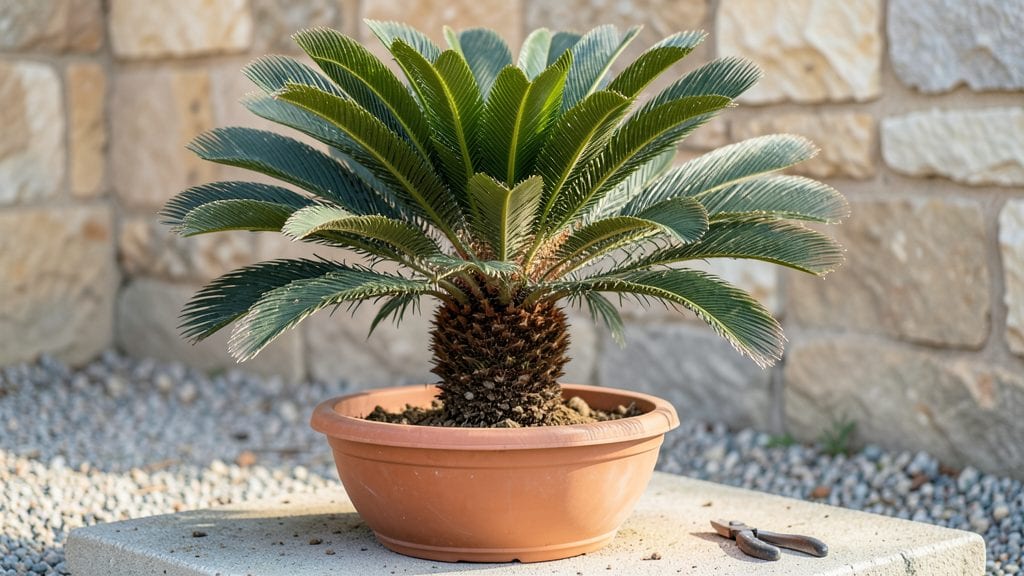
The Spain palm trees you've been eyeing for your Pacific Northwest garden aren't just pretty—they're tough survivors that thrive where most palms would shiver. 🌿 I planted my first Canary Island date palm (Phoenix canariensis) three years ago, and it's now taller than me, proving these palms can handle our chilly winters better than you'd think.
These palms love full sun but won’t melt in our cooler summers, making them perfect for coastal gardens or sheltered spots. The key? Well-draining soil—think sandy loam mixed with compost—and a spot where they get at least 6 hours of sunlight daily.
Watering’s easy once established: deep soaks every 1-2 weeks in summer, then almost nothing in winter.
What you’ll love most is how they look: those feathery fronds swaying even in light breezes, and the trunks developing that classic textured bark over time. Prune dead fronds in early spring, and watch them bounce back with fresh, vibrant growth.
Pests? Rarely an issue unless you’ve got scale insects lurking—just spray with soapy water if you spot them.
Bonus: These palms grow slowly, so they’re great for small spaces or as statement plants in larger gardens. Start with a 15-gallon container if you’re unsure, then transplant when established. Your Pacific Northwest garden just got a Mediterranean vibe without the heatwave worries.
📚 In This Guide
- What you need
- Instructions
- Tips and common mistakes
- Wrapping up and next steps
What you need
- ● Palm Tree Seedlings: Choose cold-hardy varieties like Canary Island Date Palm (Phoenix canariensis) or Windmill Palm (Trachycarpus fortunei)—both thrive in USDA Zones 7-10.
- ● Quantity: 1-3 plants (depending on garden space).
- ● Well-Draining Soil: 60% native soil + 30% coarse sand or perlite + 10% compost (palms hate soggy roots!).
- ● Test soil pH: 6.0–7.5 (neutral to slightly acidic).
- ● Planting Hole: Depth: 2–3 times wider than the root ball, no deeper than the top of the root ball.
- ● Width: 12–18 inches for small palms, 24+ inches for mature specimens.
- ● Mulch: 2–3 inches of wood chips or straw (keep mulch 6 inches away from the trunk).
- ● Watering Supplies: Hose or drip irrigation system (palms need deep, infrequent watering—1–2 gallons per week in dry spells).
- ● Garden Tools: Shovel or spade (for digging)
- ● Garden trowel (for fine adjustments)
- ● Pruning shears (sterilized with rubbing alcohol)
- ○ Gloves (optional but recommended—palm fronds can be spiky!)
- ○ Optional (But Helpful!) Extras: Windbreaks: Burlap screens or temporary fencing (protects young palms from Pacific Northwest winds).
- ● Slow-Release Fertilizer: Balanced 10-10-10 or palm-specific formula (apply spring & fall).
- ● Palm Stake: 5–6 ft bamboo or metal stake (for support during establishment).
- ● Soil Moisture Meter: Ensures roots stay moist but not waterlogged.
- ● Prerequisites: Full-sun location (6+ hours of direct light daily—south-facing is ideal).
- ● Frost-free zone (Zone 7+; use microclimates like south walls for colder areas).
- ● Patience! Palms grow 1–3 ft per year—slow and steady wins the race. 🐢
Step-by-step guide to planting cold-hardy Spain palm trees
Here's how to establish your 4 Spain palm trees with confidence in the Pacific Northwest's cooler climate.
🌱 Step 1: Select the Right Variety and Planting Time
For the Pacific Northwest, choose Chamaerops humilis—the hardiest Spain palm variety that tolerates temperatures down to 10°F. Plant in early spring, after the last frost date in your area, when soil temperatures reach 60°F or warmer. This gives roots time to establish before summer heat arrives.
Look for 3-5 gallon container-grown plants with firm, green fronds and no signs of yellowing or brown tips. These mature plants establish faster than smaller specimens. I always check the root ball—it should be well-developed but not root-bound, with roots circling the edges of the container.
☀️ Step 2: Choose the Perfect Sunny Spot
Spain palms thrive in full sun exposure—at least 6-8 hours of direct sunlight daily. In the Pacific Northwest, south-facing locations get the most consistent sun. If your yard only offers partial shade, pick a spot where the tree receives morning sun and afternoon dappled light.
Test your location by observing how sunlight moves across the area throughout the day. You'll see the ideal spot where the ground stays warmest and driest. Avoid low spots where cold air collects—these can freeze palm roots even if daytime temps seem mild.
🪴 Step 3: Prepare the Planting Hole and Soil
Dig a hole twice as wide as the root ball but only as deep as the container. The top of the root ball should sit 1-2 inches above ground level to prevent water pooling around the trunk. Mix the native soil with 20% compost to improve drainage and fertility.
Gently loosen the root ball by sliding a knife around the edges if roots are circling. This encourages outward growth rather than strangling the plant. I always water the root ball thoroughly before planting—it helps settle the soil and eliminates air pockets that can suffocate roots.
💧 Step 4: Plant and Water Thoroughly
Place the palm in the hole and backfill with the soil mixture, tamping gently as you go. Water immediately with 5 gallons of water to settle the soil. You'll see the ground around the base firm up slightly—this confirms good root-to-soil contact.
Create a 2-inch deep watering basin around the base to direct irrigation. Mulch with 2-3 inches of wood chips, keeping mulch 6 inches away from the trunk to prevent rot. Water deeply twice weekly for the first month, then taper to weekly waterings once established.
✂️ Step 5: Provide Winter Protection and Ongoing Care
In winter, wrap young palms with burlap or frost cloth when nighttime temps drop below 25°F. Focus protection on the fronds—they're more sensitive than the trunk. I always remove protective coverings during the day to prevent overheating in winter sun.
Fertilize in early spring with a balanced palm fertilizer (8-8-8 ratio) applied at half strength. You'll notice new fronds emerging within 4-6 weeks—this is your sign the plant is thriving. Prune only dead or brown fronds in late winter, cutting them back to the trunk to maintain the palm's natural shape.
Tips & tricks for planting cold-hardy Spain palm trees
Here's what I've learned from planting these Mediterranean beauties in our Pacific Northwest climate—these tricks make all the difference for long-term success.
Variety Selection: While Chamaerops humilis is your best bet for our climate, I always check for plants labeled "dwarf" or "compact" varieties—they handle our winters even better. Look for plants with multiple trunks (clumping habit) rather than single-trunk specimens, as these are more resilient against winter dieback. The extra trunks create redundancy if one gets damaged by cold snaps.
Soil Preparation: The 20% compost recommendation is perfect, but I add an extra handful of perlite to the mix for our often dense Pacific Northwest soils. This improves drainage dramatically, preventing those dreaded root rot issues that can kill young palms. Also, if your soil tests acidic (common in our region), mix in some lime to bring the pH closer to the ideal 6.5-7.5 range that palms prefer.
Winter Protection Strategy: For the first two winters after planting, I go all-out with protection: burlap wraps plus a thick layer of straw mulch around the base. This extra insulation helps young palms survive our occasional dips below 10°F. Remove the wraps on warm winter days to prevent overheating—palms can actually scorch in bright winter sun when wrapped too tightly.
Sunlight Observation: That 6-8 hours of sun requirement can be tricky in our cloudy summers. I mark potential planting spots with stakes and observe sunlight patterns for a full week before deciding. The ideal spot gets sun from mid-morning through early afternoon—this avoids the hottest afternoon sun that can stress palms in our dry summers. Morning sun helps dry dew quickly, reducing fungal risks.
Pro Tips for Spain Palm Trees
- Here's what I've learned from planting these Mediterranean beauties in our Pacific Northwest climate—these tricks make all the difference for long-term success.
- Variety Selection: While Chamaerops humilis is your best bet for our climate, I always check for plants labeled "dwarf" or "compact" varieties—they handle our winters even better.
- Soil Preparation: The 20% compost recommendation is perfect, but I add an extra handful of perlite to the mix for our often dense Pacific Northwest soils.
Frequently asked questions
Can palm trees survive the cold winters in the Pacific Northwest?
Yes! Cold-hardy varieties like the Windmill Palm (Trachycarpus fortunei) or Needle Palm (Rhapidophyllum hystrix) thrive in USDA Zones 6-9, enduring temperatures as low as -10°F (-23°C). These species are perfect for PNW gardens, though they may need winter protection in milder microclimates.
How long does it take for palm trees to mature in Spain’s climate vs. the PNW?
Palms grow 2-3x slower in the PNW than in Spain’s Mediterranean climate. A Dwarf Palmetto (Sabal minor) might take 10-15 years to reach 10 feet here, while it could mature in 5-7 years in Spain. Patience and proper care (like mulching) speed up growth.
What’s the easiest palm tree for beginners in the PNW?
The Needle Palm (Rhapidophyllum hystrix) is beginner-friendly—it’s drought-tolerant, slow-growing, and handles frost better than most. Another great pick is the Chinese Windmill Palm (Trachycarpus fortunei), which resists pests and diseases while adapting well to varied soils.
Do palm trees need special soil in the PNW’s rainy climate?
Palms prefer well-draining, slightly acidic soil (pH 5.5–6.5). In the PNW’s wet climate, amend heavy clay with organic matter (compost, pine bark) to prevent root rot. Avoid waterlogged spots—palms hate soggy feet! A raised bed or mound can help in poorly draining areas.
What pests should I watch for in PNW palm trees?
Common PNW palm pests include spider mites, scale insects, and palm weevils. Monitor for yellowing fronds or sawdust-like frass (signs of weevils). Treat early with neem oil or insecticidal soap. Windmill Palms are naturally resistant to many pests, making them low-maintenance choices.
Wrapping up and next steps
Spain’s palm trees bring a taste of the Mediterranean to the Pacific Northwest—proof that beauty and resilience go hand in hand! 🌿 From selecting cold-hardy varieties like the Canary Island Date Palm to mastering soil prep and winter care, you now have the tools to cultivate a thriving mini-orchard. Your garden’s tropical oasis is just a shovel’s throw away!
Ready to get started? Pick your palm, mark your calendar for planting season (spring or fall), and watch your outdoor space transform. 🌱 Who knows? Soon, you’ll be the envy of the neighborhood with your stunning, sun-drenched palms!