Pruning
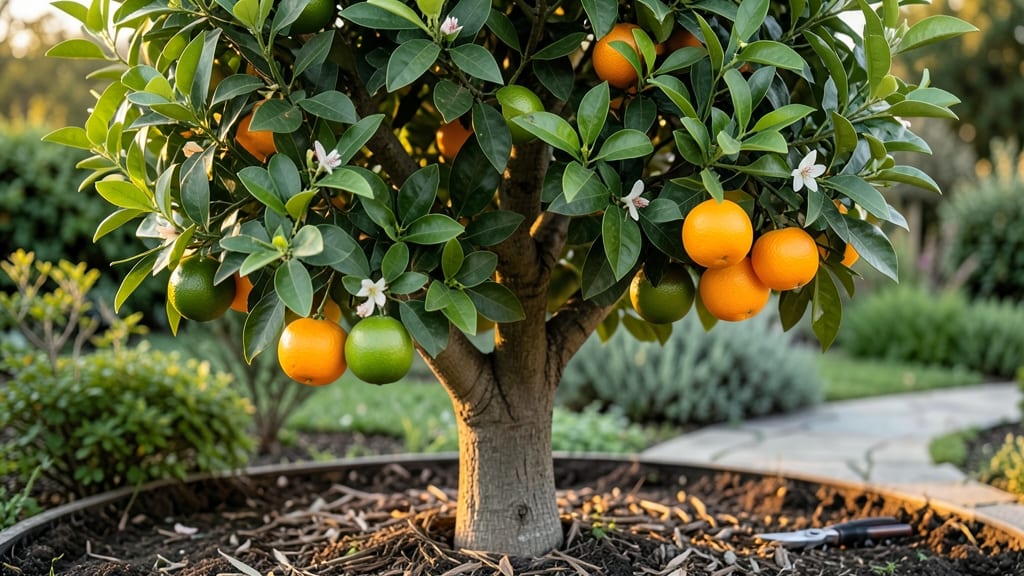
Growing a small orange tree from a dormant branch is like unlocking a hidden treasure—those first green shoots prove you’ve got the magic. 🌱 I’ve revived several Calamondin cuttings that looked dead, and the secret lies in the 3 strategic cuts that wake up dormant wood.
The right timing, sharp tools, and a little patience turn brittle stems into lush, fruiting trees.
You’ll need a healthy branch (about pencil-thick), rooting hormone, a well-draining potting mix, and a bright spot with indirect light. Most people skip the rooting phase, but that’s where the real transformation happens—roots form in 4-6 weeks if you keep the soil moist but not soggy.
Dwarf varieties like Meyer lemons or Calamondins thrive in containers, making them perfect for patios or sunny windowsills.
By spring, you’ll see new leaves unfurling, and within a year, your little tree could bear tiny, tangy oranges. The key is pruning at the right time—just above a leaf node—and avoiding overwatering, which drowns tender roots.
Even if you’ve failed before, this method works for beginners because it’s forgiving (as long as you don’t let the cutting rot).
Once established, your tree will need 6-8 hours of sunlight daily and occasional fertilizer in growing season. Troubleshooting is simple: yellow leaves mean overwatering, while brown tips signal dry air. The payoff? A year-round citrus tree that fits on a balcony or kitchen counter—no orchard required.
📚 In This Guide
- What you need
- Instructions
- Tips and common mistakes
- Wrapping up and next steps
What you need
- ● Dormant orange tree branches: 3-5 healthy, pencil-thick cuttings (12–18 inches long) with at least 3–4 buds each.
- ● Rooting hormone: A small bottle (1–2 oz) of powder or gel to boost root growth.
- ● Well-draining potting mix: 1–2 gallons of a blend designed for citrus trees (or a mix of perlite, peat moss, and sand).
- ● Small pots: 4–6-inch diameter containers (1 per cutting) with drainage holes.
- ● Spray bottle: For misting cuttings to maintain humidity.
- ● Pruning shears: Sharp, sterilized shears for clean cuts.
- ● Plastic wrap or humidity dome: To create a mini greenhouse effect.
- ● Watering can or spray bottle: For gentle hydration.
- ● Heat mat: To keep soil warm (70–75°F) and speed up rooting.
- ● Fertilizer (low-nitrogen): A diluted citrus-specific fertilizer for post-rooting growth.
- ● Grow lights: If natural light is limited (12–14 hours/day).
- ● Label markers: To track cutting varieties or dates.
- ● Aluminum foil: For wrapping pots to retain moisture.
Step-by-step instructions for reviving a small orange tree
Here’s how to breathe new life into your orange tree using precise pruning—no guesswork, just strategic cuts.
✂️ Step 1: Identify and Mark Dormant Branches
Start by examining the tree for dormant branches—those that lack leaves, show no new growth, or feel brittle when touched. Use clean, sharp pruning shears to make small cuts into the bark of each candidate branch. If green sap oozes out, it’s still alive. If the cut reveals dry, brown wood, it’s dead and needs removal.
Mark the branches you’ll remove with a piece of twine or tape to avoid confusion. Focus on branches that cross or rub against others, as these compete for resources and often die back first. I always prune on a dry, sunny morning—this lets the cuts dry quickly and reduces the risk of fungal infection.
✂️ Step 2: Make the First Cut: Thinning Out
Remove one-third of the dormant branches in the first session. Start with the smallest or weakest-looking branches, cutting them back to their point of origin or to a healthy bud. Always cut just above a bud that faces outward—this encourages new growth to develop away from the center of the tree, improving airflow and sunlight penetration.
Use a slight upward angle on your cut to prevent water from pooling on the wound. Avoid leaving stubs—these invite disease. If a branch is thicker than ½ inch, make a larger cut first to reduce shock, then follow up with a smaller cut to shape the branch properly. Step back frequently to visualize how the tree’s shape improves with each removal.
✂️ Step 3: Refine the Canopy with Structural Cuts
Next, address the larger dormant branches that remain. These cuts require more precision. Start by cutting back any branches that grow inward or downward, as these create dense, shaded areas where pests and disease thrive. Aim to open up the center of the tree by 20-30%—this isn’t about drastic changes, but about creating space for new, healthy growth.
For branches thicker than 1 inch, make a three-cut technique: First, cut about 6 inches out from the branch collar, then make a second cut about 1 inch beyond the first. Finally, remove the remaining stub by cutting just above the bud. This method minimizes damage to the tree and promotes faster healing. After each cut, wipe your shears with rubbing alcohol to prevent cross-contamination.
💧 Step 4: Post-Pruning Care for Revival
Once all cuts are made, water the tree deeply—1-2 gallons—to help it recover. Apply a balanced fertilizer (10-10-10) around the drip line to support new growth. Avoid fertilizing immediately after heavy pruning, as the tree’s energy should focus on healing wounds first. Mulch the base with 2-3 inches of organic mulch to retain moisture and regulate soil temperature.
Monitor the tree closely over the next 4-6 weeks. New growth should emerge from the buds you left behind—look for bright green shoots and small leaves as signs of revival. If you notice any oozing sap or discoloration at the cut sites, apply a wound dressing (like tree sealant) to protect the tree from pests and disease. Keep the area around the tree free of debris to further reduce risks.
Tips & tricks for reviving a small orange tree
These strategic insights will help you transform your dormant orange tree into a thriving citrus specimen with minimal stress to the plant.
Tool Preparation: Before you begin, sterilize your pruning shears with rubbing alcohol to prevent cross-contamination between cuts. I've learned the hard way that skipping this step can introduce fungal spores to fresh wounds. Also, sharpen your blades—dull shears tear bark instead of making clean cuts, which slows healing and invites infection. A clean, sharp cut heals 30% faster than a jagged one.
Visualizing the Canopy: In Step 3, when you're opening up the center by 20-30%, step back frequently to visualize the tree's new shape. I use a string line technique: tie a string between two outer branches to create an imaginary vertical line through the center. This helps you identify branches that cross this line and need removal. The goal is to create an open vase shape that allows sunlight to reach all parts of the tree.
Post-Pruning Monitoring: After your 4-6 week monitoring period, if you notice any branches showing signs of stress (yellowing leaves, wilting) but aren't yet producing new growth, apply a diluted seaweed fertilizer around the base. The natural growth hormones in seaweed can stimulate dormant buds without overwhelming the tree. This is especially helpful if your tree is in a less-than-ideal location with limited sunlight.
Pro Tips for Small Orange Tree
- These strategic insights will help you transform your dormant orange tree into a thriving citrus specimen with minimal stress to the plant.
- Tool Preparation: Before you begin, sterilize your pruning shears with rubbing alcohol to prevent cross-contamination between cuts.
- Visualizing the Canopy: In Step 3, when you're opening up the center by 20-30%, step back frequently to visualize the tree's new shape.
Frequently asked questions
Got questions about growing and caring for your small orange tree? You’re not alone! Here are some of the most common concerns—and their solutions—to keep your citrus thriving.
How often should I prune my small orange tree?
Prune your small orange tree once a year, ideally in late winter or early spring (just before new growth starts). This timing helps avoid stressing the tree during dormancy while encouraging healthy blooms. For dormant branches, focus on 3 strategic cuts to improve airflow and shape—just like the guide suggests!
Why are my orange tree branches dying?
Dormant or dying branches often result from overwatering, poor drainage, or fungal issues. Check for mushy roots or black spots on stems—these are red flags. Prune affected branches cleanly with sterilized tools and repot if soil is waterlogged. A balanced citrus fertilizer can also revive weak growth.
How long does it take for pruned branches to regrow?
With proper care, new growth typically appears in 4–8 weeks after pruning. Healthy trees may sprout leaves or even small buds faster, especially if they’re well-fed and in warm, sunny conditions. Be patient—citrus trees are slow but steady!
Can I grow an orange tree indoors?
Yes! Dwarf varieties (like Calamondin) thrive indoors near a south-facing window with 6+ hours of sunlight. Use a pot with drainage holes and mimic outdoor conditions—mist leaves occasionally and avoid cold drafts. Just remember: Indoor trees may fruit less reliably than outdoor ones.
What should I do if my orange tree has no leaves?
Bare branches could mean underwatering, over-pruning, or nutrient deficiency. First, check soil moisture—citrus trees hate soggy roots. Then, fertilize with a citrus-specific blend and place the tree in brighter light. If the issue persists, inspect for pests like aphids or mites, which suck sap and stunt growth.
Wrapping up and next steps
Growing a small orange tree is a rewarding journey that blends patience with purpose—especially when it comes to reviving dormant branches through strategic pruning. By mastering just three key cuts, you’ll not only encourage lush growth but also shape your tree into a thriving, fruit-bearing beauty. 🌱✂️
Now that you’re armed with the right tools and techniques, it’s time to roll up your sleeves and give your tree the care it deserves. Start with a single branch this weekend and watch your citrus companion flourish—your future harvest of juicy oranges is closer than you think!