
Pruning
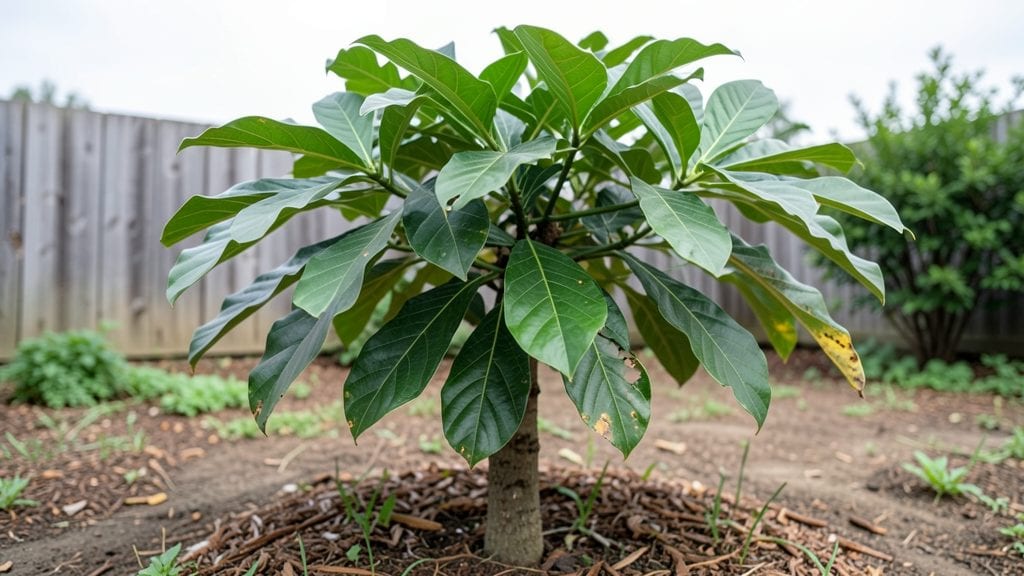
Growing a Queensland umbrella tree in the Pacific Northwest means embracing its tropical roots while protecting it from frosts—something I learned the hard way after my first winter.
This fast-growing beauty thrives in zones 10-11 but can survive mild winters with the right care, making it a standout for indoor pots or sheltered outdoor spots. The key? Pruning strategically to encourage dense growth and shield tender new shoots from cold snaps.
You’ll need well-draining soil, bright indirect light, and a watering routine that mimics its native humidity—think weekly soaks in summer but letting the top inch dry between waterings in winter. A 5-gallon pot works for young trees, while mature specimens can handle 15+ gallons if you’re growing them outdoors.
The real magic happens when you prune back leggy stems in early spring, which triggers bushier, more resilient growth before summer heat arrives.
What you’ll end up with is a tree that looks like it belongs in a tropical paradise, even in Seattle or Portland.
The glossy leaves stay vibrant year-round if you keep it happy, and with proper pruning, it can reach 6-10 feet tall indoors or even taller outdoors in warmer microclimates. The best part? It’s nearly indestructible once established—just watch for spider mites if your home runs dry in winter.
Whether you’re growing it as a statement houseplant or a patio centerpiece, this tree adapts surprisingly well to Pacific Northwest conditions—if you give it the right balance of warmth, light, and a little extra TLC during frosty months. Let’s get your Queensland umbrella tree thriving!
📚 In This Guide
- What you need
- Instructions
- Tips and common mistakes
- Wrapping up and next steps
What you need
- ● Pruning shears: Bypass pruners (sharp, clean, and sterilized with rubbing alcohol to prevent disease). Pro tip: 💡 Invest in felco-style or bypass shears for clean cuts!
- ● Loppers: For thicker branches (½"–1.5" diameter). Look for ratcheting or bypass types for leverage.
- ○ Pruning saw: Optional but handy for branches >1.5" thick. A curved-tooth saw prevents tear-out.
- ● Gloves: Heavy-duty gardening gloves (cut-resistant for safety). ✨ Bonus: Choose nitrile-coated for grip!
- ● Disinfectant: 70% isopropyl alcohol or a copper-based fungicide (to sterilize tools between cuts).
- ● Rag or paper towels: For wiping tools and cleaning sap.
- ○ Marking twine or paint: Optional—use to mark branches for removal before cutting.
- ● Timing: Prune in late winter/early spring (before new growth) or summer (after flowering). Avoid pruning in fall—it stresses frost-sensitive trees!
- ● Weather: Choose a dry, overcast day to minimize sap bleeding and disease risk.
- ● Safety gear: Safety glasses (to shield from debris) and closed-toe shoes (just in case!).
- ● Cleanup supplies: A bucket for clippings and a shovel to bury or compost large branches.
Step-by-Step instructions for planting and pruning Queensland umbrella trees
Here's how to establish and maintain this drought-tolerant beauty in your Pacific Northwest garden.
🪴 Step 1: Select and Prepare the Planting Site
Choose a location with full sun to partial shade and well-draining soil. The Queensland umbrella tree (Schefflera actinophylla) thrives in USDA zones 9b-11, but with proper winter protection, it can survive brief dips to 20°F—common in coastal PNW areas. Avoid low spots where cold air pools, as frost damage is the biggest threat in our climate.
Before planting, amend heavy soils with 3-4 inches of compost mixed into the top 12 inches of soil. This improves drainage while retaining moisture during summer droughts. The tree's extensive root system appreciates loose, aerated soil that prevents root rot. Test your site's drainage by digging a 12-inch hole—if water pools after 30 minutes, raise the planting area with a mound of amended soil.
☀️ Step 2: Plant with Proper Spacing and Winter Protection
Space your 4 trees (as per your project scale) 10-15 feet apart to allow for mature canopy spread. Dig a hole twice as wide as the root ball but no deeper. Gently remove the tree from its container and loosen any circling roots with your fingers—this encourages outward root growth. Place the tree in the hole so the top of the root ball sits 1-2 inches above ground level.
Backfill with native soil mixed with a 50/50 blend of compost and water deeply until moisture reaches 6 inches down. Mulch with 3 inches of wood chips, keeping the mulch 6 inches away from the trunk to prevent rot. For winter protection in zones 8 and cooler, wrap the trunk and lower branches with burlap after the first frost and remove it in early spring once temperatures consistently stay above 40°F.
✂️ Step 3: Prune for Structure and Frost Resistance
Prune in late winter or early spring before new growth begins. Remove any dead, damaged, or crossing branches first, cutting back to the nearest outward-facing bud. The umbrella tree's natural habit is to grow upward, so focus on thinning the canopy to improve airflow—this reduces frost buildup on branches during cold snaps. Never remove more than 25% of the foliage in one pruning session to avoid stressing the tree.
For frost-prone areas, prune branches back by one-third to create a more compact shape. This lowers the tree's center of gravity and reduces the risk of wind damage. Use sharp, clean pruners to make cuts at a 45-degree angle just above a leaf node. Seal larger cuts (over ½ inch in diameter) with pruning sealant to prevent disease entry. Avoid pruning in fall, as new growth won't harden off before winter.
💧 Step 4: Water and Fertilize for Establishment
Water deeply 2-3 times per week for the first month after planting, then taper to once weekly once established. The Queensland umbrella tree is drought-tolerant once mature, but young trees need consistent moisture to develop strong roots. Water at the base, avoiding the foliage to prevent fungal diseases. You'll know the tree is getting enough water when the top 6 inches of soil remain slightly moist—stick your finger in to check.
Fertilize in early spring with a balanced 10-10-10 fertilizer applied at half strength. Spread the granules evenly over the root zone and water deeply to activate them. Avoid high-nitrogen fertilizers, which encourage soft, frost-sensitive growth. In the PNW's mild summers, a second light application in mid-summer can help maintain vigor without overstimulating late-season growth that might not harden off before winter.
⏰ Step 5: Monitor for Frost and Pest Issues
Watch for signs of frost damage in late winter or early spring—affected leaves will appear brown and crispy. Prune out any damaged foliage immediately to encourage new growth. If your tree experiences temperatures below 20°F, wrap the trunk and lower branches with burlap or frost cloth for additional protection. In coastal PNW areas, the tree's natural resilience often allows it to recover from brief cold snaps, but consistent winter protection is key for long-term survival.
Keep an eye out for spider mites, which thrive in dry conditions. If you notice webbing or stippled leaves, spray the tree with a horticultural oil solution in early morning or late evening to avoid harming beneficial insects. The Queensland umbrella tree is generally pest-resistant, but stress from poor drainage or over-fertilization can attract issues. Regularly inspect the undersides of leaves and the trunk for early signs of infestation.
Tips & tricks for perfect Queensland umbrella tree care in Pacific Northwest gardens
Mastering this tree's unique needs in our climate makes all the difference between a struggling plant and a thriving landscape centerpiece.
Soil Preparation Secret: When testing drainage in Step 1, dig that 12-inch hole in the exact spot you plan to plant—don't just test nearby. The soil composition can vary dramatically even within a few feet. If you notice water pooling after 30 minutes, create a raised bed mound using the native soil mixed with your compost blend. This elevation is crucial for preventing root rot, especially during our rainy winters when the soil stays saturated for extended periods.
Winter Protection Strategy: The 40°F threshold mentioned in Step 2 is your critical marker for removing winter wraps. Use a minimum-maximum thermometer placed near the tree to track nightly temperatures. I've found that coastal PNW areas can experience rapid temperature swings—what feels like a warm spring morning might drop below freezing overnight. Remove burlap gradually over several days once temps consistently stay above 40°F, rather than all at once, to avoid shocking the tree.
Pruning Technique: For Step 3's one-third branch reduction in frost-prone areas, focus on removing the longest, most vulnerable branches first. These are the ones most likely to collect frost and break under snow weight. Make your 45-degree cuts just above a leaf node using sharp pruners—dull blades can crush the branch, making it more susceptible to disease. The goal is to create a more compact shape that lowers the tree's center of gravity, which is particularly important in our windy coastal regions.
Watering Wisdom: The 6-inch soil moisture check in Step 4 works best when done at the same time each week—morning is ideal. I've noticed that our Pacific Northwest summers can bring sudden heatwaves where the top 6 inches dry out while deeper soil remains moist. In these cases, water more frequently but with less volume to maintain consistent moisture without oversaturating the roots. Consider installing a simple drip irrigation system to deliver water directly to the root zone during these dry spells.
Pro Tips for Queensland Umbrella Tree
- Mastering this tree's unique needs in our climate makes all the difference between a struggling plant and a thriving landscape centerpiece.
- Soil Preparation Secret: When testing drainage in Step 1, dig that 12-inch hole in the exact spot you plan to plant—don't just test nearby.
- Winter Protection Strategy: The 40°F threshold mentioned in Step 2 is your critical marker for removing winter wraps.
Frequently asked questions
How cold-hardy is the Queensland umbrella tree, and will it survive PNW winters?
The Queensland umbrella tree thrives in USDA Zones 10–11, but with proper care, it can tolerate brief dips to 25°F (-4°C). In the PNW’s milder winters (e.g., Seattle, Portland), it often survives outdoors with mulch protection and a winter wrap. For colder zones (e.g., Spokane), pot it and move it indoors or to a garage during frost.
When’s the best time to prune my Queensland umbrella tree for frost resistance?
Prune in late winter or early spring (before new growth starts) to remove dead/damaged branches and shape the tree. Avoid heavy pruning in fall—it stimulates tender new growth that won’t survive frost. Use sterilized tools and seal cuts with pruning paste to prevent disease.
How often should I water my Queensland umbrella tree in the PNW’s rainy climate?
Water deeply but infrequently—about once a week in summer (or when the top 2 inches of soil dry out). In winter, reduce watering to every 2–3 weeks unless potted (containers dry faster). Overwatering causes root rot, especially in heavy PNW soils—ensure pots have drainage holes!
Can I grow a Queensland umbrella tree indoors, and what light does it need?
Yes! Place it near a bright, indirect-light window (e.g., east or south-facing). If leaves yellow or drop, it’s getting too little light. Rotate the pot monthly for even growth. Avoid drafts (like AC vents) and keep humidity up with a pebble tray—dry indoor air mimics its tropical roots.
Why are my Queensland umbrella tree’s leaves turning yellow or brown?
Yellow leaves often mean overwatering or poor drainage, while brown edges signal low humidity or fluoride sensitivity (common in PNW tap water). Try these fixes:
- Check soil moisture—stick your finger in 2 inches deep before watering.
- Flush the soil with rainwater or distilled water monthly to reduce fluoride buildup.
- Mist leaves or use a humidifier nearby for indoor plants.
Are there frost-resistant alternatives to the Queensland umbrella tree for PNW gardens?
If you want similar tropical vibes with better cold tolerance, consider:
- Fatsia japonica (Japanese aralia): Hardy to 10°F (-12°C), glossy leaves.
- Cornus controversa (variegated pagoda dogwood): Zones 5–8, striking foliage.
- Pieris japonica (Japanese andromeda): Evergreen, thrives in Zones 6–9.
Wrapping up and next steps
The Queensland umbrella tree (Schefflera actinophylla) is a stunning, low-maintenance addition to Pacific Northwest gardens—its frost-resistant nature and bold foliage make it a standout choice. With the right pruning techniques, you’ll keep it thriving while shaping it to fit your space perfectly. 🌿
Ready to give your tree the care it deserves? Start by observing its growth patterns, then grab your pruning shears and get to work—your lush, healthy tree awaits! For extra confidence, revisit the FAQs or consult a local arborist to fine-tune your approach.