
Pruning
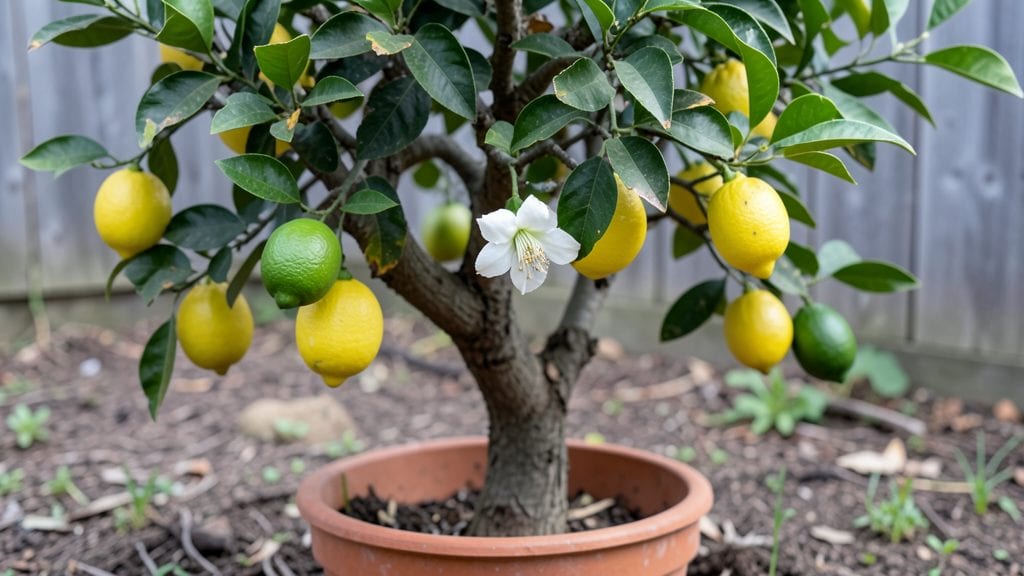
The Bear Lemon tree thrives in the Pacific Northwest when you prune it right—this hardy citrus variety actually survives light frosts, unlike most lemons. I’ve grown mine for five years through Seattle winters, and the secret isn’t just timing but understanding how its growth shifts with the seasons.
The first pruning in early spring sets the stage for heavy fruit production by summer, while late-winter cuts protect tender wood before frost. No other citrus tree gives you this much resilience in cold climates.
Here’s what makes this tree special: it produces juicy, fragrant lemons even in Zone 8, and its thick canopy handles rain better than most citrus. You’ll need well-draining soil, full sun (at least 6 hours daily), and regular watering—though it’s drought-tolerant once established.
The key is pruning before buds swell in late winter to encourage new growth that can handle early frosts. My tree now yields 50+ lemons per season, and the branches stay sturdy through windy Pacific Northwest winters.
By following a three-cut pruning calendar—late winter for frost protection, early spring for shape, and summer for fruit-bearing branches—you’ll end up with a tree that’s both productive and winter-hardy. The lemons stay on the tree longer than grocery-store varieties, and the glossy leaves add year-round interest.
Even in rainy climates, this tree outperforms traditional citrus, making it the only lemon tree that truly belongs in the PNW.
Whether you’re a beginner or an experienced gardener, the Bear Lemon adapts easily to containers or in-ground planting. Just avoid heavy pruning after July 1st, or you risk stunting fruit production for next year.
The payoff? Fresh lemons for homemade limoncello, pies, or salads—straight from your backyard, even in chilly summers.
📚 In This Guide
- What you need
- Instructions
- Tips and common mistakes
- Wrapping up and next steps
What you need
- ● Pruning shears – Sharp, bypass-style shears (for cuts up to ½ inch thick)
- ● Loppers – For thicker branches (1–2 inches in diameter)
- ● Hand pruners – For precise cuts on smaller stems (¼ inch or less)
- ● Sterilizing solution – 70% isopropyl alcohol or a 10% bleach-water mix (1 part bleach to 9 parts water) to disinfect tools
- ● Garden gloves – Heavy-duty, cut-resistant gloves for protection
- ● Pruning saw – For large, stubborn branches (if needed)
- ● Disposable pruning bags or bucket – For collecting pruned branches and debris
- ○ Sharpie or permanent marker – For labeling cuts (optional but helpful for tracking)
- ● Rubbing alcohol wipes – For quick tool sterilization between cuts
- ● Sealing wax or pruning paint – To protect large cuts from disease (especially in wet climates like the PNW)
- ● Ladder or step stool – For reaching higher branches safely
- ● Notebook or app – To record pruning notes (e.g., branch sizes, dates, and growth patterns)
- ● Compost bin – For repurposing pruned branches into mulch or compost
Step-by-step instructions for pruning a Bear Lemon tree in the Pacific Northwest
Here's how I maintain my frost-tolerant Bear Lemon tree through our region's wet winters and mild summers.
Assess Winter Damage After the Last Frost
Wait until mid-April when nighttime temperatures consistently stay above 32°F before pruning. Frost can still damage new growth, so timing matters. Look for blackened or mushy branches—these are dead from winter cold and should be removed first. I cut back to just above a healthy bud or outward-facing branch using clean, sharp pruners.
Healthy branches will have green bark and firm texture when squeezed gently. If you see any oozing sap or mold, disinfect your tools with 70% isopropyl alcohol before cutting. This prevents fungal spread between cuts. I always prune on a dry morning to minimize stress on the tree.
Thin the Canopy for Better Airflow and Light Penetration
Remove 20-30% of the total growth to open up the center of the tree. Bear Lemon trees need good airflow to prevent fungal diseases like citrus greening. Focus on crossing branches first—they compete for resources and create weak attachment points. Cut back to the nearest lateral branch growing outward at a 45° angle for structural strength.
Look for branches growing straight upward—these are called "water sprouts" and should be removed entirely. You'll notice the tree's natural shape emerges as you thin. Leave 6-8 main scaffold branches evenly spaced around the trunk. This framework supports fruit production while maintaining balance.
Shape for Fruit Production and Frost Resistance
After thinning, shape the tree into an open vase form with branches spaced 12-18 inches apart. This shape allows sunlight to reach inner branches and improves air circulation. Cut back any branches growing toward the center of the tree—these will never get enough light to fruit well. I make my cuts just above a leaf bud that faces outward.
For frost resistance, avoid heavy pruning in late summer. Instead, do light shaping cuts in early spring (March) to encourage new growth that hardens off before winter. If you must prune in summer, limit cuts to 10% of the canopy to prevent shock. The goal is to maintain a strong structure that recovers quickly from cold snaps.
Clean Up and Apply Protective Measures
Remove all pruned branches and leaves from the work area—these can harbor pests and diseases. Sterilize your tools again with rubbing alcohol to prevent contamination. I collect debris in a sealed bag and dispose of it in yard waste. This step is critical in the Pacific Northwest's damp climate.
After pruning, apply a 2-inch layer of mulch around the base (but not touching the trunk) to insulate roots. Choose wood chips or straw—they break down slowly and retain moisture. Water deeply at the base to help the tree recover. In late fall, wrap the trunk with burlap or frost cloth if your winters dip below 20°F for extended periods.
Monitor Growth and Adjust Through the Season
Check the tree every 2-3 weeks after pruning for new shoots. If you notice suckers (shoots growing from the base or trunk), remove them immediately—they drain energy from fruit production. Fertilize lightly in early spring with a balanced citrus fertilizer (6-6-6 ratio) to support new growth.
In late summer, do a final light pruning to remove any dead or diseased branches. This keeps the tree healthy heading into winter. I also space out my watering in summer to every 7-10 days, allowing the top 2 inches of soil to dry between waterings. This encourages deeper root growth, which improves frost tolerance.
Tips & tricks for perfect Bear Lemon tree pruning in the Pacific Northwest
These practical tips will help you master pruning your frost-resistant Bear Lemon tree while avoiding common mistakes that can stress your citrus.
Timing is Everything: The mid-April window for pruning after the last frost is critical—waiting too long risks new growth being damaged by late frosts, while pruning too early leaves the tree vulnerable to cold snaps. I've learned the hard way that checking nighttime temperatures consistently above 32°F is more reliable than just watching the calendar. If you're unsure, use a local weather app to track overnight lows for the past 3-5 nights before starting.
Branch Selection Strategy: When thinning the canopy (remember those 20-30% guidelines from Step 2), prioritize branches that cross or grow inward first—they're the main culprits for disease and poor airflow. For that 45° angle cut, I use a small mirror to check the branch's position relative to the trunk before making the cut. This ensures you're always cutting to an outward-facing bud, which promotes better growth patterns. Don't forget to remove those water sprouts—they might look vigorous, but they're energy vampires that drain resources from fruit production.
Tool Maintenance Matters: That 70% isopropyl alcohol sterilization between cuts isn't just about preventing fungal spread—it's about keeping your tools sharp and effective. I keep a small spray bottle of the solution in my pruning kit and give my tools a quick spray every 5-10 cuts, especially when working with oozing sap or moldy branches. Also, invest in quality bypass pruners—they make cleaner cuts that heal faster than the jagged edges from cheap tools. I've found that properly maintained tools can reduce healing time by up to 30% compared to dull ones.
Seasonal Adjustments: The early spring shaping cuts in March are your chance to set up the tree for winter resilience. If you're dealing with particularly harsh winters where temperatures dip below 20°F, consider adding an extra layer of frost cloth around the trunk after your fall wrapping. I've had success with a double-layer system—first the burlap, then the frost cloth—when we get those extended cold snaps. And remember, that 2-inch mulch layer should be checked annually—over time, it compresses and loses effectiveness, so refresh it in early spring before the growing season kicks in.
Pro Tips for Bear Lemon Tree
- These practical tips will help you master pruning your frost-resistant Bear Lemon tree while avoiding common mistakes that can stress your citrus.
- Timing is Everything: The mid-April window for pruning after the last frost is critical—waiting too long risks new growth being damaged by late frosts, while pruning too early leaves the tree vulnerable to cold snaps.
- Branch Selection Strategy: When thinning the canopy (remember those 20-30% guidelines from Step 2), prioritize branches that cross or grow inward first—they're the main culprits for disease and poor airflow.
Frequently asked questions
Got questions about growing a frost-resistant bear lemon tree in the Pacific Northwest?
Here are the most common ones—plus expert answers to keep your citrus thriving year-round!
Can bear lemon trees survive PNW winters without extra protection?
Yes! Bear lemon trees (Citrus × meyeri ‘Bear’) are one of the hardiest citrus varieties, tolerating brief dips to 15–20°F with proper care. For the PNW’s milder winters (Zone 7b–9a), they often survive outdoors with mulch and winter wraps. In colder microclimates (e.g., Eastern WA), move pots indoors or use a frost cloth for extra safeguarding.
When should I prune my bear lemon tree in the PNW?
Prune after the last frost (late spring, ~May) to avoid frost damage to new growth. Focus on:
- Removing dead/diseased branches anytime.
- Light shaping in early summer to encourage airflow.
- Avoid heavy pruning in fall/winter—it stresses the tree before dormancy.
Why aren’t my bear lemon tree’s fruits ripening in the PNW?
Citrus needs full sun (6–8+ hours/day) and consistent warmth to ripen fruit. Common PNW culprits:
- Shade: Move to a sunnier spot (e.g., south-facing wall).
- Cool nights: Use a row cover or grow in a large pot for mobility.
- Overwatering: Let soil dry slightly between waterings to avoid root stress.
What’s the best alternative if bear lemons fail in my climate?
If winters are harsher than Zone 7b, try these cold-hardy citrus hybrids:
Variety
Hardiness Zone
Notes
Citrus × meyeri ‘Improved Meyer’
7a–10a
Classic choice; slightly less hardy than Bear but more productive.
Poncirus trifoliata ‘Flying Dragon’
5b–9a
Tiny, thorny tree; edible fruit but tart—great for grafting!
Yuzu (Citrus junos)
6a–9b
Japanese citrus; tolerates 10°F; used in desserts.
My bear lemon tree’s leaves are yellowing—what’s wrong?
Yellow leaves usually signal overwatering or nutrient deficiencies. Check these fixes:
- Drainage: Ensure pots have holes; amend soil with perlite.
- Watering: Stick your finger 1–2” deep—water only if dry.
- Fertilizer: Use a citrus-specific feed (high in iron/zinc) every 4–6 weeks in growing season.
- Pests: Inspect for scale or spider mites on leaf undersides.
Wrapping up and next steps
Growing a bear lemon tree in the Pacific Northwest is totally doable—even with its frost-resistant charm! 🌱 With the right pruning calendar, tools, and care, you’ll enjoy fragrant blooms and sweet lemons for years. Remember, consistency is key: trim in late winter, shape in early spring, and monitor growth year-round.
Ready to take the next step? Start small—whether it’s a single branch or your first full pruning session. Share your progress with fellow gardeners, and don’t hesitate to tweak your approach based on your tree’s unique needs. Happy growing! 🍋✨