
Pruning
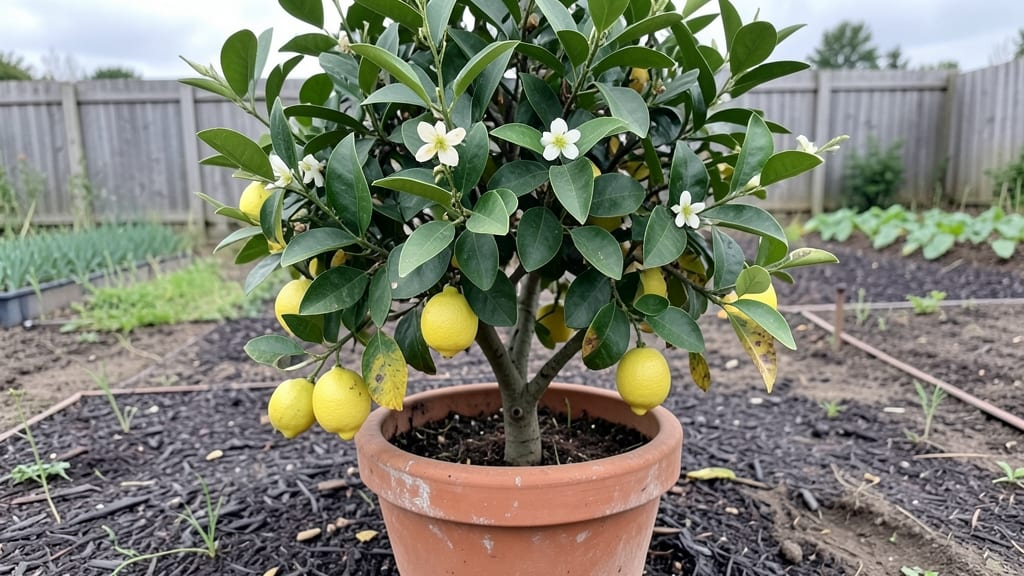
A small lemon tree in pot isn’t just possible—it’s the secret to fresh lemons year-round, even on a tiny balcony. 🌿 I’ve grown mine for five years now, and the key isn’t fancy pruning or expensive soil, but matching the tree’s needs to its environment.
The right dwarf variety, a sturdy container, and a few simple habits make all the difference.
You’ll need a 15-20 gallon container with drainage holes, well-draining soil, and a sunny spot (6+ hours of light daily). Indoor trees need bright windows or grow lights, while outdoor trees thrive on patios or decks.
Water when the top inch of soil feels dry, and fertilize monthly during growing seasons with citrus-specific food. Minimal pruning keeps the tree compact and encourages fruiting.
By summer’s end, you’ll be harvesting bright, fragrant lemons—sweet enough to eat straight off the tree. The tree stays manageable (under 6 feet tall), and with proper care, it produces for decades.
Even in winter, a well-tended potted lemon tree keeps its glossy leaves and holds the promise of next year’s harvest.
Whether you’re growing indoors near a sunny window or outdoors on a balcony, the same principles apply. The biggest mistake? Overwatering or underlighting. Stick with these basics, and you’ll have a thriving citrus tree that outlasts any store-bought lemons—and tastes far better. Let’s get those roots growing!
📚 In This Guide
- What you need
- Instructions
- Tips and common mistakes
- Wrapping up and next steps
What you need
- ● Lemon tree variety: Dwarf or Meyer lemon (best for pots—look for Citrus × meyeri or Citrus × limon 'Improved Meyer').
- ● Pot: 12–18" diameter (minimum) with drainage holes. Terracotta or ceramic is ideal for breathability.
- ● Potting mix: 3–5 gallons of well-draining citrus mix (or DIY: 60% peat moss/coco coir, 20% perlite, 20% sand).
- ● Drainage layer: 1–2" of gravel, pumice, or expanded clay pellets at the pot’s bottom.
- ● Fertilizer: Slow-release citrus fertilizer (e.g., Espoma Citrus-Tone) or liquid feed (20-20-20 or 10-10-10).
- ● Pruning tools: Bypass pruners (for clean cuts)
- ● Sterilized sharp knife or shears (for detailed trimming)
- ○ Support (optional but helpful): Small stake or trellis for young trees to encourage upright growth.
- ● Watering can: With a narrow spout for deep watering (avoid overhead spraying).
- ● pH test kit: To monitor soil acidity (ideal range: 6.0–7.0).
- ○ Mulch (optional): Orchid bark or shredded leaves to retain moisture.
- ● Gloves: Heavy-duty for handling thorns and soil.
- ● Spray bottle: For misting leaves in dry climates.
- ● Grow lights (indoor only): LED full-spectrum bulb (12–14 hrs/day) if natural light is insufficient.
- ● Access to 6+ hours of sunlight daily (south-facing window or outdoor spot).
- ● Consistent temperature control: Keep above 40°F (4°C); avoid drafts or extreme heat.
- ● Patience! Lemon trees in pots take 2–5 years to bear fruit.
How to grow a thriving small lemon tree in pots
Here's the straightforward method I've used to keep potted lemon trees producing fruit for years—no green thumb required.
🪴 Step 1: Choose the Right Pot and Drainage
Start with a pot that's at least 12 inches wide and has drainage holes—lemon trees hate soggy roots. I like ceramic pots because they breathe better than plastic, but make sure the holes aren't too large or soil will wash out. For the first year, a 15-gallon container gives enough room for roots to establish without becoming root-bound too quickly.
Add a layer of 1-2 inches of gravel or broken pottery at the bottom before filling with soil. This creates an air gap that prevents waterlogging, which is the #1 killer of potted citrus. If your pot lacks drainage, consider a cache pot system—place the lemon tree in a smaller pot with drainage, then set that inside a decorative outer pot without holes.
🌱 Step 2: Use the Perfect Soil Mix
Lemon trees need soil that drains well but retains enough moisture to stay slightly damp. Mix two parts potting soil with one part perlite or coarse sand and one part compost. This blend prevents compaction while providing nutrients. Avoid garden soil—it compacts in pots and suffocates roots.
Fill the pot about 2/3 full with your mix, then tap the pot gently on the table to settle the soil. Leave about 1 inch of space at the top for watering. I like to add a handful of citrus-specific fertilizer at this stage to give the tree a nutrient boost right away.
☀️ Step 3: Plant and Position for Light
Remove the lemon tree from its nursery pot and gently loosen the roots if they're circling. Place it in the center of your prepared pot and fill around the base with more soil mix, pressing lightly to eliminate air pockets. Water thoroughly until water runs out the drainage holes—this helps settle the soil and removes any air gaps.
Lemon trees need 6-8 hours of direct sunlight daily. Place your pot near a south-facing window or under a grow light if natural light is insufficient. In winter, supplement with a full-spectrum LED grow light for 12-14 hours per day. Watch for leaves turning yellow or dropping—this usually means the tree isn't getting enough light.
💧 Step 4: Water and Fertilize Consistently
Water your lemon tree when the top 1-2 inches of soil feel dry. Stick your finger in the soil to check—if it's damp below that depth, wait another day. Overwatering is worse than underwatering for citrus. In summer, you might water every 3-4 days, while winter watering could drop to once a week.
Feed your tree with a citrus-specific fertilizer every 4-6 weeks during the growing season (spring through fall). I use a balanced 10-10-10 formula diluted to half strength. Stop fertilizing in late fall to let the tree rest. Yellow leaves can signal over-fertilizing—flush the soil with water if you suspect this is the issue.
✂️ Step 5: Prune and Maintain Year-Round
Prune your lemon tree in late winter or early spring before new growth begins. Remove any dead, diseased, or crossing branches with clean, sharp pruners. Cut just above a leaf node at a 45-degree angle. This encourages bushier growth and better fruit production. Never prune more than 25% of the tree at once—this stresses the plant.
Rotate the pot a quarter turn every few weeks so the tree grows evenly toward the light. Dust the leaves occasionally with a damp cloth to help them absorb sunlight. If you notice buds forming, you're doing great—lemon trees typically take 2-3 years to bear fruit in pots, but with proper care, they can produce for decades.
Tips & tricks for perfect small lemon tree care in pots
Growing a thriving lemon tree in pots takes patience and a few key tricks to avoid common pitfalls that can stunt growth or kill your tree.
Pot Size Matters: In Step 1, when you're selecting your 12-inch pot, remember that lemon trees grow slowly but steadily. After the first year, you'll need to upgrade to a 15- to 20-gallon container every 2-3 years to accommodate root growth. The extra space prevents root-bound stress, which can lead to yellow leaves and poor fruit production. I've seen trees thrive in 15-gallon pots for years, but they'll reward you with more fruit when given room to grow.
Lighting Strategy: The 6-8 hours of direct sunlight in Step 3 is non-negotiable, but don't assume your south-facing window provides enough. In winter, when days are shorter, supplement with a full-spectrum LED grow light for the full 12-14 hours. I place mine 6-12 inches above the tree and adjust the height as the tree grows. Watch for leaves growing toward the light—this means your tree is stretching and needs more even exposure.
Watering Wisdom: Step 4 emphasizes checking the top 1-2 inches of soil, but here's the thing: citrus trees actually prefer slightly drier conditions. Let the soil dry out completely between waterings, especially in winter when growth slows. I use my finger to test moisture at 2 inches deep—if it's damp, wait another day. Overwatering is the silent killer of potted citrus, causing root rot that you might not notice until it's too late.
Fertilizer Timing: When you add that citrus-specific fertilizer in Step 2 and Step 4, remember that timing is everything. Start fertilizing in early spring when new growth begins and stop in late fall before dormancy. I've made the mistake of fertilizing in winter, which burned my tree's roots. Also, always dilute to half strength—citrus trees are sensitive to salt buildup from concentrated fertilizers.
Pro Tips for Small Lemon Tree In Pot
- Growing a thriving lemon tree in pots takes patience and a few key tricks to avoid common pitfalls that can stunt growth or kill your tree.
- Pot Size Matters: In Step 1, when you're selecting your 12-inch pot, remember that lemon trees grow slowly but steadily.
- Lighting Strategy: The 6-8 hours of direct sunlight in Step 3 is non-negotiable, but don't assume your south-facing window provides enough.
Frequently asked questions
Got questions about keeping your small lemon tree in a pot thriving? You’re not alone! Here are answers to the most common queries—from pruning to pests and everything in between.
How often should I prune a potted lemon tree?
Prune your lemon tree lightly every 3–6 months to encourage bushiness and fruit production. Focus on removing dead, crossing, or overcrowded branches. Avoid heavy pruning—just trim back by 10–25% of the plant’s size. Timing matters too!
When is the best time to prune a lemon tree in a pot?
Prune late winter or early spring (just before new growth starts) for best results. Avoid pruning in fall or winter when the tree is dormant. If you spot dead branches anytime, remove them immediately to prevent pests. Pro tip: Use sterilized tools to avoid disease!
What should I do if my potted lemon tree gets pests?
Common pests like aphids or spider mites? Start with a mild soap spray (1 tsp dish soap + 1 quart water). For scale insects, wipe branches with rubbing alcohol (70% isopropyl). If infestations persist, use neem oil or insecticidal soap. Prevention tip: Keep your tree healthy with proper watering and sunlight!
Can a lemon tree in a pot survive indoors year-round?
Yes! But it needs 6+ hours of sunlight daily (south-facing window or grow lights). Indoor lemon trees may fruit less than outdoor ones, but they can thrive with patience. Bonus: Rotate the pot monthly for even growth.
What’s the best pot size for a small lemon tree?
Start with a 5–7 gallon pot for young trees (1–3 years old). Mature trees need 10+ gallons to prevent root-bound stress. Ensure pots have drainage holes—root rot is a silent killer! Repot every 2–3 years or when roots circle the bottom.
Will my potted lemon tree ever produce fruit?
With patience and care, yes! Dwarf varieties (like ‘Meyer’ or ‘Improved Meyer’) can fruit in 2–5 years. Ensure full sun, proper pruning, and balanced fertilizer (high in nitrogen when young, switch to citrus-specific feed for fruiting). Fun fact: Hand-pollinate flowers with a soft brush for better yields!
Wrapping up and next steps
Growing a small lemon tree in a pot is a rewarding journey that brings year-round citrus joy with minimal effort! With the right tools, a little patience, and smart pruning techniques, you’ll enjoy fresh lemons and lush foliage—even in small spaces. 🌱
Ready to take the next step? Start by observing your tree’s growth and pruning just enough to encourage health and productivity. Need more confidence? Bookmark this guide or share your progress with fellow plant lovers—your citrus adventure is just beginning! 🍋✨