
Trees
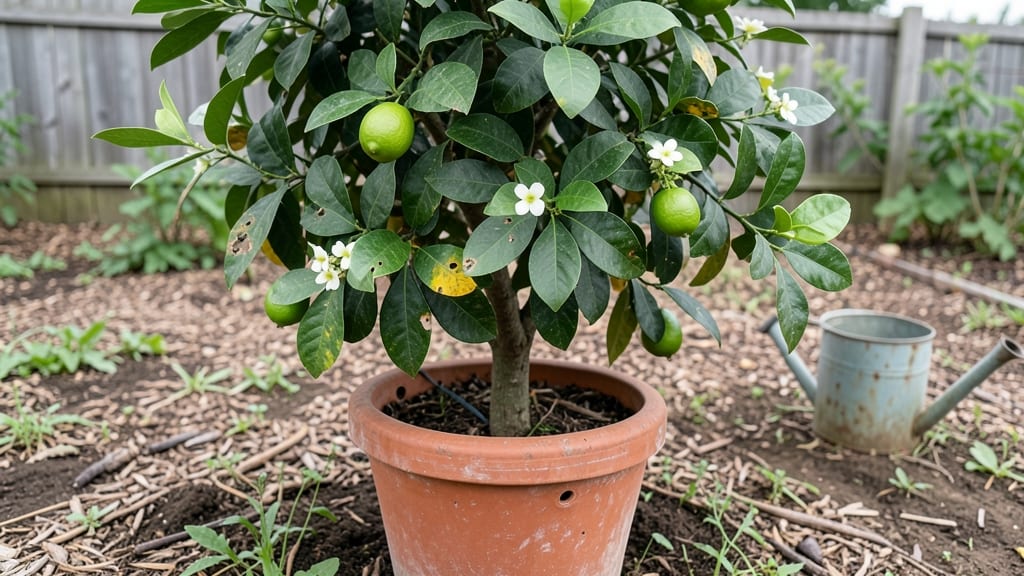
Looking after lemon trees in pots is easier than you think—you can grow citrus year-round, even on a balcony or patio, with no backyard required. 🌱 I’ve nursed my Meyer lemon tree from a sad nursery plant to a fruit-bearing beauty by mastering just a few key habits: well-draining soil, winter protection, and a strict watering schedule that mimics the Mediterranean climate they crave.
The secret isn’t complicated: well-draining potting mix, a 10-15 gallon container, and 6+ hours of sunlight daily are non-negotiable. My tree thrives in a sunny spot with occasional pruning to keep it compact, and I fertilize lightly every 4-6 weeks during growing season.
The real magic happens when you adjust care for seasons—winter means less water, summer means more shade from intense afternoon sun.
By spring, you’ll see glossy new leaves and tiny blossoms that eventually turn into sweet, fragrant lemons. The first harvest is the most rewarding part—imagine plucking fruit from your own pot! With the right setup, your tree will keep producing for years, even indoors near a bright window.
Whether you’re dealing with root-bound plants, yellowing leaves, or no fruit, I’ve got solutions that work. Let’s get your lemon tree thriving—no citrus-growing experience required.
📚 In This Guide
- What you need
- Instructions
- Tips and common mistakes
- Wrapping up and next steps
What you need
- ● Pot: A durable, well-draining container (minimum 12–15 inches in diameter for dwarf varieties; larger for standard trees). Opt for terracotta, ceramic, or high-quality plastic with drainage holes (or drill them yourself!).
- ● Potting Mix: A well-draining, slightly acidic mix (pH 6.0–7.0). Use a blend of: 60% cactus/succulent mix (or regular potting soil)
- ● 30% perlite or coarse sand (for aeration)
- ● 10% compost or worm castings (for nutrients)
- ● Lemon Tree: A healthy dwarf Meyer lemon (easier for pots!) or standard lemon tree (if you have space). Choose a 1–3-year-old sapling from a nursery.
- ● Fertilizer: Balanced citrus fertilizer (e.g., 10-10-10 or 8-3-9) for spring/summer (every 4–6 weeks).
- ○ Slow-release granules (like Osmocote) for winter dormancy (optional but helpful).
- ● Mulch: Organic mulch (e.g., straw, bark chips) to retain moisture and regulate soil temp (apply 1–2 inches around the base, avoiding the trunk).
- ● Watering Can: A spouted can with a rose attachment for gentle, deep watering.
- ● Pruning Tools: Bypass pruners (for clean cuts)
- ● Sterilizing solution (rubbing alcohol or bleach) to prevent disease.
- ● Drip Irrigation Kit: For automated, consistent watering (great for busy gardeners!).
- ● Soil Moisture Meter: To check moisture levels before watering (prevents over/under-watering).
- ● Citrus-Specific Spray: Like neem oil or copper fungicide (for pest/disease prevention).
- ● Support Stakes: If your tree grows tall—use bamboo stakes and soft ties for stability.
- ● Grow Lights: A full-spectrum LED (if indoors and sunlight is limited).
Instructions for year-round lemon tree care in pots
Here’s the method I’ve used for decades to keep potted lemon trees lush, fruiting, and thriving indoors or on patios.
🪴 Step 1: Choose the Right Container and Drainage
Lemon trees need 12-18 inches of depth for strong root systems, so a 5-gallon pot is the minimum for a mature tree. I always use unglazed terra cotta—it breathes, preventing root rot from overwatering. If you’re repotting, go up 2-3 inches in diameter each time, but never more than 3 inches wider than the current pot. This prevents root shock and encourages fruiting.
Critical detail: Drainage holes are non-negotiable. If your pot lacks them, drill at least 4 holes in the bottom. Place a 1-inch layer of gravel or broken pottery over the holes to keep soil from clogging them. Lemon trees despise soggy roots—yellowing leaves or wilting are the first signs of overwatering.
☀️ Step 2: Position for Maximum Light Without Scorching
Lemon trees crave 6-8 hours of direct sun daily, but morning sun is gentler than harsh afternoon rays. Place your tree near a south- or west-facing window where it gets bright, indirect light most of the day. If you’re using grow lights, position them 12-18 inches above the tree for 14-16 hours of light daily—this mimics long summer days and prevents leggy growth.
Watch for leaf burn—tiny brown spots on leaves mean your tree is getting too much direct sun. If this happens, move it back 6-12 inches or filter the light with a sheer curtain. In winter, supplement with a full-spectrum LED grow light to maintain growth during short days.
💧 Step 3: Water Deeply and Only When Necessary
Lemon trees in pots dry out faster than in-ground trees, so check moisture every 3-5 days by sticking your finger 2 inches into the soil. If it feels dry, water deeply until water runs out the drainage holes—this encourages roots to grow downward for stability. I use room-temperature water (cold water shocks roots) and avoid wetting the leaves to prevent fungal diseases like citrus greening.
Here’s the trick: Let the top 2-3 inches of soil dry completely before watering again. Overwatering is the #1 killer of potted lemon trees—roots need oxygen, not a swampy environment. If the soil stays wet for more than a day, reduce watering immediately. In winter, you’ll water half as often as in summer.
✂️ Step 4: Prune for Shape and Health Twice a Year
Prune once in late winter (just before new growth starts) and again in early summer after fruiting begins. Remove dead, crossing, or inward-growing branches first—these compete for energy and block airflow. Cut back overly long branches by one-third to encourage bushier growth. I always use sterilized pruning shears to prevent disease spread.
Never prune more than 25% of the tree at once—this stresses the plant and reduces fruiting. After pruning, feed with a balanced citrus fertilizer (10-10-10 or 8-3-9) to compensate for the energy loss. Watch for new growth within 4-6 weeks—this tells you the tree is recovering well.
🌿 Step 5: Feed and Protect Through the Seasons
Fertilize every 4-6 weeks in spring and summer with a citrus-specific fertilizer (high in nitrogen for growth, but balanced for fruiting). In fall and winter, cut back to once every 8-10 weeks—the tree’s growth slows, and too much fertilizer burns roots. I mix ½ teaspoon of Epsom salt into the soil monthly in spring to prevent magnesium deficiency (yellowing between leaf veins).
Watch for pests like aphids or scale—wipe leaves with a soapy water spray (1 tsp mild soap per quart of water) at the first sign of sticky residue. In winter, bring potted lemon trees indoors if temperatures drop below 40°F—they’re tender and won’t survive frost. If you’re keeping them outside in mild climates, mulch the pot with 2 inches of straw to insulate roots.
Tips & tricks for perfect year-round lemon tree care
Lemon trees in pots can thrive with the right approach—here are the game-changing tips that’ll keep yours healthy and productive all year.
Container Upgrade Strategy: If you're using a plastic pot, consider transitioning to unglazed terra cotta as your tree matures. The porous material helps regulate moisture, preventing the root rot that's so common with plastic containers. For established trees, I've seen dramatic improvements in health within just a few weeks after repotting. The key is to do this gradually—go up 2-3 inches in diameter each time you repot, but never more than 3 inches wider than the current pot to avoid shocking the roots.
Light Optimization Hack: When positioning your lemon tree for that critical 6-8 hours of direct sun, pay special attention to the time of day. Morning sun is far gentler than afternoon rays, so if you notice leaf burn starting to appear, move the tree back 6-12 inches from the window or use a sheer curtain to diffuse the light. In winter, supplement with a full-spectrum LED grow light positioned 12-18 inches above the tree for 14-16 hours daily—this mimics summer conditions and prevents that leggy growth that signals light deprivation.
Watering Wisdom: The 2-inch soil test is your best friend—stick your finger into the soil to check moisture every 3-5 days. When the top 2-3 inches feel completely dry, it's time to water deeply until you see water running out the drainage holes. This method encourages roots to grow downward for better stability. Pro tip: Use room-temperature water (cold water can shock the roots) and avoid wetting the leaves to prevent fungal diseases like citrus greening. In winter, you'll find you're watering half as often as in summer.
Seasonal Care Calendar: Create a simple seasonal checklist to keep your lemon tree thriving. In spring and summer, fertilize every 4-6 weeks with citrus-specific fertilizer, and mix in ½ teaspoon of Epsom salt monthly to prevent magnesium deficiency. In fall and winter, cut back to once every 8-10 weeks—over-fertilizing in cooler months can actually burn the roots. Remember that 40°F temperature threshold: if you're in a colder climate, bring your tree indoors before frost hits to protect those tender roots.
Pro Tips for Looking After Lemon Trees In Pots
- Lemon trees in pots can thrive with the right approach—here are the game-changing tips that’ll keep yours healthy and productive all year.
- Container Upgrade Strategy: If you're using a plastic pot, consider transitioning to unglazed terra cotta as your tree matures.
- Light Optimization Hack: When positioning your lemon tree for that critical 6-8 hours of direct sun, pay special attention to the time of day.
Frequently asked questions
Can lemon trees in pots survive winter?
Yes! Lemon trees are tender but can thrive in pots with the right care. Move them indoors (or to a sheltered spot) when temperatures drop below 40°F (4°C). Ensure they get bright, indirect light and reduce watering—overwatering in winter is a common mistake. A sunny windowsill or greenhouse works perfectly!
How often should I fertilize a potted lemon tree?
Feed your lemon tree every 4–6 weeks during spring and summer with a balanced citrus fertilizer (high in nitrogen, phosphorus, and potassium). In fall and winter, cut back to once every 2–3 months or use a slow-release fertilizer. Pro tip: Flush the soil with water monthly to prevent salt buildup from fertilizers!
What are the most common pests for potted lemon trees?
Watch out for spider mites, aphids, and scale insects—they love lemon trees! If you spot sticky residue (honeydew) or tiny webs, wipe leaves with soapy water or spray with neem oil. For severe infestations, isolate the plant and treat with insecticidal soap. Prevention? Keep your tree well-watered and dust-free!
How long does it take for a potted lemon tree to bear fruit?
Patience is key! Dwarf varieties (like Meyer lemons) may fruit in 2–3 years with proper care, while standard types can take 4–6 years. Ensure your tree gets 6+ hours of sunlight daily, consistent watering, and regular pruning to encourage blooming. Fun fact: Female trees need cross-pollination—plant a second tree nearby if yours isn’t fruiting!
Can I grow a lemon tree from a store-bought lemon?
Cut a lemon in half, plant the seeds ½-inch deep in moist potting mix, and keep it warm (around 70°F/21°C). Germination takes 2–4 weeks, but be warned: Seed-grown trees may take decades to fruit and won’t be true to the parent variety. For faster results, buy a grafted dwarf tree instead!
Wrapping up and next steps
Caring for lemon trees in pots is totally doable—even for beginners! With the right sunlight, soil, and watering routine, your citrus tree can thrive year-round and reward you with delicious lemons. 🍋 Start small, stay consistent, and don’t hesitate to troubleshoot issues like pests or yellowing leaves.
Ready to take the next step? Grab your potting supplies, pick a sunny spot, and plant that tree today—your future lemon harvest starts now!