
Pruning
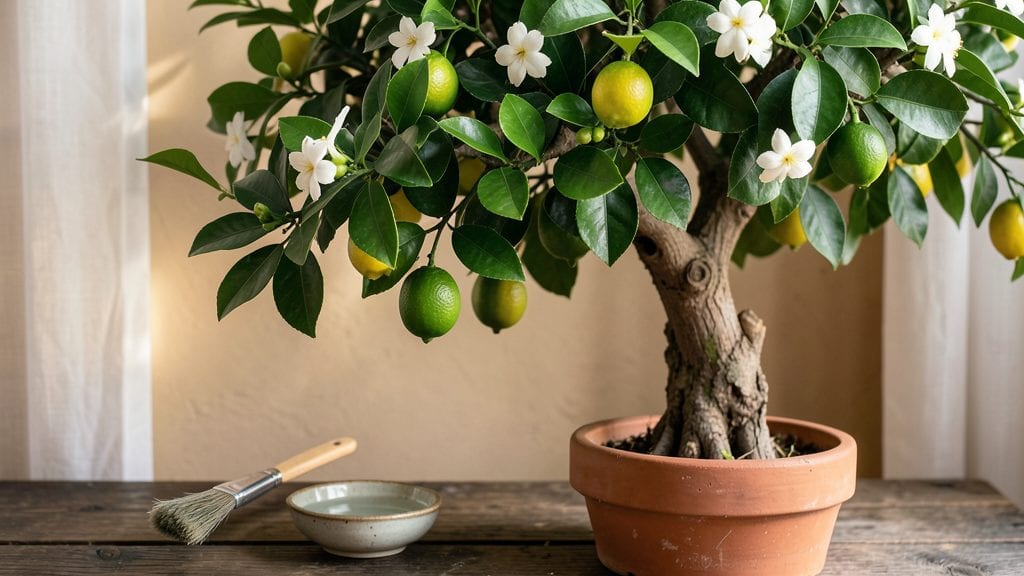
Pollinating an indoor lemon tree isn’t as tricky as it sounds—it’s the secret to turning those fragrant white blossoms into juicy, homegrown lemons. 🌱 I’ve watched my own citrus tree go from blooming beautifully to barely setting fruit, and the difference was simply giving those flowers a little help.
The process is gentle, takes just a few minutes, and makes all the difference between a handful of fruit and a full harvest.
You only need two things: a small paintbrush or cotton swab, and patience. The best time to pollinate is mid-morning when flowers are fresh and sticky pollen is ready to transfer. Look for fully open blossoms—they’re the ones ready to become fruit.
This isn’t rocket science, but it does require a light touch to avoid damaging delicate petals, so take your time and work slowly.
Once you’ve mastered the technique, you’ll see the magic unfold in weeks. Those tiny green fruits will swell into proper lemons, and your kitchen will smell like a Mediterranean orchard.
The key is consistency—pollinate every few days during bloom season, and you’ll be rewarded with a harvest that puts store-bought fruit to shame.
Even if you’ve never done this before, the method is foolproof. Start with just a few flowers, and soon you’ll be confident enough to pollinate the whole tree.
Before you know it, you’ll have lemons dripping from branches you thought were just for looks—and that’s when you’ll realize how simple a little extra care can change everything.
📚 In This Guide
- What you need
- Instructions
- Tips and common mistakes
- Wrapping up and next steps
What you need
- ● Soft-bristle paintbrush (size 000 or smaller, for precision) – 1-2
- ● Fine mist spray bottle (with water) – 1 (to dampen flowers)
- ○ Magnifying glass or loupe (optional but helpful for spotting tiny stamens) – 1
- ● Notebook & pen (to track blooms and pollination dates) – 1 each
- ● Small paintbrush with a fine tip (for stubborn stamens)
- ● Honey or sugar water (diluted, to attract pollinators if you’re experimenting)
- ● Gloves (if you’re sensitive to pollen or sap)
- ● Timer (to track how long you spend on each flower)
Step-by-Step guide to hand-pollinating your indoor lemon tree
Sweet, homegrown lemons start with this simple trick—no bees required.
🌿 Step 1: Identify Flowers Ready for Pollination
Wait until your lemon tree produces white, fully open blossoms with visible stamens (the yellow pollen-covered parts) and pistils (the central green structure). Flowers usually open in the morning, so check daily. I look for three to five fresh blooms on a single branch—this gives me enough flowers to work with without overwhelming the tree.
Gently examine each flower with a magnifying glass if needed. The pistil should be slightly sticky at the tip, indicating it's receptive to pollen. Avoid flowers that are drooping or brown-edged—these won't produce fruit even if pollinated. Healthy flowers smell sweetly citrusy, which is your first clue they're ready.
✂️ Step 2: Collect and Transfer Pollen
Use a soft-bristled paintbrush (like a makeup brush) to collect pollen. Dip the brush into a flower's stamens until the bristles are lightly dusted yellow. I always start with the oldest open flowers first—they've had more time to mature pollen. Avoid pressing too hard; you want to gather pollen, not crush the stamens.
Move to a different flower on the same branch and gently stroke the brush over the pistil. Do this three to five times per flower to ensure thorough coverage. I like to work in small batches—pollinating five flowers at a time keeps the process manageable and prevents pollen from drying out on the brush. If you notice pollen clumping on the brush, lightly tap it against the side of a clean container to break it up.
🌱 Step 3: Repeat Daily for Maximum Fruit Set
Pollinate every morning for 3-5 days after the first flowers open. Lemon trees produce new blooms in waves, so repeat the process whenever you see fresh white flowers. I keep a small notebook nearby to track which branches I've pollinated—some flowers take 7-10 days to show signs of fruit, so consistency is key.
Watch for tiny green swellings at the base of the flower where the pistil was. These are your first signs of successful pollination. If you see dropped petals within a week, that's another good indicator—it means the flower has been fertilized and is developing fruit. Avoid over-pollinating; five to seven flowers per branch is plenty for a healthy indoor tree.
☀️ Step 4: Support Fruit Development with Light and Care
After pollination, move your tree to the brightest spot you have—6+ hours of sunlight daily is critical now. Indoor grow lights work if natural light is limited, but keep them 12-18 inches away to avoid leaf burn. I notice my tree's leaves darken slightly and new growth appears more vigorous within a few weeks of consistent light.
Water deeply once a week (when the top 2 inches of soil feel dry), but avoid letting water touch the leaves or fruit. Overwatering now can cause blossom end rot in developing lemons. If you see yellowing leaves, it's usually a sign of overwatering—adjust your schedule immediately. Fertilize lightly with a balanced citrus fertilizer every 4-6 weeks to support fruit growth.
⏰ Step 5: Monitor and Thin Fruit for Best Results
After 8-12 weeks, you'll see small lemons forming. This is when I thin the fruit—removing some to give the remaining ones space to grow larger. I leave one lemon per branch (or two if the branch is long) and snip the rest with clean pruning shears. Thinning reduces competition for nutrients and helps prevent branches from breaking under the weight.
Keep an eye out for pests like aphids or scale—they love new citrus growth. Wipe leaves with a soapy water cloth weekly to prevent infestations. Mature lemons typically take 6-9 months to ripen indoors, so patience is key. When the fruit turns fully yellow and feels slightly soft when gently squeezed, it's ready to pick—usually in late fall or winter.
Tips & tricks for perfect indoor lemon tree pollination
A few simple tricks will help you maximize your lemon tree's fruit production and avoid common pitfalls.
Timing is Everything: In Step 1, check flowers in the morning when they're fully open and fresh. Pollen is most potent during these peak hours, and the pistils are most receptive. I've found that flowers pollinated in the morning have a higher success rate for fruit set. If you miss morning, late afternoon works too, but morning is ideal.
Brush Selection Matters: For Step 2, choose a soft-bristled brush specifically for pollination—makeup brushes or clean paintbrushes work well. Avoid stiff brushes that can damage delicate stamens. I keep a dedicated brush in my gardening kit just for this purpose. If you notice pollen clumping, gently tap the brush against a clean container to break up the clumps before transferring.
Consistency Wins Fruit: The 3-5 days of daily pollination in Step 3 is non-negotiable. Lemon trees produce pollen in waves, and consistent pollination ensures maximum fruit set. I mark my calendar with reminders to avoid missing days. If you see new blooms appear, start the process again immediately—these new flowers need their own pollination cycle.
Light and Patience Pay Off: After pollination, Step 4's emphasis on light can't be overstated. Place your tree near a south-facing window or use a grow light for 6+ hours daily. I've noticed that trees with consistent light produce fruit that's noticeably larger and sweeter. Remember that indoor lemons take 6-9 months to ripen—patience is key, but the reward is worth it.
Pro Tips for Pollinate An Indoor Lemon Tree
- A few simple tricks will help you maximize your lemon tree's fruit production and avoid common pitfalls.
- Timing is Everything: In Step 1, check flowers in the morning when they're fully open and fresh.
- Brush Selection Matters: For Step 2, choose a soft-bristled brush specifically for pollination—makeup brushes or clean paintbrushes work well.
Frequently asked questions
Got questions about pollinating your indoor lemon tree? You’re not alone! Here are some of the most common concerns—and straightforward answers to help you grow those juicy lemons like a pro.
How do I know if my lemon tree is ready for pollination?
Your tree is ready when it blooms with white or pale pink flowers (usually in spring or early summer). Look for fully open blossoms with visible stamens (the fuzzy, pollen-covered parts). Avoid pollinating buds that haven’t opened yet—they won’t produce fruit.
How long does it take for pollinated flowers to turn into lemons?
After successful pollination, flowers will drop within 3–5 days if they don’t set fruit. If they stay on the tree, tiny green lemons (called “buttons”) appear in 4–6 weeks. Full-sized fruit takes 6–12 months to ripen, depending on your tree’s variety and care.
Can I use bees or a small brush instead of hand-pollinating?
If you have indoor-friendly bees (like mason bees in a controlled greenhouse), they’ll do the job naturally. A soft paintbrush or cotton swab works too—just gently transfer pollen from stamen to stigma. For extra efficiency, pollinate morning flowers first (they release pollen early).
Why aren’t my pollinated flowers turning into fruit?
Common culprits include:
- Low humidity (lemon trees thrive at 50–60% humidity; use a humidifier).
- Poor light (6+ hours of bright, indirect sunlight daily).
- Overwatering or underwatering (let soil dry slightly between waterings).
- Young tree (trees under 3 years old may need patience—focus on care first!).
Will my indoor lemon tree produce fruit every year?
With consistent care, yes! Lemon trees can fruit annually, but heavy fruiting may drain the tree if it’s small. After your first harvest, prune lightly to balance growth and fruit production. Rotate fruit-bearing branches to encourage even blooming next season.
Wrapping up and next steps
Pollinating your indoor lemon tree is a rewarding process that brings you one step closer to homegrown, juicy lemons! 🍋 With the right tools, patience, and a little creativity, you can mimic nature and encourage fruit production—even inside your home.
Now that you’ve mastered the hand-crossing technique and understand the best timing and care tips, it’s time to watch, wait, and enjoy the process.
Your next logical step? Monitor your tree! Keep an eye out for tiny, marble-sized fruit forming over the next few weeks. If you spot any, you’re on your way to a bountiful harvest.
Need more guidance? Dive into our indoor citrus care guide to keep your tree thriving all year round.