
Pruning
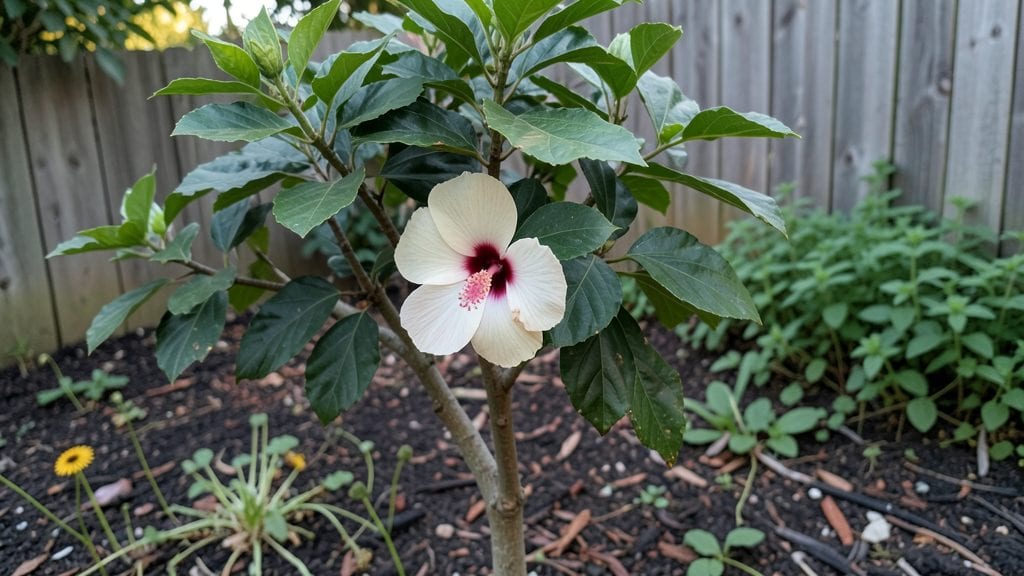
A single hibiscus tree can transform your Pacific Northwest garden into a hummingbird magnet year-round. 🌿 I planted mine three years ago, and the difference in my yard’s energy—both from the birds and the blooms—has been staggering.
The glossy leaves and bold flowers create a tropical vibe even in cooler climates, while the nectar keeps hummingbirds buzzing from spring through fall.
This isn’t just a pretty plant—it’s a design anchor that works in small spaces, patios, or as a dramatic focal point near entryways.
Pair it with drought-tolerant companions like ornamental grasses or succulents to highlight its tropical allure, or let it stand alone as a living sculpture that draws the eye.
The key is placement: full sun for at least six hours daily, and protection from harsh winter winds to keep the foliage intact.
With the right pruning, you’ll shape it into a showstopper—think rounded canopies or sculptural forms that frame your outdoor space. I prune lightly in late winter to encourage new growth, then do minimal shaping in summer to maintain its natural elegance.
The result? A tree that blooms reliably, attracts wildlife, and becomes the heart of your garden’s story.
Whether you’re working with a tiny urban yard or a sprawling landscape, this hibiscus adapts beautifully. The secret is balancing its tropical roots with PNW resilience—mulch well, water consistently, and watch it thrive. Ready to make yours the talk of the neighborhood?
📚 In This Guide
- What you need
- Instructions
- Tips and common mistakes
- Wrapping up and next steps
What you need
- ● Pruning shears: Bypass pruners (sharp, clean, and sterilized with rubbing alcohol to prevent disease spread). Recommended: Felco F-2 or similar.
- ● Hand pruners: For smaller branches (1/4" to 3/4" thick). Example: Corona Classic.
- ● Loppers: For thicker branches (up to 2" in diameter). Example: Fiskars X27.
- ● Gloves: Heavy-duty gardening gloves (cut-resistant for safety). Example: Mechanix Wear.
- ● Disposable pruning bags: 2-3 bags (for collecting and disposing of pruned branches).
- ● Hose with nozzle: For cleaning tools and rinsing sap off pruners.
- ● Rubbing alcohol (70% isopropyl): Small bottle (for sterilizing tools between cuts).
- ○ Pruning sealant (optional but helpful): For larger cuts (e.g., Tree Seal by Ortho).
- ● Ladder or step stool: If your hibiscus tree is taller than 6 feet (ensure it’s stable and non-slip).
- ● Notebook & pencil: To jot down notes on pruning decisions or track growth.
- ● Safety glasses: Protect your eyes from debris.
- ● Long sleeves & pants: For added protection against thorns or sap.
- ● Sharpie or marker: To label branches if you’re experimenting with different pruning techniques.
- ● Compost bin or wheelbarrow: For hauling away larger pruned branches.
- ● Hummingbird-friendly fertilizer: Post-pruning boost (e.g., Espoma Garden-Tone).
How to plant and maintain a single hibiscus tree for year-round hummingbird visits
Here's my foolproof method for growing a stunning hibiscus that thrives in the Pacific Northwest's mild climate.
🌱 Step 1: Choose the Right Variety and Planting Location
Select a hardy hibiscus variety like Hibiscus moscheutos (swamp hibiscus) or Hibiscus syriacus (rose of Sharon), both of which tolerate cooler temperatures better than tropical species. These varieties handle the Pacific Northwest's 40-80°F range with ease.
Plant your hibiscus in a location with full sun exposure—at least 6-8 hours daily. Morning sun with afternoon shade works well in hotter inland areas, while coastal regions can handle full sun year-round. The tree needs space to grow, so ensure 8-10 feet of clearance from structures and other plants.
🪴 Step 2: Prepare the Soil and Plant Correctly
Hibiscus thrives in well-draining, slightly acidic soil with a pH between 6.0-7.0. Amend heavy clay soil with 2-3 inches of compost or organic matter to improve drainage. Avoid soggy soil—hibiscus roots rot quickly in waterlogged conditions.
Dig a hole twice as wide as the root ball but no deeper. Gently remove the plant from its container and loosen any circling roots with your fingers. Place the tree in the hole so the top of the root ball sits 1 inch above ground level. This prevents water from pooling around the stem, which can cause rot.
💧 Step 3: Water Deeply and Mulch for Retention
Water the hibiscus deeply immediately after planting to settle the soil around the roots. Provide 1-2 inches of water per week, adjusting for rain. In the Pacific Northwest's cooler, wetter months, you may need to reduce watering to prevent over-saturation.
Apply a 3-inch layer of organic mulch (like wood chips or shredded bark) around the base, keeping it 6 inches away from the trunk. Mulch retains moisture, regulates soil temperature, and suppresses weeds. Replenish mulch annually to maintain its protective layer.
☀️ Step 4: Fertilize and Prune for Year-Round Blooms
Feed your hibiscus with a balanced, slow-release fertilizer (10-10-10) in early spring, just as new growth begins. Follow up with a low-nitrogen, high-phosphorus fertilizer (like 5-10-10) in late spring to encourage flowering. Avoid high-nitrogen fertilizers—they promote leafy growth at the expense of blooms.
Prune in late winter or early spring before new growth starts. Remove dead or diseased branches first, then cut back old wood to encourage new, vigorous growth. Thin out crowded branches to improve airflow, which reduces disease risk. Never prune more than 25% of the plant at once—this can stress the hibiscus.
⏰ Step 5: Protect in Harsh Winters and Monitor for Pests
In the Pacific Northwest, hibiscus varieties like Hibiscus syriacus can handle winter temperatures down to 0°F with proper care. Wrap the base of young trees with burlap or frost cloth in extreme cold snaps. Mature trees usually survive without protection, but a thick layer of mulch helps insulate roots.
Watch for common pests like aphids, spider mites, and whiteflies. Treat infestations early with a horticultural oil spray or insecticidal soap. Hummingbirds naturally deter many pests, so a healthy, blooming hibiscus will attract them to your garden, reducing the need for chemical interventions.
Tips & tricks for perfect hibiscus planting and care
A few key strategies will help your hibiscus thrive in the Pacific Northwest's unique climate and attract hummingbirds year-round.
Variety Selection: While Hibiscus moscheutos and Hibiscus syriacus are excellent choices, consider Hibiscus coccineus (scarlet hibiscus) for its striking red blooms that hummingbirds adore. All three varieties handle the 40-80°F range well, but H. syriacus offers the best cold tolerance down to 0°F with proper winter care.
Soil Preparation: For heavy clay soil common in the Pacific Northwest, incorporate 2-3 inches of compost mixed with perlite to improve drainage. Test your soil's pH—hibiscus thrives at 6.0-7.0. If your soil tests higher, add sulfur or peat moss to lower the pH gradually over time. The goal is to mimic the slightly acidic, well-draining conditions of their native habitats.
Watering Wisdom: The 1-2 inches per week guideline works well, but adjust based on your microclimate. In coastal areas with frequent mist, you might need only 1 inch, while inland spots could require 2-3 inches during summer. Water deeply at the base rather than overhead to prevent fungal diseases. A soaker hose is ideal for delivering water directly to the roots without wetting the foliage.
Winter Protection: For young trees or extreme cold snaps below 0°F, wrap the trunk with burlap and cover with frost cloth before temperatures drop. Leave space at the top for airflow—hibiscus needs to breathe. Mature trees rarely need protection, but a 6-inch layer of mulch around the base provides excellent insulation. In late winter, remove any protective coverings gradually to avoid shocking the plant.
Pro Tips for Single Hibiscus Tree
- A few key strategies will help your hibiscus thrive in the Pacific Northwest's unique climate and attract hummingbirds year-round.
- Variety Selection: While Hibiscus moscheutos and Hibiscus syriacus are excellent choices, consider Hibiscus coccineus (scarlet hibiscus) for its striking red blooms that hummingbirds adore.
- Soil Preparation: For heavy clay soil common in the Pacific Northwest, incorporate 2-3 inches of compost mixed with perlite to improve drainage.
Frequently asked questions
Got questions about growing and maintaining a single hibiscus tree to attract hummingbirds in the Pacific Northwest? Here are some answers to help you get started!
Can a single hibiscus tree really support hummingbirds year-round in the PNW?
A single hibiscus tree can attract hummingbirds, but its effectiveness depends on placement, variety, and care. Choose cold-hardy types like Hibiscus moscheutos (hardy to USDA Zone 5) and plant it in a sheltered spot. Supplement with nectar-rich flowers (like salvia or bee balm) nearby to ensure year-round feeding, especially in winter when hibiscus blooms slow.
When is the best time to prune a hibiscus tree in the PNW?
Prune your hibiscus late winter or early spring (February–March), before new growth starts. Avoid pruning in fall or winter, as cold snaps can stress the plant. Focus on removing dead wood, thinning crowded branches, and shaping the tree to encourage airflow—this boosts blooms and hummingbird visits!
How do I protect my hibiscus from PNW’s wet, chilly winters?
Hibiscus trees thrive in mild climates but need winter prep in the PNW.
- Mulch the base with 3–4 inches of wood chips to insulate roots.
- Wrap the trunk with burlap or frost cloth if temps drop below 20°F.
- Avoid overwatering—let soil dry slightly between rains.
What’s a good alternative if my hibiscus isn’t blooming?
If your hibiscus skips blooms, try these fixes:
- Check sunlight: Hibiscus needs 6+ hours of direct sun daily—move it to a sunnier spot.
- Fertilize with a balanced, acidic fertilizer (10-10-10) in spring and summer.
- Deadhead spent blooms to encourage new flowers.
- If all else fails, plant companion nectar sources like Salvia or Butterfly Bush nearby to keep hummingbirds happy.
Why are my hibiscus leaves turning yellow or dropping?
Yellow leaves or leaf drop usually signal overwatering, underwatering, or nutrient issues.
- Yellow edges = underwatering or chlorosis (iron deficiency).
- Yellowing + wilting = root rot from soggy soil. Improve drainage!
- Brown spots = fungal issues (like powdery mildew). Prune affected areas and spray with neem oil.
Wrapping up and next steps
A single hibiscus tree isn’t just a stunning addition to your Pacific Northwest garden—it’s a year-round hummingbird haven that thrives with minimal fuss. By mastering pruning techniques and meeting its basic needs, you’ll create a vibrant ecosystem that delights both you and these tiny, energetic visitors. 🌸
Ready to turn your backyard into a hummingbird hotspot? Start by planting your hibiscus tree today—then watch as it becomes the star of your garden and a magnet for nature’s tiniest acrobats! 🐦⬛