
Pruning
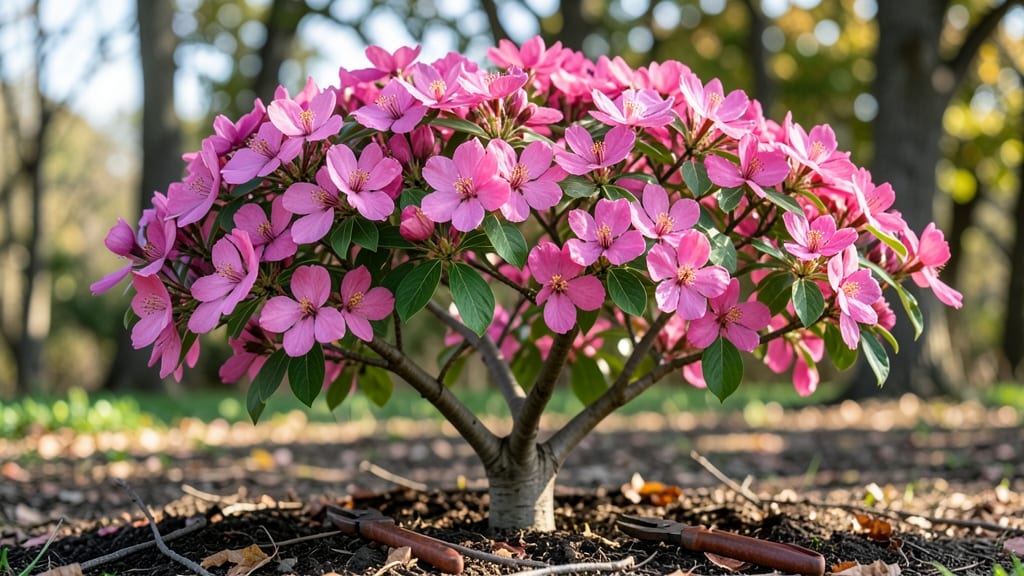
The stellar pink dogwood tree transforms Pacific Northwest yards into hummingbird hotspots with its show-stopping pink blooms and four-season interest. 🌸 I planted mine last spring, and by summer, the yard was alive with buzzing wings and vibrant color—something my old maple tree never delivered.
The secret isn't just the flowers; it's how the tree keeps its charm from winter's stark branches to autumn's fiery foliage.
This dogwood thrives in partial shade, making it perfect for understory plantings or mixed borders. Your soil should drain well but stay moist—think rich, loamy garden soil with a touch of compost. Once established, it's surprisingly drought-tolerant, though young trees need consistent watering to root deeply.
The real magic happens when you pair it with native shrubs like Oregon grape or salal, creating a layered habitat that hummingbirds can't resist.
You'll love how the tree rewards minimal effort with maximum impact. Those iconic pink bracts appear in late spring, lasting weeks, while the glossy green leaves turn brilliant red-purple by fall. Even the winter branches add texture, and the bark develops a subtle peeling pattern that adds character.
With proper pruning—just removing dead wood and shaping in early spring—your tree will stay healthy and productive for decades.
Best of all, this dogwood handles Pacific Northwest's wet winters and dry summers like a champ. Whether you're planting in a city garden or rural woodland edge, the stellar pink dogwood delivers year-round interest with almost no fuss. Let's get yours growing!
📚 In This Guide
- What you need
- Instructions
- Tips and common mistakes
- Wrapping up and next steps
What you need
- ● Pruning shears: Bypass pruners (sharp, 6–8" blades) for clean cuts on small branches.
- ● Loppers: 1 pair (8–12" blades) for thicker branches (½"–1.5" diameter).
- ● Pruning saw: 1 handheld saw (for branches >1.5" thick).
- ● Gloves: Heavy-duty gardening gloves (cut-resistant for safety).
- ● Disinfectant: 70% isopropyl alcohol or a 10% bleach solution (to sterilize tools between cuts).
- ● Rubbing alcohol: Small bottle (for quick tool cleaning mid-pruning).
- ○ Twine or zip ties: (Optional) For supporting branches after heavy pruning.
- ● Timing: Prune in late winter or early spring (before buds swell) or right after flowering (June–July) to avoid sacrificing blooms.
- ● Weather: Choose a dry, overcast day (humidity slows wound healing).
- ● Safety gear: Safety glasses (for debris) and long sleeves/pants (to protect from thorns).
- ● Cleanup supplies: Trash bag (for debris) and a small broom (for leaves/thorns).
- ● ✨ Sharpen your tools beforehand—dull blades tear wood, inviting disease.
- ● 🌡️ Work in the coolest part of the day to reduce stress on the tree.
- ● 🎯 Mark your cuts with chalk or tape if unsure—Stellar Pink Dogwoods thrive with open-center pruning.
How to plant and care for a stellar pink dogwood tree
This Pacific Northwest standout thrives with the right placement and consistent care. Here's how to set it up for years of vibrant blooms.
🌱 Step 1: Choose the Perfect Planting Location
Stellar Pink Dogwoods need partial shade to full sun—think 4-6 hours of morning sunlight with afternoon shade protection, especially in hotter inland PNW areas. Avoid spots where afternoon sun would bake the roots. I always test the location by observing how nearby plants handle summer heat—if they wilt by noon, your dogwood will too.
Check soil drainage by digging a 12-inch deep hole—if water pools after 30 minutes, amend with 2-3 inches of compost to improve drainage. The tree's roots spread widely but shallowly, so avoid planting near large rocks or sidewalks that could restrict growth. A 6-foot diameter of open space around the trunk ensures proper air circulation and prevents fungal diseases.
🪴 Step 2: Prepare the Planting Site and Transplant
Dig a hole twice as wide as the root ball but only as deep—the top of the root ball should sit 1-2 inches above ground level to prevent waterlogging. Loosen the roots gently if they're circling the root ball. I always add a 5-gallon bucket of organic compost mixed into the bottom of the hole for nutrients.
Place the tree in the center, then backfill with native soil mixed with 1 part compost to encourage root establishment. Water deeply until the soil settles, then add a 2-inch layer of mulch (avoid wood chips—use shredded bark) extending 3 feet outward but 6 inches away from the trunk. This keeps roots cool and conserves moisture without suffocating the tree.
☀️ Step 3: Water and Fertilize for First-Year Establishment
Water deeply once a week during the first year, aiming for 1-2 inches of moisture per week. You'll know it's enough when the soil feels damp 6 inches down—stick your finger in to check. Overwatering is the biggest mistake here; soggy roots lead to root rot, and dogwoods are particularly sensitive.
Apply a balanced, slow-release fertilizer (10-10-10) in early spring and again in late summer, following package rates. I skip fall fertilization—new growth then invites winter damage. Prune only to remove dead branches in late winter, never to shape the tree in its first year. The goal is letting it focus on root growth, not foliage.
✂️ Step 4: Maintain Year-Round for Continuous Blooms
Once established, water only during drought periods—Stellar Pink Dogwoods are drought-tolerant once roots are deep. Prune after blooming (late spring) to remove 1/3 of last year's growth from the bottom up, opening the canopy for better air flow. I never prune in fall—new cuts won't heal before winter.
Watch for anthracnose fungus (common in wet springs) as brown spots on leaves. Treat immediately with copper fungicide and improve drainage if needed. The tree's year-round interest comes from its exfoliating bark in winter, spring blooms, and fall foliage—prioritize care that supports all these stages.
Tips & tricks for perfect stellar pink dogwood care
Here's what I've learned from years of growing these stunning trees—details that make all the difference between a struggling plant and a showstopper.
Sunlight Secret: In Step 1, when choosing your spot, pay extra attention to those 4-6 hours of morning sun—this is non-negotiable for vibrant blooms. I've seen dogwoods in full afternoon sun get sunburned leaves, while those with afternoon shade develop their signature pink flowers more reliably. If your yard only gets afternoon sun, consider planting near a north-facing wall or under deciduous trees that provide summer shade.
Drainage Test: The 30-minute drainage check in Step 1 is your best friend. If water pools after that time, don't just add more compost—consider amending the entire planting area with a mix of sand and compost (50/50) to create better drainage. I've had to dig up struggling dogwoods because they were planted in clay soil without proper amendments, and replanting with improved drainage saved them.
Mulching Mastery: When you add that 2-inch layer of mulch in Step 2, use shredded bark specifically—not wood chips. The larger pieces of bark create better air pockets around the roots, preventing that suffocating effect. I also extend the mulch ring by 3 feet outward but keep it 6 inches away from the trunk—this creates a perfect microclimate for root growth without inviting pests to the trunk.
Watering Wisdom: That 1-2 inches of moisture per week in Step 3 is a guideline, but the real test is the 6-inch soil check. In my experience, morning watering works best—it gives roots time to absorb moisture before evening evaporation. If you notice the soil staying damp longer than expected, cut back to once every 10-14 days. The goal is consistent moisture, not soggy soil.
Pro Tips for Stellar Pink Dogwood Tree
- Here's what I've learned from years of growing these stunning trees—details that make all the difference between a struggling plant and a showstopper.
- Sunlight Secret: In Step 1, when choosing your spot, pay extra attention to those 4-6 hours of morning sun—this is non-negotiable for vibrant blooms.
- Drainage Test: The 30-minute drainage check in Step 1 is your best friend.
Frequently asked questions
When is the best time to prune my Stellar Pink Dogwood?
The ideal time to prune is late winter or early spring (February–March in the PNW), just before new growth begins. Avoid pruning in fall or during flowering season—this tree blooms on old wood, so cutting back too late can reduce next year’s stunning pink blooms. Light shaping is fine in summer, but major pruning should wait for dormancy.
How much can I prune without harming the tree?
Stellar Pink Dogwoods are forgiving, but avoid removing more than 25–30% of the canopy in one season. Focus on dead, diseased, or crossing branches first. Thin out dense areas to improve airflow, but leave at least half the branches intact to maintain the tree’s natural shape and flowering capacity.
Will pruning reduce the tree’s hummingbird appeal?
Not if done correctly! Pruning openly (removing inward-growing branches) and avoiding heavy cuts to flowering stems keeps the tree’s hummingbird magnet status intact. Just avoid shearing—this tree thrives on natural, layered blooms. Deadheading spent flowers in summer can even encourage fall reblooms!
How do I protect my Stellar Pink Dogwood in harsh PNW winters?
These trees are hardy to USDA Zone 5, but young or newly planted ones may need winter mulch (2–3 inches of wood chips) around the base. Avoid heavy snow accumulation on branches—gently brush off excess to prevent breakage. No pruning is needed for winter prep; wait until spring for shaping.
What’s a good alternative if my Stellar Pink Dogwood isn’t thriving?
Consider these hummingbird-friendly PNW natives with similar pink blooms:
- Pacific Dogwood (Cornus nuttallii) – Larger, white-pink blooms, loves shade.
- Oregon Grape (Mahonia aquifolium) – Evergreen, yellow flowers, drought-tolerant.
- Red Flowering Currant (Ribes sanguineum) – Vibrant pink clusters, great for slopes.
Wrapping up and next steps
The stellar pink dogwood tree isn’t just a stunner—it’s a hummingbird haven that brings life to your Pacific Northwest garden year-round! With its vibrant blooms, low-maintenance care, and pruning secrets, this tree is the perfect way to elevate your outdoor space while supporting local wildlife. 🌸
Ready to transform your yard? Start by gathering your tools, reviewing the pruning tips, and taking action this season. Whether you’re a gardening pro or a beginner, this tree will reward you with beauty and joy—so grab those shears and get growing! 🌱