Trees
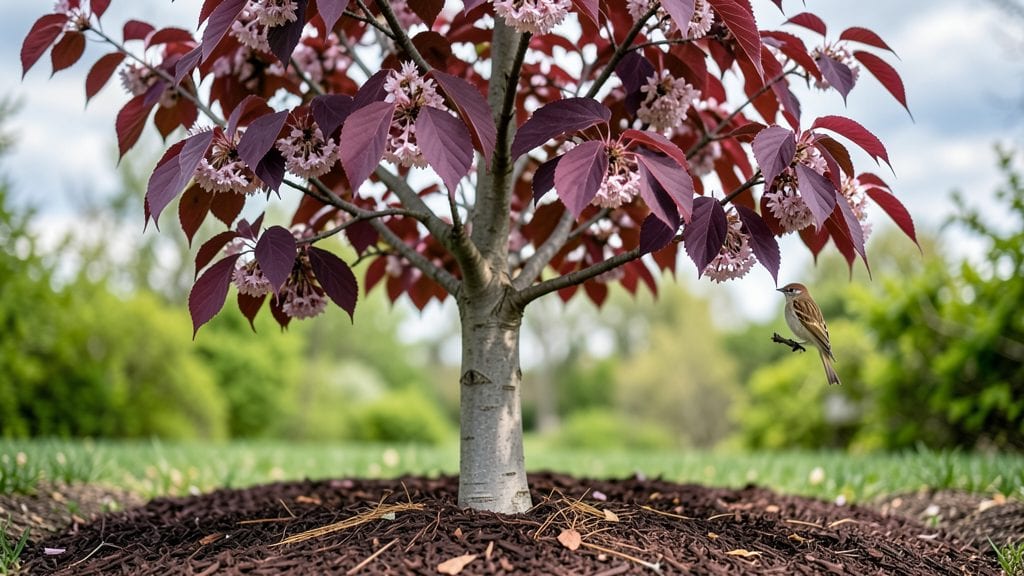
The Pacific Northwest’s prettiest flowering trees turn every season into a postcard-worthy display—from early-spring blooms that chase away winter blues to fiery fall foliage that rivals. 🌸 I’ve planted enough of these beauties to know which ones steal the show. any mountain sunset.
These aren’t just trees; they’re the backbone of a garden that feels like a living painting.
My top picks balance drama with practicality: dogwoods for their cloud-like blossoms in April, magnolias for fragrant bursts of pink and white, and cherry trees for that iconic spring canopy. All three thrive in our wet, mild climate and handle shade better than most.
The secret? Planting them where their colors cascade over walkways or frame patio seating—every stroll becomes a photo op.
You’ll end up with a garden that blooms from February through November, with minimal fuss. No deadheading required, no constant pruning—just reliable color that attracts hummingbirds and makes neighbors do double-takes.
These trees grow into statement pieces without demanding constant attention, making them perfect for busy gardeners who still want curb appeal.
Whether you’re filling a small urban yard or lining a country driveway, these varieties adapt to the space. Pair a serviceberry for its edible berries with a Japanese maple for fall flair, and you’ve got a low-maintenance combo that works for decades.
Let’s dive into the specifics—your garden’s about to get an upgrade.
📚 In This Guide
- What you need
- Instructions
- Tips and common mistakes
- Wrapping up and next steps
What you need
- ● Flowering tree saplings: Choose 1–3 varieties (e.g., Magnolia grandiflora, Fothergilla gardenii, or Cornus florida). Opt for 1–3 gallon containers for mature trees or #5 containers for smaller varieties.
- ● High-quality potting soil: 2–3 cubic feet (or a 40–50 lb bag) of well-draining, organic-rich soil (e.g., Miracle-Gro Premium or Espoma Organic Potting Mix).
- ● Mulch: 2–3 cubic feet of wood chips or bark mulch (avoid dyed varieties) to retain moisture and suppress weeds.
- ● Organic fertilizer: A slow-release 10-10-10 or 20-20-20 NPK blend (e.g., Osmocote Smart-Release) or composted manure for nutrient-rich soil.
- ● Watering can or hose: With a gentle spray nozzle (e.g., Rain Bird Adjustable Spray Nozzle) for even hydration.
- ● Garden shovel or spade (for digging holes 2–3x wider than the root ball).
- ● Pruning shears (bypass pruners, 6–8" blades) to trim dead branches or shape young trees.
- ● Garden gloves (heavy-duty, waterproof) to protect your hands from thorns or rough bark.
- ● Measuring tape (10–25 ft) to ensure proper spacing (check tree tags for mature size).
- ○ Wheelbarrow (optional but helpful for hauling soil/mulch).
- ● Tree stakes & ties (for young, top-heavy trees in windy PNW areas).
- ● Epsom salt (1 tbsp dissolved in 1 gallon of water) for magnesium boost (great for Magnolias).
- ● Tree guard or wire mesh to deter deer or rabbits from nibbling saplings.
- ● Soil pH test kit (to ensure ideal acidity 5.5–7.0 for most flowering trees).
- ● Drip irrigation system (for automated watering, especially in dry summers).
How to select and plant the Pacific Northwest’s most stunning flowering trees
Here’s my go-to method for choosing and planting showstopper trees that thrive in the PNW’s mild yet unpredictable climate.
🌿 Step 1: Choose Trees That Match Your Site and Seasonal Goals
Start by assessing your yard’s sunlight exposure and microclimate. The Pacific Northwest’s mild, wet winters and cool, dry summers favor trees like Pacific Dogwood (Cornus nuttallii), which bursts with pink-white blooms in spring and holds glossy red foliage into fall. For year-round color, consider Oregon Grape Holly (Mahonia aquifolium)—its yellow winter flowers precede spring foliage, and its berries feed birds year-round.
If you want spring drama, Western Redbud (Cercis occidentalis) delivers magenta pink blooms in early April before its heart-shaped leaves emerge. For summer-long interest, Pacific Wax Myrtle (Morella californica) offers fragrant white flowers that attract pollinators and blue-black berries for wildlife. I always check the USDA Hardiness Zone 7-9 range—these trees handle the PNW’s wet winters and summer fog without fuss.
☀️ Step 2: Pick the Right Location for Each Tree’s Needs
Most flowering trees in the PNW thrive in partial shade to full sun, but placement makes all the difference. Pacific Dogwood, for example, needs dappled sunlight—too much direct sun scorches its leaves, while too much shade reduces flowering. I plant it where morning sun warms the bark but afternoon shade from nearby evergreens cools it.
For Oregon Grape Holly, a north-facing slope works best—it tolerates shade but still flowers well. Western Redbud, however, craves full sun for maximum blooms, so I position it where it gets 6+ hours of sunlight daily, even if that means pruning nearby trees. Always consider soil drainage: PNW clay soils can suffocate roots, so I amend with 3-4 inches of compost before planting.
🪴 Step 3: Plant at the Right Time and Depth
Fall is the best time to plant flowering trees in the PNW—October to early November gives roots time to establish before winter rains. Dig a hole twice as wide as the root ball but no deeper—PNW’s acidic, loamy soil means you rarely need to amend, but I always loosen the native soil at the bottom to encourage root spread.
Place the tree so the top of the root ball sits 1-2 inches above ground level—settling soil will bury the trunk over time, inviting rot. Backfill with the native soil (no need for amendments unless your soil is sandy or rocky), then water deeply to eliminate air pockets. I always stake young trees in windy sites—PNW’s coastal winds can topple newly planted specimens.
💧 Step 4: Water and Mulch for Long-Term Success
After planting, water deeply every 5-7 days for the first two growing seasons—PNW’s mild summers mean less evaporation, but roots still need moisture to establish. I use a soaker hose to deliver water slowly at the base, avoiding wetting foliage (which promotes fungal diseases like powdery mildew).
Apply 3-4 inches of wood chips or bark mulch in a 3-foot-wide ring around the tree, keeping it 6 inches away from the trunk to prevent rot. Mulch retains moisture and moderates soil temperature, which is critical in the PNW’s cool, damp winters. Replenish mulch annually—it breaks down faster in our wet climate than in drier regions.
✂️ Step 5: Prune for Health and Blooms
Prune Pacific Dogwood and Western Redbud in late winter or early spring (before buds swell) to remove dead, crossing, or weak branches. I never prune more than 25% of the canopy at once—these trees flower on old wood, so aggressive cuts reduce next year’s blooms. For Oregon Grape Holly, a light trim after flowering keeps it compact and tidy.
Watch for aphids on new growth—PNW’s mild winters mean pests linger longer. A strong spray of water usually dislodges them, but I’ve had success with neem oil in stubborn cases. Fertilize only if growth is slow or yellowing—PNW soils are often nutrient-rich, so I avoid fertilizers unless soil tests show deficiencies.
Tips & tricks for perfectly stunning Pacific Northwest flowering trees
These insider tips will help you transform your PNW landscape into a year-round floral masterpiece—without the common pitfalls that trip up even experienced gardeners.
Site Selection Secrets: Real talk: I’ve planted Pacific Dogwoods in full sun and watched them struggle with scorched leaves. The key is morning sun with afternoon shade—think of it as a gentle wake-up call followed by a cool afternoon nap. For Western Redbud, mark your calendar for early April blooms and plant where it gets 6+ hours of sunlight daily. I always check the USDA Hardiness Zone 7-9 range first—these trees are tough, but they won’t tolerate extreme conditions.
Soil Prep That Actually Matters: Don’t just dig a hole—loosen the native soil at the bottom to encourage root spread, especially in PNW’s dense clay. I’ve seen roots struggle when planted in undisturbed soil. For Oregon Grape Holly, a north-facing slope works best—it tolerates shade but still flowers beautifully. And that 3-4 inches of compost? It’s not just for show—it improves drainage while maintaining the PNW’s naturally acidic soil balance.
Planting Timing and Technique: Fall planting between October and early November gives roots time to establish before winter rains, but here’s what nobody tells you: The top of the root ball should sit 1-2 inches above ground level. Settling soil will bury the trunk over time, and that’s an open invitation for rot. I’ve buried trunks twice and lost trees both times—don’t make my mistake. And that soaker hose? It’s not optional—it delivers water slowly at the base without wetting foliage, which prevents powdery mildew in our damp climate.
Long-Term Care Hacks: Mulch isn’t just decoration—apply 3-4 inches of wood chips or bark mulch in a 3-foot-wide ring, keeping it 6 inches away from the trunk. This retains moisture and moderates soil temperature, which is critical during PNW’s cool, damp winters. Replenish annually because our wet climate breaks it down faster than in drier regions. And watch for aphids—they linger longer in our mild winters, but a strong spray of water usually does the trick.
Pro Tips for Prettiest Flowering Trees
- These insider tips will help you transform your PNW landscape into a year-round floral masterpiece—without the common pitfalls that trip up even experienced gardeners.
- Site Selection Secrets: Real talk: I’ve planted Pacific Dogwoods in full sun and watched them struggle with scorched leaves.
- Soil Prep That Actually Matters: Don’t just dig a hole—loosen the native soil at the bottom to encourage root spread, especially in PNW’s dense clay.
Frequently asked questions
Got questions about choosing, planting, or caring for the prettiest flowering trees in the Pacific Northwest? You’re not alone! Here are some of the most common queries—and their answers—to help you pick the perfect showstopper for your yard.
What’s the best flowering tree for small yards or urban spaces?
If space is limited, opt for compact varieties like the Japanese Maple (Acer palmatum) or Dwarf Korean Lilac (Syringa meyeri). Both deliver stunning blooms without overwhelming your landscape. For vertical interest, consider Cascade Coralberry (Symphoricarpos orbiculatus), which thrives in tight spots and offers year-round color.
When is the best time to plant flowering trees in the Pacific Northwest?
The ideal window is late fall to early spring (October–March), when the soil is cool and moist. This gives roots time to establish before summer heat. Avoid planting in extreme heat or drought—root stress can reduce flowering potential. Pro tip: Water deeply after planting and mulch to retain moisture!
Do flowering trees need extra care in the rainy Pacific Northwest climate?
Most native and adapted varieties (like Pacific Dogwood or Oregon Grape Holly) handle rain well, but avoid soggy soil—ensure proper drainage. Prune in late winter to shape trees and remove dead wood. Watch for fungal issues (like powdery mildew) in humid conditions; improve airflow by spacing trees correctly.
Can I mix flowering trees with evergreens for year-round color?
Pair bloomers like Western Redbud (spring) or Vine Maple (early spring) with evergreens such as Oregon Holly or Alaska Cedar for texture and contrast. This combo keeps your landscape vibrant all four seasons. Just ensure they share similar sunlight and water needs.
Are flowering trees good for pollinators like bees and butterflies?
Yes! Many Pacific Northwest favorites—like Pacific Wax Myrtle, Salal, and Vine Maple—are pollinator magnets. Choose native species for the biggest impact. Avoid hybrid varieties bred for show over function, as they often lack nectar. Bonus: Plant in clusters to create "pollinator highways"!
Why isn’t my flowering tree blooming this year?
Common culprits include over-fertilizing (too much nitrogen = fewer flowers), poor sunlight, or stress from transplant shock. Check your tree’s needs—some (like Dogwood) prefer dappled shade, while others (like Magnolias) crave full sun. Patience is key: Young trees may take 2–5 years to bloom!
Wrapping up and next steps
From the vibrant Dogwood’s spring blooms to the fiery Japanese Maple’s autumn hues, the Pacific Northwest’s flowering trees offer a breathtaking palette of color and charm year-round.
Whether you’re dreaming of a cottage garden or a bold urban landscape, these showstopper varieties bring joy, texture, and life to any space. 🌸
Ready to transform your outdoor oasis? Start by sketching your vision—consider sunlight, soil, and space—then pick your favorite tree (or two!) and plant it with confidence. Happy gardening!